







Introduction: The Essential Qualities of a High-Quality Gym T-Shirt for Private Label Brands
For private label brands aiming to stand out in the fitness apparel market, understanding what defines a high-quality gym T-shirt is fundamental—not just for customer satisfaction, but also for sustained brand reputation and margin control. A great gym tee is more than a basic blank: it’s a careful balance of yarn selection, fabric engineering, construction details, print readiness, and specialized finishing, all calibrated to meet the intense demands of modern activewear buyers and users.
For a more focused look at sourcing, development, and factory-level capabilities, readers comparing manufacturing options may also want to review exploring high-quality gym apparel manufacturing for technical details on custom gym T-shirt solutions and apparel development processes.
Defining High-Quality Gym T-Shirts: Manufacturer’s Perspective
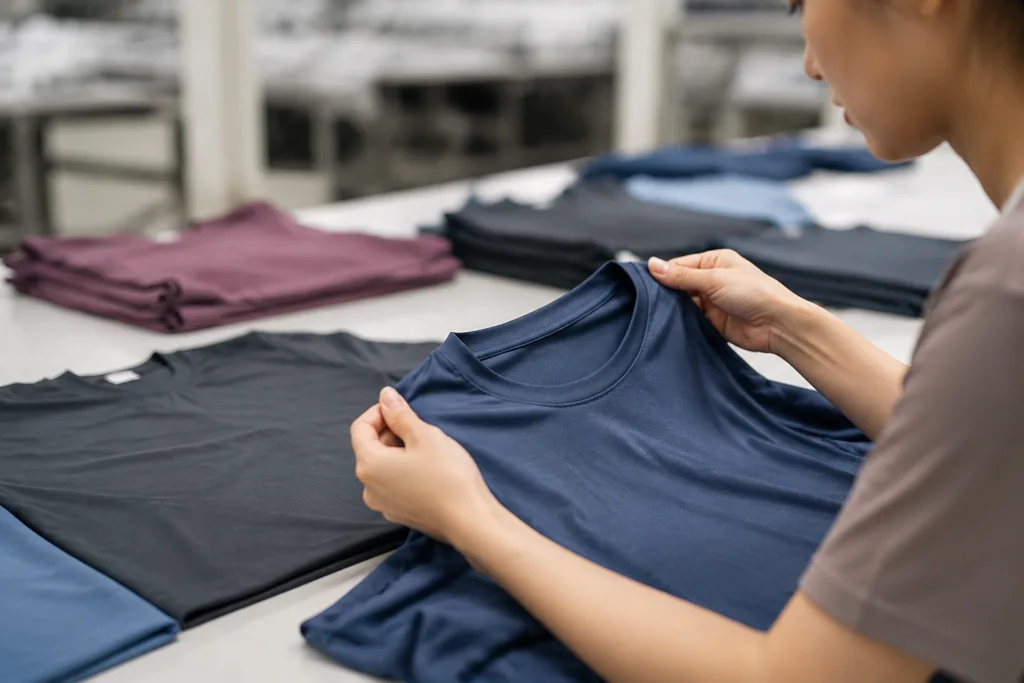
Gym T-shirts for private label brands need to satisfy more than style trends—they must deliver consistent performance, optimal comfort, long-term durability, and brand-specific printability. These criteria influence everything from raw material sourcing to the final packing.
Why Quality Matters for Private Label Brands
Private label brands must balance cost and perceived value. Superior gym T-shirts can justify higher prices, reduce returns and complaints, and boost brand loyalty. Premium materials, advanced finishing, and careful construction set lasting products apart from generic blanks.
Yarn Selection: The Foundation of Fabric Quality
Great gym tees begin with premium yarn. The choice between ringspun, combed cotton, or a technical polyester/cotton blend impacts softness, strength, shrink control, and print performance. Fine, uniform, low-nep yarn gives a smoother tee surface and superior drape.
Knit Construction: Fabric Structure for Durability and Function
The way fabric is knit—single jersey, interlock, open-end—affects stretch, recovery, pilling resistance, and moisture management. Manufacturers choose construction methods to suit gym wear’s demands, balancing lightweight comfort and tough performance.
Fabric Weight: Balancing Comfort, Coverage, and Performance
Fabric weight (measured in GSM) is a critical marker for gym T-shirts. Too light, and tees feel flimsy or see-through; too heavy, and they lose breathability. Well-made gym tees hover between 140–180 GSM, tailored for sports use and regular washing.
Shrinkage Control: Guaranteeing Size Consistency After Wash
Nothing frustrates customers more than a T-shirt that changes shape after the first wash. Reliable gym T-shirt manufacturers pre-shrink fabrics, test repeatedly for wash resilience, and stabilize patterns to assure fit retention. Shrinkage targets (usually <5%) keep brands protected from costly quality claims.
Handfeel: Comfort is King
Handfeel—or how the fabric feels to the touch—is a convergence of yarn quality, knitting, and finishing processes. For gym T-shirts, buyers expect softness without sacrificing performance. Peach finishes, enzyme washes, or technical treatments may be used for that crucial “retail handfeel.” In Ninghow’s production experience, handfeel is a trade-off: maximizing softness can sometimes affect dry time or printability, so finding the perfect balance matters for each brand’s goals.
Collar Construction: The Little Detail That Makes a Big Difference
Collar performance is often overlooked but is vital for gym use: rib type, width, lycra content, and stitching quality all influence whether a tee retains its shape after repeat stretching and washing. A well-made collar signals construction quality, supports print placement, and helps premium brands stand apart.
Sleeve Shape and Fit: Athletic Mobility vs. Retail Aesthetics
Sleeve width, armhole position, and ergonomics affect both performance function and visual impact. Modern gym T-shirts for private labels often balance a tailored look with enough freedom for dynamic movement—key for functional training, running, and everyday streetwear crossover.
Body Fit: Pattern Cutting for Activewear
Private label gym tees should be patterned with attention to shoulder angle, chest width, and hem length. Factory-level pattern teams (like those at Ninghow) use digital grading and on-body fit reviews to match each brand’s market position. Standard retail fits don’t always suit gym-goers—attention to body shape and activity is critical.
Seam Construction: Durability in Every Detail
Flatlock seams, cover stitching, and strong bartacks aren’t just cosmetic—they prevent chafing, resist unraveling, and ensure longevity through tough workouts. High-stress points, like underarm and side seams, should be reinforced to pass gym-use durability tests.
Blank Gym T-Shirts vs. Fashion Tees: Understanding the Difference
Many private labels start with generic blanks, but gym T-shirts built for sport demand extra focus on performance finishing, technical fabrics, and sweat management. Fashion blanks may lack moisture-wicking or stretch needed for genuine gym use—choosing the right base makes all the difference.
Moisture-Wicking and Breathability: Technical Performance Factors
For active gym use, breathability is non-negotiable. Technical finishes such as wicking, anti-odor treatments, or mesh inserts often separate everyday T-shirts from specialized gym styles. Fiber selection (polyester blends, modal, bamboo) supports moisture management and rapid drying.
Print Surface: Ensuring Consistency for Branding & Graphics
Quality gym tees for private labels are often used as a canvas for bold branding. To optimize printability, factories prioritize smooth, compact yarns and stable finishes. Fabrics with fewer slubs or surface irregularities produce crisper screen prints, DTG designs, and transfers. This step directly affects how a logo or motivational quote will wear—and how it’ll survive repeated laundering.
Tag Construction: Tagless, Tear-Away, and Printed Labels
Comfort and customization extend to the neck label. Options include tagless heat-transfer prints, sewn-in woven labels, or tear-away blanks for private branding. Each style has trade-offs between cost, comfort, and brand flexibility, with tagless being preferred for irritation-free gym use.
Color Fastness: Keeping Graphics and Fabrics True
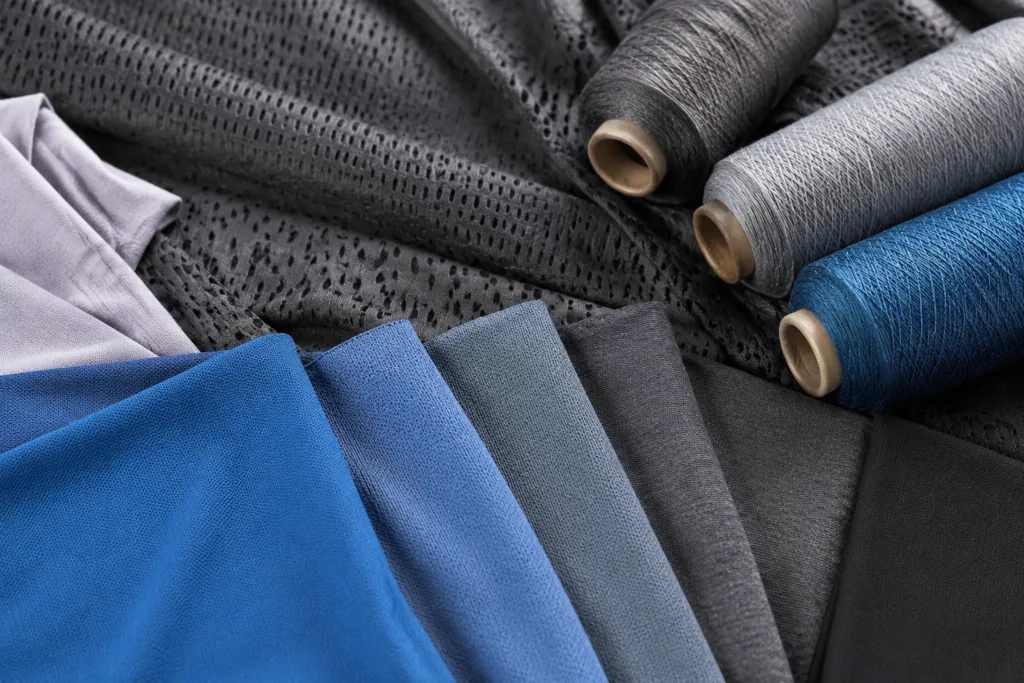
High-quality gym T-shirts should retain color even after dozens of wash cycles. Reliable factories perform lab tests for color fastness against washing, sweat, and light exposure, and optimize dyeing methods (reactive, disperse, or pigment dye) for both synthetics and cotton blends.
Wholesale Tagless Tees: What to Look For
Brands sourcing wholesale gym tees often prioritize tagless options for private labeling. Look for suppliers with clear information on fabric contents, washing protocols, and heat-seal label application capabilities to guarantee comfort and easy relabeling.
Canvas Tees and Blank Cotton T-Shirts: Are They Enough?
Blank tee suppliers, like those providing canvas or 100% cotton options, offer easy entry but can lack the performance finishes needed for gymwear. Compare fabric specs, weight, and finishing treatments before assuming all blanks are gym-ready.
Finishing Processes: Enzyme Wash, Silicon Softener, and Beyond
Final finishing—enzyme treatments, silicon softeners, or anti-pill finishes—enhances softness and shelf appeal. For private labels, specifying these extras can be a smart way to add premium touch or differentiate SKUs without changing base pattern or print artwork.
Quality Control: How Reliable Factories Ensure Consistency
High-quality gym T-shirts come from disciplined factory processes: incoming inspection, in-line quality checks, and final audit on key points like stitching, sizing, and branding accuracy. Strong QC reduces returns, strengthens your market position, and builds long-term trust.
Packaging and Presentation: Impact on Perceived Value
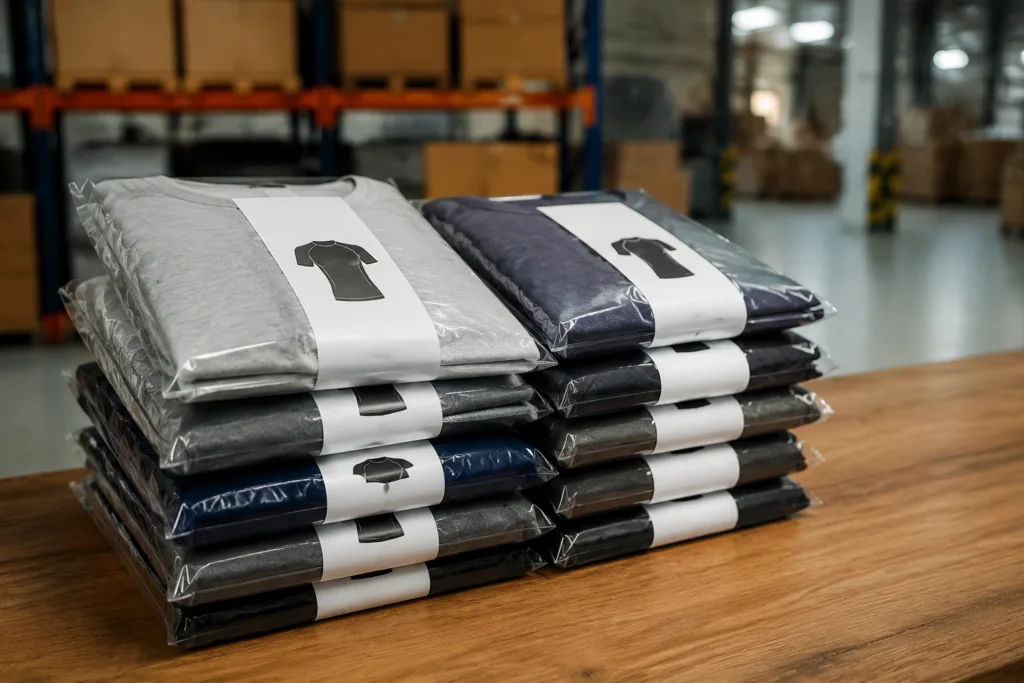
Private label brands can set themselves apart by specifying recyclable bags, branded inserts, or clever folding styles. Packaging not only protects the T-shirt but elevates the unboxing experience—subtly communicating quality before the first wear.
Minimum Order Quantities: Small MOQ vs Bulk for Private Label
MOQ policies shape your sourcing strategy. Higher-quality tees can come with bigger MOQ, reflecting more careful yarn sourcing and fabric runs. Understanding MOQ trade-offs helps brands plan inventory and pricing with fewer quality compromises.
What Makes a High-Quality Gym T-Shirt for Private Label Brands?
In summary, a superior gym T-shirt for private label brands demands:
- Carefully selected yarns
- Advanced fabric knitting and stable weights
- Consistent shape retention through shrinkage control
- Attention to fit, sleeve, collar, and seam construction
- Print-friendly surface with reliable labeling
- Enhanced finishing and QC processes
It’s the thoughtful integration of these manufacturing choices that turn a generic tee into a staple of premium gym apparel lines.
Working with Reliable Gym T-Shirt Manufacturers
Choosing a factory partner with end-to-end expertise—from yarn procurement through finishing and QC—safeguards consistent quality. For private label brands, it helps to build relationships with manufacturers who proactively share technical insights and can produce samples that reflect your unique brand standards. For more detail on sourcing and private label advantages, see our insights on private label gym clothing and explore guidance on custom gym clothing options for additional perspectives on fit, finishing, and print customization.
Conclusion: Why Quality Always Pays Off
Pursuing high-quality gym T-shirts for private label brands may involve greater initial investment in yarn, labor, and finishing. Yet the result—a durable, great-fitting, comfortable brand staple—serves as the launchpad for customer retention, better resale value, and positive brand reputation in a crowded activewear market.
Frequently Asked Questions
How can fabric weight affect gym T-shirt quality?
Fabric weight determines coverage and durability. Lighter weights improve breathability, but the fabric should not be too sheer or flimsy for workouts. Weights between 140–180 GSM typically work best for fitness-oriented shirts.
Why is yarn selection important in T-shirt manufacturing?
The yarn type influences softness, strength, and surface smoothness. Premium yarns create tees that resist pilling, hold their shape, and feel comfortable after repeated use and washes.
What label options are best for private label gym T-shirts?
Tagless or tear-away labels are ideal for private branding and comfort. Heat-pressed neck prints reduce irritation and allow for seamless rebranding.
What is the benefit of enzyme or silicon washing in gym tees?
These finishing processes make the fabric softer, enhance handfeel, improve drape, and can help prevent pilling, all of which upgrade the perceived quality of the garment.
How do manufacturers ensure color fastness in high-quality gym T-shirts?
By using stable dyes and testing the fabric under multiple conditions, manufacturers confirm that tees retain their original color after washing, sweating, and exposure to sunlight.
Is it worth investing in custom patterns for gym T-shirts?
Yes, custom patterns deliver a better athletic fit, differentiate brands, and boost wearer comfort, especially compared to off-the-shelf blanks intended for general use.