







Introduction: The Realities of Sustainable Gym Clothing Production
Building a sustainable gym clothing collection is more than just a label—it’s a hands-on process that impacts everything from fabric selection and dyeing to minimum order quantities (MOQ) and supply chain control. At Ninghow, we recognize that every step—material sourcing, trims, finishing, and pricing—has direct effects on your brand’s credibility and the environment. This guide explores each of these decision points practically and transparently, supporting apparel brands, sourcing managers, and product developers to make well-informed choices when partnering with manufacturers.
For a focused look at production capabilities and practical next steps, readers comparing manufacturing options may also want to review our comprehensive resource on partnering with the right manufacturer. This category page covers essential details like customization choices, fabric programs, and how a manufacturer’s approach can affect everything from product specs to order volume expectations. Exploring this page can clarify what distinguishes a true partner in sustainable gym clothing manufacturing.
What Does ‘Sustainable’ Really Mean for Gym Clothing?
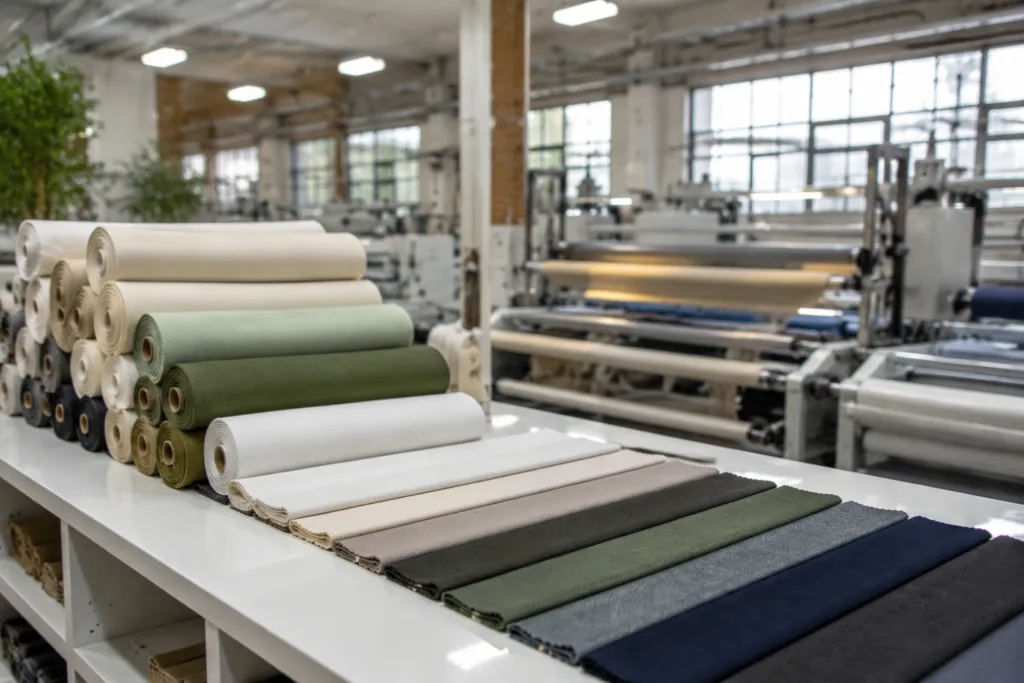
Sustainable gym clothing isn’t just about using recycled polyester or organic cotton. It involves a full-circle view: raw material sourcing, resource usage, ethical labor, factory certifications, and end-of-life garment manageability. Getting this balance right requires detailed communication with your manufacturer—not just a green hang tag.
Sustainable Fabrics: Beyond the Buzzwords
The most common sustainable fabrics used in gym wear include recycled polyester, organic cotton, TENCEL, and bamboo viscose. Each presents unique demands and trade-offs in supply chain sourcing, cost, and real-world performance. For example, recycled polyester often requires specialized mill partners and has different dye absorption compared to virgin polyester. These details can affect everything from color consistency to stretch recovery—factors you must verify with your manufacturer early in development.
Key Considerations When Choosing Sustainable Knit & Stretch Fabrics
- Origin of fiber: Certified recycled, organic, or responsibly managed sources
- Supplier certifications: GRS, GOTS, OCS (factories may provide documentation on request)
- Performance: Moisture management, pilling resistance, recovery
- MOQ by mill: Many eco fabrics have higher minimums than standard goods
How Fabric Sourcing Impacts Lead Time and MOQ
Sustainable fabrics may require longer lead times and higher MOQs than conventional options. Mills producing recycled yarns or organic fibers often batch production to reduce waste, meaning small runs are less economical. For start-up brands, this can affect feasibility and cash flow planning. Ask your manufacturer for realistic timelines and available in-stock (greige) bulk to reduce surprises.
Certifications: What Really Matters and What to Look For
Not all certifications are equal. Brands often request GRS (Global Recycled Standard), GOTS (Global Organic Textile Standard), or OEKO-TEX for certain markets. Manufacturers may have ‘facility’ certifications or offer to produce goods using ‘certified’ input materials from verified mills. Always clarify what your buyers actually need for labeling and enforcement before adding cost or complexity.
Common Certification Types
| Certification | Applies To | Value for Brand |
|---|---|---|
| GRS | Recycled fabric/products | Verifies recycled content & chain-of-custody |
| GOTS | Organic cotton textiles | Verifies organic status, process transparency |
| OEKO-TEX | All textiles | Testing for harmful substances |
Trims and Accessories: The Overlooked Sustainability Factor
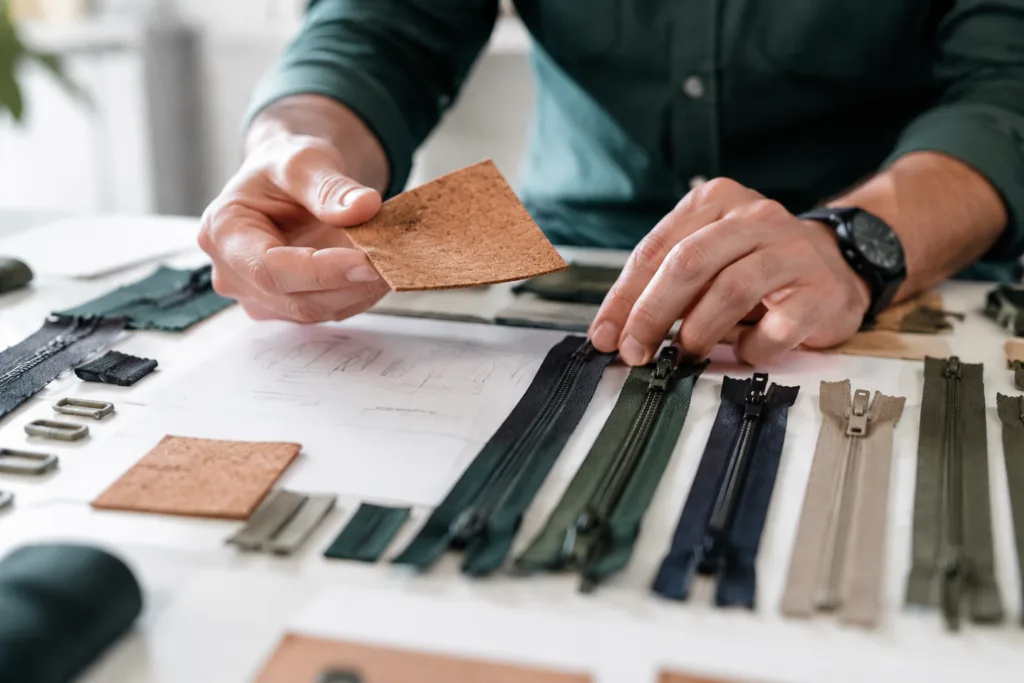
Trims often fly under the radar but matter for full garment integrity. Sustainable brands should specify: recycled zippers, biodegradable labels, and water-soluble packaging where possible. Trims also affect factory material sourcing and may extend overall production lead time if specialty items are needed. A proactive manufacturer can recommend compatible trims early in the design process to balance eco goals with lead time and cost.
The Dyeing and Finishing Process: Practical Environmental Impacts
Dyeing and finishing can determine the true environmental footprint of gym clothing. Water usage, types of dye, and finishing chemicals all play significant roles. Common options include:
- Dope-dyeing (solution-dyed yarn): Reduces water, achieves stable color but limits flexibility in low MOQs.
- Low-impact reactive dyes: Less water and chemical waste, better for sensitive skin.
- Bluesign or ZDHC compliance: Demonstrates reduced hazardous chemical usage, but certification costs are reflected in pricing.
MOQ: How Minimum Orders Affect Sustainable Production
Sustainable gym clothing often means committing to higher MOQs, particularly for specialty fabrics or certified supplies. Mills set baseline production levels to ensure cost-effectiveness and waste minimization. If your brand requires low-quantity sampling, communicate this early so the manufacturer can advise on in-stock eco materials or set up a scalable program as your business grows. For more on brand launch strategies, see our practical advice on starting your gym clothing brand.
Cost and Price Implications: Understanding the Value Chain
Sustainable inputs—premium yarns, certified dyes, or unique trims—cost more than commodity options. Brands need to anticipate 15–30% uplift in base garment cost, depending on the production region and certification scope. Transparent manufacturers will break down costs so you can make informed trade-offs, such as choosing OEKO-TEX instead of GRS where applicable. In some cases, a strong sustainability story may allow for premium retail pricing or opens up markets with stricter import requirements.
Sustainable Product Development: From Concept to Sample
Moving from idea to physical sample involves many sustainability checkpoints. Material selection, certification documentation, pattern optimization (reducing cutting waste), and test sample approval are all touchpoints that can affect your collection’s environmental impact. Brands that work closely with an experienced manufacturer like Ninghow often see smoother development and faster risk identification, especially when trialing new eco-materials or trims.
Practical Tips for Effective Product Sampling
- Request swatches and lab dips of all sustainable materials
- Check that trims and labeling meet both eco and durability requirements
- Prototype sizing to minimize fabric waste
- Document any ingredient or certification claims for compliance
Transparency in the Supply Chain: Why Traceability Matters
Modern brands and retailers increasingly ask for supply chain transparency. It isn’t just a buzzword—without traceability, claims about using sustainable yarn or certified facilities break down quickly under inspection. Work with your manufacturer to ensure material documentation is maintained from yarn purchase through to goods packing. This supports smoother customs clearance, less production error, and greater brand credibility.
Choosing the Right Manufacturer for Sustainable Gym Clothing
Not all manufacturers are equipped or willing to support sustainable production. Key signs of a reliable partner include documented experience with eco materials, ability to source certified trims, and willingness to provide transparent cost breakdowns. During your evaluation, ask for case studies or sample developments demonstrating practical sustainability—not just certificates on the wall.
Red Flags When Choosing a Manufacturer
- No access to certified mills or eco trims
- Unclear or hesitant about supply chain documentation
- Surprisingly low pricing on certified products (may signal greenwashing or quality compromises)
Factory Audits and Compliance: Going Beyond Checklists
While certifications are critical, modern buyers increasingly want factories to pass third-party social compliance audits alongside sustainability credentials. These audits (e.g., BSCI, SMETA) look at workplace safety, wage practices, and environmental protections. Brands sourcing sustainable gym wear should balance the need for eco-credentials with basic labor and facility transparency for a complete product story.
Pilot Runs and Bulk Production: Avoiding Costly Mistakes
Launching new sustainable products involves risk. Pilot batches let you validate performance, shrinkage, and consumer feedback without full-scale commitment. Manufacturers familiar with sustainable gym wear will guide you through test runs, suggest cost-saving improvements, and monitor for processing challenges (like color migration or seam strength issues in recycled fabric blends).
The Importance of Packaging Choices in Sustainability
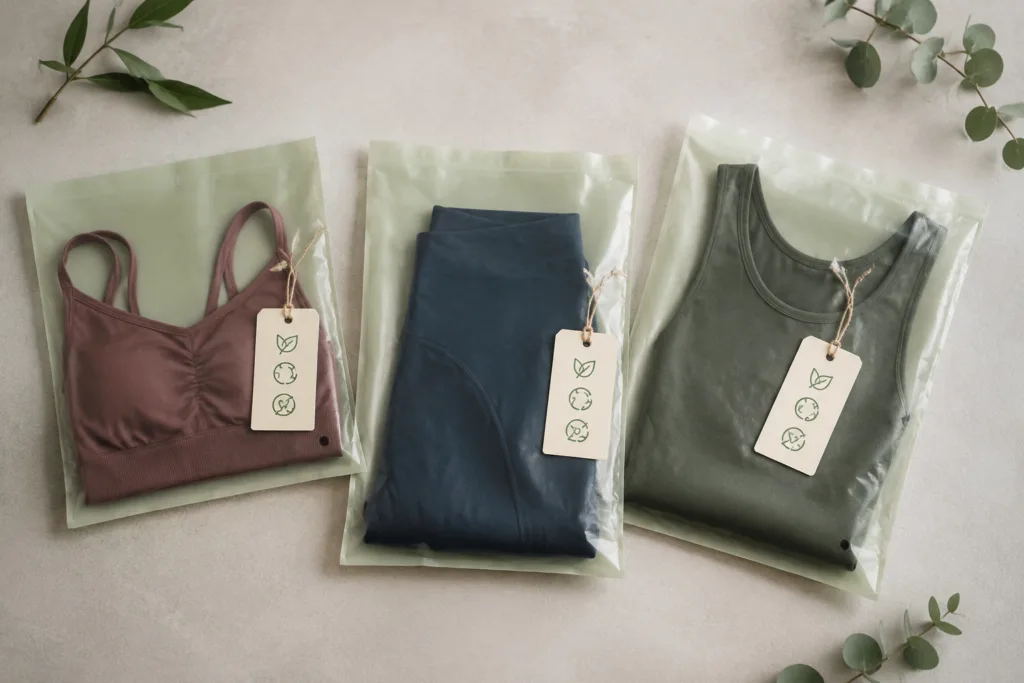
Gym clothing packaging contributes meaningfully to the overall sustainability perception. Options now include recycled polybags, compostable mailers, and FSC-certified boxes. But options vary by manufacturer and required print or labeling specs. Sustainable packaging often carries extra cost; clarify expectations up front so the factory can quote and source accordingly.
Design for Longevity: The Overlooked Sustainability Multiplier
Product lifespan is often the most effective sustainability strategy. Well-made garments that resist pilling, retain fit, and withstand frequent wash cycles reduce per-wear impact. As a manufacturer, Ninghow sees the massive difference when brands invest in strong tech packs and clear fit/care expectations—they get better consumer feedback and less product return, supporting both business and environmental goals.
Branding and Marketing: Communicating Your Sustainable Story Accurately
It’s tempting to highlight every eco-attribute, but overstating claims risks consumer skepticism and even legal consequence. Work with your manufacturer to document certifications, traceable materials, and key process improvements, using plain language that matches what’s verifiable. This helps marketing teams build trust and avoid “greenwashing” accusations.
Collaborating with Manufacturers: Industry Best Practices
The most successful sustainable collections emerge from close partnership between brand teams and the manufacturing floor. Open communication about design intent, MOQ realities, and price constraints leads to better results. Ensure all decisions—especially trade-offs—are recorded and reflected in final tech packs and order confirmations.
Common Challenges and How to Overcome Them
- Fabric availability delays: Request mill stock lists and alternate blends in advance
- MOQ and cost conflicts: Explore combining styles/colors for better leverage
- Certification lead times: Build in buffer when requesting third-party audits
- Trims out-of-stock: Use standard trims where possible or accept clear lead time extension
Case Study: A Realistic Sustainable Gym Clothes Launch
Consider a mid-sized EU brand aiming for recycled polyester leggings, GRS certification, and biodegradable packaging. Initial challenges included long dye lead times, uneven MOQ from mill to factory, and custom trim sourcing. By working closely with the manufacturer, combining styles for bulk fabric runs, and agreeing on in-stock trims, the brand launched successfully within eight months at a 22% cost premium—offset by their ability to access specialty retailers and improved consumer loyalty. A step-by-step approach and realistic compromise ensured supply chain stability and on-shelf reliability.
How to Build a Sustainable Gym Clothing Collection with the Right Manufacturer
Developing a genuinely sustainable gym clothing collection requires intentional planning, transparent conversations, and a readiness to adjust expectations—especially around minimums, costs, procurement timings, and technical challenges. Brands and sourcing managers who select manufacturers with proven sustainable track records are better equipped to handle certification, compliance, and product testing. For a deep dive into technical production detail (like how internal labeling or gusset stitching may impact price or sustainability), see our guide on how to nail custom leggings manufacturing.
Conclusion: The Path Forward for Sustainable Gym Wear
Sustainability in gym clothing is both a commitment and a negotiation. The right manufacturing partner brings technical experience, transparent sourcing, and realistic cost planning, stopping greenwashing at the factory door. By clarifying your sustainability priorities early and working hand-in-hand with your supplier, your brand can meet consumer expectations and market entry requirements—without sacrificing quality or credibility. Practicality, supply chain traceability, and continuous improvement form the foundation of successful, future-ready gym clothing collections.
Frequently Asked Questions
What fabrics are most popular for sustainable gym wear?
Common options include recycled polyester, organic cotton, TENCEL, and bamboo viscose. Each offers varying performance, price, and certification potential depending on your supply chain and target market.
Do sustainable fabrics affect color or fit compared to standard ones?
Yes, recycled fibers or organic yarns can absorb dye differently or have altered stretch performance. Proper prototyping and lab dips are crucial to verify final results.
How do certifications like GRS or GOTS impact production timelines?
Certifications typically add sourcing and documentation time, especially when third-party audits are required. Include extra lead time for certified material verification and shipment processing.
Can sustainable trims and packaging be ordered in low quantities?
It depends on the supplier network and stock programs of your manufacturer. Custom eco trims or compostable packaging often have higher MOQs, but some basics are available off-the-shelf in smaller amounts.
What are realistic price premiums for sustainable gym clothing?
Sustainable gym clothing may cost 15–30% more than conventional alternatives, reflecting raw material, certification, and process investments by the manufacturer and mill.
How can brands verify real supply chain sustainability?
Maintain documentation for all claims—request transaction certificates, source lists, and facility certifications. Partnering with transparent manufacturers reduces greenwashing risk and improves compliance during audits.