
Introduction: Navigating Activewear Manufacturing for Startups
Finding the right activewear manufacturer is one of the most important early decisions for any startup athletic apparel brand. With so many factors at play—technical fabrics, low minimum order quantities (MOQs), reliable pattern development, and scale-up readiness—selecting a manufacturing partner is far more than just browsing factory directories. This guide brings a practical, checklist-driven approach to evaluating and selecting a manufacturer that aligns with your brand vision and growth path.
For a more focused look at production capabilities and custom development, readers comparing manufacturing options may also want to explore custom gym clothing manufacturers. This resource is especially helpful for those evaluating product category scope, customization possibilities, and how Ninghow presents production references relevant to gym and activewear categories from a manufacturer perspective.
Understanding the Manufacturing Path for Startups
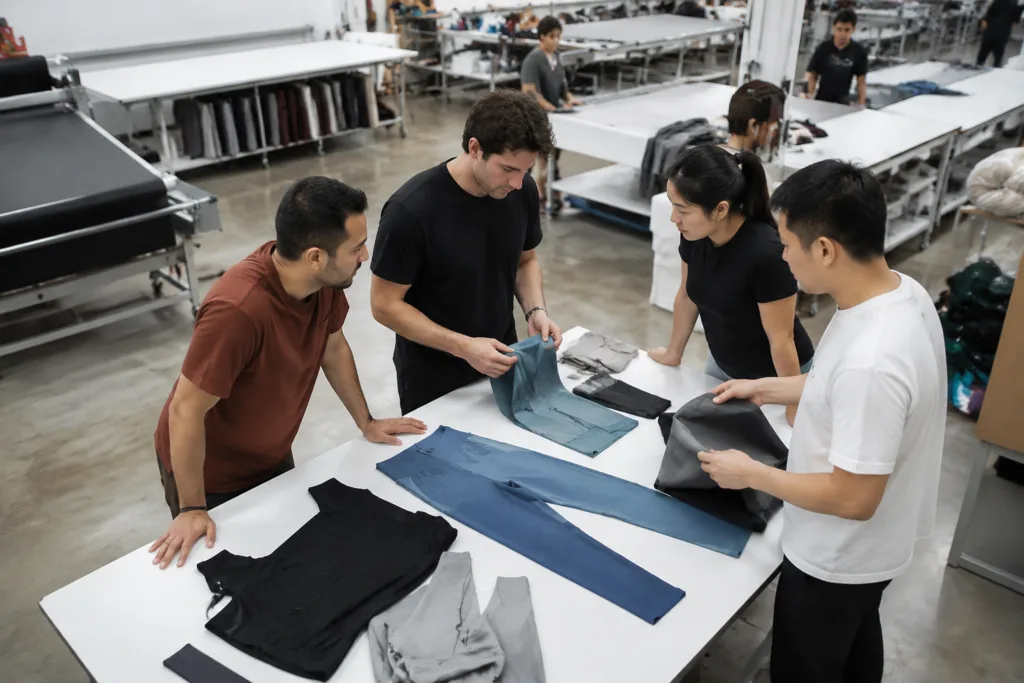
The journey from design concept to mass production in activewear is rarely linear. Startups must balance design intent, budget, and commercial viability while engaging with manufacturers who bring specific expertise in athletic apparel. Each phase, from prototyping to scaling up, involves complexities in fabric selection, fit/sample approval, and final production. By understanding what to prioritize at each stage, startups avoid costly missteps and lay the foundation for long-term brand growth.
Types of Activewear Manufacturers Explained
Activewear producers typically fall into three groups:
- OEM (Original Equipment Manufacturer): Offers process expertise, producing your unique designs from scratch, ideal for custom-branded startups.
- Private Label Manufacturer: Provides pre-developed styles with some room for branding and minor adjustments—helpful for quick-to-market launches.
- Wholesale Supplier: Stocks standardized, mass-market styles requiring minimal to no customization, suitable for basic entry but limited in brand storytelling.
Checklist: How to Find the Best Activewear Manufacturer for Startups
Instead of chasing a list of factory names, use this actionable checklist when screening manufacturing partners for startup-friendly production:
| Selection Factor | What to Look For | Why It Matters |
|---|---|---|
| Product Category Alignment | Experience with your target styles (e.g., leggings, sports bras, gym shorts) | Reduces sample iterations and fit issues |
| MOQ Flexibility | Willingness to handle low-quantity or test runs | Supports startup budgets and market feedback loops |
| Pattern and Fit Development | In-house pattern, grading, and size-set sampling | Critical for technical garments and repeat buy consistency |
| Fabric Sourcing Support | Access to performance, wicking, and sustainable fabrics | Major influence on brand experience and differentiation |
| Proven Sampling Process | Clear timelines, feedback mechanisms, revision limits | Minimizes miscommunication and delays |
| Scale-Up Readiness | Capacity to increase orders as you grow | Avoids outgrowing your factory mid-launch |
| Transparent Communication | Direct, responsive, English-proficient point of contact | Prevents costly approval errors and missed deadlines |
| Quality Control Systems | Documented procedures—pre-shipment, in-line, AQL | Consistency and issue prevention from batch one |
| Ethical & Compliance Assurance | Auditable labor, safety, and compliance certifications | Protects brand reputation and retailer onboarding |
Product Category Fit: Focus on Your Activewear DNA
Top activewear manufacturers are not “one size fits all.” Assess their portfolio—do they excel at cut-and-sew leggings, seamless compression, or light support bras? Searching for manufacturers who frequently handle your style—vs. those who primarily make basics or non-activewear—yields better pattern capture, seam quality, and fit consistency. Request to see current products or customer references closely matching your line’s intent.
Custom Development: Sampling and Pattern Perfection
Custom activewear sampling can be a sticking point, especially for founders new to technical garment development. Choose a manufacturer that is transparent about their pattern process: will they help you refine tech packs, offer feedback on fit, and perform sample revisions without excessive charges? For an in-depth perspective, this guide to launching custom gym clothing details how thoughtful pattern work and flexible sampling increase speed-to-market and lower the risk of costly corrections later.
MOQ: Balancing Startup Quantities and Economies of Scale
Low minimums are key for activewear startups, but not all factories can deliver technical manufacturing in small lots. Clarify whether the published MOQ applies per style, per color, or per total purchase order. Ask for sample production runs and how costs scale as unit volumes increase. Some manufacturers may offer grouped production windows, semi-custom options, or rising MOQs as you reorder and grow—a crucial point for staged launches.
Fabric Selection and Sourcing Explained
Performance fabric choices can make or break your collection. Established manufacturers offer libraries of technical knits, stretch blends, and moisture-wicking materials. Ideally, they should help you test hand feel, weight, shrinkage, and colorfastness on the actual production lines. Whether you need recycled polyester or premium imported lycra, confirm that your partner supports swatch sampling and fabric sourcing within your price tier.
Start-Up Friendly Communication Habits (and Red Flags)
New brands thrive on rapid feedback loops. Evaluate how the factory handles English-language communication, time zone differences, and iterative edits. Strong manufacturers explain trade-offs, confirm understanding with line-by-line responses, and track changes—while red flags include vague timelines, evasive pricing answers, or reluctance to detail processes. Communication that feels slow or fuzzy at the sampling stage will rarely improve when scaling up.
Prototype to Production: The Sampling Journey
Ask your manufacturer to outline their full sampling timeline, approval process, and revision policy. Who owns the final paper pattern? How are fit issues documented, tracked, and resolved? Startups should insist on size sets before bulk runs and expect annotated sample photos. These steps protect against production inconsistencies as you gain traction.
Production Capacity: Is the Factory Ready to Grow with You?
A nimble startup needs a manufacturer who can share real monthly output, peak shift coverage, and strategy for handling order increases. If their lines are at capacity with big brands, small startup orders may get pushed to off-hours or extended lead times. Ask for case studies of clients who scaled up, along with sample lead-time trend reports.
Quality Control: How Top Manufacturers Protect Your Brand
Quality in activewear is all about repeatable outcomes—accurate fit, even seams, strong recovery, and sensible packaging. Request documentation of their quality system: inline inspections, final random sampling, and common defect rates. For a practical overview on gym clothing QC, review how manufacturers approach this in a start your gym clothing brand with the right partner guide focused on quality checkpoints and bulk shipment practices.
Technology Use in Activewear Manufacturing
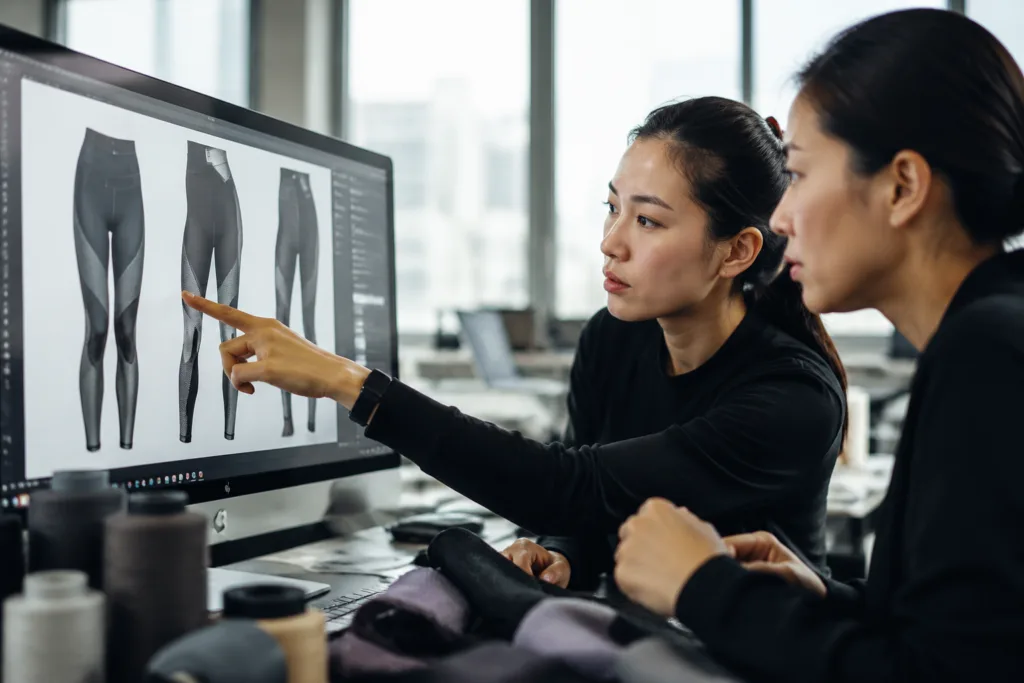
Many of today’s best activewear manufacturers use digital patternmaking, automated cutting, and barcode-driven production tracking. Inquire about the digital tools involved—these impact cost control, fit repeatability, and the speed of future reorders.
Ethical Sourcing and Transparent Production
Brands planning for global retail must be able to answer buyer and retailer questions about how and where each product was made. Check for evidence of social audits, workplace safety standards, environmental certifications, and transparent supply chain reporting. These are not just “nice-to-haves” but often become a dealbreaker for scaling through e-commerce and retail partnerships.
Cost Structures and Payment Terms
Obtain detailed written breakdowns of sampling charges, unit cost by quantity, pattern fees, and any add-ons (e.g., labels, trims, packaging). Negotiate payment schedules—common terms include 30% up front, 70% at shipment—and clarify what triggers a deposit refund or chargeback in case of delays or disputes. Stable manufacturers offer fair, clear terms and avoid shifting goalposts once sampling has begun.
Shipping, Delivery, and Packaging Expectations
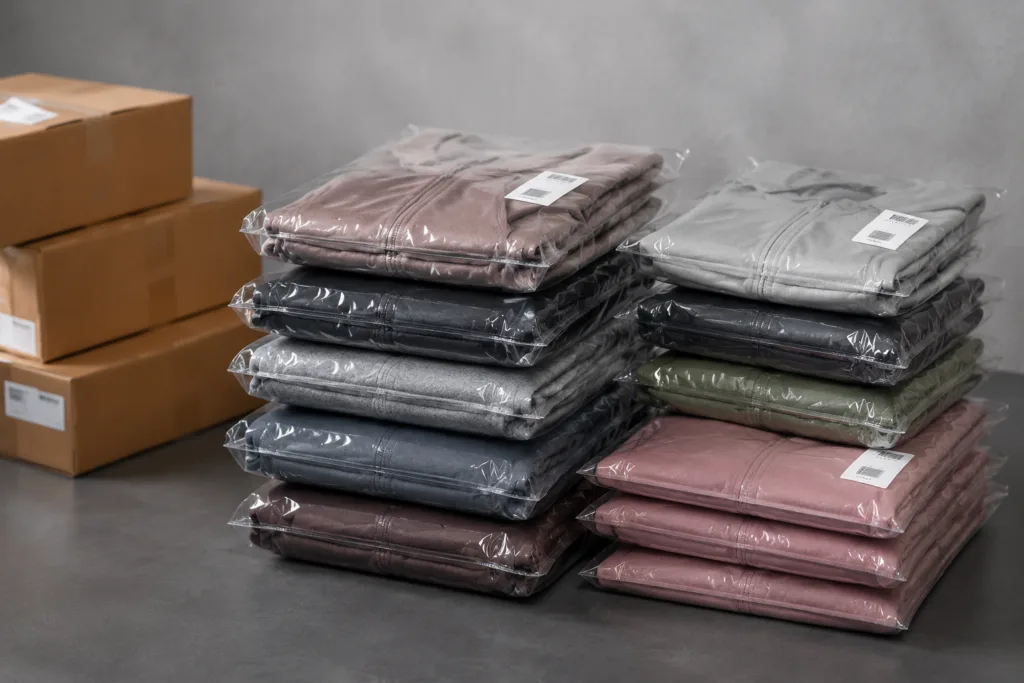
Clarify whether the manufacturer supports bulk shipment consolidation, Destination Duty Paid (DDP), or ships only to port. Presentation matters—request sample images of final packaging and how barcodes, hangtags, or polybags are applied. Having consistent packaging from day one saves relabeling costs and meets retailer specs.
Common Pitfalls for Startups to Avoid
- Choosing based solely on lowest cost or fastest turnaround
- Skipping clear sampling sign-off or pattern ownership transfer
- Falling for overpromises—always ask for references from similar startup clients
- Assuming seamless scale-up without written confirmation of capacity and flexible terms
Ninghow’s Perspective: Learning from Real Manufacturing Runs
At Ninghow, we recommend that startups spend as much time evaluating sample fit, material durability, and communication clarity as they do on price comparisons. In our experience, the most successful brand launches start with iterative, transparent prototype feedback and a willingness to adjust style specs based on test batch realities—rather than pressing for mass production before resolving fit or fabric issues. This approach prevents costly remakes and helps both factory and client achieve consistent quality through increased order cycles.
Scaling Production: Preparing for the Next Growth Phase
Once a startup hits repeat sales, be ready to revisit timelines and negotiate batch pricing improvements for larger runs. A responsive manufacturer should proactively discuss how order growth may affect MOQs, production slots, and raw material sourcing. Document any new terms and maintain a detailed production calendar to keep launches on schedule as your reach grows.
Case Study: From First Sample to Stocked Shelves
A fitness brand founder, starting with only two leggings designs, worked directly with a technical-focused manufacturer to address rise height, waistband compression, and print placement. Through three rounds of samples and feedback, the startup reduced fit returns by 40%. By leveraging the factory’s activewear-specific pattern library, they scaled quickly, adding sports bras and tanks in under twelve weeks. This illustrates how close technical partnership—instead of generic quick ordering—leads to long-term supply chain wins.
Recap: Your Activewear Manufacturer Selection Roadmap
- Start with category fit and technical sampling support
- Prioritize clear communication and achievable MOQs
- Validate ethical compliance and upscaling systems
- Insist on transparent cost, timeline, and sample approval policies
How to Find the Best Activewear Manufacturer for Startups
The most effective startup/manufacturer partnerships are built on shared expectations, open communication, and category-specific experience. Avoid generic lists in favor of targeted, practical evaluation using the criteria detailed above. By focusing on startup-aligned manufacturing practices, you’ll set a foundation for both initial launch success and future brand expansion.
Frequently Asked Questions
What is the right MOQ for an activewear startup?
Most startup-friendly manufacturers offer MOQs between 100–300 pieces per style, sometimes with flexibility for new clients or test orders. Always confirm if this quantity applies to each colorway or total style count.
How long does custom activewear sampling really take?
Allow 3–4 weeks for the first custom sample and 1–2 weeks for each revision, depending on fabric availability and communication speed. Plan for at least two fitting/sample rounds before bulk production approval.
What should be included in my tech pack?
A complete tech pack should feature detailed flat sketches, measurement specs, construction notes, trim placements, print/embroidery artwork, and fabric/finish details. More clarity prevents costly errors later.
Can I visit the manufacturer’s factory in person?
Yes, many reputable manufacturers support visits. Factory tours help you verify quality standards, meet your point of contact, and assess workplace conditions firsthand. Arrange visits once sampling is underway.
How do I protect my designs from being copied?
While no one can guarantee full IP security, NDA agreements and requesting proof of in-house development lower risks. Work transparently with your manufacturer and avoid sharing production details with unrelated parties.
What are the biggest mistakes startup brands make when selecting a manufacturer?
Common pitfalls include over-prioritizing low cost, skipping clear sample approvals, not clarifying MOQ or upscaling terms, and misunderstanding communication timelines. Diligent evaluation and direct questions prevent these issues.