





Introduction: Navigating Bulk Sourcing for Performance T-Shirts
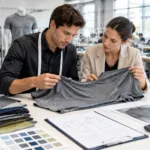
Sourcing performance t-shirts in bulk for gym and fitness brands isn’t just about picking a fabric or color. As a clothing manufacturer, Ninghow understands that it’s a multi-step process involving fit precision, fabric durability, and quality controls that ensure every batch matches your brand standards. Bulk sourcing decisions affect margin, brand reputation, and repeat buy rates, so getting the basics right matters whether you’re launching new lines or scaling existing collections.
If you’re considering sourcing performance t-shirts or expanding into custom gym clothing, a useful next step is to explore Ninghow’s manufacturer resource on custom gym clothing production. This category page offers an in-depth look at fabric options, customization routes, and minimum order quantities, helping buyers and sourcing teams review practical production capabilities before making their next manufacturing decision.
Understanding Bulk Sourcing Needs: Who Should Read This Guide?
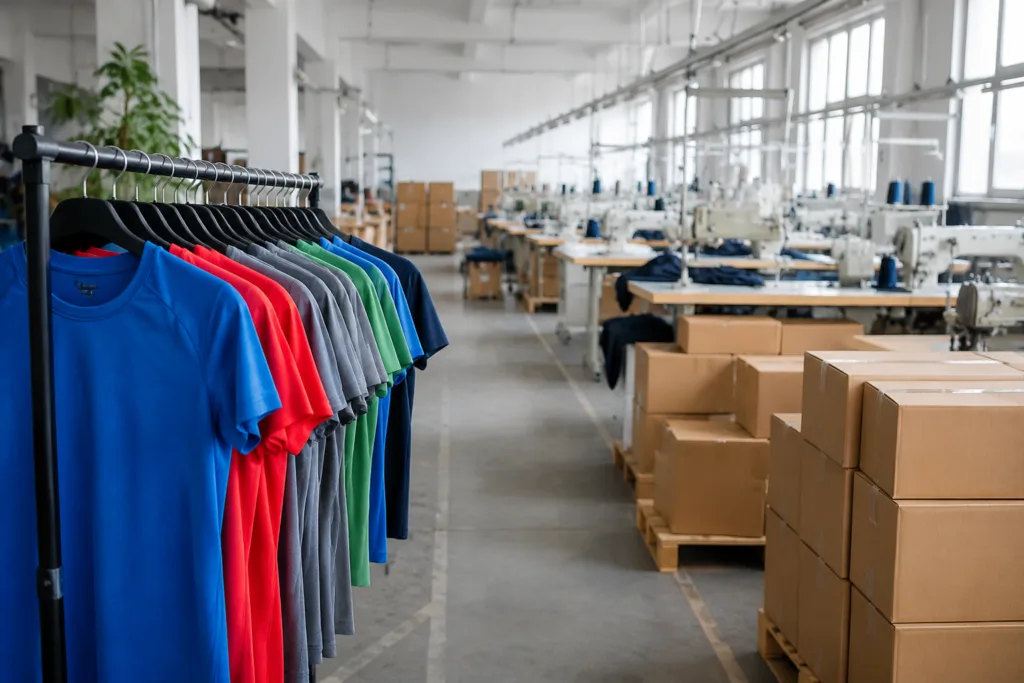
Whether you’re a gym owner, fitness brand manager, promotional buyer, or private label apparel startup, bulk t-shirt sourcing impacts how your customers perceive comfort, fit, and value. This guide clarifies the logic behind fabric choices, blank vs custom routes, cost structures, and the QC checkpoints that matter—so your orders repeat reliably.
Key Types of Performance Tees in Bulk Orders
Bulk performance tees come in several variants to match multiple brand or buyer needs:
- Pure polyester moisture-wicking shirts: Ideal for high-sweat activities, durable for repeated washing.
- Cotton-poly athletic t-shirts: Balanced comfort and performance, used for casual fitness branding.
- Bamboo or recycled blends: Eco-conscious brands seeking unique positioning.
- Blank white/black tees: For screenprints, embroidery, and promotional customization.
The Fit Factor: Matching Brand Identity and End Use
Fit is crucial—not only for aesthetics but also for product repeatability. Decide early: slim fit, classic, loose, or cropped. For gyms, fitted styles enhance athletic silhouette; for broader brands, relaxed or boxy cuts may work. Accurate tech packs and graded size charts prevent batch inconsistencies. Experienced manufacturers like Ninghow run sample fits before bulk to catch pattern errors early, avoiding costly remake cycles.
Fabric Choices: Which Materials Perform Best?
Fabric selection defines the functionality and longevity of performance t-shirts:
- Polyester (100%): Moisture-wicking, quick-dry, best for technical gym apparel.
- Cotton-poly blends: Softer feel, good for brand comfort ranges.
- Dri-fit/hydrophobic finished fabrics: Ideal for sweat-intensive uses.
- Recycled poly or sustainable alternatives: Brand positioning for eco-conscious buyers.
| Fabric Type | Pros | Cons |
|---|---|---|
| Polyester | Durable, moisture-wicking, colorfast | Less breathable, static |
| Cotton-Poly Blend | Soft, comfortable, versatile | Less technical, slower dry |
| Bamboo/Recycled | Eco appeal, soft, unique | Higher cost, limited suppliers |
Blank vs Custom: Which Sourcing Route Fits Your Brand?
Brands face a decision: source plain blank tees (white or black) for print/branding, or order fully custom performance shirts. Blanks offer speed and flexibility for promotions but limit differentiation. Custom manufacturing requires longer lead times but allows exclusive design, proprietary fits, and brand-specific labeling. Match your business phase and budget to the route—startups often begin with blanks, growing brands shift to custom for competitive advantage.
Bulk Order Basics: MOQ, Lead Time, and Order Quantity Strategies
MOQ (Minimum Order Quantity) policies, lead times, and quantity breakpoints shape your purchasing plan. Typical bulk MOQs range from 300–1000pcs per color/fit. Lead times for blanks are faster—about 15-25 days—while custom orders often take 40–60 days due to sampling, pattern approval, and production flow. Planning for enough buffer prevents stockouts and order delays.
Evaluating Suppliers: Comparing Wholesale vs Manufacturer Direct
Wholesale suppliers offer fast, flexible options for generic tees, but tend to limit customization and QC enforcement. Manufacturer-direct (like Ninghow) enables fully custom fits, fabric choices, private label branding, and rigorous QC systems. For gym brands scaling up, moving to manufacturer direct is a logical step for maintaining consistency as order volumes grow.
Internal Communication: Tech Packs, Size Charts, and Approvals
Clear tech packs and size charts reduce sourcing headaches. Provide reference samples whenever possible. Detailed specs for necklines, sleeve shapes, and hem lengths ensure manufacturers match your vision. Approving pre-production samples keeps quality on track before mass production begins.
Quality Control Points That Matter in Bulk Performance T-Shirts
QC is non-negotiable if you want repeat buyers. Key checkpoints include:
- Fabric GSM and composition tests throughout batch production
- Stitch line accuracy and seam reinforcement
- Neck rib durability and colorfastness checks
- Size grading verification (especially for fitted styles)
- Logo/print/embroidery adhesion tests for customization orders
Customization Options: Printing, Embroidery, and Labeling
Custom branding is vital for private label and gym identity. Choose:
- Screen printing for crisp graphics and maximum color flexibility
- Heat transfer for small batch overlays or intricate designs
- Embroidery for lasting logos and premium look
- Custom neck labels or tags for brand differentiation
Packaging and Delivery: Protecting Bulk Orders from Factory to Brand
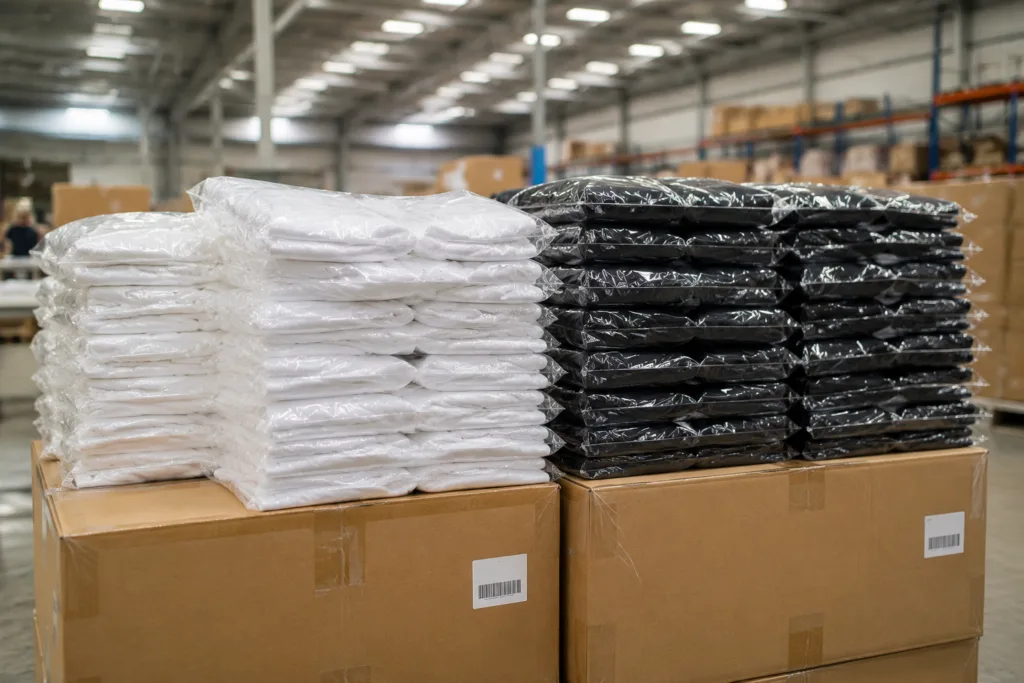
Proper packaging protects tees from moisture, dirt, and crushing. Bulk gym orders are often polybagged by size, then packed in export-grade cartons. Carton labeling with batch and color info keeps inventory organized at arrival. Manufacturers set clear Incoterms (FOB, CIF, etc.) to avoid delivery confusion.
Cost Factors: What Drives Bulk T-Shirt Pricing?
Major pricing drivers include:
- Fabric choice and weight (poly / blends / eco fabrics)
- Order volume per color and fit
- Customization complexity (prints, patterns, embroidery)
- Packing and logistics
- QC intensity and frequency
Balancing quality with budget requires real negotiation. High-volume orders often secure lower-per-piece pricing but may require longer lead times.
Common Pitfalls: Mistakes Gym Brands Make in Bulk Sourcing
- Underestimating MOQ and fit variation needs
- Skipping pre-production samples or fit grading flows
- Overlooking QC checkpoints resulting in mismatched batches
- Choosing fabric options that don’t match end use (e.g., low-wicking for high-sweat users)
Performance Testing: How to Validate Moisture-Wicking and Durability
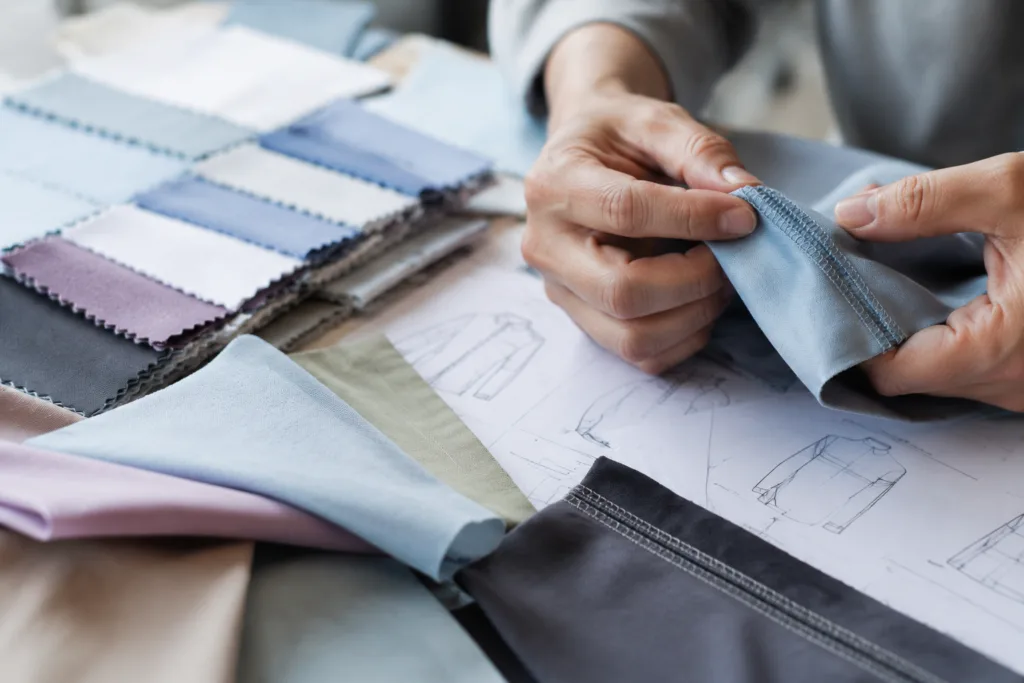
Ask manufacturers for material test reports (GSM, colorfastness, shrinkage). In-house performance tests—such as simulated sweat absorption, washing cycles, and print durability checks—help ensure claims align with real-world use. For gyms and fitness brands, reliable wicking and resistance to repeated laundering are key to maintaining high-quality standards.
Brand Integration: Linking Performance Tees to Your Core Identity
Well-sourced performance tees reinforce brand values—comfort, style, eco leadership, or technical performance. Use consistent logo placement, color palettes, and fit standards across batches. Repeat-buy customers value predictability; branded labeling and curated packaging help complete the professional impression.
Sample Approval: Why First Batch Accuracy Is Essential
Pre-production samples set the benchmark. Approving a batch for color, fit, and finish ensures subsequent orders match expectations. Brands who skip sample approval risk inconsistencies; high-volume buyers should lock in samples for every new fit or colorway.
Bulk vs Repeat Order Management: Keeping Standards Consistent
Scaling up from one-time bulk orders to ongoing repeat purchase cycles means maintaining strong QC and communication. Standard Operating Procedures (SOPs) for order tracking, sample retention, and visual checklist reviews help keep consistency high.
Eco Options: Sourcing Sustainable Performance Tees in Bulk
Eco-friendly materials like recycled polyester and bamboo blends attract socially conscious buyers. Manufacturers must verify supply chain credentials (GRS, OEKO-TEX) and run material consistency checks—especially important for brands making strong sustainability claims.
Logistics: Navigating Freight, Customs, and Delivery Timelines
Bulk shipments typically move by sea or air. Gym and fitness brands should factor in customs paperwork and import tariff rates when budgeting. Clear carton labeling and timely communication prevent delays and misdelivered goods. Choosing reliable logistics partners is worth the investment for consistent order timing.
Sourcing Checklist: What Gym Brands Should Prepare Before Bulk Orders
- Detailed tech pack with fit specs
- Fabric choice confirmation (with swatch approval)
- Artwork for prints/labels/embroidery
- Order volume breakdown by size and color
- QC requirements list
- Packaging preferences
- Logistics instructions (delivery terms, carton labeling)
Industry Insights: How Manufacturer Experience Helps Predictable Orders
Experienced manufacturers like Ninghow prioritize fabric testing, robust sample flows, and detailed QC logs for every order stage. This hands-on approach reduces unexpected hiccups and ensures factory-to-brand communication is both efficient and transparent. Long-term partnerships thrive on clear SOPs and mutual quality standards, not just price negotiation.
Regional Differences: Sourcing from Asia vs Local Suppliers
Asian manufacturers often offer lower prices and larger capacity, but may require longer lead times and higher MOQs. Local suppliers deliver smaller runs with faster speed but at higher cost. Align sourcing choices with business size, target market, and brand ambition—sometimes a mix is optimal.
Comparing Blank White vs Black Tees for Branding
| Aspect | White Blanks | Black Blanks |
|---|---|---|
| Customization | Easy for prints, all colors visible | Best for light prints/embroidery |
| Perceived Value | Brand-neutral, versatile | Premium/urban appeal |
| Bulk Availability | High, standard for promotions | Slightly less common, but rising |
| Wash Durability | May show stains/wear | Hides wear but shows lint |
Planning for Repeatability: How to Ensure Every Batch Matches Your Standards
Repeatability means creating systems—consistent fit specs, batch QC logs, approved samples, and written communication protocols—so every new order matches previous ones. Failure here leads to returns, customer complaints, and lost buyers. Build in checkpoints and document everything; manufacturers who value process help brands scale with less risk.
Using Feedback Loops for Improvement
Ask buyers and distributors for feedback after delivery. Run wear tests, check sizing complaints, and analyze return rates. Integrate findings with your manufacturing partner to refine fit, fabric, and labeling for next orders. Continuous improvement keeps your brand agile.
Case Study: Sourcing Performance Tees for a Growing Gym Brand
A mid-size gym brand started with blank white tees, then moved to custom dri-fit shirts as their membership expanded. They improved quality by switching from wholesale suppliers to a direct manufacturer, requesting fabric GSM tests and running size grading samples. Result: repeat orders delivered consistent fit and branding, leading to higher member satisfaction.
Summary: How to Source Performance T-Shirts in Bulk for Gym and Fitness Brands
Sourcing performance t-shirts in bulk means finding the right balance between fit, fabric, customization, and consistent quality control. Gym and fitness brands who prepare clear tech packs, build trusted manufacturer relationships, and commit to detailed QC at every stage enjoy repeatable results. Start with the basics, adapt as you scale, and always prioritize quality for long-term success.
Frequently Asked Questions
What is the best fabric for performance t-shirts in bulk?
Polyester and polyester blends are preferred for bulk gym shirts, thanks to moisture-wicking, durability, and colorfastness. Cotton-poly blends work for comfort-focused ranges.
How do I ensure fit consistency for large bulk orders?
Use detailed tech packs, run sample fits before production, and approve size grading sheets. Manufacturer feedback and quality checks keep batch sizing reliable.
What MOQ should gym brands expect for bulk performance tees?
Typical minimums start at 300–1000pcs per color or fit for custom orders. Lower MOQs are possible with blanks but often at higher per-piece costs.
How can brands choose between blank and custom performance tees?
Blanks are quick and flexible for promotions, while custom manufacturing offers exclusive designs, proprietary fits, and unique branding—ideal for established gym brands.
How should quality control be managed in bulk apparel sourcing?
QC involves fabric testing, print durability checks, size verification, and sample approvals. Manufacturers should document and share QC processes before every batch.
What impacts delivery timelines for bulk performance t-shirts?
Fabric sourcing, customization complexity, production scheduling, and shipping method all affect lead time. Clear logistics planning minimizes delays and misdelivery risks.