


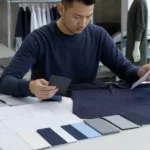


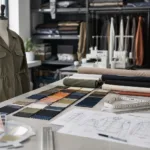


Custom clothing manufacturing gives brands, teams, retailers, and organizations more control over fabric, fit, branding, construction, and order quantities than simply decorating an existing garment. That control also creates more decisions to manage. A lower-risk apparel order starts with a clear end use, a production-ready brief, realistic quantity expectations, approved samples, and measurable quality requirements.
If your project involves training tops, gym uniforms, or performance garments, custom gym apparel manufacturing support can help connect product requirements with fabric selection, fit refinement, decoration, sampling, packaging, and bulk production planning. Ninghow approaches these decisions as a manufacturing project rather than treating customization as an afterthought.
What Custom Clothing Manufacturing Includes—and When It Is the Right Route
Custom clothing manufacturing is the process of developing or adapting garments to meet a buyer’s specifications and then producing them in an agreed quantity. The work can include product concept development, fabric sourcing, pattern making, sample production, logo application, private labels, packaging, bulk sewing, inspection, and shipment preparation.
This route is usually appropriate when an existing catalog garment cannot meet the required fit, fabric performance, brand identity, color system, or construction details. It can also be suitable when a buyer wants repeatable production instead of one-off decoration. The right development path depends on how much control you need and how much product work has already been completed.
| Manufacturing situation | What the buyer controls | When it makes sense |
|---|---|---|
| Existing stock garment customization | Logo, print placement, labels, and sometimes packaging | The base fit and fabric already meet the use case |
| ODM adaptation | Selected design, colors, materials, and custom details | You want a faster route built around an established garment concept |
| OEM development | Design, measurements, materials, construction, trims, and branding | The product needs a distinct specification or technical performance |
| Private label collection | Brand identity, labels, packaging, product range, and often the garment specification | You are building a branded line rather than ordering promotional items |
Key takeaway: The more decisions you want to control, the earlier those decisions must be documented. Customization added late in the process often creates new samples, revised costs, and schedule risk.
Start With the End Use and Price Position

The best garment specification begins with the person who will wear the product and the environment in which it will be used. A heavyweight cotton shirt for retail, a lightweight training top for repeated washing, and a team polo for occasional events should not start from the same fabric or construction assumption.
Define the use scenario before choosing materials
- Identify whether the garment is for everyday retail, workwear, teamwear, fitness, golf, school activity, events, or promotional distribution.
- Estimate how often it will be worn and washed, including whether it will be machine dried.
- Decide whether the priority is softness, airflow, stretch, abrasion resistance, opacity, shape retention, or a balanced combination.
- Set a target price position before selecting premium fabrics, custom trims, complex panels, or multiple decoration methods.
- List the required size range and determine whether the product must serve one body group or several.
Match the garment category to the performance need
| Garment category | Important decisions | Common planning risk |
|---|---|---|
| T-shirt or tank | Fabric weight, neckline recovery, opacity, shrinkage, and print surface | A soft fabric may not provide enough structure for the intended fit |
| Hoodie or sweatshirt | Fleece structure, hood shape, rib recovery, drawcords, and pocket construction | Heavy fabric and many trims can raise both cost and lead time |
| Polo shirt | Collar stability, placket construction, breathable fabric, and embroidery placement | The collar and logo may look correct on one size but unbalanced on others |
| Shorts or pants | Waist construction, pocket security, rise, inseam, mobility, and stretch | Measurements can become inconsistent if grading is not checked across sizes |
| Performance sportswear | Moisture management, stretch recovery, seam comfort, color durability, and decoration compatibility | A decoration method may reduce stretch or affect the fabric’s hand feel |
For garments that must support movement, panel construction and seam placement deserve as much attention as the fabric composition. Buyers developing performance-focused collections can review custom sportswear manufacturing for performance-focused apparel as part of comparing development requirements for active products.
Choose the Development Path: OEM, ODM, Private Label, or Stock Customization
Choosing the right development path prevents a common sourcing problem: asking a supplier for a fully custom product while providing only a logo and a reference photo. A manufacturer can work from different levels of information, but the time, cost, and sample accuracy will vary.
| Path | Buyer usually provides | Advantages | Trade-offs |
|---|---|---|---|
| Stock garment customization | Logo files, placement, colors, and order quantities | Faster development and simpler ordering | Limited control over fit, fabric, and construction |
| ODM | Reference style, target market, color direction, and modifications | Uses an existing development base | The result may remain similar to other available designs |
| OEM | Tech pack, reference sample, measurements, materials, and artwork | Greater control over product details | Requires stronger preparation and more sample decisions |
| Private label | Brand identity, labels, hangtags, packaging, and product specifications | Creates a cohesive branded collection | More components must be coordinated before production |
If your goal is a branded range rather than a single decorated item, private label clothing development for branded collections should be considered early. Labels, hangtags, packaging, size presentation, and repeat-order documentation can affect the product plan just as much as the main fabric.
We recommend that buyers state the desired path in the first inquiry. A clear statement such as stock customization, adapted ODM, full OEM, or private label development helps a manufacturer estimate the right development workload instead of assuming that every project requires the same process.
Create a Production-Ready Brief Before Requesting Prices
A production-ready brief translates an idea into information that different teams can interpret consistently. It does not need to be an elaborate design presentation, but it should remove avoidable ambiguity from measurements, colors, materials, decoration, and packaging.
Include the information a manufacturer needs
- Garment category, intended end use, target customer, and expected retail or project price position.
- Front, back, and detail sketches or clear reference photographs with notes about what must change.
- Measurement chart with points of measure, tolerances, size range, and the preferred fit description.
- Fabric composition, approximate GSM, color references, stretch direction, and finish requirements.
- Seam, pocket, collar, cuff, waistband, zipper, drawcord, button, and reinforcement instructions.
- Artwork files in usable formats, including logo dimensions, placement, colors, and decoration method if known.
- Label, hangtag, folding, polybag, carton, barcode, and shipping-mark requirements.
- Estimated sample quantity, target bulk quantity, size ratio, color count, and required delivery window.
Use reference samples carefully
A reference garment is useful for discussing proportions, fabric hand feel, construction, and fit, but it should not be treated as a complete specification. Record what you like about the reference and what must be different. For example, a buyer may want the neckline shape from one garment, the fabric weight from another, and a longer body length for a specific market.
Artwork should also be separated from general design comments. A logo that looks balanced on a sketch may need size and placement adjustments after it is applied to a real garment. Mark the artwork position from a fixed measurement point so the production team can check it consistently.
How to Choose Fabric for Custom Apparel
Fabric selection affects appearance, comfort, sewing behavior, decoration, price, and care requirements at the same time. Composition alone is not enough. Two fabrics can both be described as cotton or polyester while having different GSM, yarn construction, stretch, surface texture, shrinkage behavior, and color response.
| Fabric factor | What it influences | Buyer question |
|---|---|---|
| Composition | Hand feel, drying behavior, durability, care, and appearance | Does the fiber choice suit the use and expected care routine? |
| GSM | Perceived weight, opacity, drape, warmth, and material cost | Is the requested weight appropriate for the season and garment structure? |
| Stretch and recovery | Mobility, fit comfort, seam stress, and shape retention | Will the garment recover after repeated wear and washing? |
| Surface and hand feel | Print definition, comfort, visual quality, and perceived value | Does the surface support the planned logo or decoration? |
| Color and finish | Shade consistency, sheen, pilling perception, and care outcome | Are color and finish requirements documented with a physical standard? |
Use GSM as a comparison point, not a quality score
Higher GSM generally indicates more material per area, but it does not automatically mean a better garment. A dense lightweight fabric may feel more substantial than a loosely constructed fabric at a similar weight. A buyer should evaluate GSM together with drape, opacity, softness, stretch recovery, and the garment’s intended use.
For a first sample, request a fabric swatch or confirm the exact fabric quality before approving the garment. If the bulk fabric is substituted because the original quality is unavailable, the sample approval may no longer represent the final product. That change should be disclosed and approved rather than treated as a minor material adjustment.
Fit, Sizing, and Pattern Development Require Measurable Decisions
Fit problems are difficult to correct after bulk cutting begins. A good measurement chart defines not only the finished dimensions but also the fit intention, such as slim, regular, relaxed, cropped, oversized, or performance-oriented.
Build a usable size specification
- Choose a base size that represents the main target customer and check it on a suitable fit model or approved reference garment.
- Define points of measure with diagrams or clear descriptions so the buyer and factory measure the same locations.
- Set tolerances for critical dimensions, including chest, body length, shoulder, sleeve length, waist, hip, inseam, and rise.
- Review grading between sizes instead of assuming that one automatic scale will suit every garment category.
- Check movement and balance on the body, not just flat measurements on a table.
- Confirm whether measurements apply before or after washing and whether the product is expected to shrink.
Pattern development also affects fabric consumption. A dropped shoulder, curved hem, large hood, contrast panel, or extended size range can change marker efficiency and material usage. When comparing quotations, ask whether the same pattern assumptions and size ratio were used; otherwise, two prices may not represent equivalent products.
Select Construction, Components, and Packaging Before Bulk Approval
Small components often determine whether a garment feels complete and whether it performs reliably. Ribbing, zippers, elastic, buttons, drawcords, pocket bags, labels, and reinforcement details should be documented rather than left to informal interpretation.
| Component | Specification to confirm | Why it matters |
|---|---|---|
| Seams | Seam type, thread color, stitch density, and reinforcement | Affects comfort, strength, appearance, and production consistency |
| Ribbing and elastic | Composition, width, recovery, color, and attachment method | Controls neckline, cuff, waistband, and long-term fit |
| Zippers and buttons | Size, finish, color, puller style, and functional test | Influences usability and visual consistency |
| Labels | Brand label, size label, care information, position, and attachment | Supports retail presentation and correct product information |
| Packaging | Fold method, polybag, carton quantity, barcode, and shipping marks | Prevents receiving problems and protects finished goods |
Packaging should be planned before production because it can require additional artwork, label approvals, carton testing, and packing instructions. For a multi-style collection, use one packaging standard where practical, but confirm that garment dimensions and labeling requirements do not require exceptions.
Choose the Right Decoration Method for the Garment
Embroidery, screen printing, heat transfer, direct-to-garment printing, and sublimation each behave differently on different fabrics and design sizes. The correct method depends on the artwork, fabric surface, stretch, quantity, wash expectations, and desired hand feel.
| Method | Often suitable for | Important limitation to review |
|---|---|---|
| Embroidery | Polos, caps, jackets, uniforms, and small logos | Dense stitching can add weight or cause puckering on lightweight fabric |
| Screen printing | Bold graphics and larger runs with consistent colors | Each color and placement can add setup complexity |
| Heat transfer | Detailed artwork, names, numbers, and smaller production quantities | Film hand feel, stretch, and wash durability require testing |
| Direct-to-garment | Detailed artwork on suitable cotton-based surfaces | Color appearance and durability depend on fabric preparation |
| Sublimation | All-over or detailed designs on compatible synthetic fabrics | Works best when fabric composition and color method are suitable |
Ask for a decoration strike-off, print test, or applied sample when the logo is important to the order. A digital mock-up can confirm placement but cannot show thickness, texture, edge sharpness, bleed, stretch behavior, or the way a large decoration changes the garment’s drape.
Sampling Before Bulk Production: What to Approve
Sampling is the control point between an idea and a production commitment. It gives the buyer a physical basis for checking fit, color, construction, decoration, labels, and packaging. A sample is not useful if the buyer approves it without recording the changes needed for bulk.
For a structured development project, review the apparel sampling process for approving gym merchandise when planning how design comments, revisions, and approvals should move between the buyer and factory.

Different samples answer different questions
- A development sample checks whether the concept and construction can be made.
- A fit sample checks proportions, measurements, balance, and movement on the intended wearer.
- A size set checks grading and confirms that the approved fit carries across the required size range.
- A pre-production sample checks final fabric, trims, labels, decoration, and construction before bulk cutting.
- A packaging sample checks folding, labeling, bagging, carton presentation, and shipping marks.
| Approval area | What to inspect | What to record |
|---|---|---|
| Fit | Measurements, balance, ease, mobility, and silhouette | Approved measurement chart and revision notes |
| Fabric | Composition, GSM impression, color, hand feel, and shrinkage concern | Fabric quality, color standard, and any test requirement |
| Construction | Seams, hems, pockets, collars, cuffs, and component attachment | Photos, comments, and accepted construction details |
| Decoration | Size, position, color, texture, registration, and stretch behavior | Approved artwork and decoration sample |
| Finishing | Loose threads, pressing, folding, labels, and packaging | Pre-production checklist and packing instructions |
Keep one approved reference sample or a complete digital approval record for production. If changes are agreed through scattered messages, important details can be missed when the order moves from development to cutting and sewing.
MOQ, Cost, and Order Quantity Planning
MOQ is not only a factory policy. It is influenced by fabric availability, dyeing or knitting requirements, color count, trim quantities, artwork setup, size ratio, production efficiency, and the cost of changing lines. A low quantity may be feasible for an available fabric and simple decoration but less practical for a custom-dyed fabric with several colors.
For early-stage brands or small studio orders, low MOQ production options for initial studio orders can be evaluated alongside fabric availability, sample cost, and the likelihood of repeat orders. A lower initial quantity does not remove the need to approve materials and specifications carefully.
| Cost driver | How it can change the quotation | Planning response |
|---|---|---|
| Fabric | Custom colors, special finishes, small lots, and higher material usage can increase cost | Confirm stock fabric alternatives and minimum material quantities |
| Colors | Each color may require separate material planning and quality approval | Reduce unnecessary colors or group colors by fabric availability |
| Sizes | Extended sizes and uneven size ratios can affect consumption and grading | Provide a realistic size ratio before final pricing |
| Decoration | Multiple placements, colors, names, numbers, or methods add setup and labor | Separate essential branding from optional decoration upgrades |
| Trims and packaging | Custom labels, hangtags, bags, and cartons can have their own minimums | Confirm component quantities and whether standard options are acceptable |
Plan quantity in layers
- Set the minimum commercially useful order that covers the first launch or team requirement.
- Estimate the size and color ratio rather than requesting only a total unit number.
- Separate sellable bulk units from samples, testing units, replacements, and promotional units.
- Compare the cost difference between a small initial run and a more efficient repeatable quantity.
- Ask what happens to leftover fabric or trims if the order is reduced after materials are booked.
Build a Realistic Production Timeline
A production schedule should include more than sewing days. Development comments, material confirmation, artwork approval, trim purchasing, sample revisions, bulk inspection, packing, and shipping all influence the delivery date.
| Stage | Typical work involved | Buyer action that prevents delay |
|---|---|---|
| Brief and quotation | Review specifications, quantities, materials, and target price | Send complete information and identify non-negotiable requirements |
| Development | Pattern work, fabric review, artwork preparation, and first sample | Consolidate comments instead of sending conflicting revisions |
| Material booking | Reserve or produce fabric, labels, trims, and packaging | Approve colors and components before booking deadlines |
| Pre-production | Final sample, size review, decoration approval, and production planning | Issue one written approval package |
| Bulk production | Cutting, sewing, decoration, finishing, and inline checks | Remain available for questions about approved specifications |
| Inspection and shipping | Final checks, packing, documentation, and dispatch | Confirm inspection standard, carton details, and delivery instructions |
Build contingency around material delays and revision cycles rather than assuming every stage will proceed without questions. If the garments are tied to a launch, tournament, school term, event, or retail delivery window, communicate the true deadline and the latest acceptable arrival date separately.
Quality Control Checkpoints for Custom Clothing
Quality control is strongest when requirements are checked throughout production rather than only at the end. A practical plan may include incoming fabric review, first-piece approval, inline inspection, decoration checks, measurement checks, finishing inspection, and final packing verification.
Instead of using vague requirements such as colorfast, durable, or wash resistant, state the property to be checked and the acceptance criteria. Buyers can refer to recognized textile colorfastness and laundering test methods when deciding which textile performance categories should be tested or documented for the product.
| Checkpoint | What to verify | Why it reduces risk |
|---|---|---|
| Fabric and color | Quality, shade, width, GSM expectation, defects, and lot consistency | Prevents unsuitable material from reaching cutting |
| First-piece production | Construction, measurements, seam appearance, and component placement | Finds interpretation errors before many units are made |
| Decoration | Artwork position, size, color, adhesion, embroidery density, and surface effect | Protects brand presentation and reduces rework |
| Measurements | Critical points of measure across sizes and tolerance compliance | Improves size consistency and customer fit experience |
| Appearance | Loose threads, stains, puckering, skipped stitches, pressing, and symmetry | Separates production defects from acceptable variation |
| Packaging | Labels, folding, bags, barcodes, carton count, and shipping marks | Reduces warehouse receiving and distribution problems |
Agree in advance how defects, measurement deviations, missing components, and replacement units will be handled. A written quality standard is more useful than relying on different people to interpret the approved sample from memory.
How to Evaluate a Custom Clothing Manufacturer
Evaluate a manufacturer by matching its capabilities to your product, not by comparing a single unit price. A supplier that regularly makes basic T-shirts may not be the right fit for complex outerwear, compression garments, technical panels, or a collection with demanding trims.
From our manufacturing perspective, a useful supplier review asks whether the factory can manage the full chain from materials and pattern development through sampling, bulk production, inspection, and packing. Buyers can learn more about Ninghow when comparing apparel development and production support for branded and bulk orders.
| Evaluation area | Questions to ask | Evidence to request |
|---|---|---|
| Product capability | Has the manufacturer produced similar garment categories and construction details? | Relevant sample discussion, process explanation, or product references |
| Development process | Who handles patterns, samples, artwork, and revisions? | Sample stages, approval workflow, and revision responsibilities |
| Material control | How are fabric lots, color standards, and trims confirmed? | Material specification and approval records |
| Communication | Can questions be consolidated and answered with clear production information? | Quotation detail, timeline, and written specification format |
| Quality system | What is checked before, during, and after production? | Inspection checkpoints and defect-handling process |
| Scalability | Can the supplier support a small test order and a later repeat order? | MOQ logic, capacity discussion, and repeat-order documentation |
Ask for a quotation that separates development, sample, material, decoration, packaging, and bulk production costs where possible. This makes it easier to compare proposals and understand whether a low price excludes an important requirement.
Common Custom Apparel Ordering Mistakes
Most avoidable problems come from unclear decisions rather than from one isolated production error. The following mistakes are especially common when buyers move quickly from a concept image to a bulk request.
- Requesting a price without a measurement chart, fabric direction, size ratio, or decoration placement.
- Approving a sample visually without measuring critical points or testing movement and wash behavior.
- Changing fabric, color, logo size, or trims after the pre-production sample has been approved.
- Assuming a lower GSM automatically means lower cost or that a higher GSM automatically means better quality.
- Using a reference garment as a complete specification without identifying the parts that must be changed.
- Adding many colors and sizes without checking fabric minimums, trim minimums, and production efficiency.
- Leaving labels, hangtags, packaging, and carton information until the end of the order.
- Comparing supplier quotations that use different fabric qualities, quantities, size ratios, or inspection scopes.
- Setting a delivery date based only on sewing time and ignoring sample revisions, material booking, and shipping.
Prevent these issues by maintaining one current approval package. It should contain the final specification, approved artwork, measurement chart, material details, component list, packing instructions, and a record of open questions.
Custom Clothing Manufacturing Readiness Checklist
Before approving a bulk order, use the following checklist to confirm that the project is ready for production rather than merely ready for discussion.
- The garment category, end use, target wearer, and price position are defined.
- The development route is selected: stock customization, ODM, OEM, or private label.
- The fabric composition, GSM target, color, hand feel, stretch, and care expectations are documented.
- The measurement chart includes points of measure, size range, grading, and tolerances.
- Construction details cover seams, hems, collars, cuffs, pockets, closures, and reinforcement.
- Artwork is approved for dimensions, colors, placement, and decoration method.
- Labels, hangtags, packaging, barcodes, folding, and carton marks are confirmed.
- The final sample or pre-production approval represents the intended bulk materials and decoration.
- MOQ, color breakdown, size ratio, unit price, payment terms, and material responsibilities are clear.
- The production timeline includes approvals, material booking, bulk work, inspection, and shipping.
- Quality checkpoints and acceptance criteria are written down.
- The buyer has one person responsible for consolidated approvals and fast production questions.
Key takeaway: A buyer is production-ready when the factory can make the same interpretation without needing to guess about fit, fabric, branding, quantity, or acceptance standards.
How to Request a Quote That Produces a Comparable Proposal
A useful quote request is specific enough to price but open enough to identify practical alternatives. Include the target quantity, number of colors, size range, fabric direction, decoration, packaging, delivery destination, and desired timeline. If you have a target price, state whether it includes packaging, sampling, inspection, and shipping.
Ask for answers in comparable categories
- Unit price by quantity tier and color or size assumptions.
- Sample cost, sample lead time, and the number of included revisions.
- MOQ by style, color, fabric, and decoration method.
- Fabric composition, GSM range, available stock qualities, and material lead time.
- Decoration setup costs, production pricing, and any limitations related to stretch or fabric color.
- Labels, hangtags, packaging, cartons, and any minimum quantities for custom components.
- Bulk production lead time after final approval and the events that start the lead-time clock.
- Quality inspection scope, tolerance assumptions, replacement policy, and documentation provided.
When a supplier proposes an alternative, ask which requirement is changing. A lower-cost option may use a different fabric, simpler construction, standard packaging, fewer decoration placements, or a different quantity assumption. Understanding the trade-off lets you protect the product’s essential features while treating optional upgrades as a deliberate choice.
How to Make Custom Clothing Manufacturing Decisions With Less Risk

Successful custom clothing manufacturing is less about adding the most features and more about making the important features measurable. Define the end use, choose a development path, document fabric and fit, approve the decoration on the real garment, and plan quantity around materials and repeat potential.
We find that the strongest buyer-manufacturer relationships are built through clear specifications and timely decisions. When the brief, sample comments, quality checkpoints, and packaging instructions are aligned, the production team can focus on consistency instead of interpreting changing requirements. That approach supports a more predictable first order and a stronger foundation for future repeats.
Buyer Questions About Custom Clothing Manufacturing
What is custom clothing manufacturing?
Custom clothing manufacturing is the development and production of garments made to a buyer’s specifications for fabric, fit, construction, branding, quantity, and packaging. It can range from customizing an existing garment to creating a fully specified OEM or private label product.
What should a buyer provide before requesting a quote?
A buyer should provide the garment category, end use, sketches or reference samples, measurements, fabric direction, colors, artwork, size range, quantity, decoration, packaging needs, delivery destination, and target timeline. The more clearly these inputs are separated into required and optional details, the more comparable the quotation will be.
How many samples should be approved before bulk production?
The required sample count depends on product complexity, but buyers should normally approve the fit, final materials, decoration, size grading, and pre-production details before bulk cutting. A size set or pre-production sample becomes especially useful when the order includes several sizes, custom trims, or performance fabrics.
Can a small brand use a low MOQ production plan?
A small brand may be able to use a low MOQ plan when the fabric, colors, trims, decoration, and production method support a smaller run. The buyer should confirm whether the MOQ applies per style, color, fabric, or total order and should compare the initial unit cost with the likely efficiency of a later repeat order.
How does fabric choice affect custom apparel cost?
Fabric choice affects cost through composition, GSM, construction, finish, availability, color requirements, minimum material quantities, and fabric consumption from the pattern. A practical comparison should also consider fit, comfort, durability, decoration compatibility, and care requirements rather than comparing GSM or fiber content alone.
What quality checks should be completed before shipment?
Before shipment, buyers should verify fabric and color consistency, measurements, construction, decoration, appearance, labels, packaging, carton quantities, and shipping marks. The inspection plan should use the approved sample and written tolerances so that acceptance decisions are consistent across the order.