
Introduction: Why Choose a Custom Gym Clothing Manufacturer?
The activewear market is booming, but standing out requires more than a logo on a blank T-shirt. For apparel brands, building an original line means partnering with a custom gym clothing manufacturer who can translate your concept into quality athletic garments. This process, from idea to bulk production, involves careful steps—each critical for design, fit, performance, and final delivery. If you’re considering moving from imagination to tangible product, understanding the full B2B production flow is essential.
For readers comparing manufacturing options or planning the next step in sourcing custom gym clothing, a useful next step is to explore our more focused overview of custom gym clothing manufacturers. There, you’ll find details on category scope, production capabilities, customization options, and what sets Ninghow apart as a direct factory resource for brands developing their own lines.
Understanding the Custom Gym Clothing Development Journey
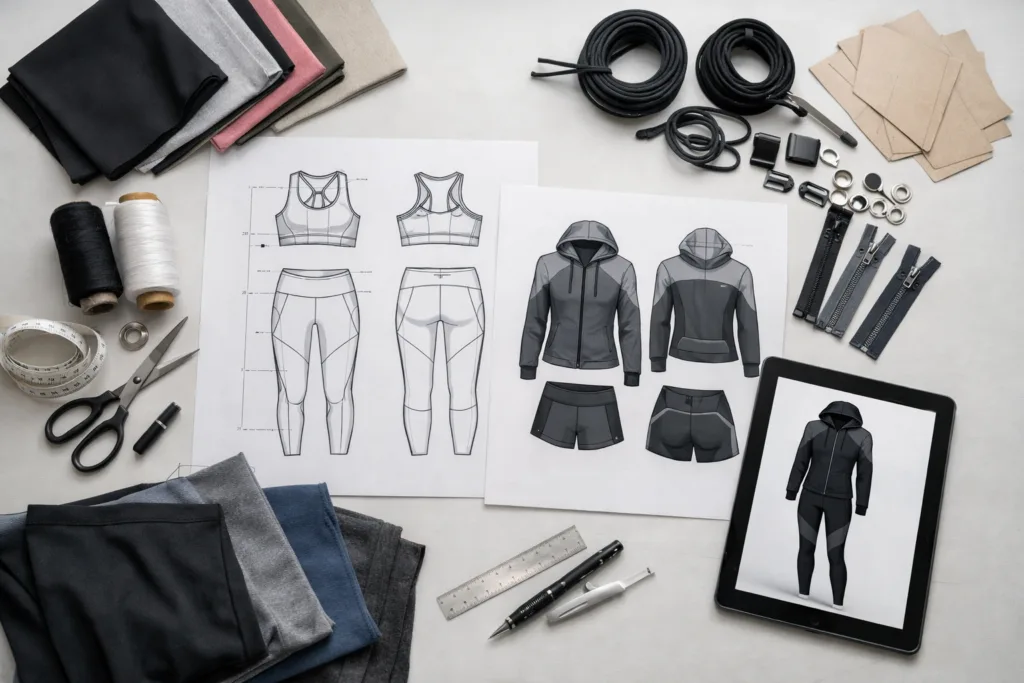
Launching custom gym apparel isn’t just about picking colors and logos. It’s a collaborative workflow involving your design team and your manufacturer’s experts. Here’s what brand owners and sourcing managers can expect, step by step.
Who Needs Custom vs. Ready-Made Apparel?
Custom gym clothing is for brands who want unique fits, fabrics, colors, and performance details—not just generic wholesale blanks. This approach suits labels looking to elevate their brand with signature looks or specialized athletic features.
What Makes a Reliable Custom Gym Clothing Manufacturer?
Beyond machinery and sewing lines, a real manufacturing partner guides you through technical planning, offers fabric suggestions, manages prototyping, and delivers consistent quality in bulk.
Designing Your Custom Gym Collection
Creating Your Design Brief
Everything starts with a clear design brief. This outlines garment types, target users, inspiration images, color stories, branding elements, and performance goals.
Translating Vision into Tech Packs
A tech pack bridges your ideas and factory execution. It contains flat sketches, measurements, fabric/trim specs, colorways, labels, and finishing details. The more detailed your tech pack, the less confusion and rework later.
Custom Features: What’s Possible?
- Unique fits (slim, relaxed, compression, etc.)
- High-performance fabrics (moisture wicking, recycled, stretch blends)
- Custom dye/print options (all-over prints, cut panels, sublimation)
- Special trims (reflective, branded zippers, rubberized tags)
- Custom packaging and labeling
Material Selection: Choosing the Right Fabrics and Trims
Performance Fabrics for Activewear
The fabric makes or breaks a gym garment’s comfort and function. Options range from recycled polyester, spandex blends, and technical knits to organic cotton. Working with a manufacturer familiar with athletic textiles matters for durability, recovery, and breathability.
Considerations When Selecting Trims and Accessories
Zippers, elastics, logos, care labels, and even thread can affect performance and longevity. Provide as much detail as possible when specifying these elements.
The Sampling Stage: Bringing Designs to Life
First Samples vs. Production Samples
Initial samples show what your garments look and feel like. Expect tweaks to fit, stitching, artwork placement, and materials. Once satisfied, a production sample locks in the “gold standard” for bulk manufacturing.
Managing Fit and Sizing Approvals
Fit samples help you test on real people. Adjustments at this stage prevent costly errors later. It’s normal for brands to revise 1–2 times before final sign-off.
Costing and Bulk Order Planning
How Manufacturers Calculate Price
Pricing depends on fabric quality, trims, design complexity, printing technique, stitching, order volume, and packaging. Custom garments cost more upfront than generic stock, but enable higher retail value and brand loyalty.
MOQ (Minimum Order Quantity) Expectations
Most custom gym clothing manufacturers set MOQs by style and color. Lower MOQs increase per-piece cost, but reduce overstock risk for new brands.
Bulk Production: Step-by-Step
Marking and Grading for Size Runs
Patterns are digitized and graded into all required sizes, ensuring proper fit and efficient fabric usage during cutting.
Cutting, Sewing, and Embellishment
Bulk cutting uses markers to minimize waste. Sewing lines handle assembly, and special sections manage printing, embroidery, or bonded seams as needed.
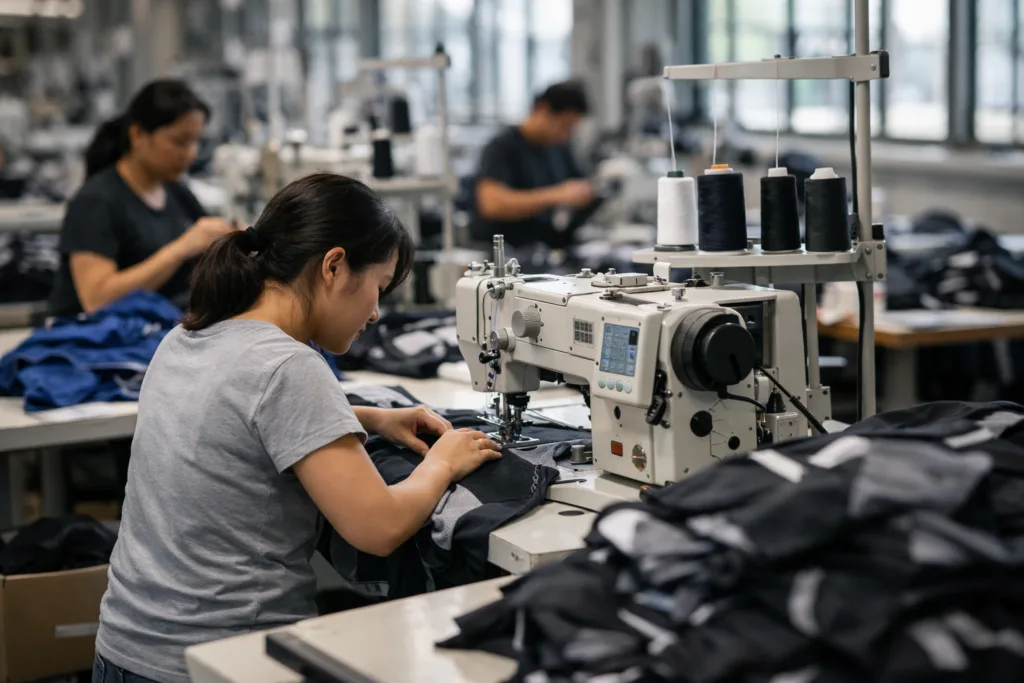
Inline and Final Quality Control
QC teams check for seam integrity, accurate sizing, clean trims, and colorfastness. Reliable manufacturers document and correct any faults before shipping.
Packing, Shipping, and Delivery
Custom Packaging and Brand Labels
Private label clients specify hangtags, bags, or boxes. Clear communication ensures your brand standards arrive intact at distribution.
Global Freight: Options and Lead Times
Most gym wear is shipped FOB by sea or air. Lead times vary by factory schedule and order size—typically 30–60 days for repeat styles.
Key Mistakes to Avoid in Custom Gym Clothing Production
- Insufficient detail in tech packs or sample feedback
- Underestimating sample timelines
- Changing designs after bulk has started
- Ignoring packaging requirements until the end
- Not verifying size spec and fit on a real person
Ninghow’s Practical Manufacturing Insights
From a manufacturer’s viewpoint, the most successful custom gym projects always begin with open technical communication. At Ninghow, we encourage clients to share physical references or retail samples for fit comparisons. It’s better to address fit tolerances and print limitations during sampling, rather than delay approvals. This approach helps all parties minimize delays and surprises as styles scale up for bulk production.
How to Select the Right Custom Gym Clothing Partner
Look for factories with a track record producing custom performance garments—not just fashion basics. Strong candidates share transparent timelines, offer clear pre-production samples, support flexible MOQs, and proactively manage quality and logistics. For more about common sourcing pitfalls, consider navigating private label gym clothing or review our guide to choosing the right gym clothing manufacturer.
Packing and Branding Considerations
Private Labeling and Retail Presentation
Many brands need custom hang tags, woven labels, branded polybags, and carton labeling. These details strengthen your professional image at retail and during unboxing experiences. Decide packaging specs early and confirm samples before bulk production ramps up.
Final Pre-Shipment QC: Importance and Best Practices
Before shipment, final inspections compare finished garments against your approved production sample. Inspect packing, labeling, and carton standards. Reliable manufacturers welcome third-party or brand QC visits as well.
Understanding Lead Times and Supply Chain Factors
How Are Lead Times Determined?
Lead times depend on order complexity, sampling rounds, fabric source timing, and current production schedules. Confirm expected timelines—and any potential delays—early in the planning stage.
Managing Communication with Your Custom Gym Clothing Manufacturer
Best Practices for Smooth Communication
- Centralize all approvals and design files in one place
- Use annotated photos or videos for sample feedback
- Assign a single point of contact to handle updates and questions
Custom Gym Clothing Manufacturer: From Idea to Bulk Production
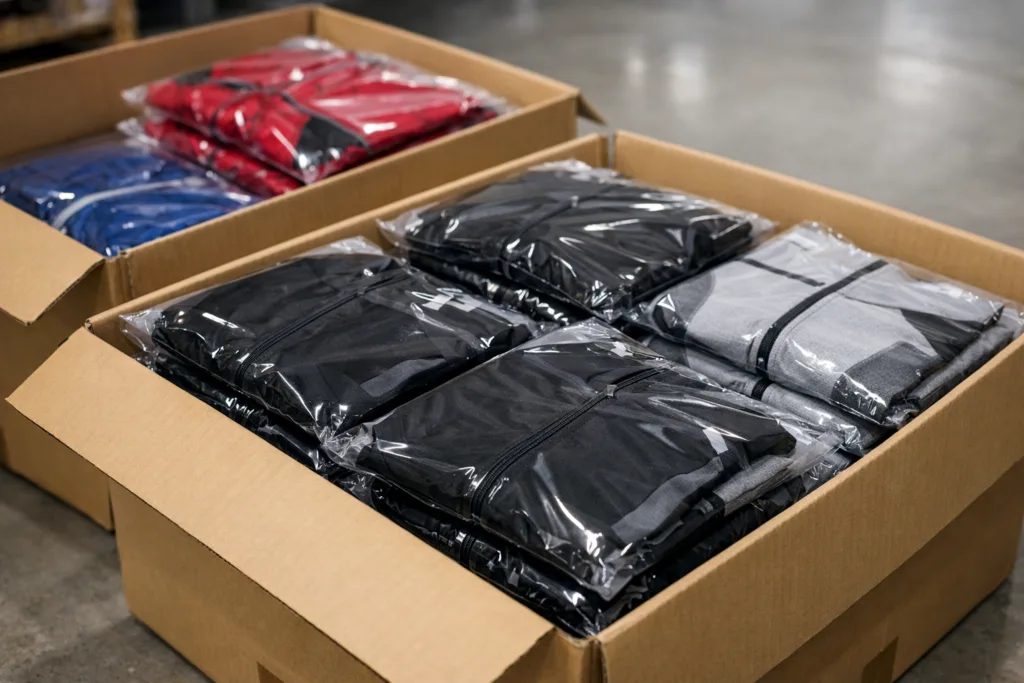
Choosing the right custom gym clothing manufacturer sets your vision in motion. By following each step—from collaborative tech packs and careful sampling to delivery of finished, retail-ready garments—you maintain control over brand integrity and performance. Investing in the process pays off with garments that support your unique market position and keep your customers coming back.
Frequently Asked Questions
How do I start the custom activewear process?
Begin with a clear design brief and reference images. Share your target specs and intended consumer. A manufacturer will then help you create tech packs and plan next steps.
What is a tech pack, and why is it important?
A tech pack is a set of detailed documents showing all measurements, materials, trims, art, and finishing instructions. It ensures your vision is translated accurately in the sampling and bulk production stages.
How many samples should I approve before bulk?
Most brands require one prototype and at least one corrected pre-production sample. Approving a “gold” production sample avoids costly mistakes and ensures quality in the full order.
What is a typical MOQ for custom gym clothing?
MOQs vary greatly, but 200–500 pieces per style is common. Discuss the exact requirements early to match your production volume and budget.
How long does custom activewear manufacturing take?
Sampling usually takes 3–5 weeks, and bulk production is typically 30–60 days after sample approval, depending on complexity and order size.
Can I customize fabrics and trims for my line?
Yes. Most custom manufacturers offer a wide range of fabrics, trims, and customization details. Be as specific as possible in your requests and confirm with samples.
Related Reading
- Guide to overcoming common pitfalls in bulk teamwear production
- Process insight: understanding fabric-to-finished garment manufacturing
- The importance of samples in custom team clothing
- Benefits of full-package manufacturing for sports apparel
- An introduction to quality control in team clothing manufacturing