






Introduction: The Global Challenge of Gym Apparel Size Grading
Supplying gym clothing to international markets is more than just stitching fabrics—it’s about ensuring every piece fits as perfectly in Paris as it does in Sydney or New York. At Ninghow, we recognize that size grading is a pivotal part of gym clothing manufacturing. Brands selling worldwide must address how sizing standards, body types, and grading rules vary to keep return rates low and customer reviews positive. This article explores the workflow and challenges manufacturers face, and how practical grading impacts global performance.
For readers comparing manufacturing options or considering custom gym apparel development, a useful next step is to explore how Ninghow approaches category production and factory capabilities. It also helps to review how manufacturers present this category on gym clothing manufacturers—especially if you’re planning international distribution or want to refine size grading, customization, and MOQ for your brand.
Why Size Grading Matters in Gym Clothing Manufacturing

Size grading—adjusting base patterns for different sizes—is critical for apparel brands targeting global markets. An accurate grading process means garments offer true-to-life fit, minimize returns, and build brand loyalty. Variations in grading affect comfort, athletic performance, and the way your customers feel in their gym wear.
Understanding International Size Standards for Gym Clothing
Gym clothing manufacturers must navigate a maze of sizing standards. US, EU, UK, Australia, and Asian markets each define “medium,” “large,” and other sizes differently—both for men and women. For example, a US women’s medium is typically a UK size 12, but may equate to an EU 40 or Asian L. These differences often stem from average body measurements, fit preferences, and cultural expectations, making standardized grading a challenge for global brands.
Popular Gym Apparel Categories and Their Grading Complexity
- Men’s workout shirts
- Women’s sports bras and leggings
- Performance shorts
- Jackets and hoodies
- Tights and capris
Each category has its unique grading demands. For instance, leggings require precise waist and hip grading, while performance tees demand shoulder and sleeve accuracy.
Size Chart Differences in Key Global Markets
| Market | Women’s Medium | Men’s Medium |
|---|---|---|
| US | Bust 36″ | Chest 38″ |
| UK | Bust 38″ | Chest 39″ |
| EU | Bust 92cm | Chest 98cm |
| Australia | Bust 90cm | Chest 97cm |
| Asia | Bust 88cm | Chest 95cm |
As shown, measurements shift for similar size labels, highlighting the need for international grading expertise.
How Grading Tables Are Developed by Gym Clothing Manufacturers
Gym clothing manufacturers develop grading tables using sample measurements, customer feedback, fit model feedback, and regional sizing data. These tables map out increments for bust, waist, hips, inseam, and sleeve length. Brands may also request custom grading rules to match their target market profiles.
From Base Patterns to Multisize Production: The Grading Workflow
The grading process starts with a base pattern—often created for a “medium” size. Manufacturers then apply size increments based on grading tables, adjusting each dimension to scale garments correctly. Digital tools, such as CAD, streamline this process, ensuring precision and repeatability.
Impact of Grading Decisions on Fit, Return Rates, and Brand Reputation
Poor grading leads to ill-fitting garments, increased returns, and negative customer reviews. Brands selling globally must align their grading with the intended markets—not just rely on generic sizing. Manufacturers flag inconsistencies early to prevent costly errors before mass production.
Private Label Activewear: Customization Versus Standard Grading
Private label activewear brands often request bespoke grading to match their desired fit—regular, slim, or oversized. Sometimes, the challenge is balancing aesthetics with the functional needs of gym-goers, who may prefer more mobility or compression in certain pieces.
Wholesale Women’s Sportswear and Size Grading Strategies
Wholesale women’s sportswear buyers typically require broad grading ranges (e.g., XS–XXL) to cover diverse customer bases. Manufacturers must scale patterns smoothly, especially for technical items like sports bras, where grading affects support and comfort.
Men’s Workout Shirts: Grading for Body Shape Diversity
Men’s workout shirts must accommodate athletic builds, lean frames, and size outliers. Well-executed grading ensures shirts fit the chest and shoulders without excessive bagginess at the waist—the difference between gym-ready and ill-fitting.
Common Grading Pitfalls and How Manufacturers Avoid Them
- Over-grading: Adding too much increment, resulting in shapeless garments
- Under-grading: Minimal increments, leading to tight, uncomfortable fits
- Ignoring local sizing feedback
- Using outdated base patterns
- Failing to adjust for fabric stretch or shrinkage
Experienced manufacturers, including Ninghow, routinely adjust patterns based on real production feedback, fit trial results, and seasonal changes in fabric sources.
The Role of Fit Models in Grading Decisions
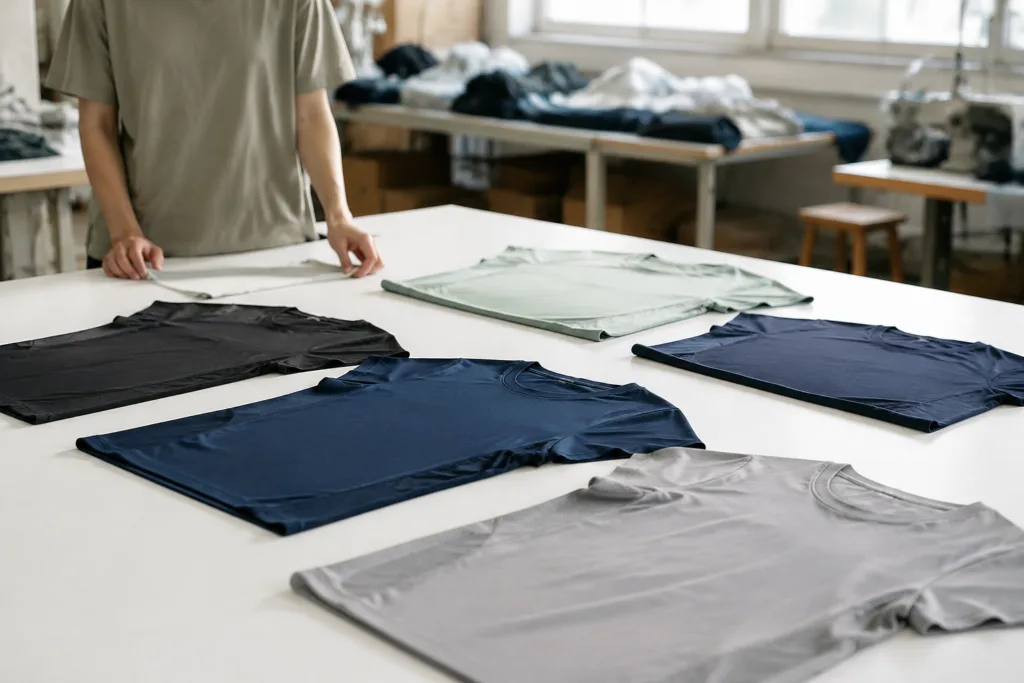
Fit models are used to test sample garments across all sizes. Their feedback helps spot grading errors and ensures patterns align with target market body types.
Why Customer Return Rates Are a Grading KPI
Customer returns often stem from sizing and grading issues. Lower return rates indicate successful grading, while frequent returns signal the need for grading review and pattern correction.
Reviewing Customer Feedback for Grading Adjustments
Manufacturers and brands monitor reviews and direct customer feedback on fit and comfort. Negative comments are flagged and communicated back to pattern teams for future grading adjustments.
Comparing Manual Versus Digital Grading Methods
| Method | Accuracy | Speed | Best Use |
|---|---|---|---|
| Manual | Variable | Slow | Small batch, custom fit |
| Digital (CAD) | High | Fast | Bulk production, global grading |
How Fabric Choice Influences Size Grading Rules
Different fabrics—cotton, polyester, blends, and performance textiles—impact stretch, shrinkage, and overall fit. Grading must compensate for these properties to ensure post-wash consistency and athletic performance. Understanding the importance of fabric GSM is crucial for accurate grading decisions and predicting fit outcomes.
MOQ and Grading: Balancing Customization with Production Constraints
Minimum Order Quantity (MOQ) requirements may limit the number of graded sizes factories can offer, especially for smaller brands or startups. Manufacturers often recommend core size runs with optional mid-point sizes for regional markets.
Case Study: Successful International Grading for Gym Clothing Brands
One brand, aiming for US and EU distribution, partnered with Ninghow to design an activewear line using regionally tailored grading tables. This strategy reduced European returns by 23% and improved US fit satisfaction ratings significantly.
Sourcing Decisions: Why Grading Should Drive Supplier Selection
When choosing a private label manufacturer, review their grading capabilities, sample process, and experience with international markets. A supplier with robust grading expertise can help you scale confidently across regions.
Ninghow’s Approach to Size Grading in Gym Clothing Manufacturing
At Ninghow, we blend digital grading, fit model feedback, and market research to ensure international size accuracy. Our workflow includes pattern revision cycles, test sampling, and ongoing communication with clients to refine size charts for each launch.
How Brands Can Actively Improve Grading Outcomes
- Gather regional body measurements from sales and returns
- Request market-specific sample runs
- Regularly update grading tables based on new data
- Collaborate with manufacturers for fit testing
- Communicate clear grading targets in tech packs
Future Trends: AI and 3D Modeling for Global Grading
AI and 3D body scanning are emerging in gym clothing manufacturing, enabling smarter grading decisions, faster prototyping, and reduced returns. Brands embracing these technologies can expect even greater fit consistency across markets.
Key Takeaways for Gym Clothing Brands Manufacturing Internationally
- Invest in precise grading tables for each market
- Use digital tools and fit models for verification
- Monitor return rates and customer feedback
- Adjust grading rules as needed to optimize fit
- Partner with experienced manufacturers familiar with global standards
How Gym Clothing Manufacturers Handle Size Grading for Global Markets
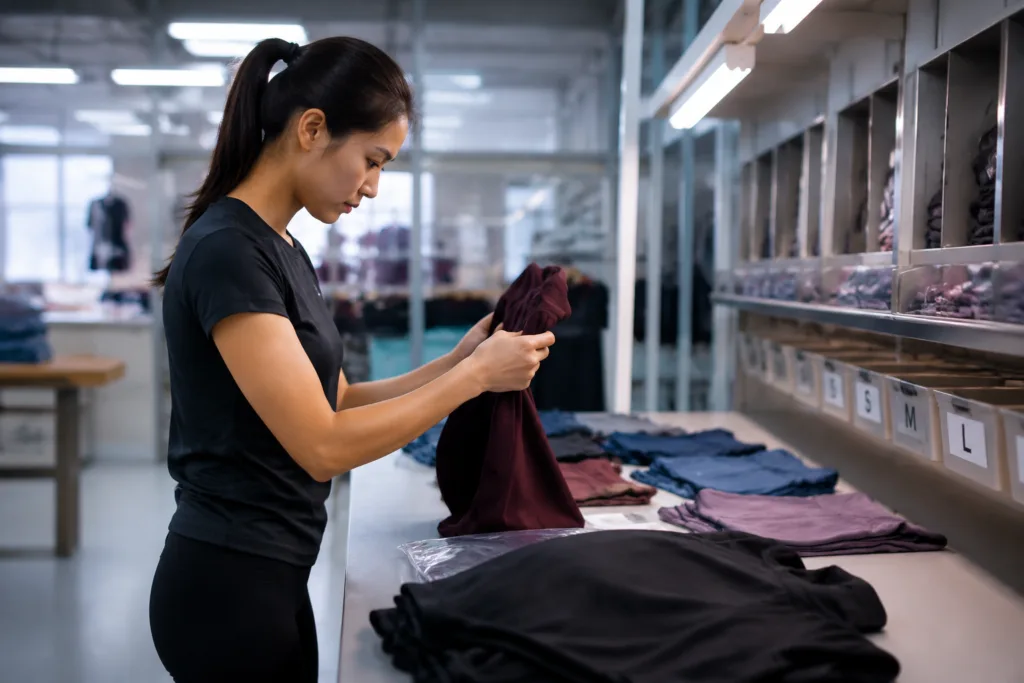
Manufacturers serving international gym clothing markets must balance technical grading, market fit expectations, and fabric decisions. By leveraging skilled pattern teams, digital grading, and real-world feedback, factories help brands deliver superior fit, reduce returns, and foster positive customer reviews worldwide. Grading is not just a technical step—it’s a strategic lever for brand success.
Frequently Asked Questions
How do manufacturers determine size charts for different markets?
Manufacturers blend regional sizing data, fit model feedback, and customer insight to develop market-specific size charts, refining them over time for accuracy.
Why is size grading more complex for gym clothing compared to casual wear?
Gym clothing requires performance fit, mobility, and comfort, so grading must account for fabric stretch, athletic body types, and active movement, making it more technical.
Can brands request custom grading rules from manufacturers?
Yes, brands can provide bespoke grading tables or request sizing adjustments based on their target customer profiles or specific regional preferences.
What happens if grading errors are discovered after production?
Depending on the error’s scope, manufacturers may offer pattern corrections, replace defective items, or help brands revise future orders to prevent repeat issues.
How does fabric selection affect grading decisions?
Fabrics with varying stretch, shrinkage, or weight impact grading increments. Manufacturers adjust size tables to ensure post-production garments match intended fit.
What role does customer feedback play in grading improvements?
Feedback from reviews and returns is analyzed by manufacturers and brands to identify grading issues and optimize future size charts for better fit and satisfaction.