
Introduction: Connecting Brand Vision to Manufacturing Reality
Launching a gym clothing brand is about more than design – it’s a practical journey where your vision intersects with production, quality, and the reliability of your manufacturing partner. As a gym apparel founder, success starts when you transform your creative ideas into tangible, market-ready products with the right support from experienced manufacturers. Every step, from niche positioning to first samples, shapes how your brand is perceived and delivered.
For readers comparing manufacturing options, a useful next step is to review finding the right gym clothing manufacturer. This dedicated Ninghow category page provides a focused view of custom gym clothing production capabilities, customization choices, and factory positioning. It helps founders, buyers, and sourcing teams align their product vision with practical manufacturing realities and is recommended for those planning future sourcing steps for gym apparel collections.
Understanding the Fitness Apparel Market Landscape
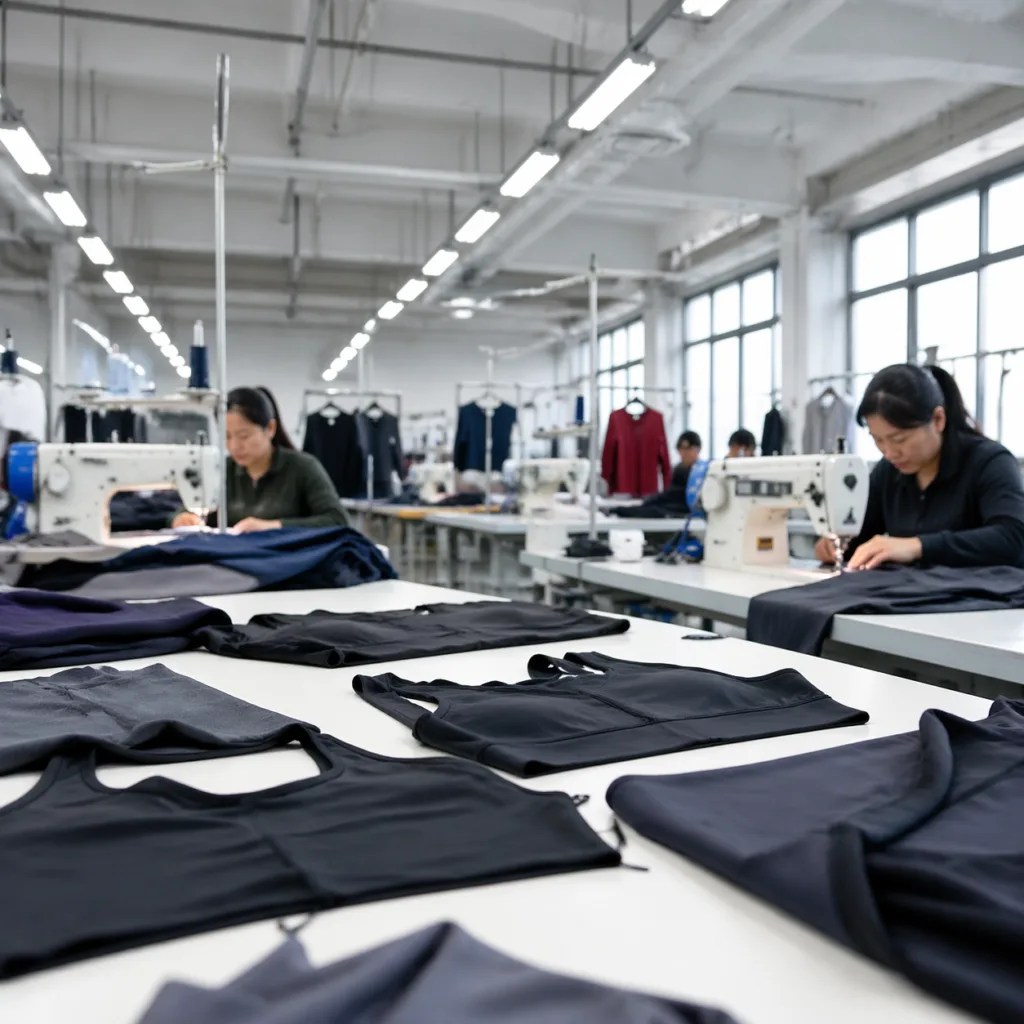
The fitness apparel industry is rapidly evolving, driven by trends toward active lifestyles, innovation in performance fabrics, and a growing demand for both style and functionality. Founders need to understand how market dynamics shape opportunities. Start by analyzing competitors, noting how established brands position themselves, and evaluating gaps where you might offer something uniquely valuable.
Identifying Niche Opportunities in Gym Clothing
Niche positioning is crucial for gym clothing startups. Whether it’s sustainable materials, high-performance leggings, or mens athleisure, carving out a focused space helps your brand stand out. Dive deep into market segments: consider yogawear, HIIT gear, running clothes manufacturers, or specialty plus-size fitness collections. Look for underserved demographics, style preferences, or technical needs.
Startup Intent: Setting Clear Brand Goals
Define your brand’s mission, values, and target customer before production starts. Do you want to create bold street-inspired gym wear, eco-friendly workout clothes, or classic technical gear? Your manufacturer will need a clear brief reflecting these choices to deliver results that align with your vision.
Planning Your First Gym Clothing Collection
The first collection is your brand’s introduction to the market. Select 3–8 styles that define your positioning: think high-waisted leggings, seamless sports bras, moisture-wicking tees, or functional shorts. Focused assortments control initial risk and help test customer response before scaling up.
Balancing Design Creativity and Manufacturing Feasibility
Some design features demand special fabrics or advanced construction. Work with your manufacturer to confirm what’s feasible at your target price points. Start with proven silhouettes and fabrics, then experiment with unique trims, branding, or fit details as your confidence grows.
Prototyping and Sampling: Where Vision Meets Reality
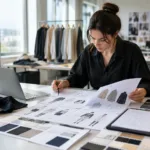
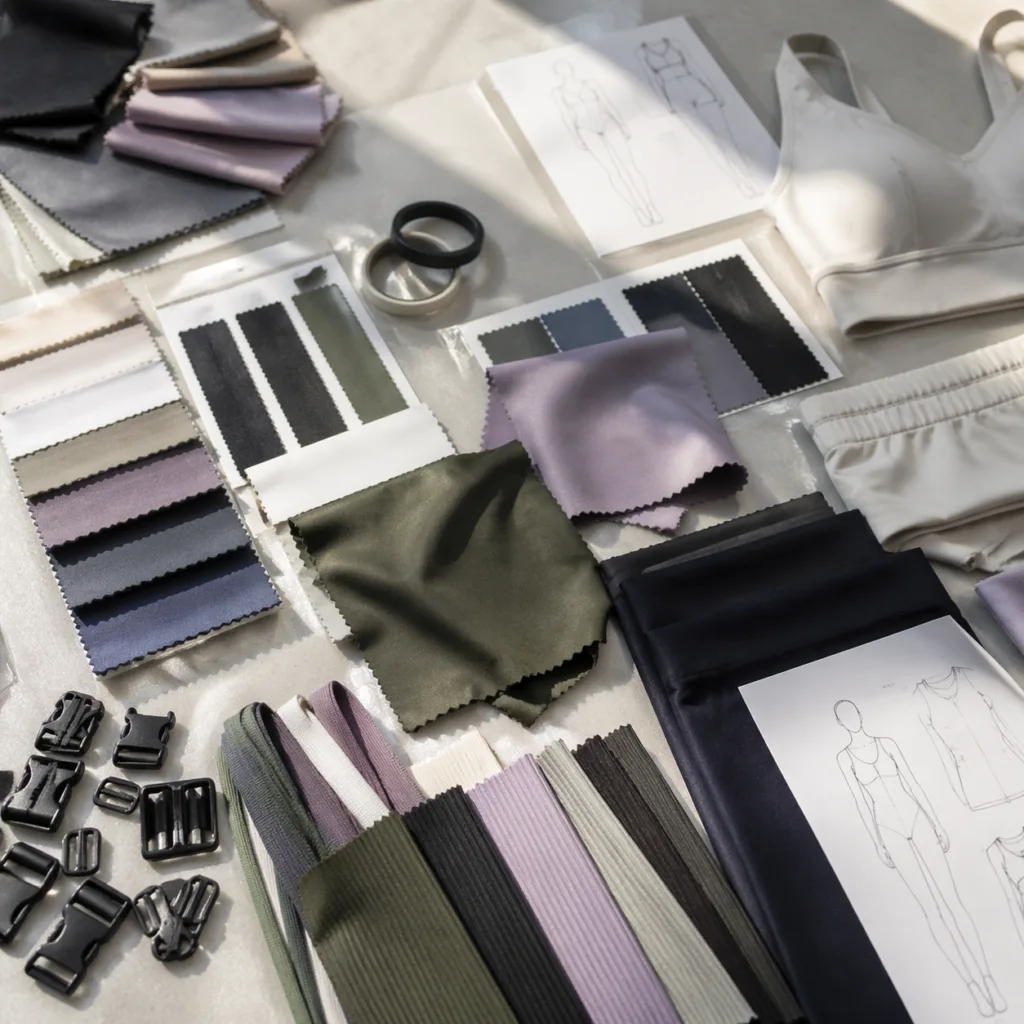
Sampling bridges the gap between design sketches and production garments. Send detailed tech packs–including measurements, fabric types, color options, and custom branding requirements–to your manufacturer. Expect several rounds of samples and fit revisions, as small differences in stretch, drape, or seam placement can affect performance and style.
Controlling Minimum Order Quantities (MOQs)
MOQs are often a hurdle for startups. Manufacturers set minimums to keep production efficient, but flexible partners may offer lower MOQs or starter programs. Discuss options with your manufacturer, including mixed style runs or higher per-unit pricing for smaller lots. Understanding MOQ expectations early prevents surprises later.
Choosing the Right Gym Clothing Manufacturing Partner
Picking your manufacturing partner is a strategic decision. Look beyond cost: evaluate facility capabilities, fabric sourcing power, sample quality, communication, and overall reliability.
Evaluating Factory Experience and Expertise
Strong manufacturers offer technical guidance on fit, fabric suitability, and production workflow. Check their references, view sample products, and confirm they regularly produce garments similar to yours. Experienced gym clothing manufacturers can anticipate common startup mistakes and guide founders through practical solutions.
Production Process: Transparency and Communication
A reliable partner keeps you updated on each stage, from sampling to bulk sewing to final quality control (QC). Look for manufacturers who provide clear timelines, sample feedback, and honest advice about fabric lead times or potential bottlenecks.
OEM vs Private Label: Navigating Manufacturing Models
You can choose between OEM (custom production based on your designs) or private label (adding your branding to established styles). OEM vs private label options affect speed, cost, customization level, and overall margin. Founders should clarify their intent before moving forward, as this shapes how manufacturing negotiations play out.
Sampling Quality: Insist on Precise Fit and Fabric Performance
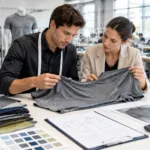
When reviewing samples, assess fit accuracy, seam integrity, and fabric stretch. Ninghow’s sampling team emphasizes clear pattern specifications, sturdy seams, and consistent stretch for activewear–helping founders spot potential problems before bulk production begins.
Managing Fabrics, Trims, and Supply Chain Variables
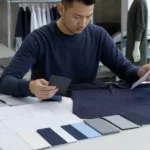
Choosing performance fabrics–such as moisture-wicking polyester, nylon-spandex blends, or recycled materials–impacts both price and garment appeal. Confirm fabric sources and test swatches before committing. Pay attention to trims: branded tags, zippers, drawcords, and heat transfers need consistent supply and quality.
Color Fastness and Print Quality in Gym Clothing
Activewear faces heavy wear, washing, and UV exposure. Test color fastness, logo prints, and any heat-transfer graphics for durability. Manufacturers should provide lab test results or previous product samples showing these performance attributes.
Packaging and Delivery: Ensuring Your Brand Arrives Correctly
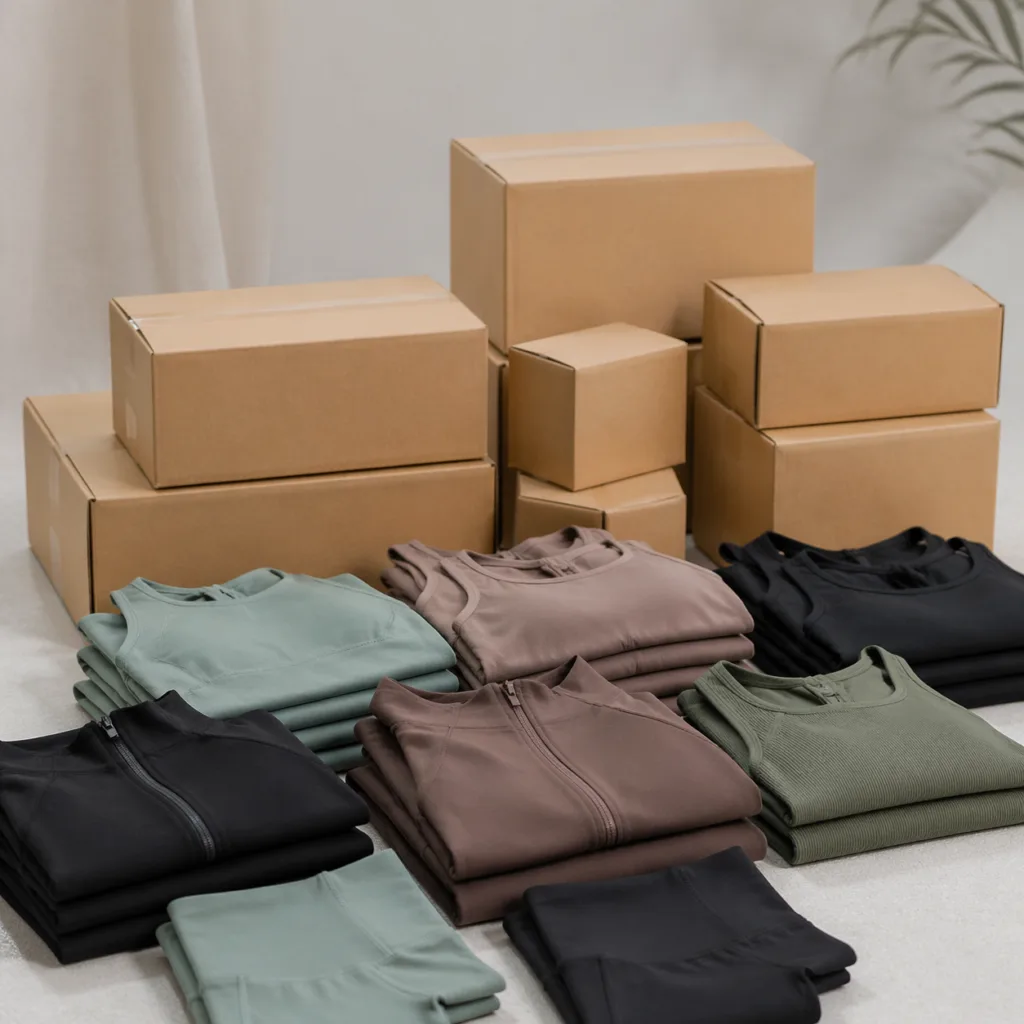
Custom packaging–from branded polybags to swing tags–finalizes the product presentation. Discuss packaging standards with your manufacturer, including any eco-friendly options or specific labeling preferences. Reliable delivery timelines keep your launch on schedule and avoid excessive warehousing costs.
Controlling Costs and Budgeting for Your Gym Clothing Brand
Startup budgets must cover sampling, bulk production, packaging, logistics, and marketing. Cost transparency from your manufacturer helps founders plan for each stage and identify areas where savings or trade-offs are possible.
Negotiating Production Pricing and Terms
Small order runs often attract higher unit costs. Consider negotiating split orders, flexible payment terms, or starter program discounts. Manufacturers experienced with fitness startups understand common budget constraints and can propose practical alternatives.
Tracking Lead Times and Mitigating Delays
Clear lead time estimates prevent surprises. Discuss scheduling with your manufacturing partner, confirm fabric availability, and build in extra time for unforeseen delays. For gym clothing brands aiming for seasonal launches, advanced planning is essential.
Quality Control and Bulk Production: Getting it Right at Scale
QC checks matter most during bulk production. Walk-throughs, sample inspections, and clear measurement standards ensure product consistency. Ninghow’s production teams emphasize batch checks, seam strength testing, and packaging oversight to avoid defects that impact brand reputation.
Pitfalls and Common Mistakes Startups Can Avoid
Founders often underestimate sampling complexity, MOQ realities, or the importance of clear tech packs. Missed details can lead to sizing surprises, fabric disappointments, or delays. Work with seasoned manufacturers, update fit samples, and clarify every specification before bulk orders to shield your investment.
Ensuring Brand Identity through Your Manufacturing Partner
Every stage, from fabric selection to tagging, shapes your brand’s look and feel. Keep communication open, provide creative direction, and review product samples closely. Manufacturers who understand your brand story help realize it in the final product.
[PROMPT]: How to Start a Gym Clothing Brand with the Right Manufacturing Partner
Launching a gym clothing brand starts with clear vision, practical production planning, and trust in your manufacturing partner. From niche positioning to first collection design, controlling MOQ, and preparing for sampling, founders must bridge creative intent with factory expertise. Aligning with the right manufacturer ensures fit, fabric, and branding accuracy, empowering your startup to succeed.
Progress Checklist for Gym Clothing Startup Founders
- Define your target market and brand niche
- Plan a focused first collection (3–8 SKUs)
- Craft clear tech packs and specifications
- Select an experienced gym clothing manufacturer
- Negotiate MOQ and production terms
- Secure fabric and trim samples early
- Test and refine prototypes before bulk
- Finalize branded packaging and delivery options
- Monitor lead times and communicate proactively
Case Study: Founder Success Through Manufacturing Partnerships
Many gym clothing founders credit long-term manufacturer relationships for their growth. By engaging manufacturers early, seeking feedback on viability, and staying hands-on during sampling, brands launch with confidence. Each collection becomes stronger as founders adapt designs and manufacturing processes to evolving customer feedback.
Ninghow Perspective: Practical Advice for Founders
From the manufacturing floor, Ninghow recommends that founders invest in detailed tech packs and review sample fits critically. Small changes in pattern or seam direction can dramatically affect gym clothing performance. An open dialogue with your manufacturing team builds trust and helps prevent common startup missteps during bulk production.
Scaling Up: From First Launch to Ongoing Production
After a successful launch, plan scaling strategies: expanding SKUs, seasonal collections, or specialty additions (like compression wear or eco-friendly fabrics). Review production feedback, adjust specifications for mass production, and build lasting relationships with manufacturing partners. Repeat communication cycles help deliver consistent launches.
Securing Manufacturing Capacity for Future Growth
Stay ahead by forecasting demand, confirming factory schedules, and planning new collections early. Established manufacturers allocate production lines based on reliable order histories, so founders benefit from proactive planning and honest communication.
Conclusion: Turning Startup Vision Into Gym Clothing Reality
Starting a gym clothing brand with the right manufacturing partner is a journey grounded in preparation, clear communication, and industry awareness. By connecting creative design with realistic production, founders move confidently from concept to market-ready product. As you navigate sampling, bulk production, and brand growth, choose a manufacturer who values your vision and supports every step toward success.
Frequently Asked Questions
How do I choose the right gym clothing manufacturer?
Evaluate experience, sample quality, communication, fabric sourcing, and MOQ flexibility. Prioritize transparency and the ability to produce your specific designs.
What is a tech pack and why is it important?
A tech pack details your product specifications: measurements, fabric type, colors, branding, and constructions. It ensures the manufacturer understands your requirements.
How can I control minimum order quantities for my first launch?
Discuss starter runs with flexible manufacturers or negotiate mixed style lots. Some partners offer lower MOQs for startups at premium rates.
What makes sampling crucial for gym clothing?
Sampling tests fit, fabrication, and construction accuracy. It lets you refine your designs and prevents costly mistakes before mass production begins.
How can startups keep costs predictable in production?
Be transparent about your budget. Ask manufacturers for detailed quotes, clarify extra costs for custom labeling or packaging, and monitor material sourcing.
How long does it usually take to launch a gym clothing collection?
Typical lead times range from 8–16 weeks, including sampling, bulk production, and delivery. Early planning and clear communication help avoid delays.