






Introduction: Why Quality Control in Gym Clothing Manufacturing Matters
In the performance-driven world of gym clothing, the difference between a one-time sale and lifelong brand loyalty often comes down to consistent, robust quality control. For apparel brands, buyers, and sourcing teams, understanding—and properly auditing—quality control processes is more than due diligence. It’s a strategy for reducing customer complaints, safeguarding your reputation, and boosting repeat sales. From measurement tolerance to print adhesion, the right QC system makes or breaks your success in the highly competitive activewear sector.
For brands and sourcing decision-makers aiming to avoid costly issues and spot reliable partners, a useful next step is to explore trusted gym clothing manufacturers—this resource details our factory capabilities, customization processes, and key production insights, helping you benchmark what to expect when seeking quality, flexibility, and on-time delivery for your custom activewear range.
Understanding QC in Performance Gym Clothing
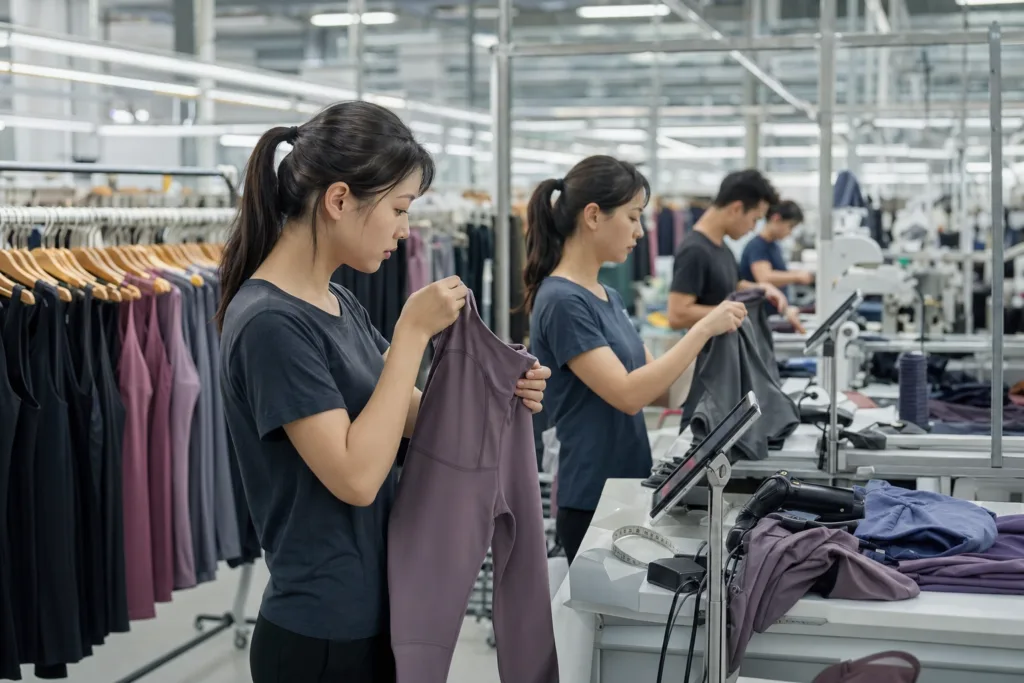
Gym clothing isn’t just about fashion—it’s technical apparel designed for motion, sweat, and durability. As manufacturers, Ninghow and peers in our sector know that performance fabrics, fit accuracy, and finish all require precise quality standards. Inconsistent seams or color mismatches can frustrate retailers and end-users alike. That’s why a sound QC system isn’t optional for serious brands—it’s essential for surviving in this demanding industry.
Critical Stages of QC: From Fabric Mill to Finished Goods
Quality assurance in gym clothing manufacturing spans multiple checkpoints:
- Pre-production fabric inspection (weight, elasticity, color fastness)
- Sampling and prototyping QC (pattern accuracy, print tests)
- Inline production monitoring (stitching, assembly, consistency)
- Final random inspection (mixed carton sampling before shipping)
Tight controls at each step align expectations between brand and manufacturer—a must for high-volume private label and custom orders.
Measurement Tolerance: Why Fit Consistency Drives Low Return Rates
Few things generate complaints faster than clothing that doesn’t fit as expected. Measurement tolerance—how much the finished item’s dimensions can deviate from the tech pack specs—is a top target for QC audits. In gym clothing, the typical acceptable tolerance is ±0.5–1.0 cm in key points like chest, waist, and inseam. Poorly managed tolerance can produce size runs where ‘Medium’ pieces feel like two entirely different garments.
Fabric Quality: Hand-Feel, Recovery, and Performance Checks
Activewear buyers and end-users expect soft touch, robust stretch, and good shape recovery. Smart brands know to inspect fabric for:
- Stretch & recovery rates (does the fabric snap back after being stretched?)
- Moisture-wicking ability (lab test or in-house drape check)
- Weight & transparency (squat-proof leggings demand a certain GSM)
- Hand-feel consistency across the production batch
Seam Strength: Ensuring Durability in the Gym and Beyond
Seam breakage is a nightmare for brands and consumers. Factories should run standardized seam strength tests—commonly at least 120N (Newton) for leggings and performance tops. For practical QC, 10–15% of each batch should be randomly checked for seam uniformity, skipped stitches, and balanced tension. Machines must be routinely calibrated. In high-stress areas like crotch or underarm, reinforcing stitches or bar tacks are a simple insurance policy.
Color Consistency: The Subtle Difference That Influences Brand Perception
Mismatch between main panels, trims, or logos is a surefire way to sour a product launch. Gym clothing usually uses piece-dyed synthetic fabrics, so color batch control is critical. Lab dips and bulk lab matches help, but on-the-line assessments under controlled D65 lighting catch issues in real time. Pass/fail criteria often allow ≤3.0 on the Delta E scale for color difference—anything beyond risks visible mismatches in retail or social media photography.
Print Adhesion and Logo Quality: Don’t Let Branding Fail
Peeling or cracked logos lead to expensive returns. Effective QC for print adhesion includes wash tests (usually 5–10 cycles at 40°C), abrasion resistance checks, and surface inspection under magnification. Each logo or motif must meet both brand guidelines and durability standards. Sometimes, the difference lies in pre-treatment: proper garment surface cleaning and controlled humidity make a noticeable impact.
Shrinkage and Dimensional Stability: Controlling Unpleasant Surprises
Unplanned shrinkage ruins fit and raises after-sales issues. Brands should insist on fabric shrinkage tests before production approval (AATCC 135 or similar test method). Shrinkage rates should be ≤3% in both length and width after multiple washes. Post-production, randomly pulled samples must confirm consistency between lab and production runs.
Inspection Methods: Visual, Measurement, and Laboratory Testing
The best QC combines skilled visual inspection, precise measurement (using calibrated tape and digital tools), and periodic lab tests (for colorfastness, pilling, and seam strength). A mix of on-line (100% or 10%) and AQL-based random checks after packing reduces the risk of subpar goods reaching your customers.
Packaging and Labelling: The Often-Overlooked QC Check
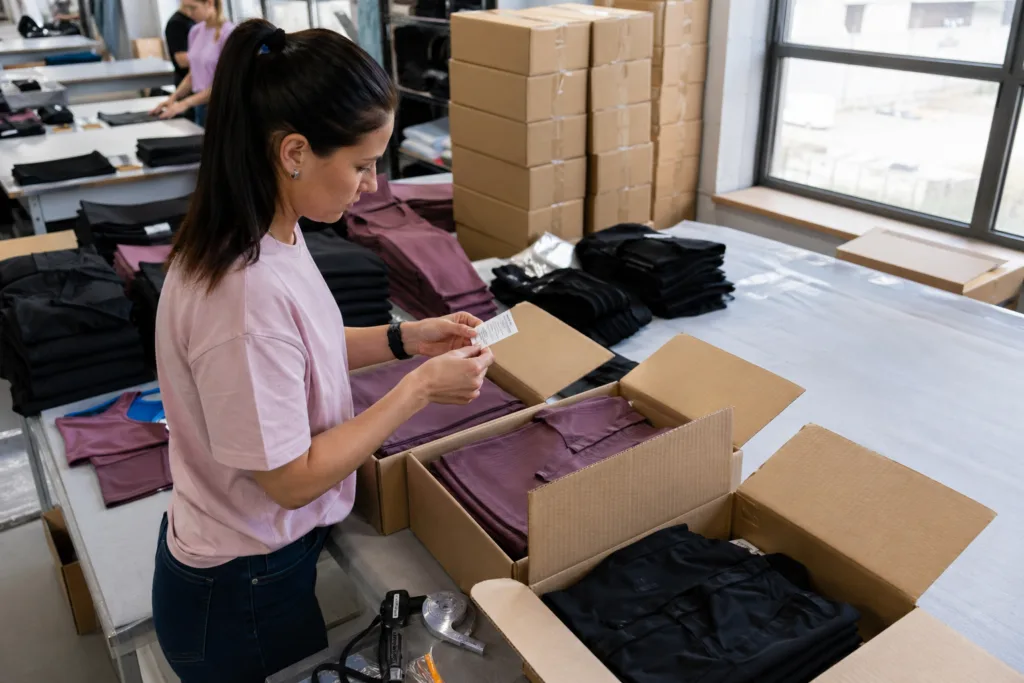
Incorrect labels or poor packaging lead to headaches for e-commerce and brick-and-mortar sellers alike. Good QC means checking size labels, hang tags, care instructions, and barcodes—plus polybag seal quality, carton strength, and label placement. This reduces mis-shipments and maintains the ‘new product’ experience that gym wear customers expect.
Sustainability Audits: Environmental and Social Compliance
Brands with eco or ethical claims must extend QC to cover:
- Traceable material origin (recycled polyester, organic cotton certificates)
- Restricted substance testing (no AZO dyes, OEKO-TEX standard checks)
- Factory code-of-conduct compliance (audited working conditions, wage records, etc.)
Sustainable gym clothing manufacturers should be ready to demonstrate these controls—a growing priority for global buyers.
Common QC Pitfalls: Real-World Mistakes and Their Impact
Even with rigorous plans, slip-ups happen. Common QC fails include:
- Not spot-checking all size runs, leading to a “good” sample but inconsistent bulk
- Testing lab-dip color but skipping bulk approval—risking visible lot-to-lot differences
- Skipping seam strength testing in small orders, resulting in embarrassing splits during wear
- Mislabeling or bad folding disrupting logistics at scale
Ninghow has occasionally seen brands focus only on print placement while overlooking gross measurement tolerance—a recipe for sizing problems that hurt returns and repeat business.
Quality Audits for Bulk Orders vs. Small Batches
In bulk runs (10,000+ units), QC often uses layered AQL sampling, inline and final. Small batches or specialty drops require flexible protocols—sometimes 100% checking early in a production relationship, then randomized when factory consistency is demonstrated.
The Role of Tech Packs and Approved Samples in QC
Clear, comprehensive tech packs are a manufacturer’s roadmap for quality production. Approved pre-production samples become the ‘gold standard’ for visual, fit, and performance checks during and after bulk manufacturing. Whenever possible, keep critical fit samples archived until delivery completion. For a deeper dive into this topic, readers can understand apparel quality control with our specialized resource.
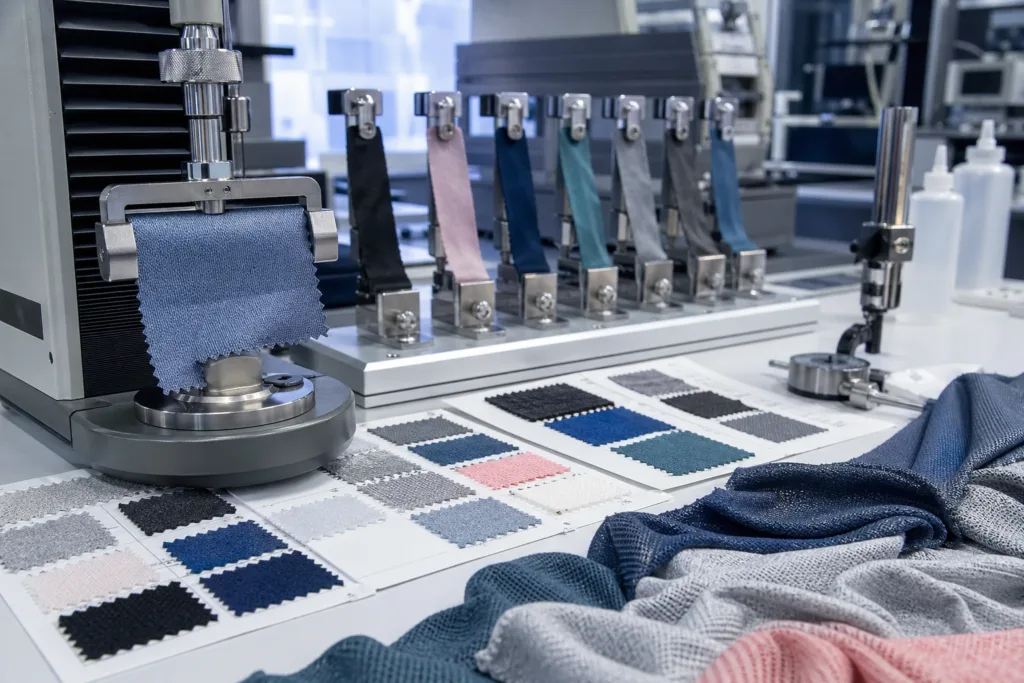
Fabric Testing: Moisture Wicking, Odor Control, and Stretch
Some QC tests are specific to gym clothing’s technical promise:
- Wicking tests: Ensuring fabrics absorb and transport moisture quickly
- Stretch & recovery: Confirming elasticity and shape return over cycles
- Odor resistance: Anti-microbial finishing effectiveness (especially in men’s and women’s high-sweat categories)
Performance Simulations: Testing in Gym-like Real Scenarios
Theory only goes so far. Forward-thinking brands simulate athlete movement, dynamic stretching, or compression garment use in lab or on-site scenarios. It’s not just about technical numbers but about replicating actual consumer experience. Ninghow’s team, for example, sometimes has internal staff try on new patterns before bulk approval, checking for comfort, freedom of movement, and stretch retention—small touches that catch issues before shipping thousands of pieces.
Documentation and Traceability: Keeping Records for Accountability
Every audit, measurement chart, and fabric test result should be clearly logged and shared between manufacturer and client. This boosts traceability—and makes root-cause analysis far easier if something goes wrong post-delivery.
Managing Defects: What to Do When Issues Are Found
If QC identifies out-of-tolerance items, fast root-cause analysis is crucial:
- Isolate faulty batches and halt shipment till corrective action is taken
- Rework or replace items following brand-approved procedures
- Communicate transparently with brand partners to minimize downstream disruption
Working With 3rd-Party Inspection Teams
Many brands commission independent QC agencies to safeguard against bias. Established factories are familiar with AQL 1.5 or 2.5 inspections, and should collaborate openly to demonstrate compliance to all stakeholders.
The Value of Inline QC Versus Post-Production Inspection
Catching mistakes early saves time, cost, and brand reputation. Inline QC—checking during production—prevents accumulated defects. Final random inspections, meanwhile, offer peace of mind before goods are released to freight forwarders or e-commerce warehouses.
Technology in QC: Automation, AI, and Data Collection
Smart factories are using fabric scanners, digital measurement tools, and AI-driven cameras to spot defects. These can boost efficiency and catch subtle issues missed by the human eye, especially in large-scale operations.
Communication: Bridging Brand Expectations and Factory Realities
Strong QC comes from clear dialogue and mutual understanding. Brands should update tech packs and SOPs regularly, while manufacturers must communicate when sourcing or production variables shift. Shared responsibility minimizes misinterpretation and error.
Why Investing in Quality Delivers Better Margins for Brands
A rigorous, well-documented QC system for gym clothing manufacturing not only avoids costly returns but also justifies premium pricing, builds customer trust, and drives positive reviews. Brands who shortcut QC often pay more in the long run—both in money and lost reputation.
How to Audit a Potential Supplier’s QC Capabilities
Don’t just take a factory’s word for it—request QC SOPs (Standard Operating Procedures), ask about inline monitoring vs. final inspection, and review real inspection records. Third-party audits or trial production runs are sound moves before committing large orders. To optimize your processes, consider reviewing resources to learn about the gym clothing sampling process and better benchmark your requirements.
Quality Control in Gym Clothing Manufacturing: What Serious Brands Should Audit
Serious brands never leave quality to chance. The most critical audit points include:
- Fabric performance tests: Moisture wicking, stretch, recovery, shrinkage
- Measurement reviews: Size consistency, tolerance compliance
- Seam and stitching checks: Strength, finish, thread quality
- Color and print inspection: Consistency, durability, adhesion
- Packaging audits: Correct labeling, materials, barcodes, carton checks
- Sustainability proof points: Material certificates, compliance documentation
Consistent, thorough audits drive fewer complaints, stronger repeat sales, and greater peace of mind when scaling a gym apparel business.
Conclusion: Building Your Brand on Reliable Quality Control
In performance gym clothing, quality control is never just a box to check. Serious brands—and manufacturers—treat it as a central value, knowing that measurement, fabric, color, print, and packaging standards all determine the buyer and user experience. For brands ready to scale, investing in the right QC process turns complex supply chains into trusted systems, sparking loyalty, glowing reviews, and lasting growth.
Frequently Asked Questions
What is the ideal measurement tolerance for gym clothing?
Most serious manufacturers recommend a measurement tolerance of ±0.5–1.0 cm for critical dimensions like chest, waist, and inseam. Tighter tolerances reduce hassle with fit-related returns and keep sizing consistent across production batches.
How do manufacturers test fabric performance in gym wear?
Manufacturers perform stretch and recovery tests, wicking tests for moisture management, and shrinkage checks after repeated laundering. Laboratory methods and quick in-house tests are both used depending on buyer requirements.
What’s the best way to check seam strength?
Seam strength is tested using tension testing machines (looking for at least 120N for leggings). Hand-pulling and visual inspection during in-line quality control also detect skipped stitches or loose threads that could fail in real use.
Why does color consistency matter so much in activewear?
Gym clothing is often worn in sets or as brand collections. Visible color mismatches between panels, trims, or batches undermine brand credibility and disappoint consumers—hurting both sales and reputation.
How important is QC for packaging and labelling?
Critical—poor labelling and packaging can cause mis-shipments, returns, and confusion for both online and retail channels. Good QC checks barcodes, size labels, hang tags, and packaging material quality on every order.
Why should brands audit sustainable manufacturing claims?
With growing demand for eco-friendly products, buyers must verify claims with certificates (like recycled content or OEKO-TEX), traceable sourcing, and evidence of ethical production. Audits should extend beyond just the garment to include these factors.