



Introduction: The Realities of Organic Cotton Gym Clothing
As more brands and buyers prioritize sustainability, organic cotton gym clothing has surged in popularity, promising eco-friendly credentials and softer, more natural comfort. But does organic cotton always deliver in demanding athletic contexts—or are there scenarios where synthetic performance blends still make more sense for athletes and brands alike? In this comprehensive guide, we explore the benefits, limitations, and decision points for choosing organic cotton versus blended gym apparel fabrics from a manufacturer’s perspective, helping brands, sourcing teams, and buyers make informed production decisions aligned with both sustainability and performance goals.
For a more focused look at production capabilities, readers planning the next sourcing step may want to explore custom gym clothing manufacturers. This resource highlights practical aspects like custom ODM/OEM scope, minimums, and factory strengths, providing a useful next action for those evaluating which materials and supplier strategies best match their brand’s vision.
Understanding the Appeal: Why Choose Organic Cotton for Gym Apparel?
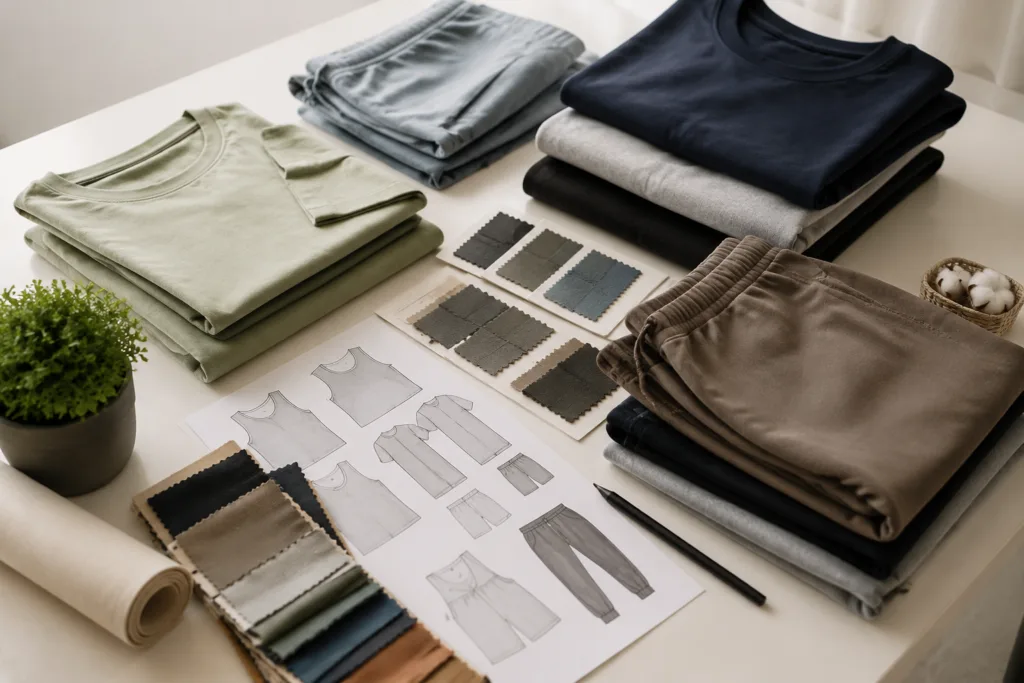
Organic cotton has quickly become a favorite for athleisure and wellness-focused brands. Its draw is clear: grown without synthetic pesticides or GMOs, organic cotton offers a lower-impact supply chain, a smooth hand feel, and a “cleaner” story that resonates with today’s consumers and retailers. As a manufacturer, we see organic cotton requests increase year on year, especially among brands seeking transparent sourcing and lower-impact production for their gym apparel collections.
Key Fabric Qualities: Comfort, Breathability & the Feel Factor
One of the main advantages of organic cotton gym clothing is comfort. Cotton fibers (conventional or organic) are naturally soft, hypoallergenic, and skin-friendly—qualities that help reduce irritation or moisture rash after tough sessions. In warm conditions, cotton’s breathability is widely appreciated, allowing sweat to evaporate faster than many synthetic fabrics in mild activity. For lighter routines, leisurewear, or yoga, the relaxed drape and comfort of cotton is often unmatched.
Branding Value: Sustainability, Transparency, and Trust
For brands, offering organic cotton gym clothing strengthens green positioning. Third-party certifications like GOTS or OCS provide transparency and traceability throughout the supply chain—something increasingly demanded by retailers and consumers alike. Positioning organic cotton also aligns with marketable values like environmental responsibility, wellness, and ethical sourcing, making it a core ingredient in sustainable gym and activewear branding.
Where Organic Cotton Outperforms—And Where It Doesn’t
Organic cotton gym clothing is ideal when:
- Comfort, softness, and breathability are the priority (e.g., yoga, stretching, low-intensity workouts).
- Skin sensitivity is a concern.
- Marketing value and eco-certification is a must-have.
- Collections emphasize lifestyle, rest, and versatile daily wear.
However, pure organic cotton can fall short for:
- Intense HIIT, running, or heavy cardio, where sweat-wicking, rapid drying, and stretch/recovery are key.
- Durability and long-term shape retention—cotton tends to pill and lose form faster than blends under repeated stress.
- Technical looks and performance innovation, where advanced functionality is expected.
Performance Blends: Enhancing Athletic Function and Longevity
Synthetic fibers like polyester, spandex, and nylon are engineered for athletic demands, including:
- Superior moisture-wicking and quick-drying properties
- Added stretch for higher mobility
- Increased durability, abrasion resistance, and shape retention
- Vivid color retention
This is why many gym apparel pieces—especially those aimed at running, cycling, or competitive sports—opt for blends such as cotton-poly or cotton-elastane.
The Hybrid Approach: Cotton-Synthetic Blends for the Best of Both Worlds
Blending organic cotton with synthetics can balance softness with function. For example, a 60% organic cotton / 40% recycled polyester t-shirt can meet eco goals while ensuring sweat-wicking and durability. Similarly, adding 5–10% spandex to leggings increases comfort and fit retention. This intersection is where many brands find their practical sweet spot on the sustainability-performance spectrum.
Comparing Material Performance: Organic Cotton vs. Performance Blends
| Property | Organic Cotton | Performance Blend |
|---|---|---|
| Breathability | Excellent | Very Good to Excellent |
| Moisture Wicking | Low | High |
| Dry Time | Slower | Fast |
| Stretch & Recovery | Low (unless blended) | High |
| Softness | Very Soft | Good, may vary |
| Durability | Fair | High |
| Sustainability | Excellent | Varies (better with recycled synthetics) |
Use Cases: When Should Brands Choose Organic Cotton Gym Clothing?
Organic cotton is well-suited for:
- Yoga, pilates, barre, and low-impact studio wear
- Pre/post-workout cover-ups (e.g., lightweight hoodies, joggers)
- Everyday athleisure, lounge, and travel
- Apparel for skin-sensitive users
- Brand collections emphasizing wellness lifestyles and sustainability storytelling
Use Cases: When Performance Blends Are the Practical Choice
Choose performance blends for:
- High-sweat training, CrossFit, HIIT, or spinning
- Run-specific tops or compression leggings
- Heavy-duty gymwear where pilling, stretching-out, or color fade is unacceptable
- Apparel needing max durability with regular industrial laundry
Fabric Innovations: Eco-Conscious Blends and Next-Gen Materials
The field of gym apparel fabrics is evolving fast. New blends like TENCEL™-cotton hybrids or recycled polyester-elastane aim to offers lower-impact options without forfeiting performance. Manufacturers like Ninghow often sample with mono-fiber blends or specialty finishes (anti-odor, moisture management) to help brands achieve both eco-responsibility and athletic function. Brands serious about innovation should work closely with mills and suppliers to test combinations for target market fit.
Production Realities: Sourcing, MOQ, and Quality Control
Organic cotton yarn costs more than conventional, and certified organic cotton supply chains require tight documentation for GOTS, OCS, or similar certifications. Lead times can be longer, and dyeing/laundering requires more controlled processes to avoid harsh chemical use. Factories like Ninghow manage these details by sourcing from pre-verified, traceable partners and building room in the timeline for sustainability compliance checks. Be mindful of raw fabric MOQ and plan sampling accordingly.
Impact on Design and Pattern Choices
Organic cotton is versatile for most basics—tees, tanks, joggers. However, for tighter fits (compression leggings, molded sports bras), blends with spandex or elastane ensure better recovery and comfort. Branding prints, heat transfers, and trims must also be chosen carefully so they do not compromise material integrity or environmental standards.
Branding, Labeling, and Certification Considerations
To label a garment “organic cotton,” brands must meet regulatory and certification requirements—typically documented chain of custody. Including QR-coded traceability or clear certification marks on hang-tags further boosts trust. Factories should provide test reports and documentation with each batch. Be wary of vague “organic” claims unsupported by paperwork, as these open brands to compliance risk.
Eco Credentials: Organic Cotton vs. Recycled Synthetics
While organic cotton offers a low-toxin, lower-water-impact fiber, recycled synthetics (like rPET) present an alternative path: diverting existing plastics while meeting functional goals. Many new gym clothing lines combine both approaches, highlighting recycled polyester overlays or trims on organic cotton base fabrics, or vice versa. This dual strategy showcases a brand’s forward-thinking approach and broadens appeal in a competitive marketplace.
Consumer Trends: Comfort, Green Values, and Authentic Stories
Recent surveys show consumers—especially younger buyers—are willing to pay premiums for gym clothing made with organic cotton or other green materials, provided fit and comfort are not sacrificed. Clear storytelling, transparent supply chains, and quality construction all combine to drive conversion. Brands that educate their markets on material trade-offs and production choices often command greater loyalty.
Market Challenges: Pricing, Availability, and Performance Limits
Organic cotton is 10–30% more expensive in raw material cost, and market-driven factors (drought, changing crop patterns) impact global pricing and lead times. While consumer appetite is high, brands face the reality of competition from cheaper synthetics and performance-wear giants. Practical, tested messaging on why your brand uses organic, and when it blends for function, helps set expectations and justifies price positioning.
Case Studies: Brands Successfully Balancing Cotton and Blends
Many well-known gym brands now run both 100% organic cotton and strategic blend lines. For example, UPF-rated organic cotton tees for sun lovers, moisture-performance blends for high-sweat routines, and limited capsule collections targeting niche markets (e.g., mindful yoga, adaptive fitness). Manufacturers support these brands by jointly developing custom fabrications and ensuring reliable QC on all batches.
Production Flow: From Design to Delivery
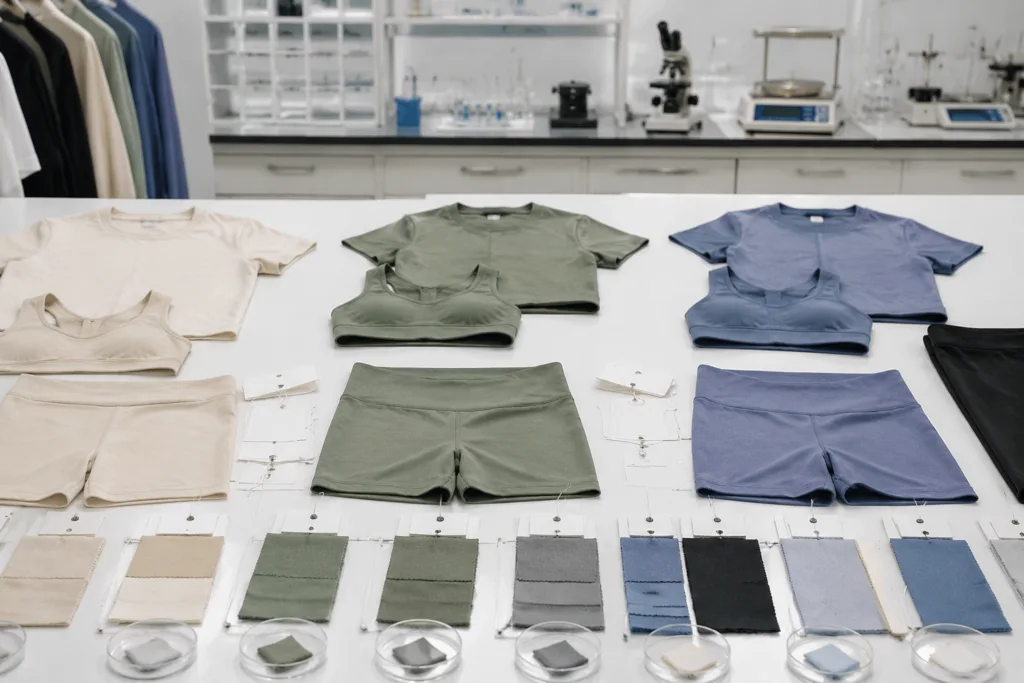
At Ninghow, the process typically begins with a clear brief of the product vision and target market. Sample lots are produced in both pure organic cotton and relevant blends. Testing includes:
- Fit and wash stability trials
- Lab moisture/absorption testing
- Color-fastness checks
- Third-party certificate verification where necessary
This thorough sampling process minimizes risk of later returns or negative consumer reviews. Once approved, bulk runs follow, with documented batch traceability to support labeling and marketing claims.
Practical Sourcing Tips for Brands and Buyers
- Clarify end-use and main performance needs before choosing fabric: Is this for light activity or heavy training?
- Request physical swatches and lab tests on both 100% organic and blends
- Align MOQ, lead times, and certification needs early
- Ask your manufacturer about post-production testing (shrinkage, finish durability, etc.)
- Stay transparent about fabric origin and limitations in your final customer messaging
For more on matching gym clothing materials to purpose, consider our guide on the best fabrics for gym clothing and our approach to helping brands create a sustainable gym clothing collection that balances organic values and real-world performance.
Organic Cotton Gym Clothing: When It Works and When Performance Blends Work Better
In summary, organic cotton gym clothing excels for comfort, everyday activity, skin-friendliness, and green branding—but may not meet every technical or athletic demand when compared to advanced blends. Balancing both in your collection allows you to serve different customer segments, maximize green credibility, and build versatile, credible gym and activewear lines. Manufacturers make the difference by guiding brands through material choices, sample testing, and transparent sourcing, so each line meets both practical and marketing expectations.
Conclusion: Navigate the Material Maze for Smarter Sourcing
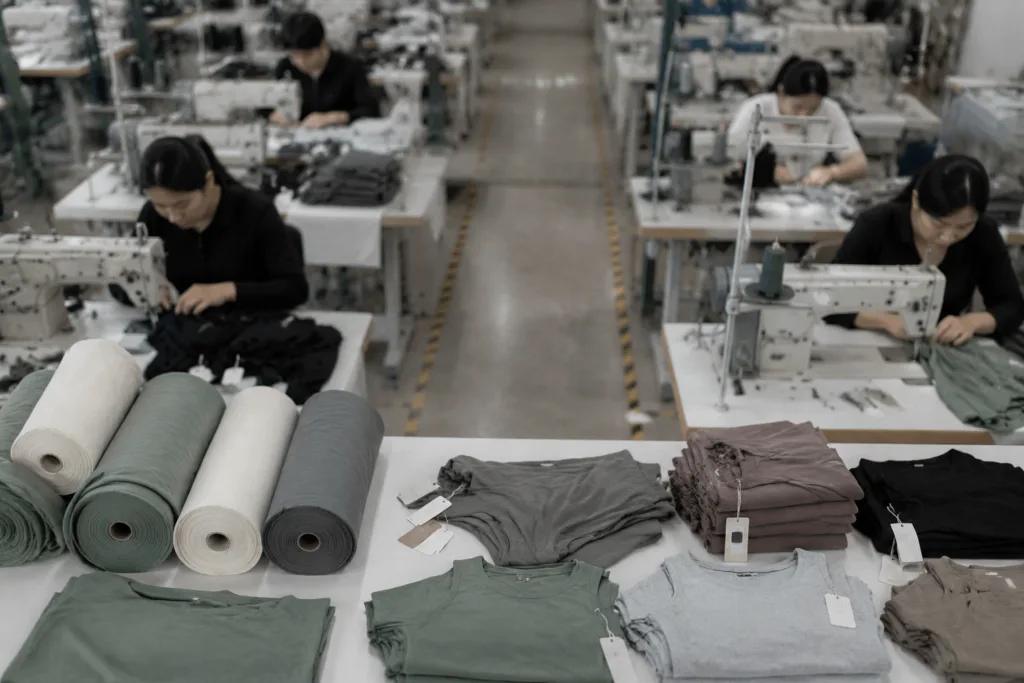
There’s no single-fabric solution for every gymwear need. Organic cotton delivers unbeatable softness, breathability, and branding value for brands leading with sustainability—but for serious athletic demands, synthetic blends or smartly engineered hybrids may still be required. Knowing your audience, communicating transparently, and working with experienced manufacturing partners ensures your organic cotton gym clothing decisions truly pull their weight—on the factory floor, in the gym, and on store shelves.
Frequently Asked Questions
Is organic cotton good for sweaty gym workouts?
Organic cotton is breathable but absorbs and retains sweat, making it less suitable for very intense or high-sweat workouts where quick-dry performance is essential. Blends with synthetics handle moisture better.
Can I label my apparel as organic if it blends with polyester or spandex?
No. To use the term “organic cotton” on the main label, the fabric must meet the minimum percentage as specified by certifiers like GOTS (typically 70% or more). Otherwise, only “contains organic cotton” or similar language may be used.
What is the shelf-life or durability of organic cotton gymwear compared to blends?
Pure organic cotton typically pills and loses shape more quickly than modern blends, particularly if used for tight-fit or high-abrasion garments. Technical blends, especially with spandex or polyester, extend garment life and shape retention.
Are organic cotton gym clothes more expensive to produce?
Yes, organic cotton has a higher raw material cost and requires certified supply chains and special handling during production, making it more expensive than conventional cotton or many synthetics.
How should I care for organic cotton gym clothing?
Wash in cold water, with gentle, eco-friendly detergents and air dry when possible. Avoid harsh chemicals and repeated tumble drying to preserve fabric softness and fit.
Can gym clothing still be sustainable with performance blends?
Yes, using recycled synthetics, responsible dye processes, and transparent sourcing can make performance blends more sustainable, though they may not carry the “organic” label. Many brands adopt hybrid materials to balance sustainability and function.
Related Reading
- How to source from a low MOQ gym clothing manufacturer
- In-depth custom leggings manufacturing guide for fitness brands
- Key tips to start your gym clothing brand with the right manufacturing partner
- OEM vs. private label vs. wholesale – what’s best for your gym apparel business?
- Best practices for quality control in gym clothing manufacturing