




Introduction: Why Your Tech Pack Matters in Gym Clothing Manufacturing
Preparing a thorough tech pack is the essential first step before reaching out to any gym clothing manufacturer. Whether you’re designing compression leggings or performance tanks, a clear, detailed tech pack enables the factory to visualize your style, interpret your requirements, and deliver reliable samples with minimal confusion. By sharing precise specifications, you dramatically increase the chance of getting production-ready samples faster, avoiding misunderstandings, and reducing frustrating delays. This is the secret behind standout results and professional communication for brands ready to scale.
For apparel brands, buyers, and sourcing professionals seeking customized gym clothing, readers comparing manufacturing options may also want to explore gym clothing manufacturers—a focused resource detailing Ninghow’s production capabilities, category range, and the practical next steps if you’re looking to bring a gym clothing collection to life with an experienced manufacturing partner. Reviewing that page will help set expectations and clarify how your tech pack translates into factory-ready development for custom gym apparel.
What a Tech Pack for Gym Clothing Should Include Before You Contact a Manufacturer
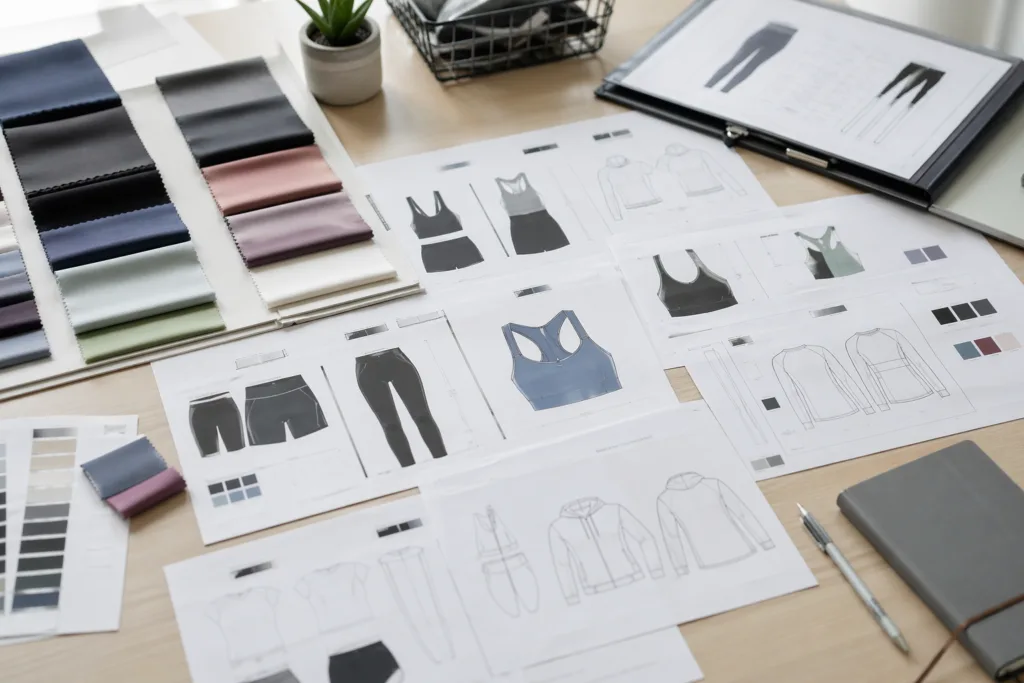
A tech pack is the master blueprint for custom gym apparel production. It contains all the technical information a manufacturer needs: from fit and measurements to fabrics and trims, branding details, labeling instructions, and packaging. If your tech pack is incomplete, you risk production errors, rejected samples, and cost overruns. Here’s a step-by-step breakdown of what must be included.
Tech Pack Essentials: Visualizing Designs and Concepts
- Clear Design Sketches: Front, back, and side views; garment shape, seam placements.
- Colorways and Print Concepts: Pantone codes, mockups of custom graphics or prints.
- Logo Placement: Coordinates or reference images showing exact logo location.
Measurement Charts and Sizing Details
- Measurement Tables: Garment dimensions for each size (in cm/inches).
- Fit Notes: Slim, relaxed, compression; general fit strategy for each piece.
- Size Range: XS–XXL, or custom sizing as needed.
Fabric and Material Specification
- Fabric Types: E.g., polyester-spandex, cotton blend, recycled fabrics.
- Weight and Stretch: GSM, % stretch, moisture-wicking or anti-microbial finishes.
- Supplier References: If possible, provide swatches or named mill references.
Trims, Accessories, and Finishing Elements
- Thread Type: Color, gauge, and performance properties.
- Elastic Bands: Logo placement, width, tension.
- Zippers, Buttons, Drawcords: Material, color, and brand details.
Branding: Logos, Print Specs, and Labels
- Logo Files: Vector formats (AI, PDF) with positioning instructions.
- Print Methods: Screen print, sublimation, heat transfer, embroidery.
- Custom Labels: Neck label design, care label content, swing tags.
Packaging and Tagging Requirements
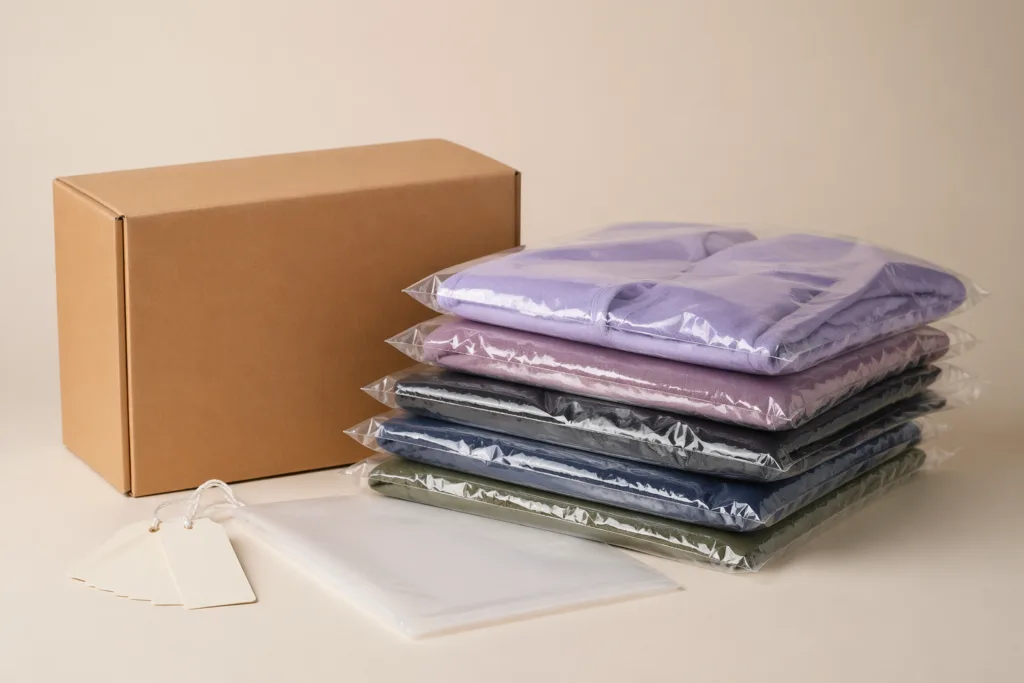
- Individual Polybags: Sizing, print, or barcode details.
- Box Packing: Carton dimensions, SKU labeling, special requests.
- Retail Presentation: Tag placement, folded/unfolded instructions.
Why a Complete Tech Pack Reduces Inquiries and Attracts Better Manufacturing Leads
Manufacturers like Ninghow appreciate tech packs that remove guesswork. When brands prepare and submit full tech packs, the factory team can assess project feasibility, offer accurate quotes, and foresee production needs. This builds trust and signals you’re ready for professional B2B collaboration—not just exploratory inquiries. Ultimately, it saves both parties time and resources.
How Sketches and Visuals Set the Foundation for Sampling
Visuals are the language of the factory floor. Even if you aren’t a graphic designer, a rough digital sketch or annotated photos give your manufacturer a fixed point of reference. For gym clothing—where panel layouts, pocket placements, and seam types directly impact fit and performance—good sketches ensure sampling starts with your vision, not factory assumptions.
| Element | Why it Matters | Best Format |
|---|---|---|
| Front/Back Sketch | Clarifies garment structure | PDF/JPEG |
| Logo Location | Prevents misprints | AI/PDF + Coordinates |
| Colorway Reference | Guarantees color accuracy | Pantone/Hex Codes |
Measurement Tables: The Blueprint for Fit Consistency
Fit is non-negotiable in gym apparel. Spandex shorts, tanks, joggers, and compression tops all demand meticulous measurement charts for each size. A factory’s pattern team relies on your tables (A: shoulder to hem, B: chest width, C: inseam, etc.) to ensure the samples match your fit model—not a generic template. It’s the difference between a brand-building sample and a costly do-over.
Fabric Selection: Communicating Your Material Intent
Choice of fabric impacts feel, performance, and durability. Specify blend ratios, GSM, stretch level, and finishes (e.g., moisture wicking, anti-odor). If you’re uncertain, give examples of existing market styles you like or reference known mills to guide the factory. At Ninghow, our team often works with brands to match swatches or test alternatives for activewear—reliable communication avoids guesswork and accelerates the sampling process.
Trims and Accessories: Custom Touches that Distinguish Your Brand
Every trim—from logo elastic bands to reflective zippers—adds complexity. Your tech pack should list trim materials, colors, branding, and functional notes. Action points: specify the width of elastic, description of zipper heads, and whether you require custom-molded elements. Remember, clarity here prevents miscommunication and costly last-minute substitutions.
Logo Placement, Print Specs, and Branding Consistency
Detailed logo placement diagrams, print methods, and files in vector format are vital. If your gym brand uses UV-activated prints or glow-in-the-dark inks, flag this. Factories need to know print tolerances, artwork sizes, pantone matching, and legal placement (right chest, back yoke, etc.). At this stage, avoid sending raster images or incomplete print instructions.
Labeling: Custom Care Labels, Brand Tags, and Legal Requirements
Include care instructions, fiber content, country of origin, and brand logo for labels. The tech pack should detail layout—woven, printed, heat transfer—and sample files in AI/PDF. If your gym clothing is destined for export markets, reference compliance notes for labeling rules (e.g., US, EU, AU).
Packaging & Carton Markings: Presentation and Logistics
If your gym wear is intended for retail, specify polybag size, labeling, carton requirements, or tagging. Barcode placement, SKU management, and aesthetic presentation matter. Clear instructions on folding, tag attachment, and bulk packing help the factory align with distribution needs. This is especially critical for brands scaling fast or launching new collections.
Tech Pack Process Flow: How Manufacturers Use Your Information
Once a tech pack is submitted, the factory team interprets your data for pattern making, sampling, and production planning. Incomplete tech packs lead to delayed timelines and extra clarifications, while full tech packs expedite everything from cost sheets to sample development. For gym clothing, every detail—from gusset design to label placement—directly informs the production workflow.
Common Mistakes in Gym Clothing Tech Pack Preparation
- Missing size charts or unclear measurements
- Sending raster images instead of vector logos
- Overlooking trims or accessories details
- Insufficient fabric specs or alternatives
- Inadequate packaging instructions
Sample Development: Why Your Tech Pack is Pivotal
Sampling is the bridge between tech pack theory and physical results. Brands with strong tech packs get faster, more reliable samples. Manufacturers can immediately interpret specifications, source matching materials, and flag feasibility issues. At Ninghow, we often see that clear tech packs mean sample rounds happen more efficiently and final production runs achieve consistent quality.
Communicating Changes: Best Practices in Updating Your Tech Pack
If you change specs during sampling, update the tech pack and communicate revisions. Track version history and clearly mark changes so the manufacturer doesn’t misinterpret requests. This discipline reduces production errors and avoids misunderstandings over fit, branding, or material selection.
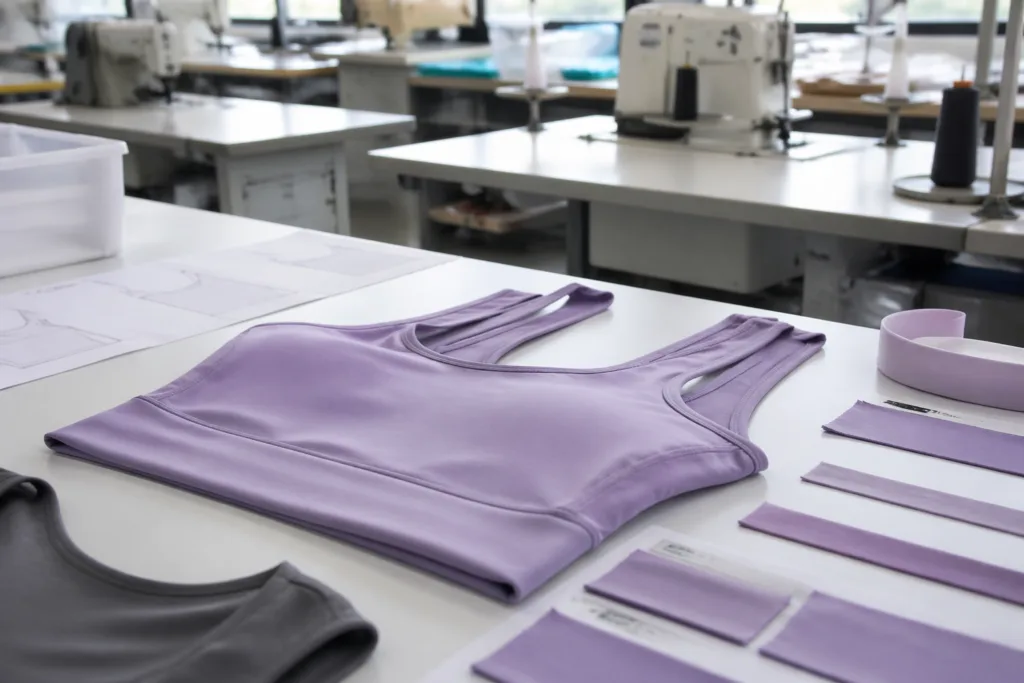
How Detailed Tech Packs Help Sourcing Teams Mitigate Risk
For buyers and sourcing teams, structured tech packs help compare quotes, verify capabilities, and assess compliance. They enable factories to forecast production needs, flag design issues, and support transparent costing. Ultimately, a thorough tech pack reduces sampling risk and speeds up decision-making.
Comparison Table: Complete vs. Incomplete Tech Pack Outcomes
| Aspect | Complete Tech Pack | Incomplete Tech Pack |
|---|---|---|
| Sampling Speed | Faster & reliable | Slow & error-prone |
| Quotation Accuracy | Accurate cost breakdown | Unclear cost estimates |
| Product Quality | Consistent, as envisioned | Risk of misinterpretation |
| Production Lead Time | Predictable timelines | Delays and confusion |
Tech Pack Templates and Digital Tools for Gym Clothing Brands
Various digital tools (e.g., Adobe Illustrator, Techpacker) help brands build tech packs for gym apparel. Templates streamline the process, but always customize for your collection’s unique needs. In-house designers and sourcing managers benefit from organizing information methodically, ready for factory review and quoting.
Integrating Your Tech Pack with Factory Workflow
Manufacturers appreciate tech packs delivered as consolidated PDFs or cloud links, not scattered files. Ensure naming conventions are clear, versions are tracked, and contact information is easy to find. This helps the factory’s sample development and production teams stay aligned, improving quality assurance and shipment accuracy.
Collaboration with Manufacturers: Balancing Detail and Flexibility
While detail is crucial, allow room for factory input or local expertise. Skilled manufacturers may recommend tweaks based on production constraints or fabric availability. Open communication and shared feedback loops lead to the best results for custom gym clothing.
How to Present Your Tech Pack for Effective Factory Review
Share a master PDF (not multiple emails); use clear labeling. Provide a summary page outlining material choices, trims, branding, and packaging. Brief your manufacturer on priority items—like fit accuracy or brand presentation. Flag areas where flexibility is allowed (e.g., alternate fabric choices).
Benefits of a Tech Pack for Custom Gym Clothing Manufacturing
- Faster and more accurate sample development
- Clear quotations and predictable costs
- Minimized production risks and errors
- Streamlined communication from inquiry to delivery
What Manufacturers Look for in Gym Clothing Tech Packs
Factories inspect tech packs for completeness, clarity, and achievability. Key focus: fit consistency, fabric reliability, branding instructions, labeling compliance, and packaging details. This enables them to prepare sample timelines, bulk order planning, and QC strategies, ensuring your gym apparel meets market standards.
Key Questions to Ask When Sharing a Tech Pack
- Are all size charts and measurement tables included?
- Is fabric selection confirmed (with alternatives)?
- Are trims and accessories specified?
- Are branding and label files clear and complete?
- Are packaging instructions detailed for both bulk and retail?
Industry Trends: Digital Tech Packs and Interactive Collaboration
Modern tech packs are increasingly digital, allowing interactive updates and real-time collaboration between brands and factories. This transparency streamlines revisions, supports compliance checks, and enables scaling production for new gym clothing collections.
Next Steps: Bringing Your Tech Pack to the Manufacturer
If you’re ready to submit your tech pack, align it with your target manufacturer’s workflow and expectations. For more insights into the manufacturing process, starting your gym clothing brand may also involve strategic planning and technical collaboration. See starting your gym clothing brand for a practical guide to turning concepts into samples. Likewise, choosing the right gym clothing manufacturer helps you evaluate partners whose processes match your tech pack requirements.
Conclusion: Building Stronger Factory Relationships with Precise Tech Packs
Taking the time to prepare a thorough tech pack for gym clothing sets you apart as a serious brand or sourcing team. It not only improves sampling speed and accuracy but signals that you’re ready for long-term manufacturing collaboration. Focus on clarity, detail, and proactive communication. Manufacturers like Ninghow value well-prepared tech packs—they transform concepts into consistent, scalable products. As the industry evolves, brands that embrace comprehensive tech pack preparation will enjoy smoother launches, consistent quality, and stronger market positioning.
Frequently Asked Questions
What is the most important element in a gym clothing tech pack?
Measurement charts are crucial—they ensure the garment fits exactly as intended and guide the factory’s sample pattern development.
How detailed should design sketches be?
Provide front, back, and side sketches showing all features—seams, pockets, logos. Annotation helps clarify details for production.
Do I need to specify trims and accessories?
Yes. Trims like elastic bands, zippers, and buttons should be listed with colors, materials, and any custom branding requirements.
Why do manufacturers prefer vector logo files?
Vector files (AI, PDF) allow scalable, high-resolution printing and precise placement for logos, ensuring consistency in branding.
Should packaging instructions be included in the tech pack?
Include bulk and retail packaging instructions, barcode placement, folding preferences, and tag designs to streamline logistics.
Can I update the tech pack after sampling begins?
Yes. Always send updated versions and clearly mark revisions to avoid misunderstandings and ensure production aligns with your vision.