

Introduction: Why the Right Gym Clothing Manufacturer Matters
Finding the right gym clothing manufacturer shapes the future of your sportswear brand. For startups and established companies alike, your manufacturing partner affects not only product quality and cost, but also your ability to meet customer expectations and build a durable reputation. Choosing a manufacturer is more than seeking price quotes—it’s an in-depth process that requires industry awareness, production experience, and a checklist-driven approach. In this guide, we at Ninghow draw on decades of apparel manufacturing expertise to help you navigate your search for the right production partner.
For readers planning the next sourcing step, a useful next step is to explore selecting a suitable manufacturer, where you’ll find a focused look at custom gym clothing production options, manufacturer capabilities, and requirements. Reviewing this resource helps clarify what a specialist manufacturer brings to your brand and how category fit can impact your bottom line.
Understanding the Gym Clothing Manufacturing Landscape
Industry Growth and Key Players
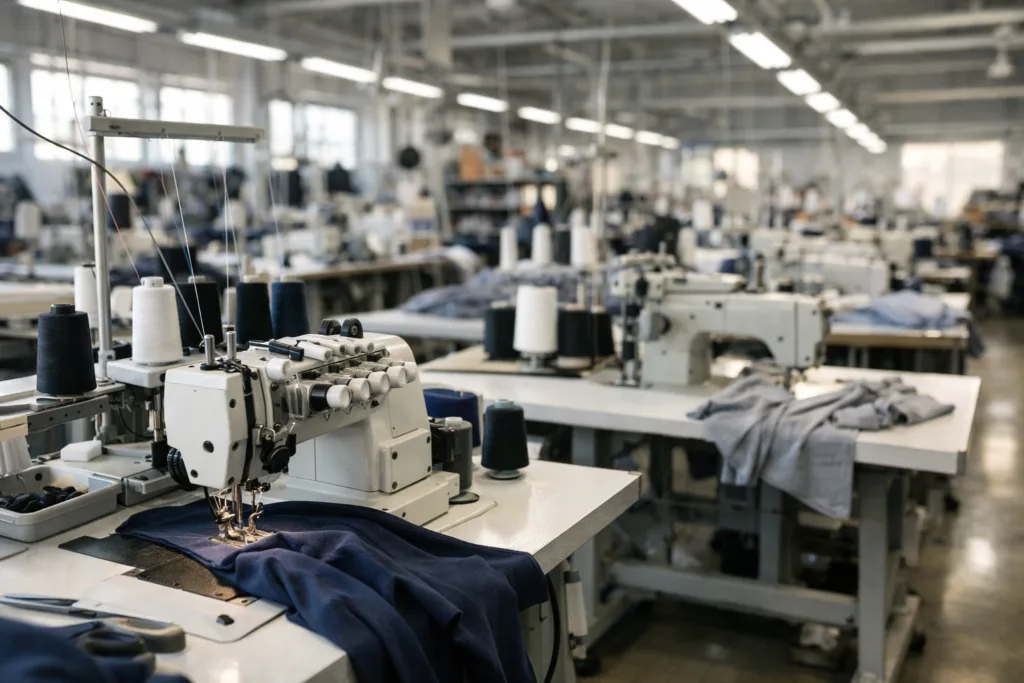
The gym clothing sector has expanded rapidly in recent years, with brands of all sizes entering the market. Gym clothing manufacturers range from boutique factories to large-scale operations serving global brands. Knowing the difference between a specialized activewear manufacturer and a general apparel supplier is important—fabrics, sewing techniques, and compliance standards all vary by specialization.
Types of Manufacturers: OEM, ODM, and CMT
- OEM (Original Equipment Manufacturer): Follows your designs and specifications for a private-label product.
- ODM (Original Design Manufacturer): Offers design support and ready-made collections you can tweak or rebrand.
- CMT (Cut, Make, Trim): Executes your technical package, sourcing materials per your instructions.
Gym Clothing Manufacturer Evaluation Checklist
Product Category Fit: Why It’s Critical
A manufacturer’s core category capabilities influence everything from pattern fit to trim options. Does the factory routinely make activewear, or is sportswear just a sideline? If gym clothing is not their main focus, your order may not get the attention it deserves. Assess whether their sample room, sewing teams, and QC are truly set up for gym apparel.
| Category Focus | Pros | Possible Issues |
|---|---|---|
| Pure Gym Wear | Fabric know-how, fit accuracy, stretchy seam expertise | Potentially higher MOQs |
| General Apparel | Broad offer, low MOQs | Weak in technical sportswear details |
Minimum Order Quantity (MOQ): Align With Your Growth Plan
MOQ varies widely by factory size and process setup. For startups, low MOQ (100–300pcs/style) allows for flexible testing, but larger factories may require 500–1000pcs.
- Ask for clear banded quotes (e.g., 100/500/1000/3000pcs) for each item.
- Check if total order MOQ can mix colors/sizes or if it’s per style per color.
- Negotiate sample runs—some factories are flexible, others are not.
Sampling Ability: Bringing Ideas to Life
Prototypes are the bridge between design and production. Evaluate their sampling speed, fit accuracy, and technical support. A reliable gym clothing manufacturer invests in pattern makers, fit technicians, and efficient sampling workflow. Detailed fit comments and video feedback can make a real difference, especially for brands selling performance leggings, sports bras, or compression gear.
Fabric Sourcing and Material Honesty
Fabric determines comfort and performance—especially for activewear. Assess if your manufacturer works with reputable mills and can provide material certifications if required (e.g., OEKO-TEX, GRS for recycled polyester). Request actual swatches and test them for stretch, peeling, colorfastness, and wash durability. The best partners are transparent, disclosing blends and mill sources, rather than vague “polyester” labels. From our factory floor experience at Ninghow, proactive communication on fabric specs prevents costly errors down the line.
Quality Control (QC): Consistency Through Every Batch
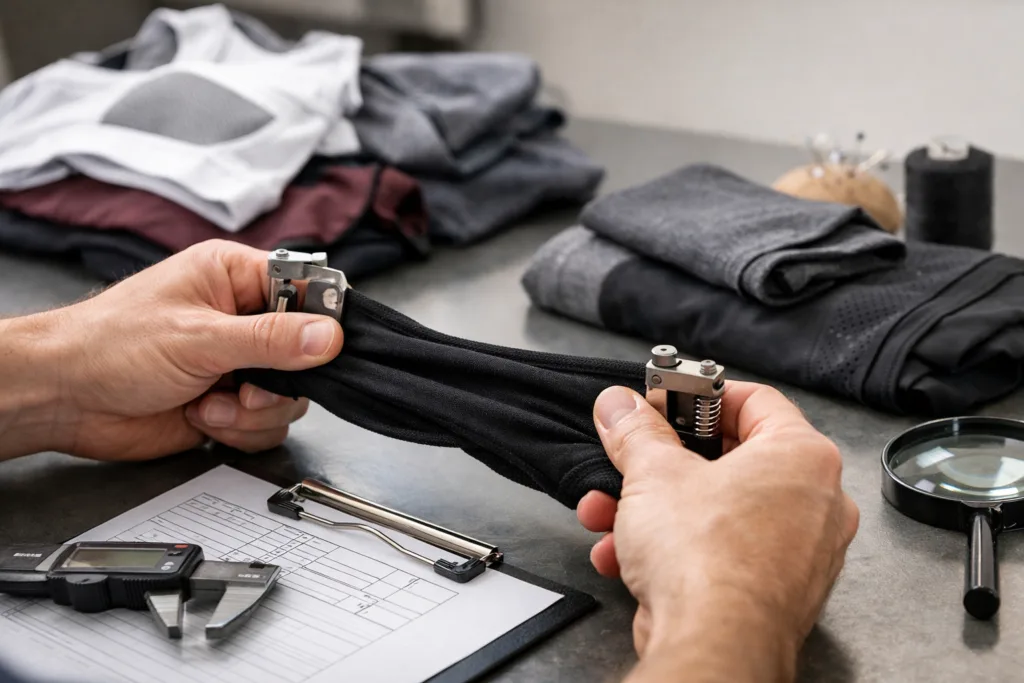
Quality is not just about one perfect sample—it’s about every unit in every batch. Ask factories about their inline QC, final inspection process, and defect rate history. Do they share QC reports? Are garments measured against size specs? Consistent overlock stitching, clean seams, and proper labeling are non-negotiable for gym wear. Consider sending a third-party inspector for assurance on your first orders.
Customization Options: Branded Identity Matters
Today’s gym wear needs more than plain colors—a strong brand presence often requires custom features such as:
- Heat transfer branding
- Embroidery
- Silicone and reflective prints
- Custom packaging and hangtags
Evaluate how the manufacturer handles logo artwork, placement accuracy, and wash tests for different techniques. Strong factories show flexibility but are clear about what is possible at certain MOQs.
Lead Time: Meeting Launch and Replenishment Needs
Standard production lead time for gym clothing is usually 30–60 days post-approval of PPS (pre-production sample). Check how they schedule sample development, production, and shipping. Ask whether peak season or holidays might cause delays. If your brand requires quick repeats, ensure the factory offers quick-turn programs or is transparent about the actual in-plant lead time.
Communication: The Thread That Runs Through the Process
Clear, timely communication prevents errors and builds trust. Evaluate response time during sampling and quotation. Is feedback thorough and clear? Well-organized factories provide regular updates, digital photos, and issue warnings early. Language can be a barrier—make sure you’re working directly with factory project managers, not just trading agents.
Digging Deeper: How to Vet a Gym Clothing Manufacturer
Request for Information (RFI): Collecting Essentials
Start with a focused RFI. Ask for a factory profile, production lines, main brands served, MOQ, lead time, and compliance certifications. Serious manufacturers will respond with clear, relevant data and not bury you in irrelevant marketing material.
Sample and Production Evaluation
Order a sample of actual finished gym wear from their prior runs or collection. Compare the factory’s claim with real product—check for fit accuracy, stretch recovery, print quality, and tag compliance. If permissible, request a video walk-through of the sewing area, sample room, and packing line for further transparency.
Site Visit or Third-Party Audit
For larger orders or long-term partnerships, visiting the facility is invaluable. If you can’t travel, use a trusted QC firm for a third-party audit. Critical areas include sample-to-production accuracy, worker safety protocols, materials storage, and production flow organization.
References and Portfolio Review
Ask for 2–3 references of sportswear or gym clothing brands. Be wary if the factory refuses—they may lack actual category experience. Reviewing their portfolio reveals much about style, finish, design range, and the caliber of their current client base.
Practical Considerations for Brands—Common Pitfalls and Solutions
Pitfall: Overpromising, Under-Delivering
Factories eager for business may overpromise on capabilities, lead times, or MOQs, only to struggle in execution. Dig deeper than the quote—validate with samples, real production records, and clear contract language.
Pitfall: Insufficient Technical Detail
In sports apparel, technical packs drive outcome. Ensure your tech pack is precise, complete, and understandable. Factories unfamiliar with gym clothing often ask too few questions; this is a red flag.
Pitfall: Quality Fade with Repeat Orders
Initial orders get attention; repeat production can sometimes drop in quality if not closely monitored. Brands should set up quality checks for all repeat runs, not just the first order. It can be helpful to reference this checklist and maintain ongoing QC communication.
How to Choose the Right Gym Clothing Manufacturer for Your Brand
Making the right choice starts with these steps:
- Map your brand’s requirements: core styles, expected growth, technical features.
- Shortlist factories whose main business matches your gym clothing category and pricing band.
- Use a written checklist for every candidate: MOQ, cost intervals, sample capability, and fabric sourcing honesty.
- Evaluate references, communication clarity, and willingness to co-develop solutions.
- Never skip sample development—even if cost or time feels pressured.
- Ask about post-shipment assistance for defective goods or claims procedures.
- Ensure compliance standards (chemical, labor, anti-sweatshop) are on file if you plan to sell in strict markets.
Deep Dive: Supplier Relationships for Startups vs. Established Brands
For Startups
Seek small to mid-sized factories that are open to low MOQs, fast sampling, and more hand-holding during tech pack refinement. Flexibility is key, as first productions often require troubleshooting and fast changes.
For Established Brands
Prioritize manufacturers who demonstrate scale, process documentation, and can match your compliance needs. Expect more structured payments, defined penalties for delays, and professional project management tools for real-time updates.
Costing Models in Gym Clothing Manufacturing
Breakdown of Costs
- Fabric and trim cost
- Labor (cut, sew, finish)
- Branding/decoration
- Packing and shipping
- Sample and development charges
A detailed quote helps distinguish transparent manufacturers from those simply offering a “lump sum.”
Negotiating Tips
- Negotiate on total order value, not just per piece price.
- Clarify what is included and excluded—are tags, labels, or packaging part of the quote?
- Seek flexibility on re-orders and contract “escalators” for growth.
Protecting Your Brand and Creating Lasting Value
IP and Design Protection
Share only what is necessary before final supplier selection. Use NDA agreements if possible and clarify the factory’s position on confidentiality and IP respect.
Building a Win-Win Relationship
The best outcomes come from long-term relationships, with both sides investing in mutual growth. Factories that care about your brand’s success are more likely to support you through both initial challenges and rapid expansion. Consistent, respectful communication beats price cuts when building a sustainable supply chain.
Two Real-World Case Studies
Startup’s First Gym Apparel Collection
A growing startup selected a gym clothing manufacturer specializing in low-MOQ activewear, allowing them to test the market with a manageable risk. Through several fit samples and transparent fabric discussions, they reduced costly mistakes and launched on-time with strong reviews for both quality and comfort.
Established Brand Moves Categories
An athletic brand transitioning into gym clothing partnered with a large, compliant manufacturer. Their sampling stage revealed several technical adjustments for advanced fabric blends. Thanks to clear RFIs and in-person reviews, the brand avoided fit issues and secured robust QC support for their wider retail rollout.
Industry Insights: Current Trends Impacting Gym Clothing Sourcing
- Sustainability is no longer a “nice to have”—brands should be ready to request recycled materials and verify certifications.
- Lead time flexibility is growing in importance—factories offering “rush order” options have a distinct advantage.
- Brands are prioritizing factories with proven digital project management and sample approval platforms for better transparency.
For a focused perspective on market changes in customized gym and team garments, it also helps to review trends in custom team clothing, which offers valuable insights for brands planning category expansion.
For those interested in sourcing from Asia, reviewing practical strategies for choosing a reliable manufacturer in China is recommended—especially to reduce communication errors and shipping surprises.
Conclusion: Actionable Takeaways for Sourcing Success
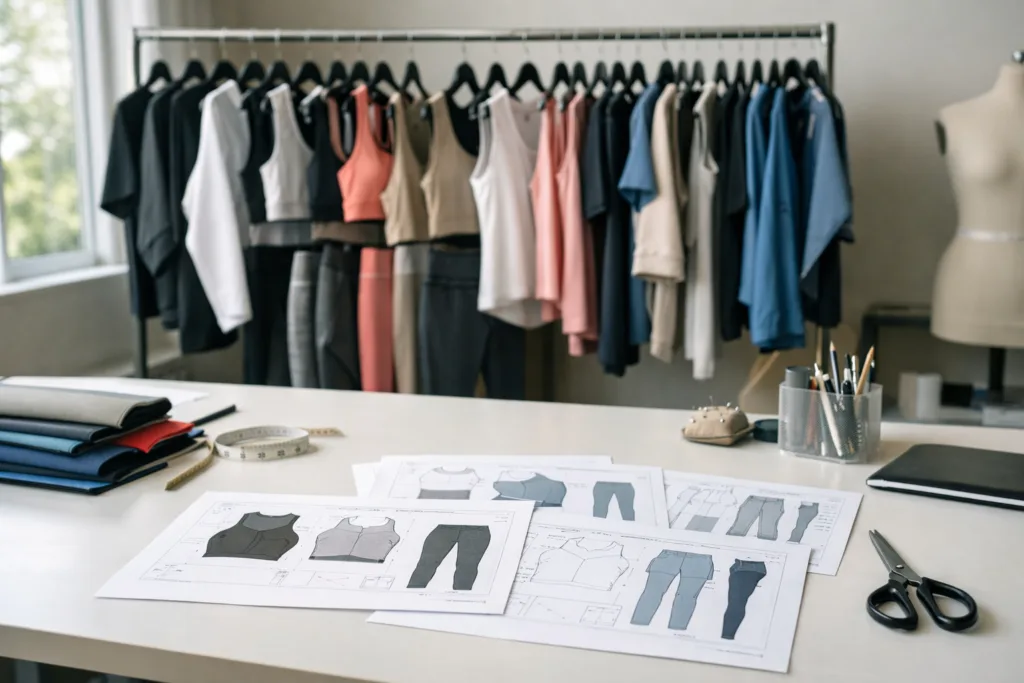
Choosing the right gym clothing manufacturer for your brand is a hands-on, multi-step process that goes far beyond the lowest quote. When you understand your needs, demand technical clarity, and prioritize fit for your brand, you set the foundation for successful production and satisfied customers. Remember: The best manufacturers are not always the biggest; they are the ones who care for detail, communicate openly, and see both your current order and your brand’s future. Commit to a structured selection checklist, maintain open communication, and never compromise on fabric honesty and QC consistency. This practical approach ensures your gym wear brand builds quality, reliability, and lasting customer trust from day one.
Frequently Asked Questions
How do I assess if a manufacturer truly specializes in gym clothing?
Review their main product portfolio, ask for real gym wear samples, check their sewing techniques, and look for references from activewear or gym apparel brands.
What is a reasonable MOQ for a gym clothing manufacturer?
MOQs vary from 100 to 1000 pieces per style. Startups may find MOQ around 200–300 feasible, while bigger factories set higher minimums for efficiency.
How fast can a reliable manufacturer deliver samples and production?
Sampling can take 1–3 weeks depending on complexity. Standard production normally takes 30–60 days after final sample approval but always confirm during quoting.
What technical package or information do factories need for accurate prototypes?
Provide clear tech packs with measurements, artwork, fabric specs, colorways, size breakdowns, and special trim notes. More technical detail reduces the risk of errors.
How can I ensure consistent quality over multiple orders?
Set clear QC standards, review pre-shipment samples, and communicate regularly with the manufacturer. Consider in-line and final inspections for ongoing assurance.
Is it better to work with large or small factories for my gym clothing brand?
Startups benefit from small to medium, flexible factories, while established brands gain from larger, process-driven operations. Match your brand stage to the manufacturer’s structure.