





Introduction: Why Packaging Options Matter for Gym Clothing Brands
Packaging is much more than a protective wrap. For gym clothing brands, packaging options signal quality, streamline logistics, and influence the final unboxing experience for both retailers and end customers. Choosing the right polybags, sets, kits, and retail-ready presentations can minimize damage, cut shipping costs, and reinforce your brand’s presence from warehouse to wardrobe. At Ninghow, we’ve seen how factory-level packaging planning makes a crucial difference for brands scaling up their private label, custom apparel, or gym clothing lines—from startups to established buyers seeking consistent retail shelf results.
For a more focused look at production capabilities, explore our gym clothing manufacturing options—a logical next step for brands, buyers, or sourcing professionals considering how packaging affects factory workflow, product presentation, and custom development scope.
Understanding Packaging Options for Gym Clothing Brands: Polybags, Sets, Kits, and Retail Presentation
This section covers the major packaging options you’ll encounter as a brand or sourcing specialist planning private label gym clothing production. It’s essential to understand not just the packaging types but what works best for your distribution model—be it direct-to-consumer (DTC), e-commerce, or traditional retail outlets.
What is ‘Retail-Ready’ in Gym Clothing Packaging?
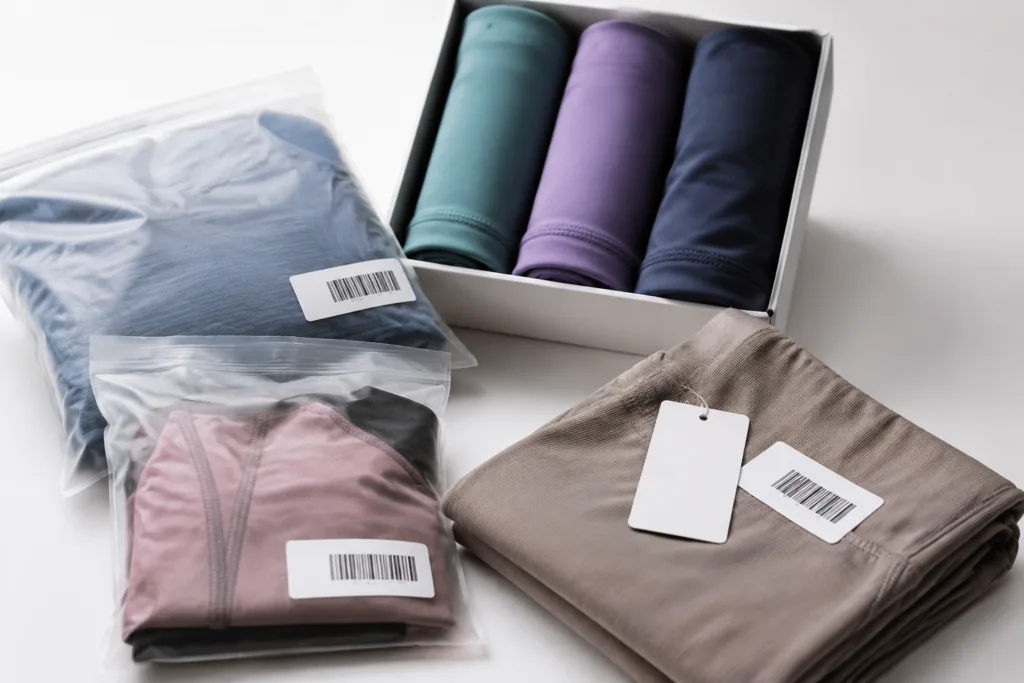
Retail-ready packaging means your gym clothing can move straight from the production carton to a retail shelf with minimal handling. This typically includes individual folding in branded polybags, barcode stickers, size labels, and sometimes hanger sets. Brands working with large retailers need to define these requirements at the sampling or quotation stage.
Polybags: The Classic Gym Apparel Solution
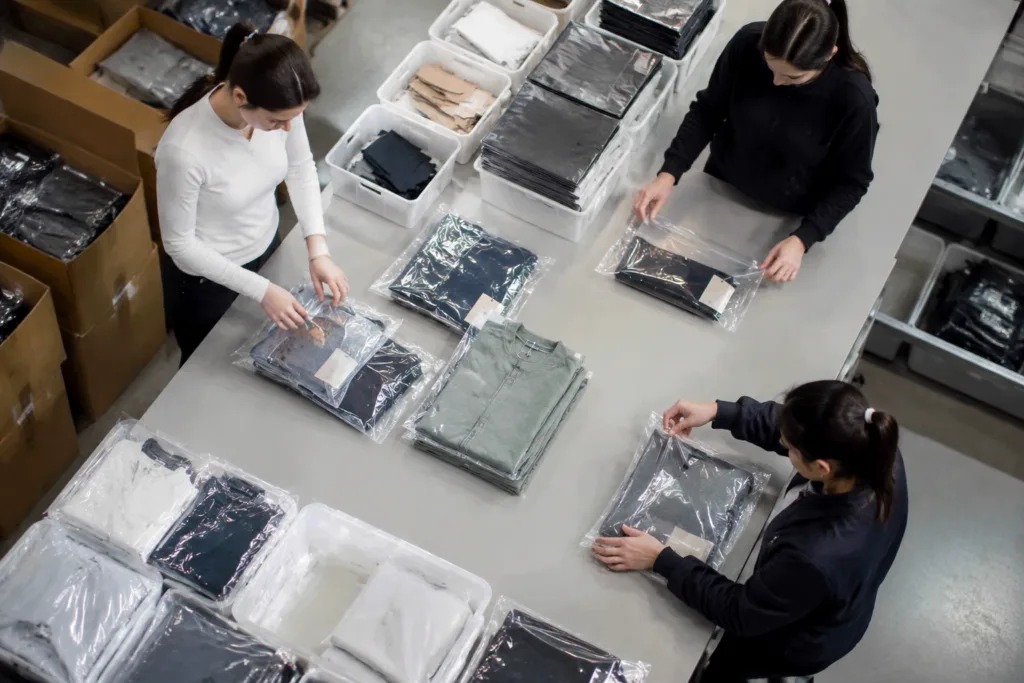
Clear polybags remain the most common packaging for gym T-shirts, shorts, leggings, and hoodies. They protect garments from dust, moisture, and warehouse handling. Brands can specify thickness, print logos, or choose bio-based materials as sustainability rises in importance.
- Standard (clear, unprinted, 0.04–0.06mm typical)
- Custom-printed (small logos, warnings, or care instructions)
- Biodegradable/compostable (good for eco-focused brands)
Barcodes, Size Labels, and How Stickers Speed Up Inventory
Supply chain accuracy relies on simple details: unique barcodes, size stickers, or even SKU-specific color dots. Factories like Ninghow can apply these as part of the packaging flow—helping brands minimize repacking or relabeling after delivery.
Branded Labels and Custom Hangtags: Not Just Add-Ons
Strong branding starts with details like woven neck labels, printed care labels, and hangtags. Manufacturers attach these during final finishing, ensuring every piece consistently represents your identity in B2B sales or DTC shipments.
Sets, Kits, and Multi-Piece Inner Packs: For Wholesale & E-commerce
When selling through e-commerce or B2B wholesale, gym clothing brands often pack multi-piece sets—such as top/bottom outfit bundles or three-pack leggings. The format could be a single large polybag, a printed box, or both, depending on logistics and customer expectations.
Individual vs. Bulk Packing: What’s Right for Your Brand?
Bulk packing (many pieces in one carton) may reduce packaging waste and cost, but increases warehouse complexity. Individual polybags shine for premium lines, online retail, or when ready-to-shelf presentation is critical. Discuss pros and cons with your manufacturer early on to prevent late-stage headaches.
E-commerce Prep: Packaging for Direct Shipping Success
E-commerce brands should plan packaging so that fulfillment teams or 3PL partners move faster—think scannable barcodes, compact inner packs, and damage-resistant polybags. This often involves closer collaboration between the factory’s QC and your logistics partner.
Custom Branded Boxes: Upgrade or Overkill?
Rigid or folding boxes are a major step up in perceived value, and may be warranted for influencer drops, subscription kits, or high-priced items. However, they increase freight costs and carton utilization, so brands need to weigh image upgrades against margin realities.
How Packaging Impacts Factory Cost (and Your Quote)
Every packaging detail—bag thickness, size, print color, sticker, extra folding—adds cost. Factories quote differently for basic, premium, or eco packaging. Early spec clarity helps avoid last-minute upcharges or delays. For factories like Ninghow, confirming these requirements at the sampling stage prevents unnecessary remakes and waste.
Compliance and Sustainability: Essential for Today’s Gym Clothing Brands
More retailers now require compliance with recycling standards or local packaging laws (for example, Germany’s VerpackG or Amazon’s FFP programs). Sustainable packaging, while adding cost, may open doors to premium stockists or resonate with eco-conscious fitness audiences.
Eco-Friendly Polybag Alternatives
- PLA (cornstarch-based) bags
- Recycled PE or PP content
- Kraft paper wrap
Critical Packaging Decisions to Make Early in Sourcing
Packaging should not be an afterthought. Brands planning production with factories must communicate key packaging preferences with technical packs, sample reviews, and clear QC checklists. Waiting until mass production to finalize packaging often triggers delays and costly revisions.
- Individual or set/bulk packaging?
- Logo print, hangtag design, sticker requirements?
- Inner and master carton labeling layouts?
Global Shipping and Carton Marking Standards
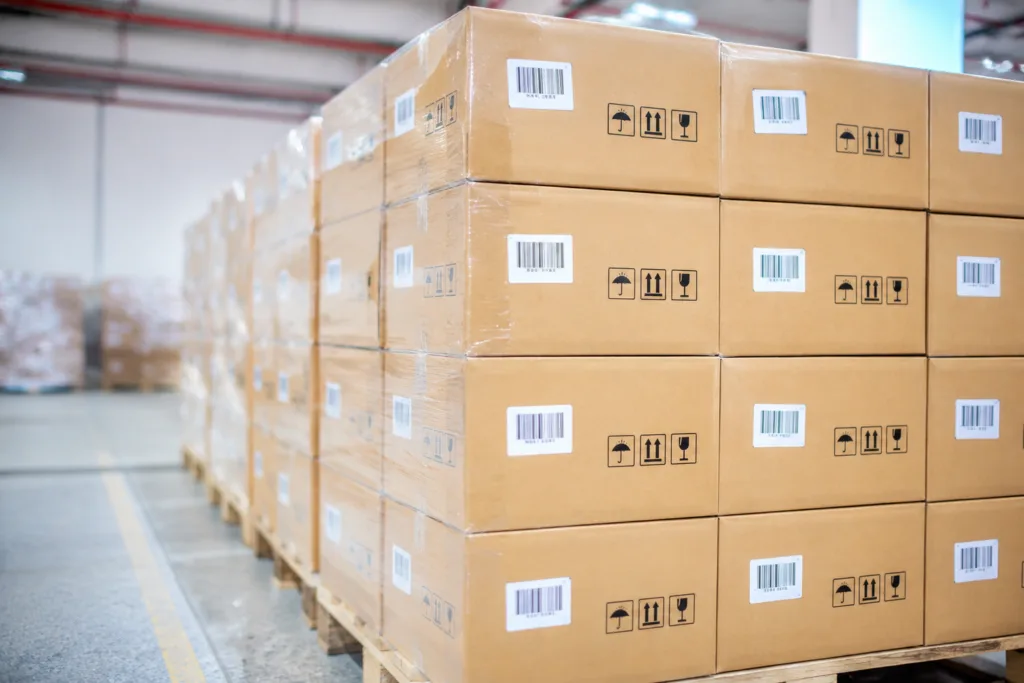
International shipments require accurate outer carton markings (contents, size breakdown, country of origin, consignee, etc.). Factories typically supply a standardized format, but custom logo cartons or compliance for big-box retailers add steps.
MOQ Impact: How Packaging Choices Affect Minimums
Some packaging formats, especially branded boxes or printed polybags, require higher MOQs (minimum order quantities) due to printing setups. Simple packaging (clear polybags, generic stickers) keeps MOQs lower, offering brands better flexibility in small-run or test orders.
Set-Up Costs and Lead Time Planning
Custom die-cut boxes or printed bags involve set-up time, which can impact initial order lead times. Brands should allow extra sampling rounds (one for garment fit, one for packaging) to avoid production delays and last-minute air freights.
Factory Packaging Flow: How It Works from Cut to Ship
In a typical gym clothing production run, garments are QC-checked, folded, bagged, stickered, and grouped into inner and master cartons according to the brand’s packing list. Consistent packaging instructions avoid picking errors and speed up final dispatch.
Troubleshooting Common Gym Clothing Packaging Issues
Frequent packaging pain points include missing stickers, size mix-ups, poorly sealed bags, or retail returns due to damaged presentation. A practical tip from real manufacturing: review pre-shipment samples and carton layouts—not just finished garments.
Packing Checklist for Buyers & Sourcing Teams
- Confirm packing method (individual, set, kit, bulk)
- Approve physical or photo sample of final packaging
- Align labeling—barcode, size sticker, hangtag positioning
- Request master carton packing lists for inbound inventory planning
How Manufacturers Like Ninghow Prevent Packaging Surprises
From a production standpoint, strict adherence to the approved packaging sample and checklist is non-negotiable. At Ninghow, we build packaging templates from customer specifications, train line QC, and supply photo or video proof for every first order. This minimizes rework, increases shipment predictability, and helps our brand partners avoid expensive repacking downstream.
Cost-Effective Packaging for Startup Gym Brands
Startups and new brands often worry about packaging spend. Options such as generic clear polybags with hangtags, combined with printable master carton stickers, create a cost-effective foundation. Branding upgrades—like custom bags or rigid boxes—can be phased in as volume grows.
Full-Service vs. Buyer-Supplied Packaging Materials
Some brands supply pre-printed boxes or stickers to the manufacturer; others rely fully on factory sourcing and setup. Both approaches work, but supplying your own can introduce delays due to international shipping of packaging components. Clear communication of responsibilities early in the process is vital.
Brand Consistency: From Factory to Customer Unboxing
Consistent packaging across product lines strengthens your brand. That can mean unified hangtags, matching logo polybags, or standardized barcodes. Consistency also improves warehouse accuracy and e-commerce fulfillment speed. Plan this at your initial production briefing for best results.
[PROMPT]: Packaging Options for Gym Clothing Brands: Polybags, Sets, Kits, and Retail Presentation
Whether you’re launching a direct-to-consumer startup or servicing big retail accounts, understanding the range and impact of packaging options—from basic polybags to multi-piece kits, branded boxes, and retail shelf requirements—empowers your brand’s growth and reputation. If you work closely with your manufacturer and communicate packaging preferences early, you’ll gain efficiencies, better first impressions, and fewer supply chain surprises.
Comparing Packaging Details Through a Practical Lens
The table below breaks down packaging options for gym clothing, highlighting strengths, use cases, and key trade-offs for brands making sourcing decisions:
| Packaging Type | Strengths | Drawbacks | Best For |
|---|---|---|---|
| Clear Polybag (Standard) | Low cost, easy to QC, common | Not premium, limited unboxing value | Bulk e-comm, low-mid price range |
| Custom Printed Bag | Enhances branding, some eco options | Higher MOQ/cost, lead time increases | Mid-upmarket, eco/conscious DTC |
| Multi-Piece Set (Bag/Box) | Easy e-comm shipping, fits “bundle” offers | Less flexibility in size choice | Retail multipacks, uniform teams |
| Branded Box | Retail premium, Instagram-unboxing | High cost, possible waste, more storage | Gift packs, limited editions |
| Bulk Carton (Unbagged) | Lowest cost, fastest to pack | No retail, more warehouse labor | B2B transfer, pre-Kitting locations |
Integrating Packaging with Your Brand’s Sourcing Workflow
Packaging planning should align with overall production—matching the product drop, promotional cycles, and retail launch. Synchronize approvals for packaging with your main garment samples and keep communication open with your factory partner for best outcomes.
Two Essential Production References for Packaging Decision Makers
- If you need to understand fabric GSM in gym clothing, this detailed reference clarifies fit and pack-size impacts.
- To learn how to compare manufacturer quotes, review this and cross-reference quoted packaging with inclusions and exclusions.
Conclusion: Smarter Packaging Leads to Smooth Growth
Effective, well-planned packaging options for gym clothing brands—whether polybags, sets, kits, or retail-ready displays—are not just a finishing detail. When addressed early and thoroughly, the right packaging reduces headaches for brands, enhances shelf appeal, speeds up logistics, and supports long-term reputation in the market. Keep the communication open, get hands-on with sample approvals, and treat packaging as an essential part of every apparel production journey.
Frequently Asked Questions
What packaging is best for start-up gym brands?
Simple clear polybags with standard hangtags are practical for startups. They offer protection, low cost, and easy branding upgrades as your business grows.
Can factories supply custom-printed polybags for low MOQs?
Usually, custom-printed polybags have higher minimum order quantities due to print setup. For low-volume brands, plain bags with branded stickers can be a good compromise.
What should be included in a retail-ready packaging spec?
Retail-ready specs cover individual folding, correct size/brand labels, barcodes, and sometimes hangers. Confirm details in your tech pack and sample sign-off for consistency.
How do packaging choices affect shipping costs?
Heavier or bulky packaging (like rigid boxes) increases freight and storage costs. Lightweight polybags or compact set packs often save cost and space in transit.
Can I request eco-friendly packaging for gym apparel?
Yes—most factories can source biodegradable polybags, recycled paper, or PLA alternatives. Mention sustainability goals early to plan for MOQ and cost impacts.
When should I finalize packaging preferences in the production process?
Decide packaging preferences before final sample approval and quotation. Last-minute changes often cause delays, rework, and additional expense.