


Introduction: Why Get Specific With Custom Gym Shorts Manufacturing?
Building effective custom gym shorts is less about following trends and more about making decisions grounded in the realities of production. For brands seeking wholesale gym shorts or athletic shorts in bulk, understanding fabrics, liners, fit options, and branding techniques provides a competitive edge. This guide is designed to address key product-specific details so you can develop a thorough, cost-effective gym shorts brief—critical for clear communication and accurate manufacturing quotes.
For readers who want a more targeted look at execution and manufacturer capabilities for custom gym apparel, a useful next step is to review how factories approach the broader category on the Explore custom gym clothing manufacturers page. This resource details Ninghow’s practical approach to translating design intent into scalable production for fitness brands, ensuring your sourced products align with your unique requirements.
Preparing Your Gym Shorts Brief: Gathering Product Fundamentals
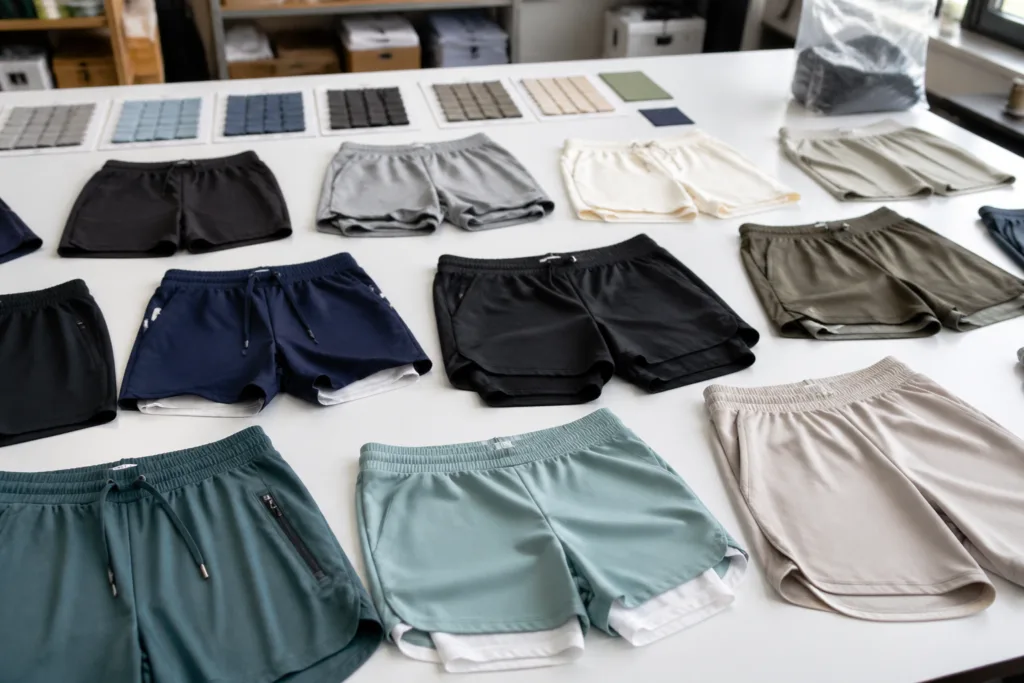
Before reaching out for quotes, collect critical design, performance, and branding expectations for your custom gym shorts. A detailed brief keeps production efficient, minimizes misunderstandings, and reduces the likelihood of costly mistakes.
Clarifying Your End User and Use Case
Understanding the target wearer—high-intensity athletes, casual gym-goers, or team sports—directly informs decisions on inseam length, liner types, fabric weight, and trim details.
Outlining Key Measurements and Fit Profile
Providing sample shorts or a clear spec sheet with waist, hip, thigh, and inseam lengths helps maintain grading accuracy across size runs.
Common Inseam Lengths: Finding the Functional Sweet Spot
Inseam influences both function and style, and manufacturers need clarity here:
- 5-inch inseam: Offers maximum mobility, common for HIIT or running shorts
- 7-inch inseam: Versatile, often preferred for everyday gym wear
- 9-inch inseam: More coverage, ideal for team sports and traditional fits
| Inseam | User Profile | Notes |
|---|---|---|
| 5″ | Sprinters, HIIT brands | Unrestricted movement, shorter rise |
| 7″ | Fitness, general gym | Balanced performance/coverage |
| 9″ | Team sports, modest fit | Ample coverage, less revealing |
Liner Options: Comfort, Performance, and Manufacturing Considerations
Liners significantly affect the comfort and intended use of your custom gym shorts. Manufacturers typically offer three main styles:
- Mesh Knit Liner: Lightweight, moisture-wicking, budget-friendly. Common in mass-market production but can feel scratchy if fabric quality is low.
- Compression Short Liner: Offers support and anti-chafing benefits. Higher material cost but adds value for premium performance shorts.
- No Liner: Preferred by some consumers, but additional stitching or binding may be needed for a professional finish.
Managing MOQ and Liner Customization
Adding special liner materials or prints usually increases your MOQ. For detailed guidance, see Understanding MOQ in gym apparel.
Waistband Construction: From Basic to Branded
Waistbands can impact both comfort and brand visibility:
- Encased Elastic: Traditional choice, elastic is stitched into a fabric tunnel. Easy to produce at scale.
- Exposed Elastic Waistband: Allows for direct branding/logo weaving on the elastic. Used for premium looks but may incur tooling/setup fees.
- Hybrid Drawstring/Elastic Waistband: Maximizes adjustability and customer fit satisfaction. Important when multiple body types are served.
Fit Adjustment Features
Choose between internal flat drawcords (for hidden adjustment) or external drawcords (for a sportier style or color contrast).
Pocket Choices: Security, Placement, and Usability
Pockets are no longer an afterthought. Consider these formats:
- Side Seam Pockets: Universal, hidden construction
- Zip Pockets: For valuables, increases sewing complexity
- Rear Patch Pockets: Often used for branding or style; rare in high-performance shorts
- No Pockets: Lightweight/running shorts, but less utility
Fabrics for Gym Shorts: Balancing Stretch, Strength, and Feel
Choosing the right material mix is one of the highest-impact decisions for custom gym shorts manufacturing. The correct fabric supports flexibility, sweat-wicking, and long-term wear—all core selling points for buyers and athletes.
- Polyester or Polyester-Spandex Blends: Durable, colorfast, and engineered for moisture management.
- Nylon/Elastane Mixes: Smoother hand-feel and quicker drying but generally higher raw material cost.
- Cotton or Cotton-Rich Blends: Soft on the skin but absorbs moisture, often blended with synthetic yarns.
For a deeper dive into fabric performance and sourcing, readers comparing manufacturing choices may benefit from Top fabric choices for gym clothing—a detailed resource for matching fiber blends, weights, and technical features with your design goals.
Fabric Weight and GSM: Tuning Weight to Season or Use Case
Typical fabric weights for gym shorts range from 100 to 180gsm. Lower weights maximize breathability; heavier fabrics offer more coverage and drape. Your desired drape, opacity, and climate all influence the ideal GSM.
Seam Construction and Stitch Types
Well-constructed seams add strength and durability. Popular choices for gym shorts include:
- Flatlock Stitching: Lies flat, reduces skin irritation—ideal for performance shorts with tight fits.
- Overlock (Serger) Seams: Standard for mass-market shorts, offering good seam strength.
- Reinforced Bartacks: Used at stress points (pocket openings, drawcord exits) for long-lasting durability.
Brand’s View: A Note from the Production Floor
At Ninghow, we find that early sampling with your actual trims and chosen fabrics often highlights weak points in seam choices. It’s wise to test at least two seam styles on first-run samples, especially for high-movement garments like gym shorts.
Branding Methods: Bringing Your Logo to Life
Bold branding builds recognition, but the best application method depends on quantity, fabric, and desired finish:
- Screen Printing: Budget-friendly, suitable for large runs, but less effective on textured surfaces.
- Heat Transfer: Vibrant, low-minimum option; longevity depends on application quality and fabric blend.
- Embroidery: Highly durable, premium look, best on heavier materials or elastic waistbands.
- Woven Labels: Subtle, classic—suitable for waist, side, or pocket placement.
Factory Trade-Offs to Note
Highly customized logos may add per-unit costs and require early approval of logo placement via sample photos or pre-production runs. Requests for silicone/rubberized applications or reflective branding are workable at higher order volumes but may not be practical for small MOQs.
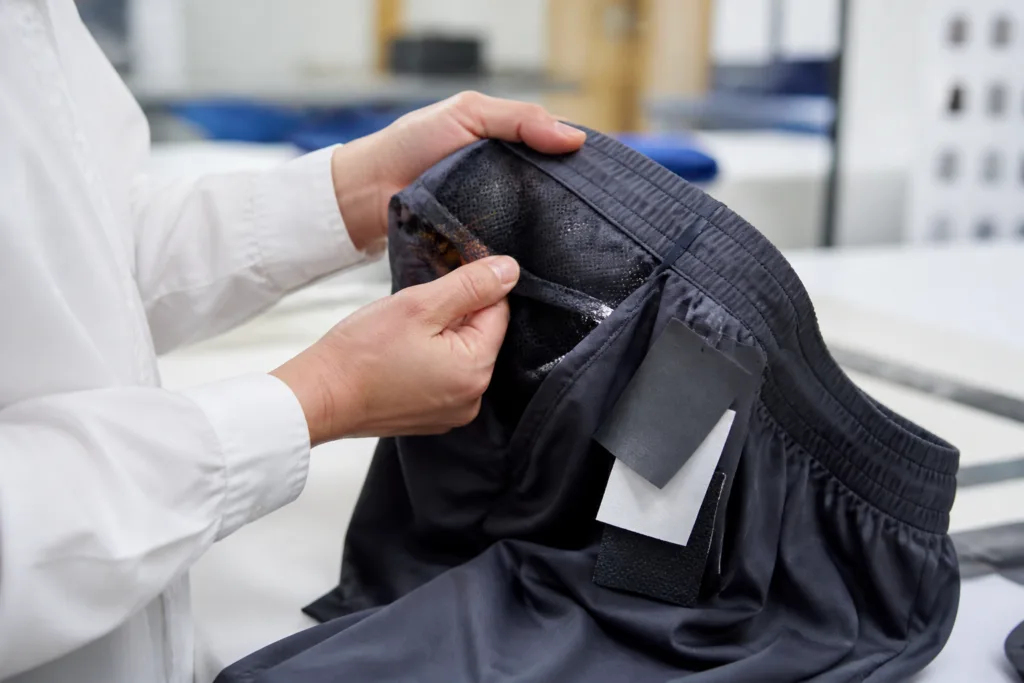
Color, Dyes, and Finishing Effects
Sourcing for athletic shorts in bulk often involves selecting a tight color palette. Stock-dye programs offer affordable options, while lab-dipped custom shades or garment washes require higher MOQs and longer lead times.
Custom Trims and Hardware: Adding Detail or Function
Elements like branded aglets, reflective tape, custom zipper pulls, and vent eyelets distinguish a product but can add complexity. Trims are frequently ordered in bulk to reduce per-piece costs. Consistency is ensured by early sampling and maintaining a trim inventory for ongoing production.
Developing Your Fit: Adjusting for Global Markets
Sizing conventions (Asian, European, US) vary and affect grading specifications. Clear communication and tech packs referencing size charts are essential for consistency across deliveries. If targeting multiple global regions, work with your manufacturer on a harmonized grade rule or provide detailed measurement tables.
Labelling, Regulatory Requirements, and Care Tags
Custom gym shorts shipped internationally must comply with local labeling standards, including fiber content, care instructions, and country of origin. Planning label artwork and placement avoids customs delays and last-minute relabeling costs.
Sample Approval: Margin for Iteration
Strong product briefs nearly always require at least one round of sampling. This step reveals real-world differences in fit, hand-feel, and finishing that can’t be captured on paper. Budget for minor changes, such as drawcord length, pocket depth, or seam tightness, after fit testing on live models—a process that ultimately tightens your brand’s sizing and comfort consistency.
What to Review in Samples
- Inseam accuracy (measure with tape, not just on spec)
- Waistband tension and logo clarity
- Stitch integrity after stress-testing
- Print/embroidery alignment and colorfastness
Production Quantities and Bulk Pricing Realities
Bigger volumes unlock better per-unit costs and expand your selection of fabrics, trims, and branding methods. However, higher MOQs also increase inventory risk. It’s critical to align production quantity with sales forecasts and sampling feedback. For detailed guidelines on MOQs affecting your gym shorts project, refer to Understanding MOQ in gym apparel.
Packing, Folding, and Presentation for Retail/Fulfillment
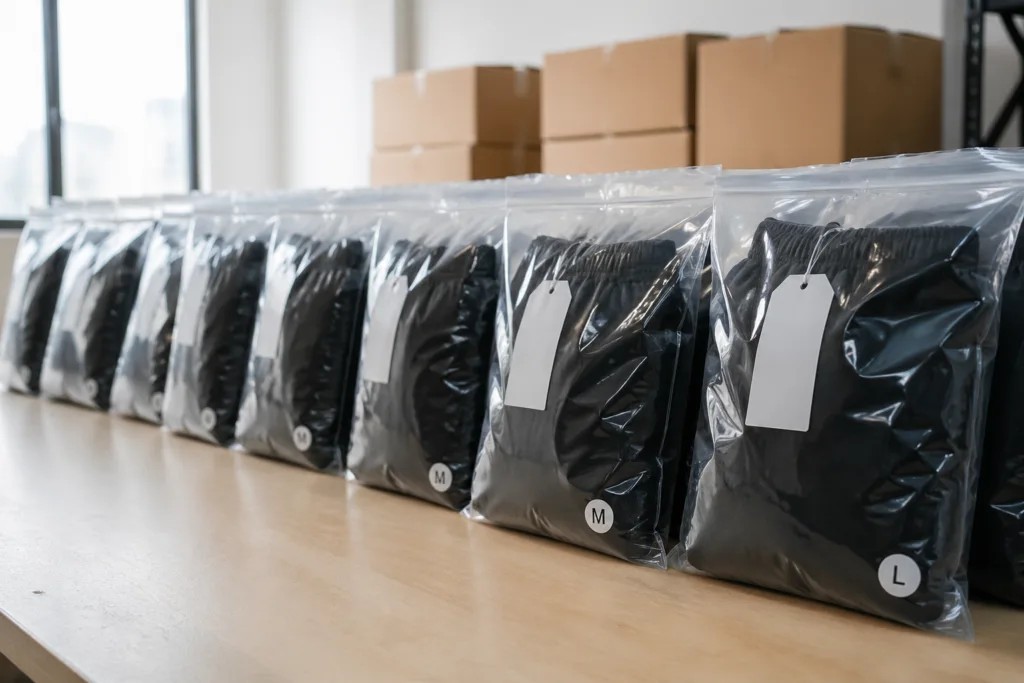
Small details like individual polybagging, size labeling, and cartons pre-packed by SKU can reduce downstream distribution work. Retailers may also expect swing tags or special folding for on-shelf presentation—clarifying these requirements upfront ensures no surprises on arrival.
Shipping, Logistics, and Lead Time Planning
Gym shorts generally pack densely, making sea and air freight relatively cost-efficient. Lead times are affected by seasonal surges, dyehouse or trim supply chain delays, and transit time to destination country. A realistic schedule includes buffer time for pre-production sampling, print/trim approvals, and post-production QC.
Quality Control: On-Site Checks and Key Defects to Watch
In bulk gym shorts runs, typical QC issues include misaligned prints, skipped stitches, uneven inseams, and trim color mismatch. Ninghow recommends in-line and final pre-shipment inspections, focusing on fit, labeling, and sample-to-bulk consistency.
Private Label, OEM, or Wholesale: Which Route Is Best?
Brands choose from private label (factory designs, your label), OEM (your spec, made-to-order), or wholesale (factory’s stock, minimal change). Each approach affects pricing, exclusivity, and speed to market. For more on these options, see the Related Reading section below.
Custom Gym Shorts Manufacturer Guide: Fabrics, Liners, Fit, and Branding
This section serves as a checkpoint for readers building their manufacturing brief—ensuring you’ve considered inseam length, liner requirements, branding method, pocket style, fabric weight, waistband construction, and presentation details. Addressing these specifics leads to more predictable sampling and bulk production outcomes, minimizing delays and unnecessary costs.
Conclusion: Next Steps for Building Your Custom Gym Shorts
Building a successful gym shorts product involves much more than picking trending fabrics—every detail shapes the end-user experience and your manufacturing efficiency. Clarify inseam expectations, liner preferences, waistband function, pocket needs, fabric characteristics, and branding approach up front. Work closely with your manufacturer on manageable MOQs, prototyping, and pre-shipment QC to avoid costly afterthoughts. With a detailed brief and clear production roadmap, you’ll shift from rough ideas to reliable, repeatable gym shorts development—making your next bulk or custom project run smoother than ever.
Frequently Asked Questions
What are the best fabric blends for custom gym shorts?
Polyester-spandex or nylon-elastane blends are most popular due to their durability, stretch, and moisture-wicking capabilities—making them ideal for active use.
How do I choose the right inseam for wholesale gym shorts?
Select a 5″ inseam for high-mobility sports, 7″ for general fitness, or 9″ for team and modest-fit applications. Reference end user needs and sample for feedback.
Can I add custom branding to elastic waistbands?
Yes, most manufacturers offer woven or printed branding on exposed elastics, although this may increase your MOQ and require longer sample approval time.
What is the difference between mesh liners and compression short liners?
Mesh liners are lightweight and breathable but offer minimal support; compression liners provide more structure, aid muscle support, and reduce chafing for intense training.
How do I ensure size and fit consistency between orders?
Supply detailed measurement charts, approve production samples, and discuss QC standards with your manufacturer to keep sizing accurate through all production runs.
Are there MOQ differences for custom trims or unique fabrics?
Yes, custom trims and unique dyed fabrics usually require higher MOQs. Standard materials allow lower order quantities and shorter lead times.