



Introduction: Navigating Men’s Gym Wear Manufacturing
When apparel brands, buyers, and sourcing professionals evaluate men’s gym wear manufacturers, choosing wisely isn’t just a matter of style—it is about aligning fit, durability, and scalable production with market expectations. The landscape of gym apparel for men is more competitive than ever, meaning sourcing decisions must be grounded in both product logic and practical factory insight. Understanding material choices, fit options, and how manufacturers approach branding and grading is essential before moving forward.
For a more focused look at production capabilities, readers comparing manufacturing options may also want to review how manufacturers present this category on custom gym clothing manufacturers. This page provides a breakdown of custom development options, outlines factory expertise, and helps clarify what’s realistic when planning your next sourcing step for men’s gym wear.
Market Overview: Men’s Gym Wear Demand and Trends
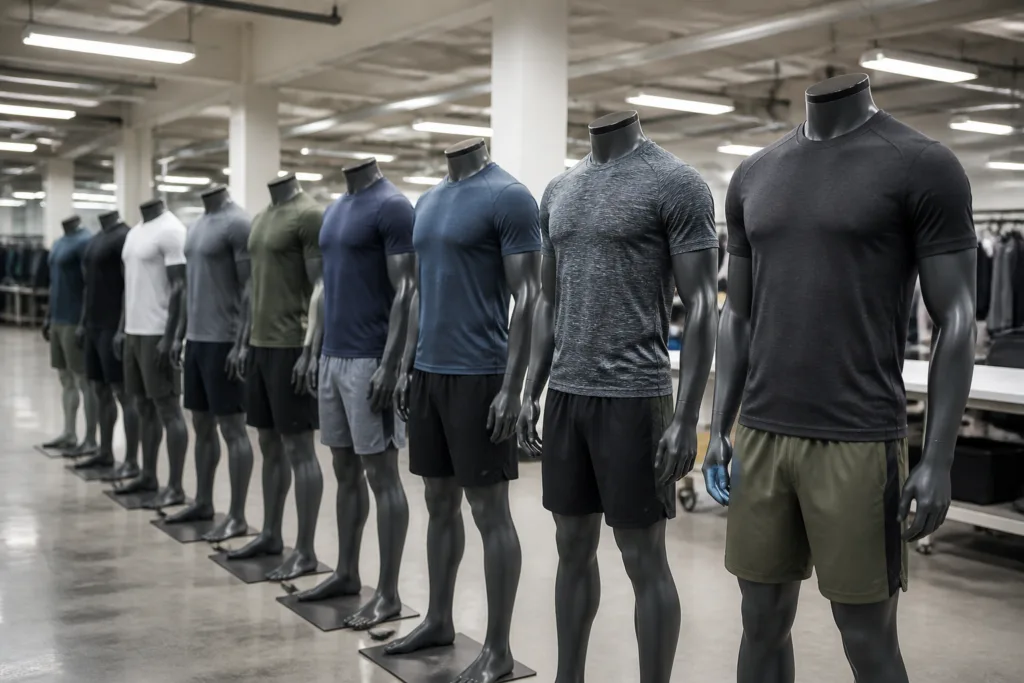
The activewear market for men continues to evolve, driven by fitness routines, athleisure popularity, and ever-changing consumer preferences. Brands are expected to deliver performance, comfort, and distinctive style—all supported by robust manufacturer capabilities.
Key Product Categories in Men’s Gym Wear
- T-shirts & Workout Shirts
- Running Shorts & Workout Shorts
- Compression Tops & Bottoms
- Hoodies & Jackets
- Track Pants & Joggers
Consumer Priorities
- Fit accuracy
- Fabric performance (moisture-wicking, odor control)
- Durable stitching & construction
- Branding space (logos, prints, heat transfers)
Understanding Fabric Selection for Men’s Gym Apparel
Fabric choice affects everything from comfort and performance to longevity. Buyers should weigh each option based on target consumer, product usage, and desired retail pricing.
Popular Men’s Gym Wear Fabrics
| Fabric Type | Key Benefits | Common Uses |
|---|---|---|
| Polyester | Lightweight, moisture-wicking, fast drying | Running shirts, shorts |
| Cotton Blends | Soft, breathable, cost-effective | T-shirts, sweatshirts |
| Spandex/Elastane | Stretch, compression | Compression tops, shorts |
| Nylon | Durable, abrasion-resistant | Jackets, shorts |
Fabric Durability Considerations
- High-twist yarns for resilience
- Anti-pilling treatments
- Fade resistance for colored styles
Pillars of Fit and Sizing in Men’s Gym Wear
A well-graded, accurate fit can make or break a men’s gym wear collection. Beyond S/M/L/XL, brands must consider body type variance and performance-driven fit intentions.
Fit Types Common in Men’s Gym Apparel
- Classic Regular Fit
- Slim Athletic Cut
- Relaxed Fit (for layering)
- Compression (body-hugging)
Size Grading: Why It Matters
Detailed size grading ensures consistency across batches and minimizes costly returns. Manufacturers must provide clear size charts based on sampling data and retail benchmarks.
Odor Control and Moisture Management Technologies
Performance gym apparel for men needs robust solutions for odor, moisture, and sweat handling.
Key Odor Control Solutions
- Antimicrobial finishes
- Silver ion treatment
- Polyester blends engineered for odor resistance
Moisture-Wicking Technologies
- Specialized yarns (e.g., Coolmax)
- Mesh ventilation panels
- Quick-dry coatings
Branding Space: Customization Options for Men’s Gym Wear
Branding can be subtle or bold, but factories must provide flexible solutions for logo placement, prints, and customization.
Branding Methods
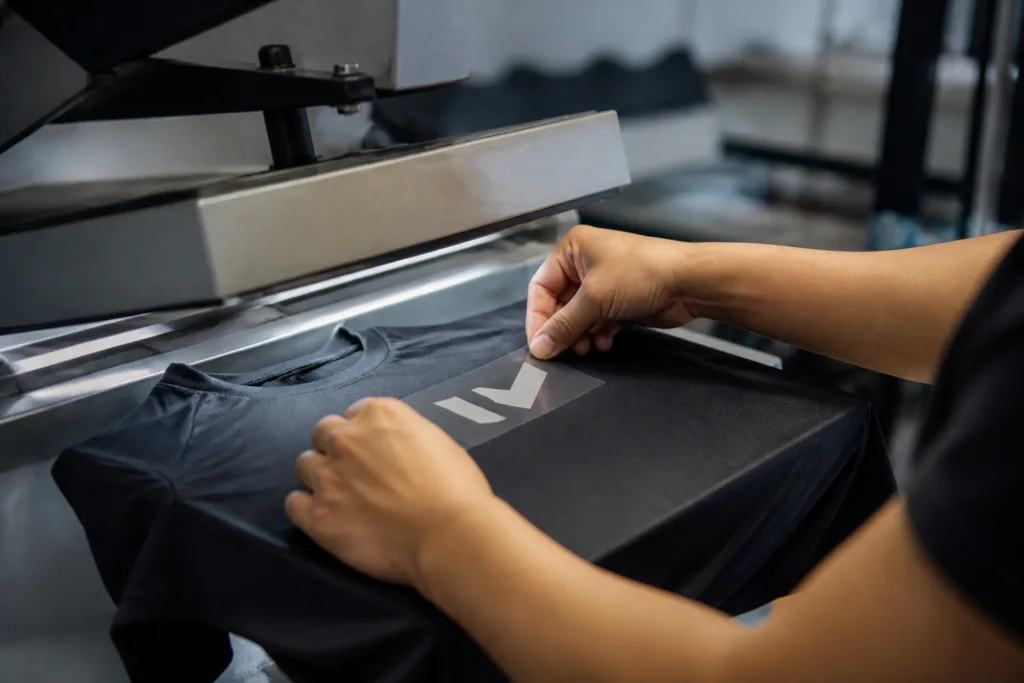
- Heat transfer printing
- Screen printing
- Embroidery
- Sublimation
Popular Branding Locations
- Chest (workout shirts, hoodies)
- Leg hem (shorts, joggers)
- Sleeve
Wholesale Men’s Shorts: What Buyers Should Know
When sourcing wholesale men’s shorts, buyers should focus on fit options, fabric durability, and margin-friendly production minimums.
- Short length: mid-thigh to knee
- Waistband options: elastic, drawstring, bonded
- Pocket design and closure
- Fabric: woven or knit blends
For a deeper look at shorts customization and production standards, see our custom gym shorts guide.
Men’s Workout Shirts: Functional Design and Sourcing Logic
Shirts are both the visual centerpiece and practical anchor in every mens gym collection. Key priorities include seam placement, breathability, and anti-chafe features.
Design Elements to Consider
- Flatlock stitching (minimize friction)
- Drop-shoulder vs raglan sleeve
- Back panel mesh for airflow
- Stretch-rib collars for shape retention
For practical insights on sourcing workout shirts, see our guide on choosing the right gym clothing manufacturer.
Practical Observations from the Manufacturing Floor
Buyers seeking predictable results should ask how factories handle prototype sampling, fit testing, and batch QC. For example, Ninghow’s approach emphasizes controlled sampling runs with fit approval before bulk cutting—reducing costly post-production corrections.
MOQ and Production Lead Times in Men’s Gym Wear
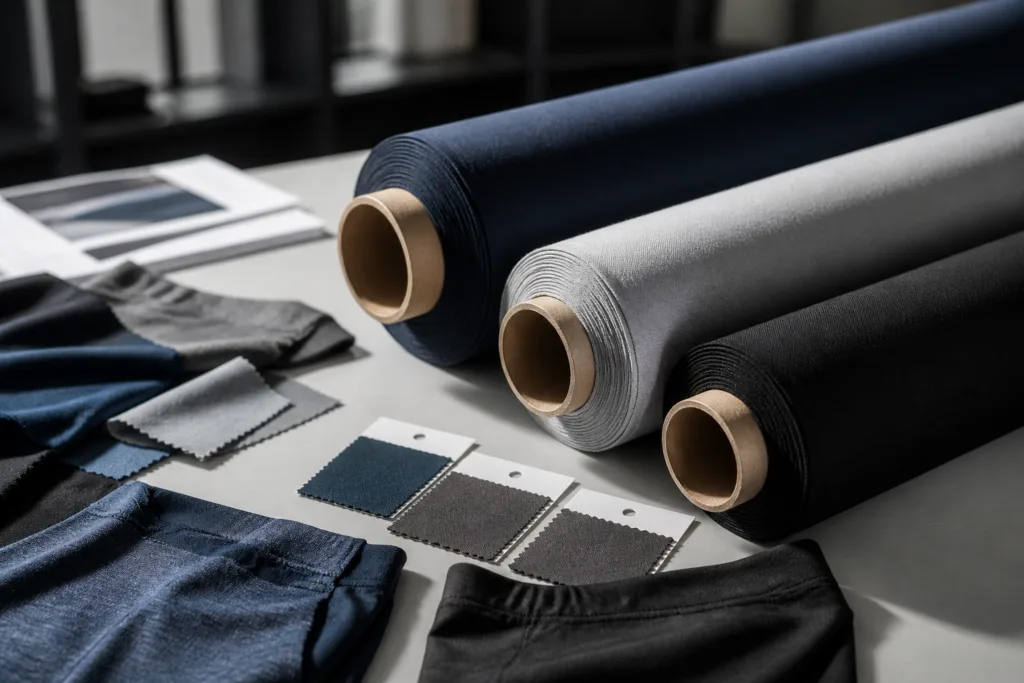
Minimum order quantities (MOQ) and lead times vary by item complexity, fabric sourcing, and custom branding requirements. Typical ranges: 300–800 units per style, 25–50 days production.
Factors Impacting Lead Time
- Fabric customization
- Print method complexity
- Holiday/factory seasonality
Quality Control: Stitching, Manufacturing Consistency, and Returns
Robust QC checks in men’s gym wear manufacturing reduce defects, improve consistency, and protect brand reputation.
- Seam strength testing
- Fabric lab analysis (shrinking, colorfastness)
- Finished garment inspection: fit, branding placement, labeling
Sampling: Key Steps for Men’s Gym Wear Buyers
Sampling is the practical handshake between buyer and manufacturer. Clear communication on measurement specs, trim selection, and fabric swatches will lower sampling errors. Buyers should expect 1–2 rounds of refinement before production approval.
Production Flow: Typical Stages in Men’s Gym Apparel Manufacturing
- Design/spec confirmed
- Pattern making and grading
- Sample/swatched approval
- Material procurement
- Cutting and sewing
- Branding application
- Final QC and packing
Packaging, Shipping, and Presentation Insights
Professional packaging protects products and strengthens brand image. Options range from polybags, hangtags, and garment care labels to retail-ready carton boxing.
Shipping Methods and Logistics
- Air freight (fast, costly)
- Sea freight (slower, cost-effective)
- Courier (for samples only)
Ethical and Sustainable Manufacturing Practices
Sourcing teams increasingly prioritize factories with environmental certifications, sustainable material options, and fair labor policies.
- Recycled polyester fabrics
- Waterless dyeing techniques
- Worker health and safety audits
Performance Testing: What Buyers Can Request
Advanced buyers request lab testing for stretch recovery, moisture wicking, odor resistance, and abrasion durability to verify marketing claims.
Trims and Accessories: Details That Matter
- Quality drawcords (shorts, joggers)
- Reflective tape (running apparel for men)
- Branded zipper pulls
- Heat-set labels vs traditional tags
Common Mistakes Brands Make When Sourcing Men’s Gym Apparel
- Overestimating MOQ flexibility
- Neglecting size grading checks
- Assuming all fabrics perform equally
- Missing QC or failing to specify branding locations
Packing and Delivery: Optimizing the Last Mile
Transparent packing counts, accurate carton labeling, and realistic delivery ETAs help buyers anticipate retail rollout and avoid delays.
Factory Inspection and Audit: What to Prioritize
- Sample room access
- Production flow transparency
- Compliance certificates
- On-site QC protocols
Men’s Gym Wear Manufacturer Guide: What Buyers Should Prioritize
This section recaps the strategic points buyers should weigh: fit and grading, fabric durability, odor/moisture management, branding space, QC consistency, and realistic MOQ policies. From sourcing runs to mass production, practical communication and factory trust remain central to successful launches.
Conclusion: Making the Most of Your Sourcing Decisions
Prioritizing fit, fabric, durability, and branding ensures your men’s gym wear line is competitive—and manufacture-ready. Careful attention to sizing, sampling, and quality control can minimize returns and optimize customer satisfaction. Always vet factory production realities against your brand’s needs, and remember: practical due diligence will drive profitable outcomes.
Frequently Asked Questions
What fabrics are best for durable men’s gym apparel?
Polyester blends and nylon are popular for their resiliency, moisture-wicking ability, and easy care. Spandex adds stretch, while cotton blends bring comfort.
How do manufacturers ensure accurate fit sizing?
Manufacturers use detailed size charts, pattern grading, and sample fit approvals to maintain consistent sizing. Multiple sampling rounds help minimize errors.
What is MOQ for men’s gym wear production?
MOQ typically ranges from 300 to 800 pieces per style, depending on item complexity, customization, and sourced fabrics. Lower MOQs may be available for basic items.
Can branding be flexible across different men’s gym products?
Yes, manufacturers offer several branding solutions such as screen printing, embroidery, and heat transfers. Placement can be customized based on item and design.
How is odor control achieved in men’s workout apparel?
Odor control uses treatments like antimicrobial finishes, specialized yarns, and silver ion washes to prevent bacteria and minimize smells during workouts.
What does the production timeline look like for men’s gym wear?
Standard lead time is roughly 25–50 days, but it can be affected by custom fabric, print complexity, and factory scheduling. Sampling and approvals may add extra time.