

Introduction: Setting Realistic Expectations for Gym Clothing Production Lead Times
Understanding how long gym clothing production takes is vital for apparel brands and sourcing managers looking to launch custom sportswear lines or stock bulk activewear. Production timelines vary based on design complexity, fabric sourcing, sampling iterations, order size, and logistic planning. Having a clear roadmap from design confirmation to shipment helps prevent last-minute surprises and costly delays. As a garment manufacturer, Ninghow recognizes the importance of transparency around lead times and helps clients anticipate each step in the process.
For readers comparing manufacturing options, a useful next step is to explore the top gym clothing manufacturers page. This resource offers a closer look at Ninghow’s gym clothing category scope, production capabilities, and customization possibilities—making it practical for brands evaluating factory strengths and lead time assurance.
Why Lead Times Matter When Planning Gym Clothing Orders
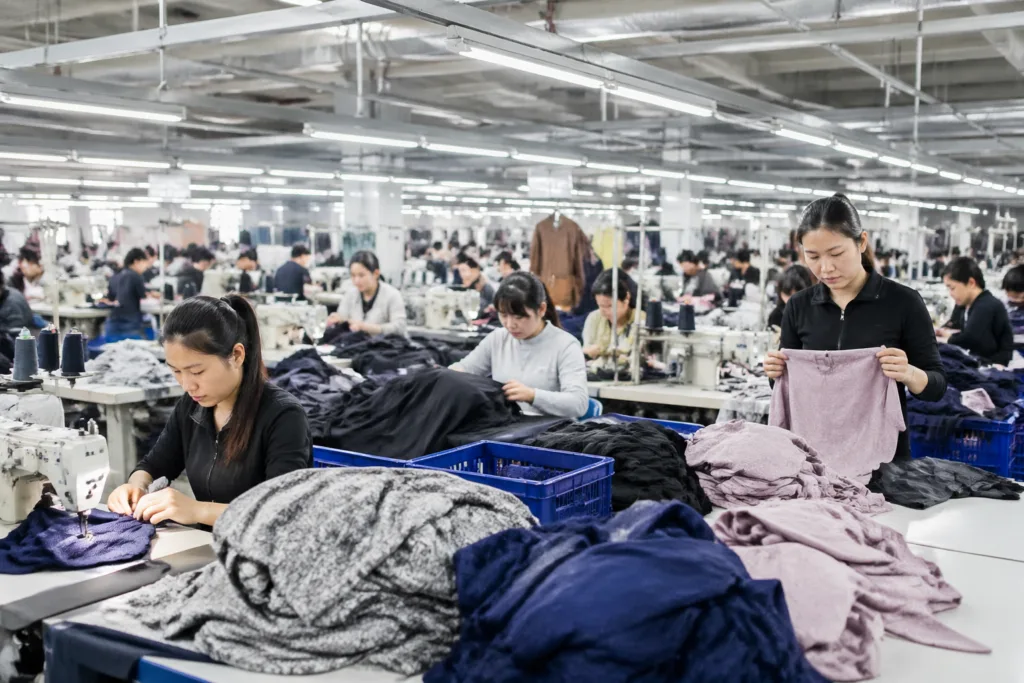
Production lead times impact everything from product launch dates to marketing campaigns and inventory planning. Rushed timelines often result in compromised quality or missed deadlines. Knowing where delays commonly occur lets buyers plan more confidently and avoid costly errors.
Overview: Step-by-Step Gym Clothing Production Timeline
While each factory’s process may differ slightly, standard stages in gym clothing manufacturing include inquiry, design confirmation, sampling, material sourcing, bulk production, quality control, and logistics. We’ll break down each phase, typical durations, and pitfalls that slow progress.
| Production Stage | Typical Duration | Potential Delay |
|---|---|---|
| Inquiry & Design Review | 2–7 days | Late tech pack, unclear specs |
| Sampling Process | 10–30 days | Fabric waiting, design revisions |
| Material Sourcing | 7–21 days | Rare fabrics, supplier shortages |
| Bulk Production | 21–45 days | Order amendments, machine downtime |
| Quality Control | 3–7 days | QC backlog, retesting |
| Logistics & Shipment | 7–35 days | Customs issues, port congestion |
Inquiry and Initial Assessment: The Starting Point
– Duration: 2–7 days
– Purpose: Clarifies requirements, confirms design specs, sets expectations.
– Recommended: Provide a complete tech pack and clear artwork in your initial inquiry to accelerate this stage.
Design Confirmation and Tech Pack Finalization
– Duration: 1–5 days after the initial inquiry
– Missteps: Missing measurements or unclear artwork can delay sampling. Double-check all details before final submission.
Sampling Stage: Creating Your First Product Sample
– Typical Time: 10–30 days
– Factors: Complexity of design, fabric sourcing, factory workload. Samples often require multiple revisions.
For a practical perspective on this crucial step, see Ninghow’s guide to sampling process for gym apparel.
Common Sampling Delays
- Poor communication of desired fit or fabric
- Design changes after sampling has begun
- Waiting for specialty trims or materials
Material Sourcing and Preparation: Lining Up Fabrics and Trims
– Standard: 7–21 days
– Issues: Delays often stem from unavailable fabrics or minimum order requirements from textile suppliers. Sourcing uncommon colors or technical fabrics takes longer.
Sourcing Solutions
- Choose widely available materials for faster turnaround
- Confirm supplier lead times early
- Order small trims and embellishments promptly to avoid bottlenecks
Bulk Production: Moving from Sample Approval to Mass Manufacturing
– Range: 21–45 days depending on order size and factory capacity
– Activities: Cutting, sewing, printing, inspection
– Risks: Weak communication, last-minute size changes, or unconfirmed color selections often disrupt production.
How Brand Decisions Alter Production Flow
- Changing design after bulk begins can set back production by weeks
- Reviewing and approving pre-production samples quickly shortens timelines
Quality Control: Ensuring Consistent Gym Clothing Standards
– Timeline: 3–7 days (may extend if issues arise)
– Process: Final inspection, random sampling, lab tests if required
– Delays: Failures in stitching, inconsistent sizing, or logo errors require rework and retesting.
QC Best Practices
- Set clear pass/fail standards
- Request quality photos or videos before shipment
- Use an independent third-party inspector if needed
Logistics and Shipping: The Last Mile of Lead Time
– Air freight: 5–10 days
– Sea freight: 20–35 days
– Factors: Port location, customs clearance, seasonal congestion
Shipping Tips
- Book logistics early
- Ask your manufacturer for shipment tracking
- Factor in last-mile delivery to your warehouse or distribution center
How Long Does Gym Clothing Production Take? A Realistic Lead Time Guide
For most gym clothing, the total timeline from initial inquiry to shipment ranges from 50 to 110 days, depending on factors such as design revisions, fabric sourcing, and order size. Brands using standard materials and designs—combined with proactive communication—usually experience shorter lead times. Custom or technical orders need extra patience and planning to avoid disappointment.
Where Delays Most Commonly Occur in Gym Clothing Production
Delays tend to happen in sampling (especially with repeated revisions), fabric procurement (for rare or technical textiles), bulk production (when order details change), and logistics (during peak seasons or due to customs hold-ups).
| Stage | Delay Cause | Prevention Strategy |
|---|---|---|
| Sampling | Multiple changes | Finalize design early |
| Materials | Supplier shortages | Use common fabrics |
| Bulk | Late PO amendments | Lock specs before production |
| QC | Failed inspections | Set clear standards |
| Logistics | Port congestion | Ship off-peak |
Buyer Checklist: What to Prepare to Avoid Slowdowns
- Complete tech pack (design, measurements, colors, trims)
- Design artwork and logo files
- Clear fit and sizing expectations
- Target delivery date and warehouse address
- Budget for sampling and possible revisions
Bulk Order vs. Small Batch: How Order Size Changes Lead Times
Larger orders take longer to cut, sew, and finish. Small batches (under 300 units) often move faster, especially if using factory stock fabrics. Bulk orders requiring fabric dyeing or custom printing typically extend timelines by 1–3 weeks.
Custom Sportswear, Private Label, and OEM: What Lead Time Differences Should You Expect?
OEM orders (factory’s designs with your logos) are generally quickest as size specs and materials are pre-defined. Private label and fully custom (unique patterns/colors/fabrics) add weeks, especially for sampling and material sourcing. Ninghow often observes that brands entering custom teamwear or specialty markets must plan for additional iterations and sourcing time.
Guide: Manufacturing Timeline for Custom Clothing
For a deeper look at how custom requirements alter timelines, review our article on manufacturing timeline for custom clothing.
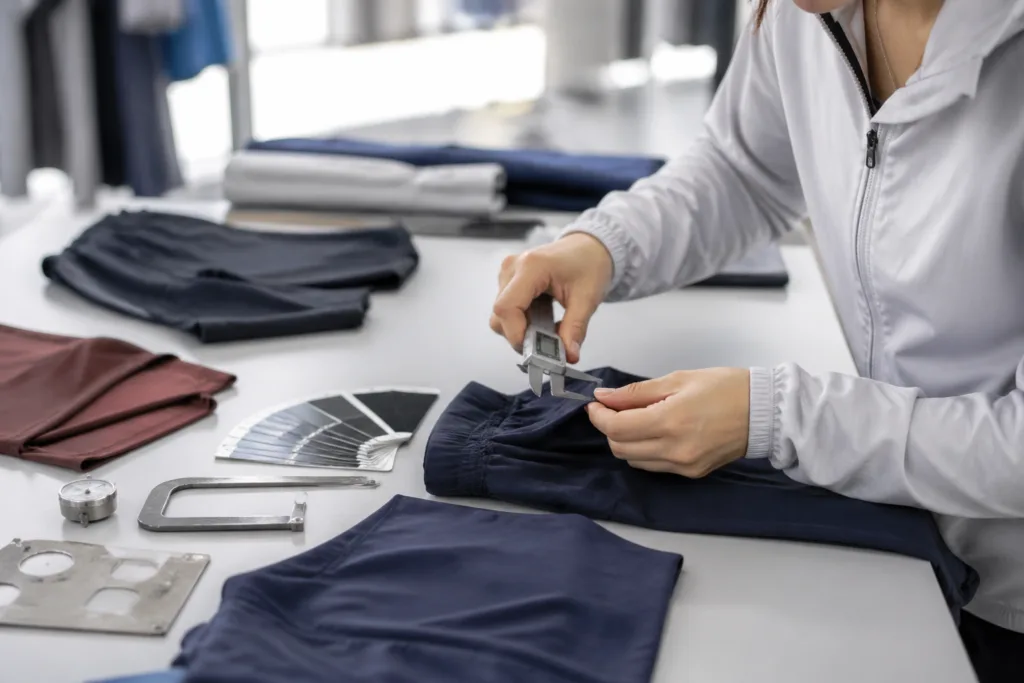
Fit, Measurements, and Pattern Adjustments: Hidden Timeline Traps
Fit adjustments, sample returns, and sizing corrections are a frequent source of missed deadlines. Investing time in accurate digital prototypes or fit samples reduces these setbacks.
Fabric Choice and Printing Options: Standard vs. Custom Lead Times
Stock materials and common print methods (screen, sublimation) speed up production. Specialty fabrics (recycled, moisture-wicking blends) and complex prints (gradient, foil, DTG) can add up to 3 weeks, depending on supplier schedules.
Trim, Logo, and Branding: Lead Time Impact of Customization
Custom branded labels, tags, or silicone logos usually require separate supplier sourcing. Ordering well ahead and approving virtual proofs can prevent rework and delays.
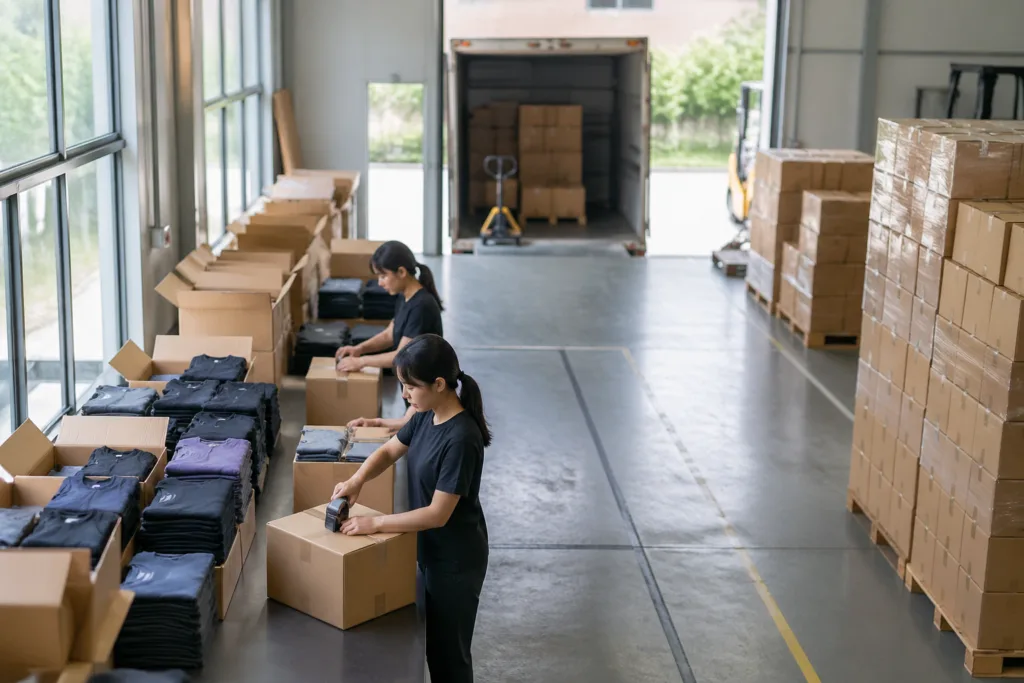
Packaging and Bulk Shipment Preparation
Preparing cartons, polybags, and branding inserts is quick with standard specs, but custom packaging increases lead time if manufacturers must source materials or print custom graphics.
Quality Control in Gym Clothing: Inspection, Testing, and Approval
Robust QC ensures fit, stitching, and branding meet your standards. Failures can trigger rework, restitching, logo replacement, and further inspection. Ninghow recommends quality spot checks at multiple stages—especially for dye, print, and stretch fabrics.
Shipping Strategies: Air vs. Sea Freight Timelines
Air shipping is faster but costly; sea shipping is economical for bulk orders but slower. Choosing the right mode depends on order urgency, budget, and destination. Factoring in customs and local delivery is crucial for accurate launch planning.
Real Manufacturer Insights: Predictable Lead Times Through Process Discipline
Factories with consistent process control, clear communication, and reliable supply chains deliver more predictable results. Ninghow, for instance, invests in pre-planning, advance fabric reservations, and scheduled QC checks that help brands launch on schedule. Buyers should prioritize manufacturers that provide detailed timelines and update progress regularly.
Common Mistakes That Prolong Lead Times
- Unclear or incomplete design specifications
- Repeated design or fit changes after sampling
- Waiting too long to approve samples or production
- No backup plan for delayed materials or trims
- Overlooking shipping options and lead times
Cost vs. Speed: How Faster Production Impacts Quality and Expense
Accelerated timelines often mean increased costs—rush orders, expedited shipping, or overtime labor. It also raises the risk of QC misses. Savvy buyers balance speed and quality, planning extra time for sampling and cataloging feedback.
Planning Your Launch Date: Building Lead Time Buffers
Add 10–20% buffer days to each stage for unexpected events like weather delays, supplier changes, or QC improvements. Early planning and regular communication with your manufacturer are essential.
Summary Table: Lead Time Ranges for Gym Clothing Production
| Stage | Estimated Days |
|---|---|
| Inquiry & Design | 2–7 |
| Sampling | 10–30 |
| Materials | 7–21 |
| Bulk Production | 21–45 |
| QC | 3–7 |
| Shipping | 7–35 |
| Total Range | 50–110 |
Conclusion: Key Takeaways for Gym Clothing Production Lead Times
Getting gym clothing produced on time is about more than just picking a factory. It requires clear communication, decisive design choices, reliable material sourcing, timely approvals, and selecting the right shipping method. Buyers who plan ahead and stay engaged at each stage see fewer delays and stronger results. Armed with this realistic guide, sourcing teams and apparel brands are better equipped to achieve launch deadlines, maintain quality, and build lasting factory relationships.
Frequently Asked Questions
What is the typical lead time for gym clothing production?
Most gym clothing production takes 50–110 days from initial inquiry to shipment, depending on design complexity, materials, and order size.
Which stage causes the most delays in gym clothing manufacturing?
Delays most commonly occur during sampling and material procurement, especially when designs change or fabric is hard to source.
How can buyers reduce gym clothing production lead times?
Provide complete tech packs, finalize designs early, use common materials, and maintain clear communication. Approve samples promptly.
How does order size affect gym clothing production timelines?
Small batches move faster, while large bulk orders require more time for cutting, sewing, packaging, and QC checks.
What are hidden causes of timeline extensions?
Fit/measurement changes, logo or packaging customization, late approvals, and unplanned rework are frequent hidden extension causes.
Is air shipping or sea freight faster for gym clothing?
Air shipping is faster (5–10 days) but more expensive; sea freight takes longer (20–35 days) and is suitable for bulk orders.