
Building a Profitable Women’s Gym Wear Line: Manufacturer Insights
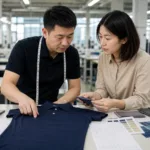
Developing a resilient women’s gym wear product line begins with a clear understanding of category drivers, fit integrity, and material selection. As expectations from women-focused activewear brands continue to evolve, manufacturers must anticipate trends, supply chain challenges, and the diverse needs of modern buyers and developers. This guide explores how to strategically build a comprehensive product line from a manufacturing perspective, balancing creativity, quality, and commercial viability at every stage.
For readers seeking deeper analysis of manufacturer specialization, a useful next step is to explore our custom gym clothing manufacturers category page. This resource outlines Ninghow’s custom production capabilities, category scope, and options for tailoring gym wear designs to meet your private label or brand requirements. It offers practical examples and factory-focused commentary for those comparing manufacturing pathways, assessing factory scope, or planning their next sourcing move.
Why Product Line Planning Differs for Women’s Gym Wear
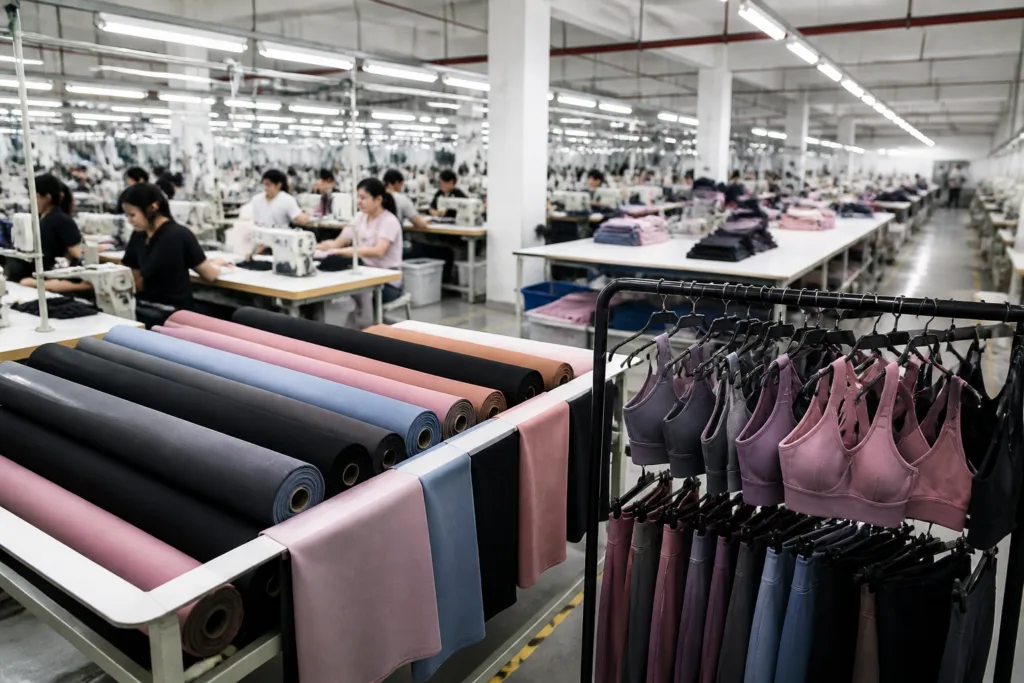
Women’s gym wear demands careful design and manufacturing precision because fit, performance, and appearance converge here. Sourcing teams face unique requirements—the right style mix, technically flexible fabrics, predictable color consistency, and strong brand cues. A product line that succeeds in this sector connects every development decision to real-world movement and durability expectations.
Understanding Key Activewear Categories
Successful brands rarely stick to a single style. Instead, they develop a balanced range including:
- Sports bras: Offered in various support levels (low, medium, high)
- Leggings and tights: Full-length, 7/8, and capri fits
- Shorts and biker shorts
- Crops, tanks, and training tops
- Jackets, hoodies, and warmups
Each of these categories requires a unique fit block and careful sampling to ensure quality across movement types and body shapes.
Sports Bras: Fit, Support, and Brand Differentiation
Sports bras anchor most women’s activewear collections. Manufacturers must consider cup options, pad integration, elastic comfort, and grade rules for consistent support. Common support types include:
- Low impact: Yoga, Pilates
- Medium impact: Cycling, strength training
- High impact: Running, HIIT
| Support Level | Key Features | Consider For |
|---|---|---|
| Low | Light fabric, removable pads, simple straps | Lifestyle, stretching |
| Medium | Underbust band, moderate coverage | Core strength, stationary cycling |
| High | Racerback, strong elastic, molded construction | Running, cardio |
Leggings: The Benchmark of Fit Consistency
Leggings represent both your technical ‘signature’ and the category with the highest fit expectations. When brands seek manufacturing partners for custom leggings manufacturing, they’re especially sensitive to waist heights, gusset construction, stretching recovery, and pocket positioning. A truly functional legging uses:
- 4-way stretch blends (polyester/spandex, nylon/spandex)
- Flatlock stitching to prevent chafing
- Secure waistbands that avoid rolling
- Colorfast dyes for deep hues
Ninghow often recommends brands invest extra effort in sampling and fit trials, as even fractional changes here impact sell-through and returns.
Activewear Shorts and Versatile Bottoms
Women’s gym shorts—traditional, biker, or running styles—must balance breathability with squat-proof coverage. Hem types (raw, bound, laser-cut), rise options, and anti-camel gusset designs all come into play. For mixed-fabric or all-way-stretch shorts, sampling in realistic workout scenarios ensures the garment behaves as expected.
Top Blocks: Tanks, Crops, and Layering Pieces
Tops are layered, styled, and paired for gym-to-street versatility. Key decisions include:
- Scoop, crew, or V-neck opening
- Crop, classic, or tunic length
- Sleeve types: sleeveless, cap, short, long
- Decorative seaming and ventilation zones
Stitch selection and thread weight affect both durability and comfort at touch points like underarms and necklines.
Outerwear: Hoodies, Zip-Ups, and Jackets
Branded outer layers—hoodies, 1/4 zips, and lightweight jackets—round out the line. For these, materials must combine stretch with shape retention and pilling resistance. Popular accents include thumbholes, technical pockets, and branded pulls.
Developing Fit Blocks for Women’s Activewear
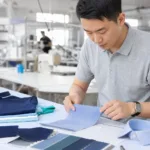
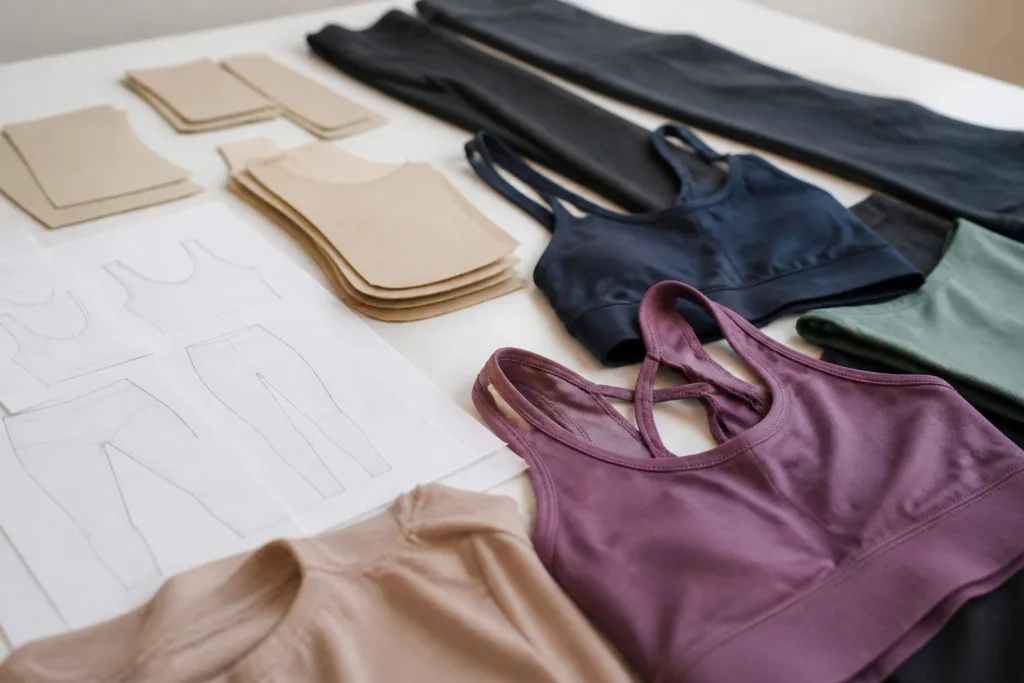
Every great product line begins with robust fit blocks—the foundational set of graded patterns. These allow for style-to-style consistency so that, whether your customer selects biker shorts or leggings, sizing feels predictable. Smart manufacturers use market reference garments and fit model feedback to fine-tune their blocks.
Fabric Selection: Durability, Drape, and Handfeel
Material selection isn’t just about picking a swatch. Buyers and developers for women’s gym wear demand:
- Moisture-wicking performance (nylon, polyester blends)
- Gentle handfeel and soft touch—avoid scratchy or heavy finishes
- Pilling resistance for long-term wear
- Strong recovery for shape retention
Ninghow recommends upfront transparency about available base fabrics, as ‘handfeel’ expectations can vary widely, especially across markets targeting wholesale women’s activewear.
Color Planning and Dye Management
Activewear lives and dies by color palette and consistency. Manufacturing colorways (core, secondary, limited edition) means considering dye fastness, batch-to-batch lot control, and Pantone matching. Deep black, earthy neutrals, and bright color pops each have their own dyeing challenges.
Sustainable Options and Buyer Expectations
Interest in recycled content and eco-fabric is rising. Manufacturers may offer:
- RPET (recycled polyester)
- Organic cotton blend bases
- Waterless dyeing or lower-impact finishing
It’s important to set clear MOQ and lead time expectations for these specialty fabrics—wholesale buyers often underestimate the planning and cost differentials.
Wholesale Women’s Sportswear: Order Quantities, Lead Times, and Factory Realities
Wholesale programs require production flexibility. Factors to clarify early:
- Preferred MOQs per style and color
- Bulk lead time and sampling schedule alignment
- Shipping expectations (FOB port, DDP, warehouse delivery)
Wholesale buyers value predictability and on-time delivery more than fancy design twists.
How to Build Activewear Sets for Cohesion and Upsell
Successful brands curate activewear sets—matching sports bras and leggings, or shorts and crop tops. Consider bundled development to:
- Maintain color hue alignment
- Simplify production for efficient batching
- Support mix-and-match merchandising
Fabrication, trims, and branding should be unified across set components.
Women Sports Brands: What Leading Labels Get Right
Notable women’s sports brands invest in originality, fit confidence, and reliable supply chains. They build long-term manufacturing relationships, establish detailed technical packs, and encourage manufacturer input when challenges arise. Direct communication and sample feedback cycles are routine, not optional.
Creating Tech Packs for Clear Communication
Effective tech packs—detailed design sheets with measurements, trimmings, labeling, and construction notes—reduce errors. Digital illustrations coupled with precise measurements help manufacturers bridge designer vision with shop-floor reality.
Sampling: Troubleshooting Fit, Handfeel, and Appearance
Every style should go through size set samples and fit trials. Common issues caught at this stage include waistband rolling, see-through stretch, or print misalignment. Sampling costs add up but prevent larger inventory pitfalls.
Bulk QC and Inspection: Why Predictable Processes Matter
Quality control starts with tested fabric rolls and includes in-line and final-garment inspections. Effective brands outline their quality points—seam stretch, fabric pilling, colorfastness—and invite third-party inspection at key stages.
Labeling, Packaging, and Brand Touchpoints
Details like size tabs, care labels, and branded heat transfers make a difference. Choose packaging that supports presentation and logistical efficiency—custom polybags, recycled pouches, or retail-ready folding patterns.
Production Flow: From Order Confirmation to Delivery
Mapped production schedules, stable material supply, and clear checkpoints minimize surprises. Standardized procedures include:
- Order confirmation and deposit
- Bulk fabric procurement
- Cutting, sewing, and final finishing
- Packing, documentation, and shipment arrangement
When to Launch: Pre-Season vs. Core Line Additions
Brands often launch major collections pre-season (spring, back-to-school) with smaller refreshes later. Manufacturers prepare sample sets and prototype runs during the off-season to keep timelines on target.
Minimizing Dead Stock and Overruns
Smart manufacturing partners advise on batch sizes, color splits, and replenishment models. Over-ordering leads to excess inventory, while conservative runs can miss demand—setting the right reorder buffer is key.
Branding Elements: Logos, Transfers, and Wash Care
Brand logos (heat transfer, embroidery, silicone patch) require testing for durability through washes. Placement must harmonize style and function: back waistband, chest, lower leg, and hemline are all options. Wash care labels should be intuitive and easy to reference.
Route to Market: D2C, Wholesale, White Label
Brands that sell direct-to-consumer (D2C) often demand lower MOQs, more customization, and drop-tested packaging. Wholesale and white label buyers want standardized designs that allow for fast scaling and private label flexibility. Stable manufacturer partnerships enable brands to pursue both paths over time.
Pitfalls to Avoid in Activewear Product Line Building
- Neglecting fit block development, relying only on surface aesthetics
- Poor communication of measurement specs or finish quality standards
- Ignoring comparability between trial samples and bulk run outcomes
- Overcomplicating color options and trims, which slows production
Women’s Gym Wear Manufacturer Guide: Building a Strong Product Line
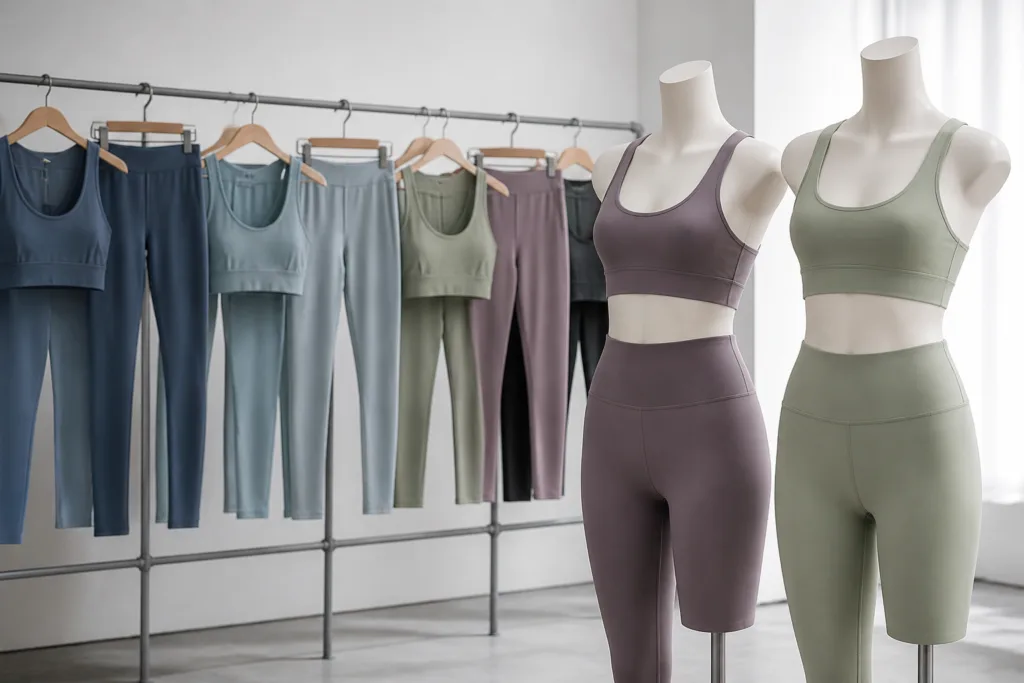
Developing a women’s activewear collection is more than picking attractive styles; it’s about aligning fit, fabric, function, and commercial rationale. Select partners who understand this interplay, and treat every style as both an individual product and a part of a cohesive line.
Frequently Asked Questions
What is the most important feature in women’s gym wear manufacturing?
The most critical aspect is fit accuracy, as small flaws in pattern, waistband, or rise can cause high returns or poor customer reviews.
How are fabric choices made for women’s activewear?
Fabrics are selected for moisture-wicking, stretch, durability, and skin comfort, with each style’s use scenario guiding the final choice.
What MOQ is typical for wholesale women’s sportswear?
MOQs vary but often begin at 200-500 pieces per color and style for private label gym wear. Lower MOQs are sometimes possible for standard carryover fabrics.
How long does sampling and bulk production take for a first order?
Sampling typically requires 2–4 weeks, while bulk production averages 6–8 weeks after sample approval, depending on style complexity and raw material readiness.
What are the best-selling activewear sets?
Sets combining matching sports bras and leggings, or biker shorts and crop tops, in signature colorways are consistently best-sellers for women’s sports brands.
How do manufacturers manage quality control for activewear?
Manufacturers use in-line and finished-garment inspection, reinforced by clear brand quality standards for stretch, colorfastness, and seam durability.