


Custom Printing Methods for Gym Clothing: Screen Print, Heat Transfer, Sublimation, or Embroidery?
In today’s competitive activewear market, choosing the right custom printing method for gym clothing is essential. Each decoration technique—screen print, heat transfer, sublimation, and embroidery—offers distinct advantages and trade-offs depending on fabric type, product category, logo complexity, and brand positioning. This guide draws on years of apparel manufacturing experience to demystify these options for brands, buyers, and sourcing teams planning their next collection or bulk order.
For readers comparing manufacturing options, a useful next step is to explore how gym clothing production is structured on custom gym clothing manufacturers. This page provides a focused overview of Ninghow’s custom activewear department, making it easier to assess category depth, sampling, and production capabilities before your next sourcing decision.
Understanding Custom Printing Methods for Gym Clothing
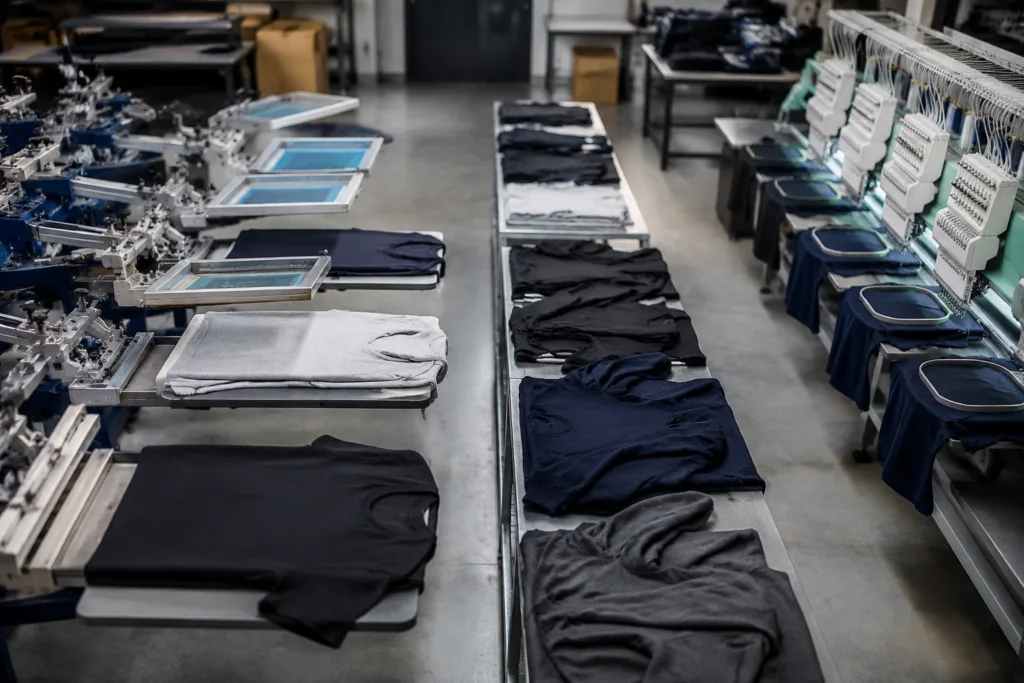
Activewear requires unique logo and branding solutions. Gym clothing is typically made of performance fabrics like polyester, nylon, spandex, or blends—each with specific finishing needs. Choosing the right logo application method reduces the risk of cracking, fading, or stretching out, which improves customer satisfaction and brand reputation.
Printing Method Overview: A Quick Comparison
| Method | Best For | Fabric Compatibility | Durability | Color Range | Approx. Cost |
|---|---|---|---|---|---|
| Screen Print | Cotton, blends, large orders | Medium–High | High | Solid, simple multicolor | Low (large qty) |
| Heat Transfer | Small logos, intricate designs | Most fabrics | Medium | Full color, photos | Low–Medium |
| Sublimation | Polyester/white base | High with polyester | Very High | Unlimited (no hand feel) | Medium |
| Embroidery | Small logos, premium feel | Most except stretch mesh/ultra-thin | Very High | Limited (threads only) | Medium–High |
Screen Printing: Classic, Durable, & Cost-Efficient
How Screen Printing Works
Screen printing uses ink pressed through fine mesh screens and cured via heat. Each color is applied with a separate screen, so it’s ideal for logos with up to six solid colors and moderate detail.
Best Product Categories for Screen Print
- Basic cotton T-shirts
- Cotton/poly blends
- Fleece sweatshirts
- Non-stretch gym apparel
Fabric Compatibility & Key Considerations
Screen printing excels on absorbent textiles: 100% cotton, ring-spun blends, and heavier weight knits. Results are less ideal on highly stretchable fabrics like spandex blends, where cracking can occur over time. Gym tops with high polyester/spandex content may require special screen inks (e.g., plastisol) for a reliable bond.
When to Choose Screen Print
- Bulk orders (cost per unit decreases rapidly at higher volumes)
- Solid color logos/simple graphics
- Budget-driven projects
Durability Factors
Properly cured screen prints withstand repeated washing. Key risks are poor ink choice (leading to flaking on synthetics) and under-curing. At Ninghow, all screen-printed samples undergo stretch and wash tests before bulk production.
Heat Transfer Printing: Flexible & Detail-Rich
What is Heat Transfer?
Heat transfers use special films or digital prints applied to fabric under high temperature and pressure. This method preserves fine lines, gradients, and even photo-quality images.
Where Heat Transfer Shines
- Logo-rich performance T-shirts
- Teams and group branding with variable names/numbers
- Certain hats, bags, and outerwear
Strengths & Limitations
Heat transfer is reliable on most business-class polyester, cotton, and blends. On ‘high pile’ surfaces or heavy knits, adhesion can vary. Stretchy workout gear with spandex/nylon might show minor loss of bond at seams/bends, making this method better for chest, back, or arm placements away from heavy flex zones.
Cost & Productivity Insights
Ideal for lower quantity orders or logo runs with frequent artwork changes. Turnaround is fast; the same equipment can print various designs rapidly with little setup. Because the process adds a thin film, it can feel less breathable than screen or sublimation methods—something to consider for moisture-wicking gym apparel.
Sublimation Printing: Limitless Color for Polyester Apparel
How Sublimation Works
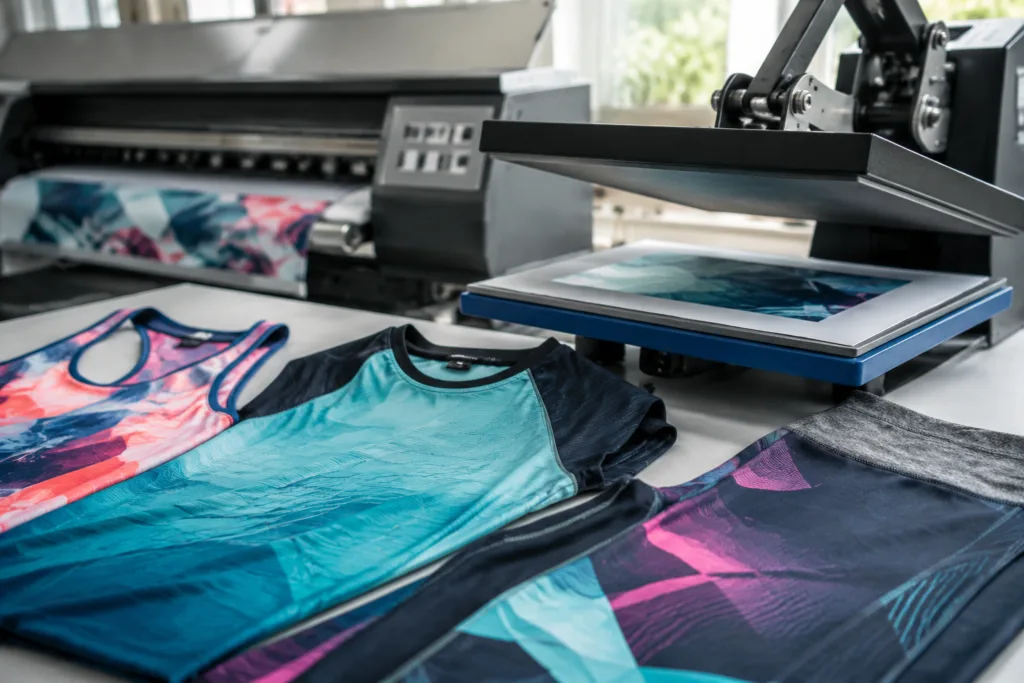
Sublimation fuses dye into the polyester yarn itself, producing prints that can’t crack, peel, or fade. Graphics become part of the fabric. Sublimation doesn’t work on cotton or dark polyester—its magic is best on white/light poly-based textiles.
Perfect Product Fits
- Moisture-wicking yoga T-shirts
- Compression wear
- All-over pattern gym sets
- Polyester-based shorts and leggings
Pros & Cons for Sports Brands
- Zero hand feel—great for comfort and stretch
- Washproof and fadeproof (dye penetrates fibers)
- Unlimited color and photo effects
- Not suitable for cotton or dark bases
Why Sublimation Dominates Performancewear
Because stretch recovery isn’t impacted, sublimation is unmatched for technical apparel—no ink layer, no cracking. Our internal bulk performance tees guide covers fabric specs, but the key takeaway: pick sublimation for multi-color, full-surface gym gear using 85%+ polyester content.
Embroidery: Textured, Classic, Premium
Embroidery Basics
Logos are stitched directly onto garments using high-speed machines. Embroidery is durable, colorfast, and delivers a 3D quality most printing can’t match.
Best Apparel Categories for Embroidery
- Gym hoodies & sweatshirts
- Polo shirts
- Tracksuits
- Accessories (caps, bags, patches)
Considerations for Gym Clothing
Embroidery works on mid-to-heavyweight knits and stable wovens. On ultra-lightweight or highly elastic fabrics, it may cause puckering or distort logo clarity. At Ninghow, we recommend test sew-outs for complex artwork, especially on 4-way stretch technical knits.
Embroidery Cost Drivers
- Stitch count (more elaborate = higher cost)
- Logo size and placement
- Order quantity
Embroidery offers impressive wash durability, often outlasting garment life.
How to Choose the Right Logo Method for Fabrics
Cotton & Cotton-Rich Blends
Screen print for basics; heat transfer if designs are complex; embroidery for premium polos and sweats.
Polyester & High-Performance Knits
Sublimation is best for all-over or full-color; screen print or heat transfer for basic logos; embroidery for branding patches, not chest/bodysuit stretch zones.
Nylon, Spandex, and Stretch Fabrics
Sublimation (if polyester-based) or heat transfer films designed for stretch. Screen/embroidery used with caution for small logos.
Budget, Minimums, and Lead Times in Gym Clothing Branding
Budget Quick Tips
- Screen print: lower cost for bulk (≥300pcs)
- Heat transfer: flexible for small runs & color
- Sublimation: cost-effective for complex polyester designs in batch
- Embroidery: premium, cost driven by size/stitches
Minimum Order Quantities (MOQs)
- Screen print: MOQ 100pcs/item typical
- Heat transfer: as low as 50pcs/item
- Sublimation: 50–100pcs/item for best cost structure
- Embroidery: 100pcs/item, varies by complexity
Lead Time Impacts
More colors and complex logos usually add days to a project. Screen and embroidery setups are most labor-intensive. Heat transfer and sublimation scale well for fast runs with variable art. Our building sustainable gym clothing resource covers long-term impact.
Best Practices: Selecting Your Gym Clothing Logo Method
Assess Logo Complexity
- Solid, few colors? Screen print or embroidery
- Photo, gradients, multi color? Sublimation or heat transfer
Consider Placement & Fabric Stretch
- Stretch zones (shoulders, sides): Avoid embroidery/screen for best longevity
- Pockets, chest, sleeves: almost all methods possible (fabric permitting)
Wash, Wear, Durability
Frequent laundering requires methods that bond strongly with textile: sublimation for synthetics, screen or embroidery for cotton. Heat transfer needs the right film for high-wear areas.
Common Mistakes When Choosing Print Methods
- Using regular screen print on high-stretch polyester (may crack)
- Applying embroidery to ultra-light mesh or yoga knits
- Sublimation on cotton fabrics (won’t work)
- Choosing the cheapest method for all designs regardless of technical fit
Ninghow: Production Insight from an Apparel Manufacturer
We often help clients run test batches to evaluate both print and embroidery outcomes under real laundry and wear conditions. For example, while screen printing yields unmatched bulk pricing for classic logo tees, our own shop has seen superior performance for high-color gym sets using sublimation—especially with recycled polyester. Brands balancing price, durability, and design flexibility should ask manufacturers for print development samples, not just digital mockups.
Maintaining Logo Quality in Mass Production
Ensure graphics are vector or high-res art before sampling. Insist on pre-production samples (PPS) and request accelerated wash/stretch tests. Communication about exact ink, thread, or film type is crucial in bulk gym clothing orders. Documentation and sign-off, often detailed in tech packs, prevent surprises at delivery.
Pitfalls to Avoid for Brand Owners and Apparel Buyers
- Ignoring the effect of garment stretch in logo zones
- Not clarifying Pantone color matching for prints
- Overlooking edge finish (embroidery, heat transfer borders, etc.)
- Assuming ‘all methods work for all fabrics’—they don’t
Bulk T Shirt Printing for Gym Clothing: What Matters?
Batches over 300 pieces benefit from the economies of screen print or embroidery, provided logo specifications fit the method. For performance shirts (poly/spandex), sublimation ensures all-over color, while heat transfer allows flexibility for number or name personalization.
Screen Printing Clothing Wholesale: Considerations for Buyers
When contracting large runs of screen-printed logo gymwear, clarify ink type, underbase needs (especially for dark/bright colorways), fabric composition, and post-cure stretch testing. Wholesale buyers should request test panels and approval before full-run production.
Best Clothing Printing Companies: What Sets Manufacturers Apart?
Responsive sample development, fabric-appropriate recommendations, inline QC for logo clarity, and transparent communication top the list. The ability to offer and advise across methods, not just one, signals a versatile and experienced factory partner.
Best Screen Printing for T Shirts: Key Criteria
- Consistent coverage—no faded areas
- Precise color registration in multi-color jobs
- Appropriate ink selection for material
- Prompt approvals with accurate preproduction proofs
Logo Apparel: Customization Trends in Gymwear
Current gym clothing leaders use on-trend placements (hem logos, sleeve branding, tagless neck labels via heat transfer) and combine methods for effect (e.g., embroidery for emblem, screen for chest slogan). Omnibus production approaches strengthen brand identity.
Conclusion
Screen print, heat transfer, sublimation, and embroidery each have their strong points for gym clothing. The wisest choice depends on your fabric, logo, desired positioning, and budget. Sample thoroughly, communicate openly with your manufacturer, and define technical details upfront to produce apparel that impresses—and lasts—in the gym and beyond.
Frequently Asked Questions
Which printing method is best for stretch gym fabrics?
Sublimation works best on stretch polyester blends as it does not affect hand feel or stretch recovery. For small logos, special stretch heat transfer films can also perform well if correctly specified to your factory.
Is embroidery suitable for activewear?
Embroidery is durable and premium but generally used on fleece, hoodies, or stable knits. On high-stretch jerseys or thin knits, embroidery can pucker or restrict stretch. Test embroidery on your exact fabric sample to be sure.
Can I combine printing and embroidery on gym clothing?
Yes, many brands use both for effect—e.g., a screen printed chest logo and embroidered sleeve emblem. Always ensure logo placement matches the technical limitations of fabric and print method chosen.
How does heat transfer printing affect breathability?
Heat transfer applies a thin film to fabric, which may reduce breathability slightly in logo zones. On most gym T-shirts, the impact is minor, but for extreme moisture-wicking tops, choose logo placements away from sweat zones.
What are common failures in gym clothing branding?
Poor adhesion due to incompatible ink/film, cracking on stretch zones, embroidery pucker, and color mismatches from ignoring technical specs. Always test under real-world laundry/stretch conditions.
Do different printing methods change the garment price much?
Yes—screen print is lowest cost at scale; embroidery and sublimation increase with logo size and color complexity. Discuss logo method early to plan your target price point and margin accordingly.