

Introduction: Custom Dri-Fit Shirts for Brands
For brands and sourcing teams looking to elevate their apparel range, custom Dri-Fit shirts offer versatility, performance, and branding power. From gym wear to running events, these moisture-wicking tops are the backbone of modern activewear collections. Choosing the right manufacturing path can be tricky—especially when navigating fabric selection, order setup, printing methods, and minimum order quantities (MOQ). This guide breaks down those essentials through a manufacturer’s lens, focusing on practical decisions that will help your brand deliver standout performance shirts.
For readers comparing manufacturing options, a useful next step is to explore our custom gym clothing manufacturing options for a more focused look at production capabilities, category scope, and customization choices. Seeing how Ninghow approaches gym clothing manufacturing can help define standards and expectations for your custom Dri-Fit shirt project.
Understanding Dri-Fit Fabrics and Their Benefits
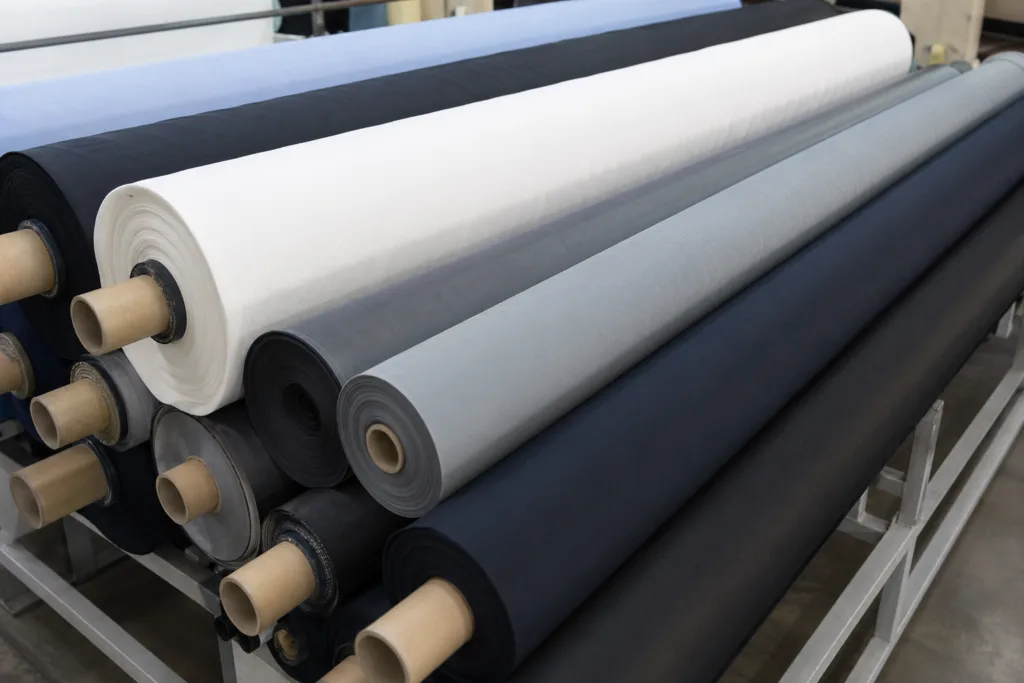
With custom Dri-Fit apparel, performance always starts with fabric. ‘Dri-Fit’ refers to moisture-wicking polyester blends designed for athletic activity. Material options typically include high-stretch micro-polyester, poly-spandex, and technical mesh, each tuned for specific humidity and comfort needs. Brands should balance breathability, durability, and hand feel according to target end-use: pure running shirts might favor ultra-light mesh, while gym tops often blend thicker poly for longevity and shape.
Moisture Management Explained
These fabrics actively pull sweat away, dispersing moisture across the surface to enable faster evaporation. That’s key for keeping wearers dry during training or races. Investing in genuine high-denier Dri-Fit materials ensures consistent moisture performance even after multiple washes.
Choosing the Right Fabric for Custom Running and Gym Tops
Not all Dri-Fit is created equal. Top fabric choices for custom athletic shirts include:
- Micro-polyester mesh: Featherweight, ideal for endurance events
- Poly-spandex blends: Offers stretch and fit retention for gym wear
- Recycled Dri-Fit: Eco-friendly, meets sustainability requirements
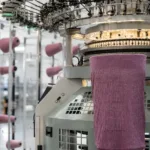
- Circular knit jerseys: Soft touch, great for casual branding
Testing fabric swatches is essential. As a clothing manufacturer, Ninghow recommends running bulk wash and sweat tests before committing, especially if you plan event giveaways or staff uniforms needing repeated laundering.
Fabric Weight and GSM: What Matters?
Fabric weight (measured in GSM) impacts transparency, drape, and comfort. For running shirts, lighter fabrics (120–150 GSM) work best. Gym tops usually require 160–180 GSM for added strength.
Custom Dri-Fit Shirts for Brands: Manufacturing, Printing, and MOQ Basics
Brands sourcing custom Dri-Fit shirts need to decide how much customization is needed, what manufacturing setup to use, and which printing method suits their designs. Below, we cover core choices and trade-offs.
OEM vs Private Label Approaches
OEM lets brands fully customize—from pattern to printing—while private label allows for branding on pre-set shirt styles. Brands after unique fits or graphics should lean OEM; those prioritizing speed and simplicity may prefer private label.
Order Minimums and Batch Flexibility
MOQ is a practical hurdle for many startups and events. Dri-Fit shirts often require 200–300 pcs per design for full customization due to fabric dyeing and setup costs. If your brand needs lower quantities, negotiate limited colorways or standard sizes to reduce MOQ. To better understand gym clothing minimums, understand gym clothing MOQ in detail.
Sublimation vs Screen Printing: What’s Right for Your Brand?
When it comes to decorating Dri-Fit shirts, two methods stand out: sublimation and screen printing.
| Printing Method | Advantages | Limitations |
|---|---|---|
| Sublimation | Vivid full-color, no feel, all-over prints | Only works on polyester, large setup cost, MOQ |
| Screen Printing | Sharp solid colors, durable, works on blends | Not ideal for gradations, limited color range per print |
When to Choose Sublimation
Ideal for event shirts, team uniforms or designs needing full coverage. Artwork is heat-printed into the fabric, ensuring lasting vibrancy.
Screen Printing Advantages
Best for sponsor logos, slogans, or small branding where cost-effectiveness and fast turnaround are critical.
Personalized Dri-Fit Running Shirts: Design Elements and Branding Options
Personalization options include:
- Color matching (pantone accuracy allows event branding)
- Reflective trims for nighttime runs
- Name/number printing for team use
- Custom neck labels, sleeve tags
- Logo placement: chest, back, sleeves
As a manufacturer, practical tips include verifying placement templates and reviewing digital proofs before mass production.
Branding via Heat Transfers
Heat transfer is one solution for low-MOQ orders or multi-variant branding (e.g., personalized names on each shirt). Use high-quality transfer films for durability.
Plain Athletic Shirts: Ideal for Bulk Event Orders
Many brands choose plain Dri-Fit shirts for events, staff uniforms, or run registrations, customizing only logos or sponsor details. This speeds up manufacturing and reduces cost by sticking to standard fabric colors and fits.
Rapid Fulfillment Strategies
Manufacturers often carry stock blanks in popular athletic shirt shapes. Quick print-and-pack is possible if brands select from these existing styles.
Fit and Sizing Considerations for Custom Dri-Fit Apparel
Sizing is crucial for satisfaction and repeat business. Typical sizing setups include unisex, men’s, women’s, and youth. Event buyers should plan for size splits based on prior event data or popular averages. Consider offering a fit sample program; Ninghow sometimes arranges fit sample sets for major events to help brands refine their bulk ratios.
Measurement Charts and Fit Consistency
Brands must confirm measurement charts and tolerances before production starts. Standardizing fits ensures all batches remain consistent—a key for multi-year event programs.
Setting Up a Custom Dri-Fit Shirt Manufacturing Order
Order setup involves:
- Specification review (fabric, print, sizes, branding placement)
- Sampling (prototype creation for style and print)
- Order contract with timeline, MOQ, and QC requirements
- Production kickoff: bulk fabric allocation, pattern grading, print prep
Don’t overlook QC planning—double-checking samples against specs prevents rework or costly recalls. For step-by-step launch advice, see how to launch custom gym clothing.
The Manufacturing Flow: From Sample to Bulk Production
The typical production path for custom Dri-Fit shirts:
- Fabric sourcing and bulk dyeing
- Pattern cutting for multiple sizes
- Printing (sublimation or screen)
- Assembly: stitching, adding trims
- Quality control and packing
Turnaround Time Expectations
Lead times often run 30–45 days from sample approval, but actual timing depends on fabric availability, order complexity, and factory load.
Quality Assurance in Custom Dri-Fit Shirt Manufacturing
QC covers:
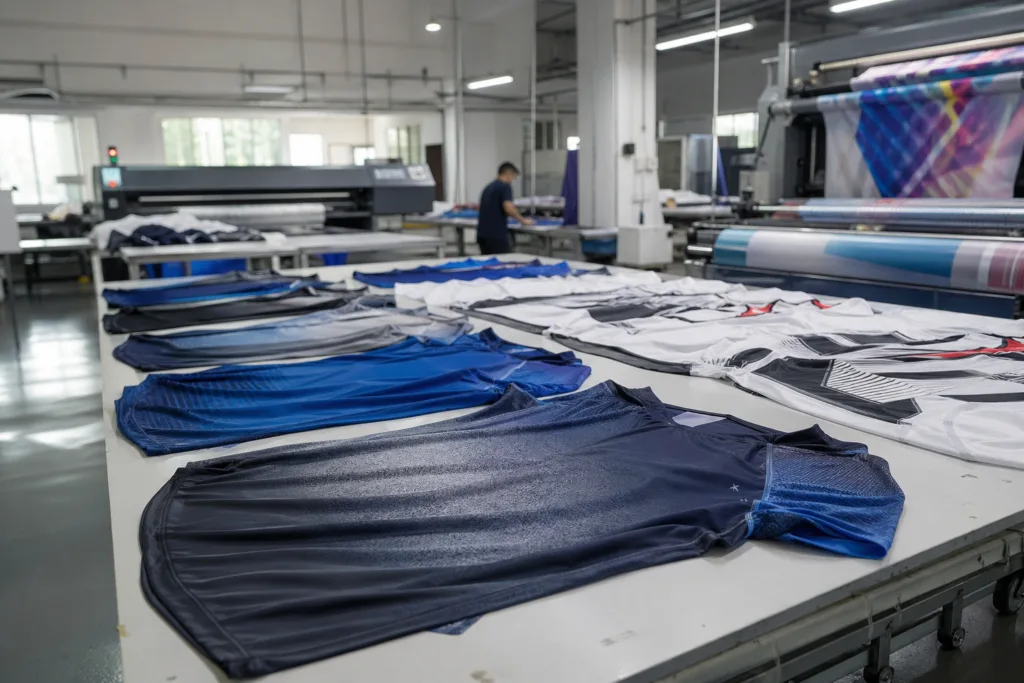
- Fabric lab testing for colorfastness and shrinkage
- Print durability tests (wash cycles, UV resistance)
- Visual inspection for stitching & brand placement
Catch problems early—ask for pre-shipment photos or videos before final delivery.
Common Pitfalls and How to Avoid Them
- Blurry logo prints: always request production proofs
- Mis-split sizes: confirm total count per style/size before production
- Label/trim inconsistencies: keep written specs on file
Sourcing Custom Dri-Fit Shirts: What Buyers Need to Know
Event organizers, brands, and buyers should prepare artwork in vector format, specify PMS colors, and clarify garment specs early. This streamlines communication and enables factories like Ninghow to meet deadlines without guesswork. Price points depend on fabric, order volume, and print setup—transparent specs lead to accurate quotes and reliable production.
Negotiating Lead Times and Logistics
Factor delivery windows, customs, and possible delays into your planning. Confirm packaging needs (folded, tagged, polybagged) with your manufacturer to ensure shirts arrive event-ready.
MOQ Demystified: Setting the Right Batch Size
MOQ varies by shirt type, print method, and factory capability. For full custom Dri-Fit shirts, 200–300 pcs per style is typical. Simple logo prints on blanks may accept 100 pcs per color. It’s sometimes possible to mix sizes within one colorway for events or sponsored programs.
Strategies for Small Brands and Events
Smaller brands can reduce MOQ by:
- Choosing stock fabrics
- Limiting print placements
- Grouping multiple event orders together
- Opting for heat transfer instead of full sublimation
Custom Packaging and Delivery Options for Dri-Fit Shirts
Packaging can be tailored—individually polybagged shirts, hangtags, carton labeling, or eco packaging for sustainable brands. Proper labeling assists logistics, especially for event distribution.
Bulk Shipping vs Direct Fulfillment
Some factories offer direct-to-event shipping, while others send bulk cartons for warehouse sorting. Choose the model that matches your workflow.
Custom Dri-Fit Shirts for Brands in Large-Scale Events
Major marathons, charity runs, and team-building activities often require Dri-Fit shirts with unique graphics for each event. Manufacturers prepare by pre-booking fabric, optimizing print runs, and managing size ratios to minimize waste. Early order placement ensures smooth delivery and allows more time for quality checks.
Lessons Learned from Event Fulfillment
Success comes from detailed planning, including artwork files, exact size splits, and clear communication on deadline requirements. Factory partners should be looped in early with full event specs.
Eco-Friendly Dri-Fit Options for Brands
Brands seeking sustainable solutions may request recycled polyester or organic blends. These require early planning since recycled Dri-Fit fabric stocks are limited, and printing methods must be adjusted for eco certifications.
Certifications and Sourcing Transparency
Factories can provide GRS or Oeko-Tex certifications if requested, but lead times may extend when booking specialty yarns.
Specialized Trims and Add-Ons: Elevate Your Custom Shirt
Add-ons include reflective trims, zipper pockets, mesh panels, custom neck tapes, and embossed logo patches. Each adds complexity, so brands should finalize trim specs before sampling begins.
Assessing Cost Impact
Additional trims often require new materials or machinery setup, which can affect price and order timeline. Get detailed quotes before approving extra features.
Custom Dri-Fit Apparel for Different Markets
Whether for retail, corporate promotions, or athletic teams, custom Dri-Fit shirts must match the expectations of each demographic. Retail buyers often demand limited-edition styles with exclusive graphics, while event buyers focus on functional sizing and quick production.
Adapting Fits and Prints to Market Needs
For youth markets, adjust fit and sleeve length; for corporate events, prioritize logo print clarity and packaging for gifting.
Maintaining Consistency Across Repeat Orders
Nothing damages brand reputation faster than inconsistent fit or color between annual orders. Maintain digital patterns, approved artwork, and bulk specs with your manufacturer for easy reorders.
Supplier Relationships Matter
Open communication and thorough documentation streamline re-orders and ensure both parties resolve issues efficiently.
Plain Dri-Fit Shirts vs Custom Designs: Making the Decision
Plain shirts (solid colors, standard fit) are cost-effective and fast to produce. Custom designs (bespoke artwork, unique trims) allow for greater brand visibility and event engagement. Weigh your priorities: for one-off promotions, simplicity may be best; for branded retail, custom designs can differentiate your offer.
Cost Breakdown Table
| Shirt Type | Average MOQ | Cost Per Unit |
|---|---|---|
| Plain Dri-Fit | 100 pcs | $3–5 |
| Custom Sublimated | 200 pcs | $6–8 |
| Screen Printed | 100–150 pcs | $4–6 |
Checklist for Brands Launching Custom Dri-Fit Shirts
- Define end-use: gym, running, event?
- Pick fabric: micro-polyester, mesh, recycled?
- Decide print method: sublimation, screen, heat transfer?
- Finalize sizing and fit charts
- Confirm MOQ and order split
- Review samples in-hand before bulk confirmation
- Arrange branding: logos, labels, packaging
- Plan lead time and logistics (event deadline or retail launch)
Conclusion: Delivering Custom Dri-Fit Shirts that Move Your Brand Forward
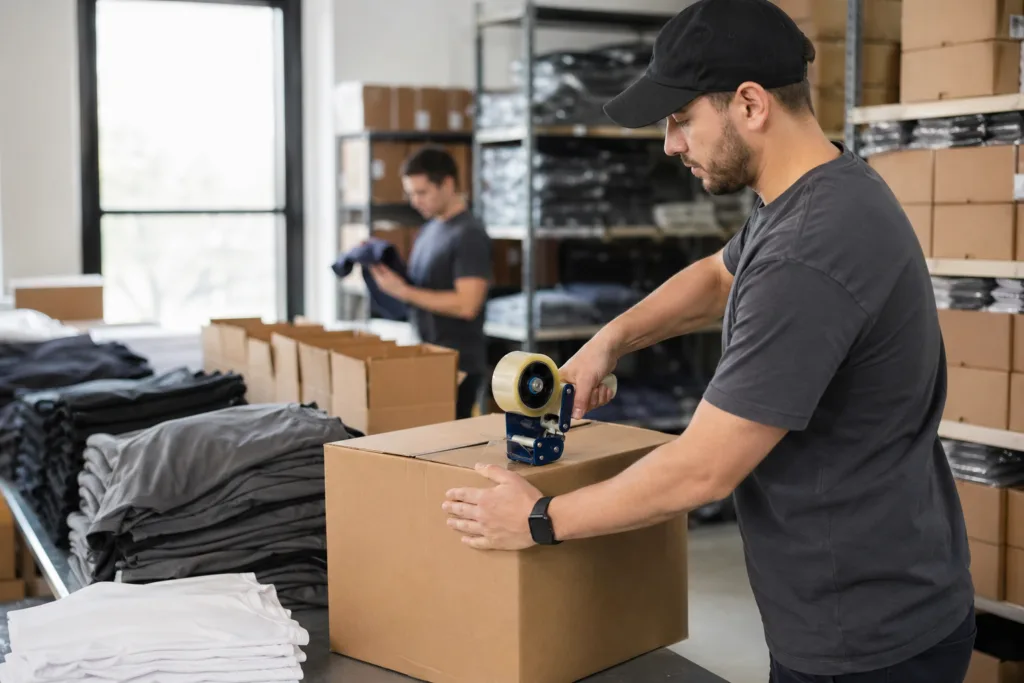
Custom Dri-Fit apparel strikes the balance between high-performance and brand impact. For brands, event buyers, and sourcing teams, practical decisions about fabric, printing, and order structure set the stage for successful launches. Partnering with a detail-oriented manufacturer helps manage complexity, deliver quality, and keep re-orders smooth. Whatever your event or retail vision, a well-planned production cycle puts your custom shirts in hands—and on backs—right when they’re needed.
Frequently Asked Questions
What is Dri-Fit fabric and why is it popular for athletic shirts?
Dri-Fit fabric is a polyester blend designed to wick moisture, keeping wearers dry during activity. It’s lightweight, durable, and ideal for gym and running apparel.
Can I mix sizes and colors in my custom Dri-Fit shirt order?
Yes, most manufacturers allow size splits and sometimes color splits. However, minimums per color or style usually apply—clarify the ratios before ordering.
What’s the difference between sublimation and screen printing on Dri-Fit shirts?
Sublimation offers full-color, all-over prints but only on polyester. Screen printing is best for solid logos and works on blends, with limits on detailed artwork.
How long does production take from sampling to delivery?
Lead times range 30–45 days once samples are approved, but can vary based on fabric inventory, print setup, and complexity of order.
What are the advantages of choosing plain Dri-Fit shirts for events?
Plain shirts speed up fulfillment and lower costs. Brands can add simple logos or sponsor marks, making them practical for large event orders.
How do brands ensure fit and sizing consistency across repeat orders?
Maintaining standardized size charts and digital patterns, plus clear communication with your manufacturer, helps keep sizing and fits consistent batch-to-batch.