

Introduction: Building Your Gym Clothing Collection for Online Sales with Your Manufacturer
Launching a gym clothing collection for e-commerce is more than picking out a few designs and waiting for sales. At Ninghow, we know from direct production floor experience that the foundation for a successful online activewear brand starts with how you plan, develop, and align your assortment with the right manufacturing partner. Every decision—from your product mix and colorways to inventory strategies and content creation—shapes your ability to attract customers and stay profitable.
For readers focused on brand development, a useful next step is to work with a reputable manufacturer to dig deeper into custom category options and gym apparel production capabilities. This page provides a focused look at specification options, MOQ ranges, and development pathways that support robust e-commerce launches and scaling. It’s especially relevant for brands comparing manufacturing choices for custom gym clothing production.
Understanding the E-Commerce Brand Planning Approach
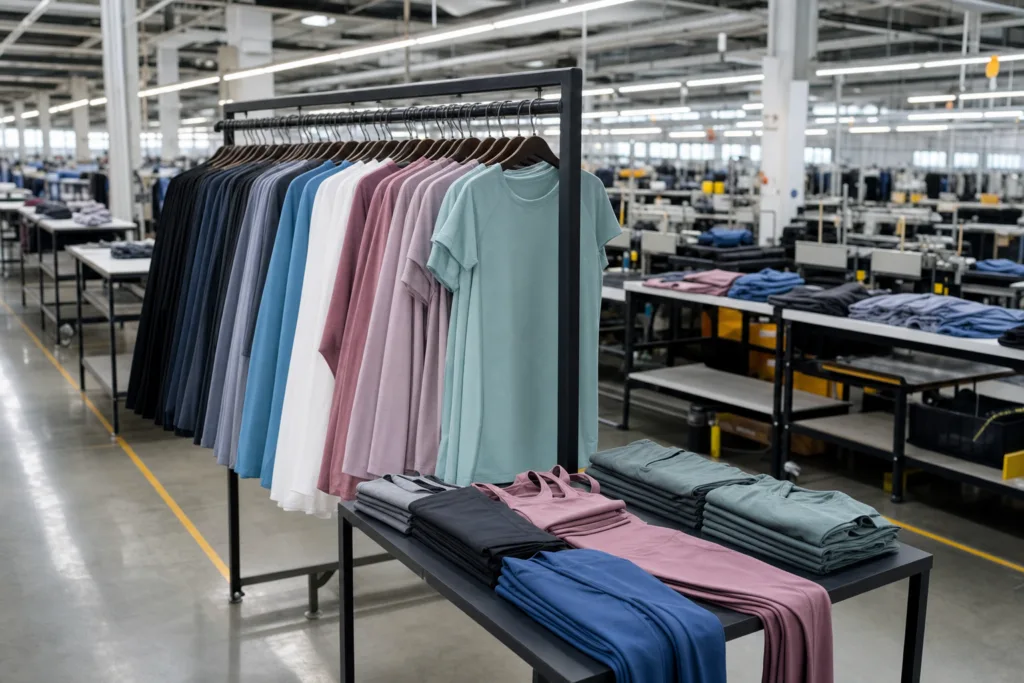
Success in online gym apparel starts with planning. E-commerce brands must consider factors like assortment strategy, color depth, and fast fulfillment. Working closely with your manufacturer makes this process smoother and more predictable. Let’s explore how a rigorous planning mindset lays the groundwork for profitable collections and scalable growth.
The Key Decisions Shaping Your Gym Clothing Collection
Before you order samples or finalize tech packs, you’ll need to address several influencing factors. Strategic choices in these areas allow your manufacturer to deliver consistently high-quality and flexible production:
- Assortment size: How many styles and SKU breadth?
- Color and size runs: Will you offer deep or shallow color options?
- Replenishment models: Should your manufacturer support small repeat orders?
- Content creation: Does your partner offer support for product photography swatches or samples?
- Inventory policy: Are you running made-to-order, dropshipping, or holding stock?
Choosing the Right Manufacturer for Online Brands
Gym clothing manufacturers play a significant role in shaping your collection’s flexibility, cost, and speed to market. E-commerce-focused brands should look for partners offering OEM/private label customization, flexible MOQs, reliable sample development, and transparent timelines. It is important to compare quotes from manufacturers to assess capability, cost, and scaling potential before committing.
Assortment Size: Finding Your Online Market Sweet Spot
Online brands juggle two challenges: standing out and not drowning in unsold inventory. Too many styles can spread you—and your manufacturer—too thin. Too few can limit your customer reach. A focused launch assortment with core products (like leggings, sports bras, and tank tops) allows effective inventory control, easier content creation, and clearer branding.
Key Tips on Launch Assortment:
- Start with 3–6 core styles per gender/segment
- Use versatile colorways
- Test with minimum order quantities
- Gather customer and sales feedback before expanding
Color Depth and Size Range: Craft a Relevant, Manageable Mix
Color depth impacts both manufacturing cost and brand image. Manufacturers can guide you on practical color splits, dye lot efficiency, and what sells best in different geographies. For sizing, sticking to a range that covers most customers (XS-XL or S-XXL) and making adjustments as feedback rolls in can prevent excess stock while maintaining accessibility.
Replenishment Ability: Plan for What Sells—And Sells Again
E-commerce success hinges on not running out of your most popular SKUs. A manufacturer that supports fast, reliable replenishment lets you restock efficiently, reduce lost sales, and scale up when products become hits. Consider partners who handle smaller reruns, flexible batch sizes, and predictable restocking timelines.
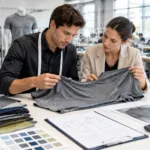
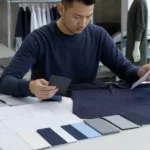
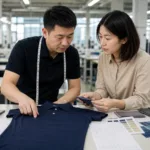
Content Creation Support: Why Sampling and Swatches Matter
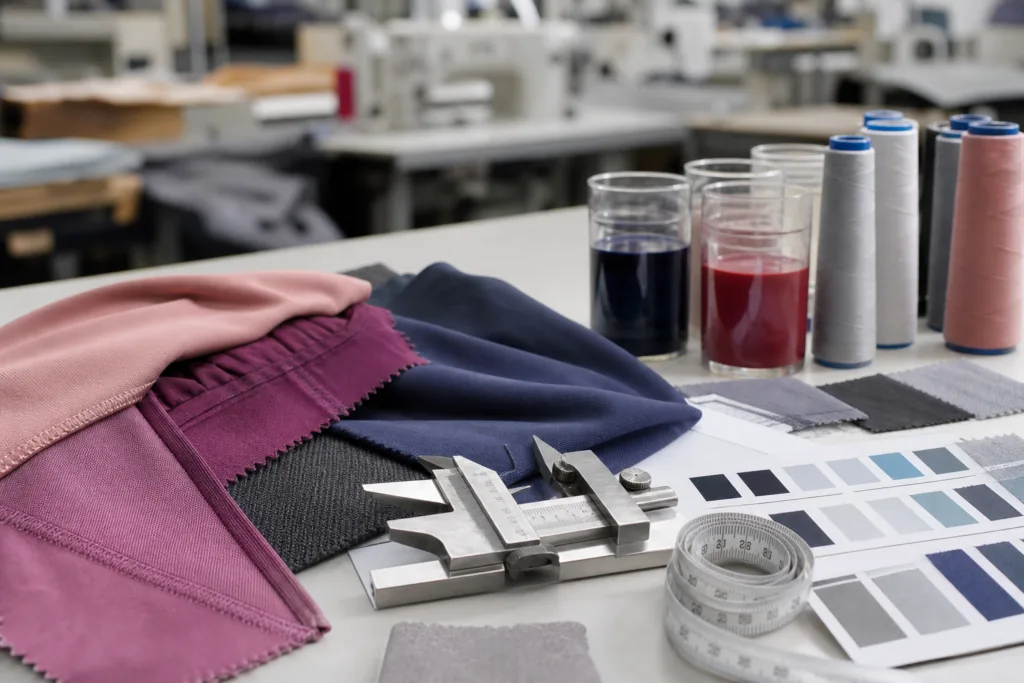
Content is king in online retail. Good manufacturers can help by providing fabric swatches, sample runs, or even production-ready pieces for photography and influencer marketing before full production. This arms your team with visuals that drive traffic, conversions, and brand trust.
Inventory Strategy: Balancing Risk with Supply
Your inventory approach—stocking up, producing on demand, or mix-and-match—will affect everything from cost to fulfillment speed. Manufacturers with experience supporting dropshipping, pre-orders, or mixed inventory models can provide tailored advice. This is especially crucial when seasonal trends, influencer boosts, or viral moments hit.
Minimum Order Quantities (MOQs): Start Smart, Scale Confidently
Negotiating the right MOQ is essential for e-commerce startups. Manufacturers who support low minimums allow you to validate product-market fit without overcommitting capital. At Ninghow, we often advise clients to launch with flexible MOQs and then increase orders with proven styles, minimizing overstock headaches.
Fabric Selection: Matching Material to Market Needs
Performance apparel brands rely on the right fabric for stretch, breathability, and durability. Manufacturers should recommend proven blends for gym, yoga, or athleisure use—balancing function, aesthetics, and cost. Sampling different weights, surface textures, and colorfastness improves the end user experience and supports your product marketing story.
Design & Customization: Making Your Private Label Stand Out
Private label gym clothes offer endless options for branding and customization. From unique trims and reflective detailing to innovative panels or eco-friendly tags, a skilled manufacturer translates your vision into scalable, production-ready samples. Clear tech packs, logo placement guides, and pre-production samples reduce the risk of miscommunication.
Production Timelines: Sync Supply with E-Commerce Launch Cycles
Efficient e-commerce launches depend on synchronized timelines. Manufacturers should provide clarity on sample development, approval, and bulk production dates. Buffer time for freight and customs, especially for international shipments, is essential. Transparent, realistic schedules prevent launch-day stockouts and help your marketing and fulfillment teams stay on track.
Quality Control & Consistency: Protecting Your Online Reputation
Gym wear faces high customer expectations. Any mismatch in color, fit, or finish can result in costly returns and negative reviews. At Ninghow, we recommend brands build in extra sample rounds, focus on consistent sizing specs, and set up batch spot-checks pre-shipment. This kind of practical, preventive QC helps online brands uphold quality promises at scale.
Pricing Strategy: Position Your Collection from Day One
Your price point should reflect not just production costs, but your e-commerce positioning. Discuss landed costs, packaging, and logistics with your manufacturer, not just per-piece price. Be sure to plan out margin targets that leave space for returns, marketing spend, and promotions.
Packaging & Unboxing: Enhancing the Customer Experience
E-commerce brands compete on first impressions. Collaborative manufacturers will help you explore packaging options for gym clothing that are affordable, vibe-matching, and protect garments in transit—whether you want retail bags, recyclable mailers, or branded inserts. Smart packaging can increase perceived value, support content creation, and reduce return rates.
Order Tracking and Fulfillment: Meeting Customer Expectations
Buyers expect fast, transparent delivery. Manufacturers offering integration with third-party logistics (3PLs) or who ship directly to end consumers eliminate friction points. Asking about shipping label formats, batch tracking, and fulfillment software compatibility early pays off when it’s time to scale.
Launch Support and Communication: Staying Agile as You Grow
Responsive, clear communication with your manufacturing partner cannot be overstated for digital brands. From sampling feedback to minor last-minute tweaks, quick responses and proactive updates help you avoid costly mistakes or missed deadlines. Look for manufacturing teams that understand the urgency of online launches and scaling cycles.
Scaling Up: From Initial Launch to Expanded Lines
Your first collection sets the stage for growth. With successful launches, plan to diversify: expand into new silhouettes, specialty fabrics, and seasonal capsules. Manufacturers who can scale their production quickly—without sacrificing quality or speed—become long-term partners supporting your ongoing success.
Sustainable Options for Ethical E-Commerce
Today’s consumers are increasingly eco-conscious. Manufacturing partners who source recycled fabrics, use water-based inks, or support ethical labor standards can help you position your collection responsibly—with transparency embedded in your product storytelling as you scale your e-commerce presence.
Content Handoff: From Factory Floor to Product Page
It’s not just about what you make, but how you present it. Good manufacturers offer clear labeling, batch codes, and digital pack lists that streamline your internal processes—supporting efficient inventory management, content updates, and rapid response to customer service needs post-launch.
Continuous Improvement: Data-Driven Collection Adjustments
The e-commerce advantage is rapid testing and iteration. Share sales data and feedback with your manufacturer—they can help you improve construction, fit, or even recommend hot-trending details. Veterans like Ninghow use this feedback to suggest production tweaks, reduce returns, and enhance overall collection performance.
How to Build a Gym Clothing Collection for Online Sales with Your Manufacturer
Combining strategy and factory insight is what sets growing brands apart. To succeed, sync your brand vision with practical factory know-how: clarify your assortment, sample thoroughly, leverage replenishment, and plan content alongside each production milestone. Proactive communication and trust in your manufacturing partner creates a virtuous cycle of faster launches, agile scaling, and fewer operational headaches.
Conclusion: Start Smart, Build Strong, Scale Confidently
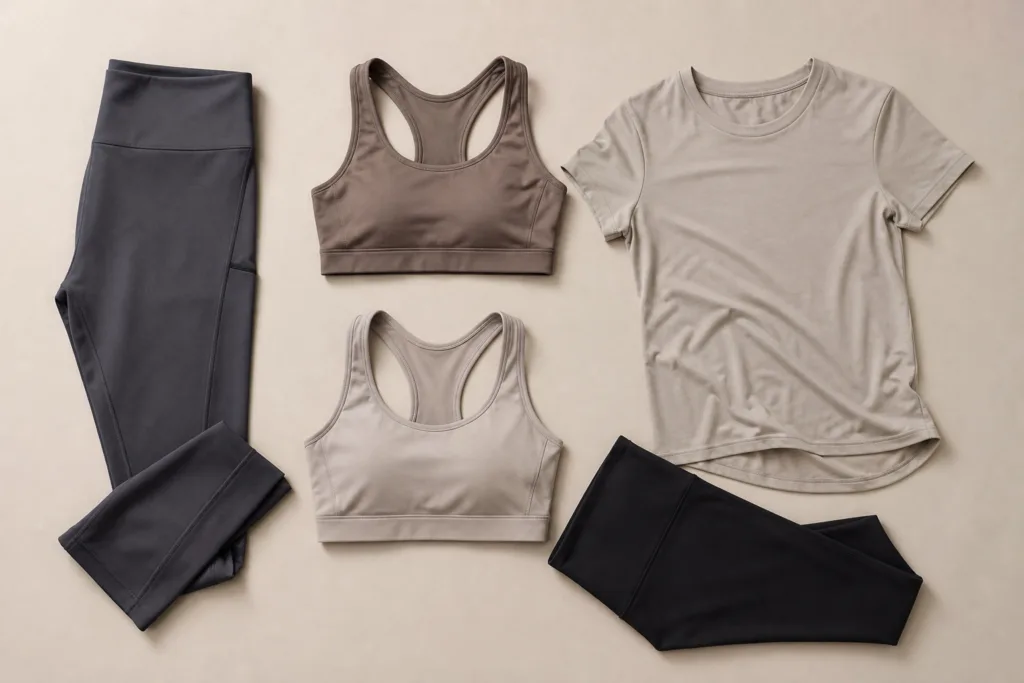
Building an online gym clothing collection with your manufacturer is a blend of creative vision, data-driven planning, and practical factory coordination. By approaching assortment, content, replenishment, and inventory strategy with manufacturing realities in mind, e-commerce brands can launch faster, scale smarter, and keep customers coming back.
Frequently Asked Questions
What is the optimal size for a launch gym clothing collection?
Most successful online launches start with 3–6 core styles, balancing brand focus and inventory risk.
How can manufacturers help online brands manage inventory for gym apparel?
Manufacturers who support small MOQs, fast replenishment, and flexible color runs help brands avoid excess inventory and stay agile.
Why is color depth important in gym clothing collections?
Offering the right range of colors helps brands appeal to more customers and improves factory efficiency by consolidating dye lots.
What role does sampling play before full production?
Sampling lets brands test fit, color, and fabric before scaling up, ensuring confidence and reducing costly mistakes in bulk runs.
Can manufacturers help with content creation for e-commerce launches?
Yes, good manufacturers often provide swatches or samples early to facilitate professional photography and online product listings.
How should brands choose between stocking inventory and using made-to-order models?
Stocking suits high-volume or fast-moving styles, while made-to-order reduces risk for niche, new, or rapidly trending products.