
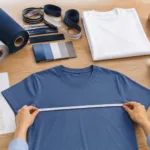
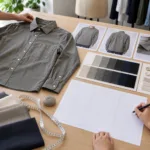

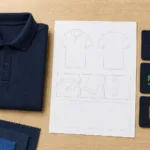
When a supplier proposes a replacement fabric or trim after an order is placed, matching color is only the starting point. Buyers should treat the proposal as a controlled garment BOM change and compare the original and substitute across appearance, construction, fit, production, decoration, labeling, testing, cost, and timing. A practical Quality & QC review should end with a documented decision: approve for a defined order and lot, re-sample, re-test affected requirements, reject, or hold production.
This checklist separates material substitution approval from material reservation or pre-booking. It is designed for brands, private-label businesses, uniform buyers, importers, and sourcing teams that need to protect an approved product while responding to shortages, discontinuation, quality issues, or timing risks.
Do Not Approve a Material Substitution on Color Match Alone
No. A color match does not make a replacement material equivalent. Two fabrics or trims can look similar while behaving differently during cutting, sewing, washing, printing, embroidery, wear, or care-label application. The same composition and GSM also do not automatically establish interchangeability.
Before bulk production uses the substitute, collect the original approved sample, replacement sample, current BOM, tech pack, purchase specification, and approved sample record. The change proposal should state why the replacement is needed, which components and orders are affected, and when the requester wants it to take effect.
Compare the materials across the requirements that matter to the finished garment:
- Appearance, color reference, surface, hand feel, drape, and finish
- Composition, construction, yarn or structure, weight, width, and dimensional behavior
- Stretch, recovery, shrinkage, sewing, pressing, washing, and finishing effects where relevant
- Decoration, logo appearance, label information, product claims, and customer requirements
- Cost, availability, production timing, affected inventory, and rollback options
Use the evidence to choose an action rather than treating the proposal as an informal sourcing adjustment. A low-impact trim change may need document review and a representative sample. A fabric change affecting fit, shrinkage, decoration, or claims may require new sampling and targeted testing. If the evidence is incomplete, place the affected production on hold until the responsible buyer, QA lead, and production or development contact agree on the next step. Published sample-approval and order-confirmation workflows can provide process context, but they do not replace order-specific evidence or approval.
Freeze the Original Requirement Before Reviewing the Proposed Replacement
Freeze the original requirement before judging the replacement. Record the original supplier or material reference, fiber or material description, construction, weight, width, finish, color reference, trim dimensions, and approved sample status where available. A retained sample and the approved BOM are especially useful when a written specification does not describe touch, appearance, or construction fully.
Then record the reason for the proposed change. Shortage, supplier discontinuation, a quality concern, cost change, timing risk, or a buyer-requested design change can lead to different decisions. The reason should not be used to lower an existing requirement without written approval.
List every affected style, color, size range, trim, decoration, purchase order, production stage, and delivery date. Define the non-negotiables before reviewing the substitute, such as appearance, hand feel, measurements, shrinkage, durability, colorfastness, logo appearance, labeling, or customer claims. Also confirm whether the original material or garment has already been purchased, cut, sewn, decorated, packed, or shipped. The available remedies and financial exposure change at each stage.
Keep two decisions separate. Substitution approval determines whether a specified replacement may be used for identified orders or lots. Material reservation concerns quantities, batches, ownership, reservation period, expiry, and treatment of unused stock for a repeat or seasonal program. A reserved material is not automatically an approved substitute, and approving one replacement is not permission to use it on every future order.
For schedule planning, identify the material-ready date, approval deadline, production milestone, and required delivery date separately. Ninghow’s published timeline guidance identifies material readiness, approvals, and customization as scheduling dependencies; it should not be read as a specific lead-time promise for an individual order.
Compare the Original and Substitute in a Buyer-Readable Difference Table
A buyer-readable comparison makes hidden differences visible to sourcing, QA, development, and production teams. Use one row for each requirement, identify the evidence reviewed, and mark the result as no known impact, impact to verify, or reason for rejection. Do not replace the analysis with a broad statement such as “equivalent.”
| Review area | Original versus substitute | Decision or verification needed |
|---|---|---|
| Material identity | Composition, supplier reference, construction, yarn or structure | Confirm the change and whether the original requirement remains satisfied |
| Physical specification | Weight, width, thickness, finish, stretch, recovery, and hand feel | Check cutting yield, fit, sewing, pressing, and dimensional effects |
| Appearance | Color reference, shade, surface, drape, and batch variation | Compare against the approved sample under the agreed review conditions |
| Trims | Dimensions, function, attachment method, and supplier or batch | Review fit, operation, decoration, labeling, and inspection points |
| Processing | Needle, thread, bonding, washing, finishing, or handling requirements | Re-sample or verify affected production steps before bulk release |
| Commercial control | Cost, availability, timing, affected inventory, and effective lot | Document approval limits, responsibility, and rollback conditions |
For a practical fabric substitution checklist, attach side-by-side swatches or trims identified by version and batch, supplier specifications, and any relevant dimensional or construction records. Review trims separately: a zipper, button, elastic, cord, label, patch, or packaging component can alter function, fit, decoration, or product records even when the main fabric is unchanged.
- No known impact: the difference is documented and does not change an approved requirement based on available evidence.
- Impact to verify: the difference could affect the garment, so a representative sample, targeted inspection, or relevant test is required.
- Reason for rejection: the substitute fails a non-negotiable requirement, lacks necessary evidence, or cannot be controlled for the affected order.
Complete the table before updating the BOM. Material-substitution guidance supports comparing the original, substitute, differences, and affected verification items; it does not support claiming interchangeability without that review.
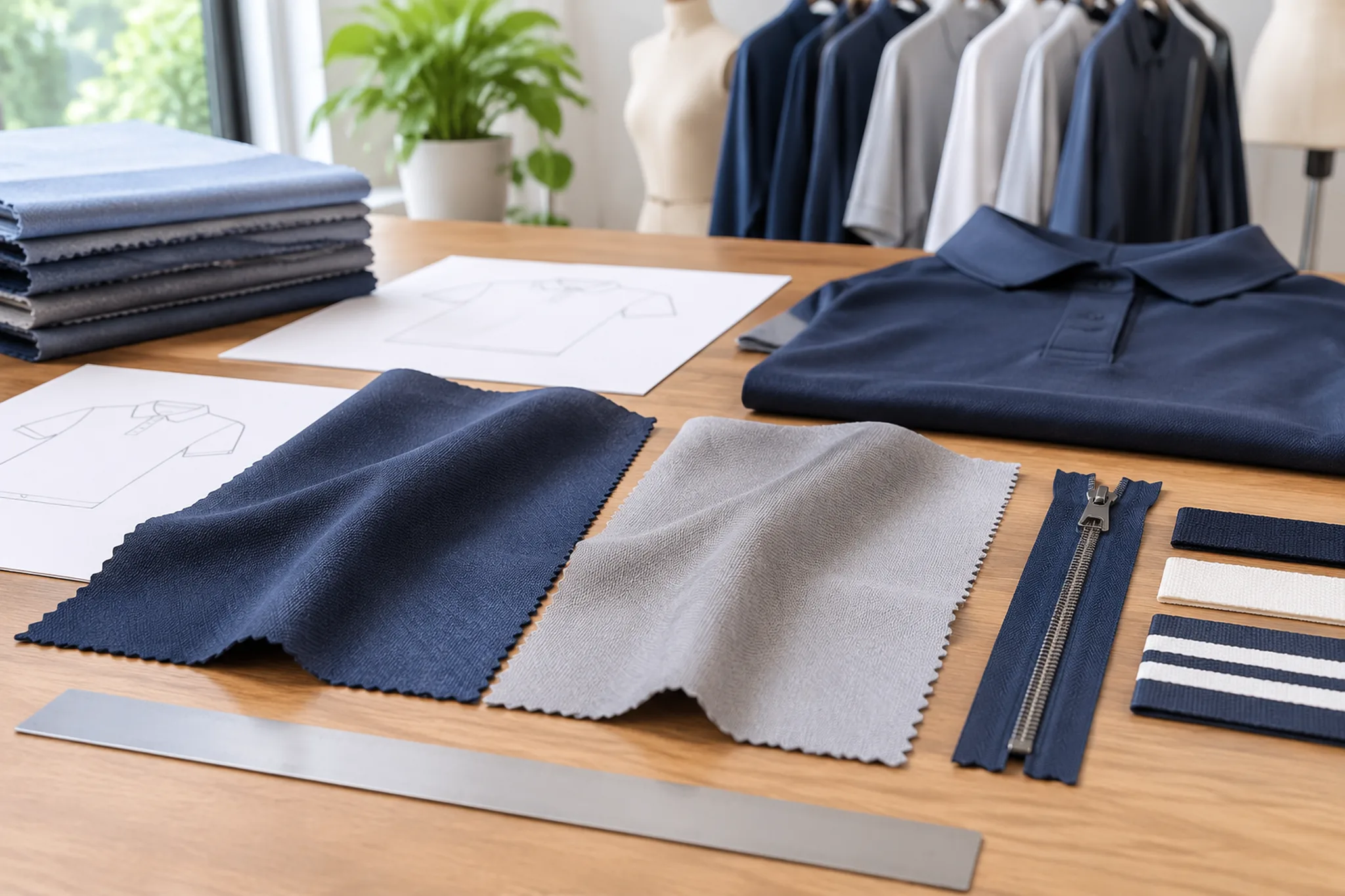
Trace Effects on Fit, Shrinkage, Decoration, Labels, and Product Claims
Material specifications matter because they can change the garment, not because the numbers are important in isolation. Compare a representative garment or sample for drape, thickness, stretch, recovery, and shrinkage. A change in these properties may alter finished measurements, grading, seam placement, or the approved fit.
Ask whether cutting, sewing, pressing, washing, bonding, or finishing instructions must change. If the replacement enters before decoration, review screen print, embroidery, heat transfer, sublimation, patches, and other applications for adhesion, distortion, show-through, color interaction, and placement. A logo that looked acceptable on a swatch may still need review on the finished construction.
Check records and claims separately. A replacement may require updates to fiber or material content, care instructions, country-of-origin wording, trim composition, packaging text, or customer-facing product claims. Do not assume an existing report or label automatically covers the new material, color, construction, or intended use. Determine whether the evidence actually matches the changed requirement and destination market.
Use a representative re-sample when fit, appearance, decoration, or construction could change. Use targeted re-testing when a changed material affects a documented performance, wash, color, decoration, labeling, or customer requirement. The exact test scope depends on the original specification, the proposed difference, the intended use, and applicable current requirements. Generic supplier statements or public technical references are not substitutes for order-specific evidence.
For development coordination, translate a reference sample into executable dimensions, construction, appearance, and handling requirements. A manufacturer-aware sampling workflow can help teams organize those inputs, but the buyer or designated QA authority still needs to approve the changed version for the identified order.
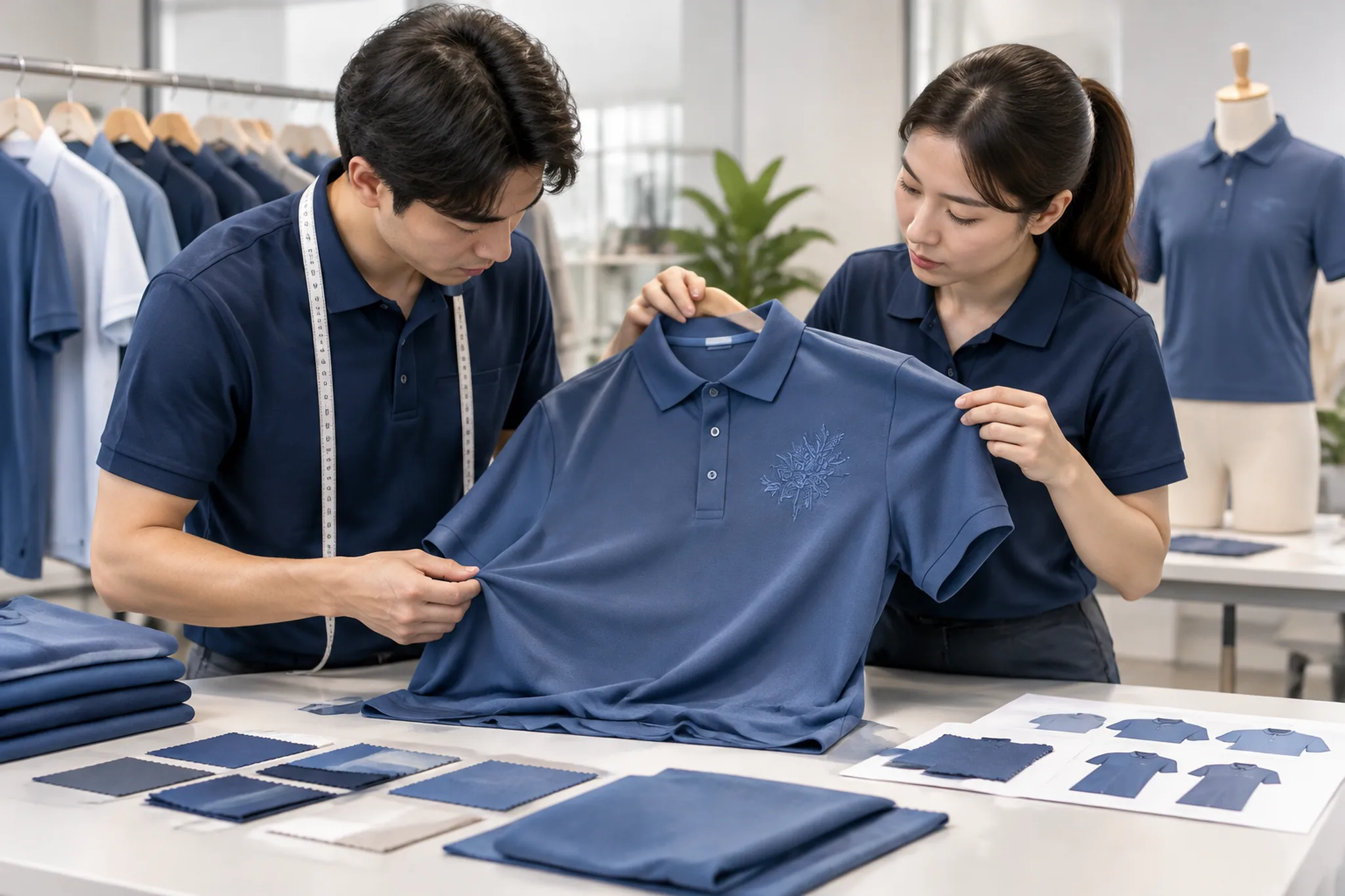
Decide Whether to Re-Sample, Re-Test, Approve, Reject, or Hold
Use the evidence review to choose the next action, not to force an approval. A supplier proposal is not buyer authorization, and a close raw-material specification does not remove the need to review the finished garment.
Choose the action by evidence and risk
- Re-sample: Request a representative sample when the proposed substitute may change appearance, hand feel, fit, construction, decoration, or workmanship. The sample should use the proposed material, relevant trims, planned decoration, and the production method that matters to the order.
- Re-test: Use targeted re-testing when the change could affect a documented performance, wash result, decoration requirement, labeling requirement, or customer specification. Record why affected items were tested and why unaffected items were not repeated.
- Approve: Approve only when the representative sample, relevant evidence, commercial scope, and required written confirmations are complete.
- Reject: Reject the substitute when it changes a non-negotiable requirement, fails an applicable review, or cannot support the approved product outcome.
- Hold: Keep bulk work on hold when the sample is not representative, a required report is unavailable, the approval scope is unclear, or open issues could affect the order.
Set the approval authority
Approval normally has separate owners. The buyer or brand owner accepts commercial and design implications. The QA or technical owner accepts quality and test evidence. The manufacturing team confirms that the approved version can be implemented against the relevant order documents. One person may coordinate the decision, but the record should show each required responsibility.
Use written approval with a revision, date, covered order, conditions, and effective lot. A verbal message such as “looks fine” is not a reliable garment BOM change control record. If any condition remains open, label the decision conditionally approved or pending rather than treating it as a full release.
Define Cost, Timing, Effective Lots, and Rollback Conditions
A technically acceptable substitute can still create an uncontrolled commercial or production change. Before release, define what changes, when it takes effect, and what happens if the decision is reversed.
Record the commercial and schedule impact
Compare the original and proposed cost impact for material, trims, decoration, sampling, testing, cutting yield, rework exposure, and any buyer approval expense. Use an actual quotation or internal cost record where applicable; do not treat an unpriced supplier proposal as a confirmed saving.
Update the milestone plan around material readiness, approval deadlines, production, inspection, shipping, and delivery. Material availability and approvals are schedule dependencies, but a published process guide is not an order-specific delivery commitment. Keep production, transportation, customs, and receiving dates distinct so a material change does not conceal a downstream delay.
Define the effective scope
State the exact purchase orders, styles, colors, sizes, and production lots covered. Identify the first cut date, production date, or other traceable point at which the proposed substitute becomes effective. Keep the original approved material and proposed substitute separated by reference, batch, and status where practical, both in inventory records and in the working document set.
Do not let approval for one order silently become approval for a replenishment, a future season, or a different garment category. Material reservation is a separate decision. If stock is reserved, document quantity, batch, ownership, expiry, and treatment of unused material rather than assuming that reserved stock is automatically suitable for later orders.
Write the rollback rule
Define who can stop the change, how unused material will be handled, who owns rework, and what happens if the substitute fails approval or bulk inspection. A rollback condition might be tied to a failed required check, an unacceptable garment-level difference, or a scope mismatch. The condition must be specific enough for production and QA to act without interpreting an old revision.
Issue the Final Substitution Approval Packet Before Bulk Release
Before bulk release, assemble one controlled substitution approval packet. It should allow production, QA, sourcing, decoration, packing, and the buyer to work from the same approved version.
Final packet checklist
- Original-versus-substitute comparison covering composition, construction, color, hand feel, weight or other specified characteristics, and known differences.
- Representative replacement sample or PPS record, including the relevant trim, decoration, and production method.
- Updated BOM, affected tech-pack pages, artwork, label files, packaging instructions, and retained-sample reference.
- Applicable test reports, inspection records, and a written rationale for any affected checks that were repeated or not repeated.
- Commercial impact record covering revised costs, sampling or testing implications, timing, and responsibilities.
- Approval status, conditions, expiry or review point, covered orders, effective lots, and traceable confirmations from the designated approvers.
- Open-issue log and documented disposition for every unresolved risk.
Update the inspection plan to match the approved replacement version. Inspecting bulk goods against an outdated original sample can create a false pass or an unnecessary rejection. Confirm that the retained sample, BOM, tech pack, labels, decoration files, and packaging files all carry the same revision.
For teams preparing a manufacturer discussion, convert the reference sample into measurable dimensions, construction details, appearance requirements, and handling instructions. This guide to defining custom clothing manufacturing requirements can help organize those inputs. It does not replace order-specific approval or applicable evidence.
Use a final release gate: no bulk replacement, labeling update, or future-order carryover until the scope is expressly documented and the designated decision owners have confirmed it.
For a project review, send the original BOM, original and proposed substitute samples or clear material records, affected purchase orders and styles, required decoration and labeling details, target production or delivery dates, and any available test or inspection reports. Share these specifications with Ninghow through its contact page so the proposed change can be reviewed against the identified order and approval requirements.
Frequently Asked Questions
Does matching color make a replacement fabric equivalent?
No. Matching color addresses only one visible characteristic. A substitute can still differ in hand feel, construction, fit, shrinkage, decoration behavior, labeling implications, or other documented requirements. Treat color as one comparison point, then use a representative garment sample and targeted evidence before approving the change.
When should a substitute material be retested?
Retest when the substitution could affect a documented performance, wash result, decoration requirement, labeling requirement, customer specification, or other approved requirement. Use a risk-based plan, identify what was repeated, and record why unaffected checks were not repeated. The exact scope depends on the original specification, proposed difference, intended use, and applicable current requirements.
Who should approve a garment BOM change?
The buyer or brand owner should approve commercial and design acceptance, while the QA or technical owner should approve quality and test evidence. The manufacturing team should confirm implementation against the order documents. Keep these responsibilities traceable in writing, even when one person coordinates the overall garment BOM change.
Can a substitution approval apply to all future orders?
Not automatically. An approval should identify the covered purchase orders, styles, colors, sizes, lots, effective point, conditions, and review or expiry point. A future replenishment, season, or garment category may have different requirements. Extend the approval only through a documented review that expressly covers the new scope.
What should be included in a fabric substitution approval packet?
Include the original-versus-substitute comparison, representative replacement sample, updated BOM and tech-pack pages, artwork and label revisions, applicable test or inspection evidence, cost and timing impact, approval status, covered orders, effective lots, approvers, conditions, and open-risk disposition. Ensure every production and inspection document uses the same revision.
How should buyers handle a proposed trim replacement after bulk production has started?
Place the affected work on hold while identifying the trim change, affected lots, decoration or labeling impact, and available evidence. Request a representative sample or production confirmation, apply targeted testing where requirements may change, and obtain written buyer and technical approval. Define rollback, unused-stock handling, and the exact effective lot before release.