



Introduction: The Practical Value of Running Apparel for Fitness Brands
Running apparel manufacturers have long set the industry standard in functional performance, lightweight comfort, and intelligent product design. Fitness brands frequently look to running clothes manufacturers to understand how athletic wear can evolve beyond simple gym gear. By examining custom running wear—from moisture-wicking fabrics and reflective trims to chafe-reducing flatlock seams and storage details—brands can adapt these proven features and manufacturing best practices to strengthen their wider gym apparel collections. In this article, Ninghow, a garment manufacturer serving fitness and sportswear brands worldwide, shares practical insights into how running apparel development informs smarter gym wear design, sourcing, and customization at scale.
Readers evaluating manufacturing options may also want to explore custom gym clothing manufacturers for a more focused overview of production capabilities, material choices, and customization options in the gym apparel segment. This resource is especially useful for brands and sourcing teams planning bulk orders or specialized product development, as it showcases how Ninghow approaches the gym wear category from a factory perspective.
Why Running Apparel Sets an Industry Benchmark
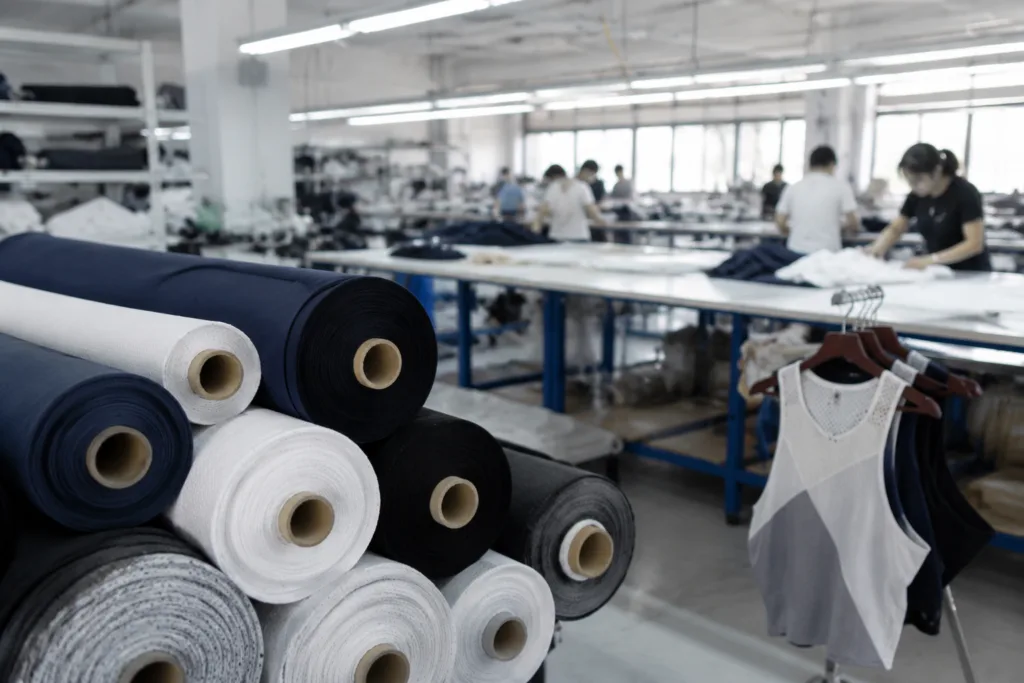
Running apparel manufacturers operate at the intersection of performance engineering and practical wearability. Their products must withstand long distances, varied climates, and relentless motion, which drives innovation in textile development, technical trims, ergonomic patterning, and bulk production consistency. Fitness brands benefit by reviewing how running clothes manufacturers prioritize product longevity and athlete comfort—lessons that translate directly to gym wear categories.
Lightweight Fabrics: The Foundation of Performance Wear
The quest for ultra-light materials is central to both running apparel and broader fitness clothing. Running clothes manufacturers often select polyesters, nylon blends, and mesh structures with weights below 150gsm to maximize air flow and minimize heat retention. When applied to gym apparel, these materials deliver enhanced breathability and reduce fatigue during extended sessions. Sourcing teams should consider the impact of fabric weight, yarn type, and weave density on end-user comfort and bulk production feasibility.
Fabric Properties Comparison: Running vs Gym Apparel
| Attribute | Running Apparel | Fitness/Gym Wear |
|---|---|---|
| Typical Weight | 90–150 gsm | 120–180 gsm |
| Fiber Type | Polyester, nylon, technical blends | Cotton, polyester, elastane blends |
| Moisture Wicking | Advanced, rapid-dry | Basic to moderate |
| Sun Resistance | Often UV-protected | Varies |
| Bacteria Control | Integrated anti-microbial | Optional only |
Reflective Trims: Safety and Design Utility
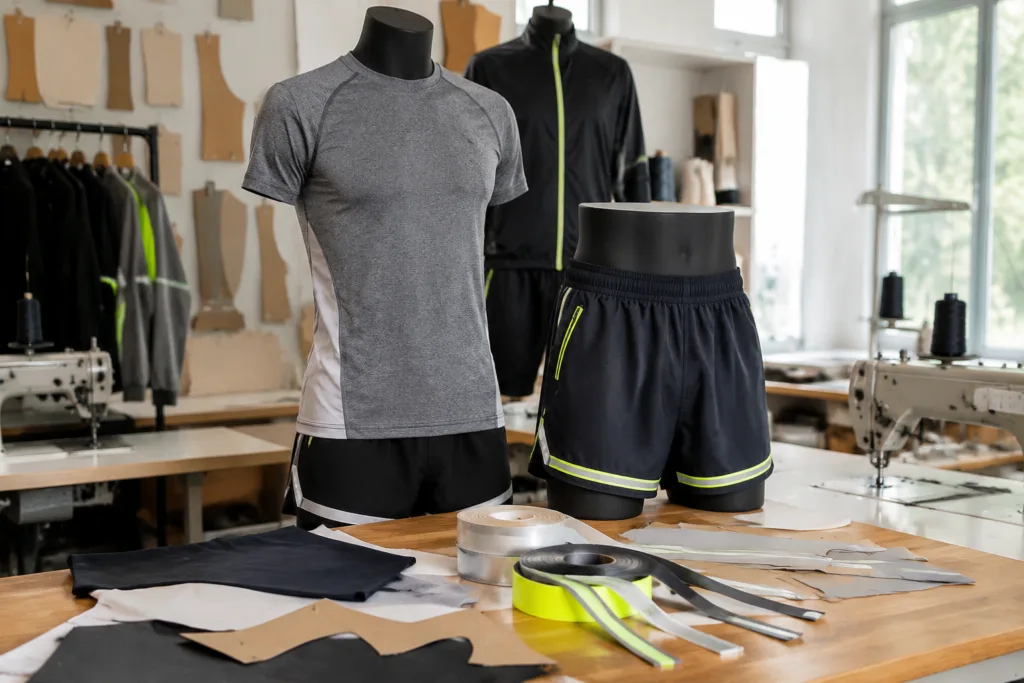
Running apparel manufacturers lead in deploying reflective elements—tapes, heat transfers, logos—to boost nighttime visibility. For fitness brands, these trims are not only a safety feature but also a way to differentiate products across gym wear, yoga collections, and athleisure. Smart positioning (hem, seams, zipper pulls) balances visibility with styling, and manufacturers must ensure consistent bonding or sewing in bulk runs.
Storage Solutions: Pockets, Zippers, and Secure Features
Custom made running shorts often showcase smart storage: zipped pockets, sweat-resistant liners, and low-bounce compartments. Fitness apparel can borrow these innovations for gym shorts, leggings, or training tops, offering added functionality for everyday athletes. Manufacturers should test prototypes for pocket placement, strength, and durability before bulk production, reducing risk of product returns or negative reviews.
Chafe Reduction: Seam and Fit Engineering in Running Apparel
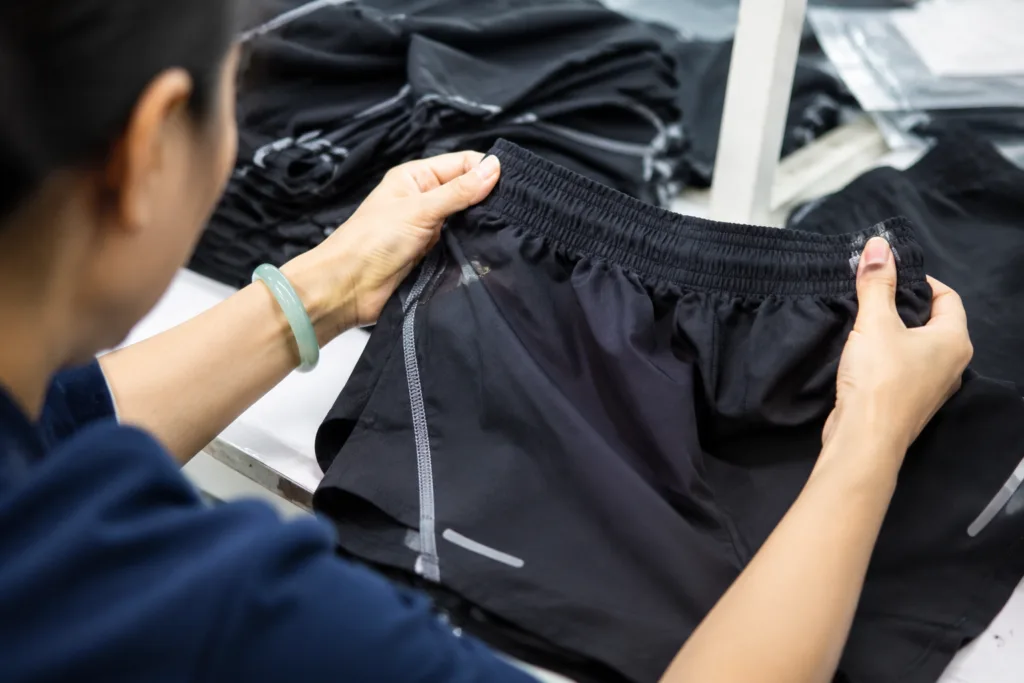
Flatlock seams, ergonomic panels, and seamless gussets are hallmarks of technical running apparel. These features greatly reduce friction and skin irritation during intense movement. In gym wear, adopting these methods prevents complaints and elevates product quality. Fitness brands sourcing from running clothes manufacturers benefit from this expertise, particularly when customizing shorts and tops for high-intensity training.
Bulk Customization: Practical Considerations for Fitness Brands
Scaling up custom running wear demands clear communication about materials, trims, fit specs, and bulk QC. Minimum order quantities (MOQs), lead times, and sample approval protocols are often stricter in performance categories. Brands planning mass production must clarify technical requirements, labeling, and colorways for both running and gym lines during the manufacturing brief.
Steps to Effective Bulk Customization
- Define precise fit block (e.g. running vs gym)
- List all component materials and trims
- Align color continuity across styles
- Establish quality control checks (seams, trims, fabric integrity)
- Confirm packaging specs for bulk shipments
- Negotiate realistic lead time and buffer periods
Custom Made Running Shorts: Features Driving Gym Apparel Innovation
Shorts designed for running prioritize unrestricted movement, lightweight feel, and secure pocket design. Fitness brands can learn from these construction details to create gym shorts that perform equally well in HIIT, cardio, or general fitness. Manufacturers should test stitch durability, waistband stability, and liner comfort before committing to large-scale production.
Moisture Management: Ensuring Dry, Comfortable Wear
The advanced moisture-wicking properties found in technical running apparel help maintain skin comfort and odor control. Adopting these yarns and finishes for gym apparel elevates the functional value, allowing wearers to transition seamlessly from sweat-heavy sessions to daily activities. Brands should specify desired wicking rates and conduct lab tests where possible.
Comparison Table: Moisture Control Technologies
| Technique | Running Apparel | Gym Wear |
|---|---|---|
| Polyester Yarn Treatment | Hydrophobic, rapid-dry | Basic or blended |
| Ventilation Panels | Mesh, laser-cut holes | Applied selectively |
| Finishings | Anti-microbial, sweat-resistant | Optional/varies |
Fit and Pattern Development: Achieving Functional Comfort
Experienced running apparel manufacturers invest heavily in pattern grading, ergonomic shaping, and fit test cycles. Gym apparel can benefit from these processes, ensuring freedom of movement without excess material or restriction. Practical tips include prototyping multiple fit blocks, reviewing sample feedback from diverse body types, and balancing athletic cut with broader sizing options.
Reflective Trim Placement: Best Practices for Visibility and Style
Choosing the right location for reflective trims is both a safety and aesthetic concern. Placement on lower sleeves, hems, or side seams maximizes visibility without overpowering design. For gym apparel, manufacturers can blend these trims with brand logos or accent panels, offering additional merchandising appeal.
Material Testing: Lab and Real-World Validation
Before committing to bulk orders, fitness brands should request lab reports for running fabrics—testing stretch, abrasion resistance, colorfastness, and moisture management. Real-world wear trials with athletes help identify potential flaws and optimize design before factory production.
Production Workflow: Synchronizing Sampling and Bulk Orders
Efficient sampling is crucial. Manufacturers like Ninghow recommend a two-stage approach: prototype for fit and function, followed by a pre-production sample reflecting bulk material and trims. This method avoids errors in bulk orders and speeds up lead time once initial quality is confirmed.
Quality Control: Ensuring Consistency Across Running and Gym Apparel
Structured QC is essential in both running and gym apparel production. Check points include seam strength, reflective trim adhesion, pocket assembly, and moisture-wicking efficacy. Experience shows that early detection of minor flaws prevents larger shipment issues.
Chafe Reduction Techniques: Flatlock, Gusset, and Seam Management
Flatlock stitching, seamless gusset inserts, and ergonomic seam routing are proven methods to prevent chafing. Fitness brands working with running apparel manufacturers should prioritize these features in shorts and leggings, particularly for products intended for high-movement or long-duration wear.
Smart Pocket Design: Storage That Doesn’t Compromise Comfort
Running shorts rarely compromise mobility for storage. Manufacturers use lightweight zippers, hidden pockets, and sweat-resistant liners. Gym apparel can leverage these features—Ninghow advises testing pocket prototypes for bounce and strength before scaling to bulk production.
Sourcing Performance Tees for Bulk Orders
Performance tees—whether for running or the gym—require fabric durability, color fastness, and accurate fit. For detailed guidance, brands may want to review sourcing performance tees for deeper insight into material selection, printing options, and bulk workflow.
Manufacturing Custom Leggings for Fitness Brands
Many lessons from running apparel—such as moisture control, chafe reduction, and pocket innovations—apply directly to leggings as well. Brands seeking precise fit or unique detailing may find advice in manufacturing custom leggings, which outlines best practices from a manufacturer’s vantage point.
Packaging Solutions: Protecting Performance Features During Shipment
Packaging decisions affect product quality upon delivery. For reflective trims or moisture-sensitive fabrics, manufacturers should use polybags with air vents, moisture absorbers, and non-stick tissue. Bulk orders benefit from carton reinforcement and layered separation to prevent rubbing or crushing.
Lead Time Optimization: Balancing Speed With Precision
Rushing production can introduce quality risks, especially in high-spec running apparel. Successful manufacturers set realistic timelines; brands should include buffer periods for sampling, approval, and unexpected revisions, especially when custom materials or trims are involved.
Labeling and Branding: Customization Options for Running and Gym Wear
Beyond external branding, running apparel manufacturers offer inside heat transfers, woven labels, and custom care tags. Fitness brands can build recognition while maintaining comfort (smooth labels, anti-chafe positioning) and bulk labeling efficiency during production.
Eco-Friendly Materials: Sustainability in Running Apparel Manufacturing
Running apparel increasingly incorporates recycled yarns, biodegradable trims, and low-impact dyes. Fitness brands can apply these sustainable choices to gym wear, using supplier certifications (GRS, OEKO-TEX) to strengthen eco credentials and appeal to mindful consumers.
Setting MOQ Expectations: How Manufacturers Align Orders
Minimum order quantities (MOQs) are driven by material sourcing, dye lots, and production line setup. Running apparel often requires higher MOQs for specialty trims or fabrics, but gym apparel can sometimes scale lower. Brands should confirm MOQ rules early to avoid supply chain surprises.
Choosing the Right Manufacturing Partner: Lessons from Running Apparel
Trustworthy manufacturers consistently deliver fit, fabric, and finish according to brief. Lessons from running apparel—sampling rigor, bulk QC, communication—apply to gym wear. Ninghow recommends brands prioritize factory experience, clear spec sheets, and track record in both categories.
Running Apparel Manufacturers: What Fitness Brands Can Learn from Running Products
Running apparel manufacturers have perfected techniques that can elevate fitness apparel—from moisture-wicking fabrics and reflective trims to chafe reduction and smart storage design. By understanding and adapting these proven features, fitness brands position themselves for greater product success, improved user loyalty, and sustained growth in the competitive athletic wear market.
Frequently Asked Questions
Which fabric type works best for running apparel manufacturers?
Polyester and technical blends are favored for their lightweight feel, rapid moisture-wicking, and durable performance in running wear manufacturing.
How do running apparel manufacturers reduce chafe?
They use flatlock seams, seamless gussets, ergonomic patterning, and anti-chafe finishes to minimize skin irritation during movement.
Why are reflective trims important in running clothes manufacturing?
Reflective elements enhance safety for runners in low-light conditions and also serve as stylish product differentiators in gym apparel.
What features should custom made running shorts include?
Secure storage pockets, lightweight materials, comfortable linings, and durable waistbands are key features for custom running shorts.
How can gym apparel brands apply running manufacturer techniques?
By adopting moisture management, chafe reduction, smart pocket design, and fit engineering from running apparel for their gym collections.
What are the MOQ considerations for running apparel manufacturing?
MOQs depend on material, trims, and complexity—specialty fabrics and reflective elements often require higher minimums than basic gym wear.