


Introduction: Understanding the Fabric Choice for Gym Clothing Manufacturing
Choosing the best fabrics for gym clothing manufacturing—whether it’s polyester, nylon, cotton, or innovative blends—is not just about following the latest trends. For apparel brands, buyers, and sourcing teams, selecting the right material sets the stage for the product’s fit, feel, durability, and market success. This article examines, from a manufacturer’s viewpoint, how each fabric excels (or falls short) in the essential areas: moisture management, stretch, recovery, softness, durability, printability, and price. Our aim is to guide you toward the materials that align with your brand’s technical goals and your customers’ real-world needs.
For a more focused look at production capabilities, see the best custom gym clothing manufacturers—a resource that breaks down the specific ways experienced factories like Ninghow support innovation, customization, and quality in workout apparel categories.
Why Fabric Selection is Critical in Gym Clothing Manufacturing
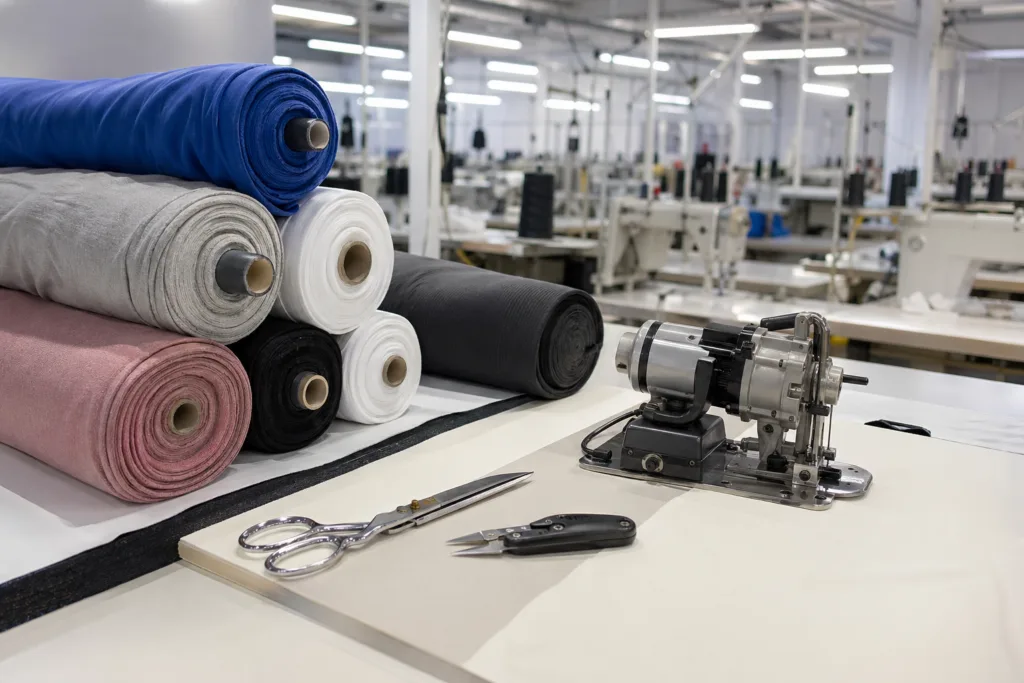
Gym apparel faces tough wear and tear, repeated laundering, and demands for performance. Each fabric fiber brings distinct advantages and limitations to your finished product’s hand feel, lifespan, and user satisfaction. Understanding these attributes lets brands and sourcing teams develop garments tailored to real-apparel use cases, not just trend forecasts.
The Core Gym Clothing Fabrics: Polyester, Nylon, Cotton, and Blends
Manufacturers and brands continually weigh these popular options:
- Polyester: Synthetic, durable, high-wicking, affordable
- Nylon: Synthetic, softer, high-stretch, quick-drying
- Cotton: Natural, breathable, soft, but slower drying
- Blends: Combine features; most commonly polyester-cotton, spandex-mixed, or tri-blends
Performance Criteria: What Matters Most in Gym Apparel
The intended use—team sports, general fitness, yoga, or athleisure—will shape your fabric choice. Across categories, these performance factors remain essential:
- Moisture management
- Stretch and recovery
- Softness and comfort
- Durability to washing/pilling
- Printability for branding/artwork
- Cost, including fabric and manufacturing process
Polyester: The Athletic Workhorse
Polyester dominates the technical and performance activewear sector, prized for its:
- Moisture-wicking: Dries quickly and pulls sweat away from the skin.
- Stretch (when blended): Pure polyester offers limited stretch, but with spandex gains high flexibility.
- Recovery: Holds shape even after heavy use and laundering.
- Print-Ready: Smooth surface takes sublimation and screen prints well.
- Price Factor: Often lower cost than nylon, rising with spec upgrades.
While polyester can feel less soft than cotton, modern microfibers and finishing processes have closed that gap. At manufacturing scale, polyester’s consistency and availability make it a practical choice for brands seeking reliability across large runs.
Nylon: Exceptional Stretch and Silky Hand Feel
Nylon is less common in basic t-shirts but highly valued in premium leggings, fitted tanks, and compression wear due to:
- Superior Stretch and Recovery: Works well even in low-blend ratios with spandex.
- Softness: Naturally smoother than polyester; feels cool and sleek.
- Lightweight Durability: Outperforms cotton and matches high-grade polyester for abrasion resistance.
- Color Saturation: Takes dye deeply for vivid colors, though colorfastness must be managed in production.
- Cost: Generally pricier than polyester. Small MOQ and specialty colorways can increase price further.
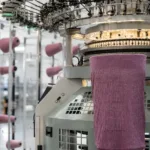
Nylon blends are often used when movement, form-fitting stretch, and a luxe finish define the end product. From a manufacturer’s perspective, precise machinery and robust QC are required for ultra-fine nylon knits—as improper handling can damage the fabric’s integrity.
Cotton: Classic Comfort, Modern Engineering
Despite limitations in high-performance settings, cotton retains enduring appeal:
- Softness and Skin Feel: Untouchable natural comfort, especially for casual and athleisure.
- Breathability: Woven structure allows heat dissipation—but absorbs moisture, so stays damp longer.
- Printability: Direct-to-garment and screen prints pop on smooth, dense cotton knits.
- Innovation: New organic and high-tech cottons (e.g., with hydrophobic coatings) address some traditional weaknesses.
- Price: Can vary; organic and specialty cottons command premiums.
Cotton often anchors blended gym t-shirts, where a majority polyester component improves moisture control and maintains the signature cotton hand-feel.
Blends: Customizing Performance Through Fabric Engineering
Fabric blends allow brands to “dial in” ideal balance, merging the best of each fiber:
- Common ratios: 60/40 or 65/35 polyester/cotton, 88/12 nylon/spandex, tri-blends
- Custom-engineered for stretch, colorfastness, shape retention
- Better manage price, durability, and eco-performance goals
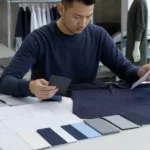
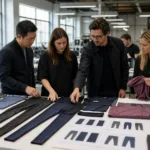
As a clothing manufacturer, it’s important to test prototype samples of blended fabrics under real-use laundering and wear conditions. That validates not just the lab specification, but end-customer experience—a crucial step that experienced factories like Ninghow invest in during the sampling phase.
Moisture Management: Keep Sweat Under Control
Activewear performance relies on moving moisture off the skin. Here’s how gym clothing fabrics stack up:
| Material | Moisture Wicking | Drying |
|---|---|---|
| Polyester | Excellent | Fast |
| Nylon | Very Good | Fast |
| Cotton | Poor (absorbs) | Slow |
| Poly-Cotton Blend | Good (improved) | Moderate |
| Nylon-Spandex Blend | Excellent | Fast |
Blends that increase the synthetic content generally offer the best answer for high-intensity workouts where sweat management is a priority.
Stretch and Recovery: Freedom to Move
Customers expect gym apparel to retain its shape and form, even after intense stretching:
- Polyester (with spandex): Very good stretch; recovery depends on blend ratio
- Nylon-Spandex Blends: Industry standard for premium stretch and recovery
- Cotton: Limited stretch, poor recovery, but suitable for loose silhouettes
Sourcing teams should check stretch recovery percentages, not just headline fiber ratios, and always validate against intended garment construction.
Softness and Next-to-Skin Comfort
Softness drives customer loyalty in both premium and mass-market lines. Here’s what affects gym clothing comfort:
- Cotton: Best for everyday comfort, especially ring-spun or combed variants.
- Nylon: Silky smoothness—feels premium.
- Polyester: Improving due to microfiber yarns and peaching.
- Blends: Usually strike a good balance; tri-blends (poly/cotton/rayon) are especially soft.
Softness is not static—washes, finishing, and even yarn twist affect the tactile feel. Brands should specify minimum test ratings for softness, especially if targeting sensitive-skin consumer niches.
Durability and Wash Performance
Gym clothing goes through frequent, aggressive washing. Durable fabrics mean fewer returns and stronger brand reputation:
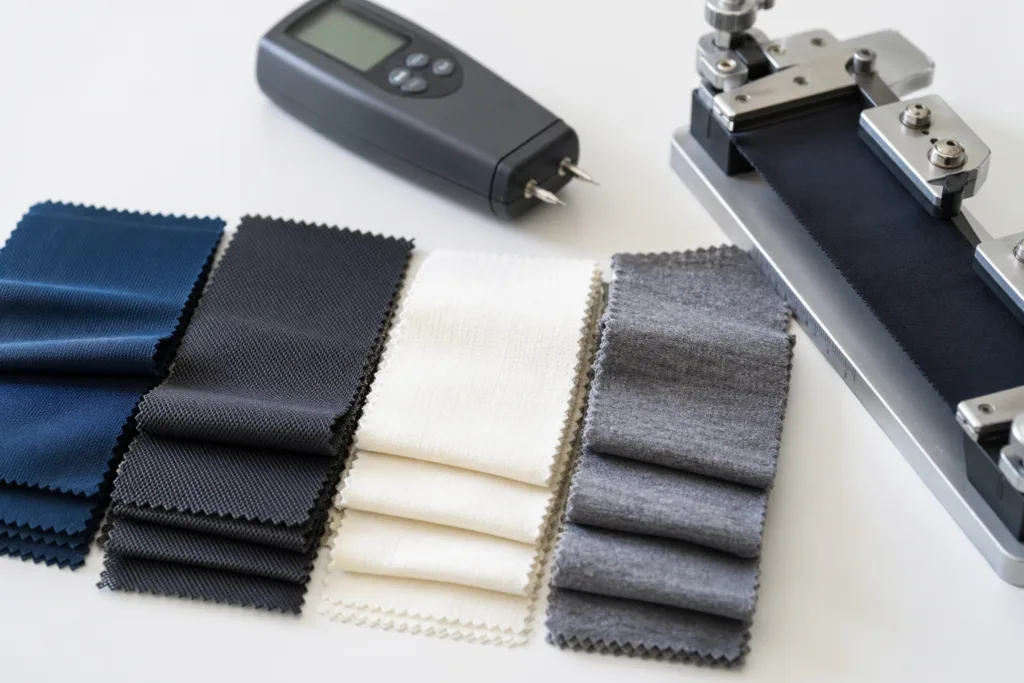
- Polyester: Outstanding for color retention, pilling resistance, and dimensional stability.
- Nylon: Strong, but can “grin” or thin over extended wear. Needs correct sewing and finishing.
- Cotton: Prone to fading, shrinking, and pilling unless treated or blended.
- Blends: Often engineer out the major weaknesses of single fibers.
Technical finishing, such as anti-pill or moisture-wicking coatings, further enhance wash life—but can affect price and environmental profile.
Printability and Color Application
For brands needing logos, custom prints, or vibrant colorways, fabric printability is critical:
- Polyester: Excels with sublimation, dye-sublimation requires high-poly content
- Cotton: Works best with screen and DTG (Direct to Garment)
- Blends: Require careful process selection; tri-blends can result in muted prints
- Nylon: Takes acid dyes; careful fixation needed for performance durability
Early prototyping and sample printing are essential to avoid costly surprises in full production.
Price Considerations: Balancing Budget and Performance
Fabric choice directly impacts landed cost. Polyester leads in affordability, with nylon commanding a premium. Cotton pricing varies based on origin, grade, and organic certification. Blends are an opportunity to optimize for both features and price—but custom developments will always be pricier in lower volumes. Brands planning production runs should also familiarize themselves with understanding MOQ for gym clothing for better sourcing efficiency.
Eco-Friendly Options: Organic Cotton and Recycled Synthetics
Market demand for sustainable activewear has pushed manufacturers to offer more organic cottons and recycled polyester/nylon options. Organic cotton (certified) is grown without pesticides—usually featured in athleisure, not hardcore gym apparel. Recycled polyester (rPET) cuts carbon footprint with little performance trade-off, but may cost 10–30% more than virgin fiber. Brands should assess actual supply chain transparency and customer willingness to pay for sustainability claims.
Customization: Color, Weight, and Feel in Gym Apparel
Beyond basic fabric selection, gym clothing brands leverage custom dyeing, brushing, peaching, and other finishes to tune color vibrancy, surface texture, and weight. Manufacturers like Ninghow often recommend development timelines for sampling customized blends so you can hold, feel, and test the fabric before mass orders.
MOQ and Sourcing Strategy for Gym Clothing Fabrics
Minimum Order Quantities (MOQ) vary based on fabric type, blend complexity, dyeing method, and availability. For startups or smaller brands, lower-MOQ polyester or cotton blends are often the pragmatic route. Specialty finishes, colors, or custom blends will set higher minimums. For more depth on MOQs and how they impact your production planning, review guidance on custom gym clothing to inform negotiations and expectations.
Comparing Popular Blends: 60 Cotton 40 Polyester T Shirts Wholesale
The “60 cotton 40 polyester” ratio remains a go-to for gym shirts wholesale. Why?
- Balances next-to-skin comfort (cotton) with faster drying and durability (polyester)
- Offers versatile print options and holds color
- Maintains affordable cost structure for large scale buyers
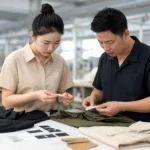
Sourcing teams should still verify shrinkage, pilling, and soft hand feel by requesting pre-production samples from the manufacturer.
Product Fit: Matching Fabric to Intended Use
Select gym apparel fabrics based on:
- Target activity (e.g., high intensity, yoga, leisure)
- Required stretch, compression, or silhouette
- Print or branding requirements
- End-user preferences (sustainability, softness, breathability)
Technical documentation should accompany each style’s development pack, ensuring manufacturer and brand are aligned on performance and testing criteria.
Trends vs. Reality: What Gym Wear Customers Actually Want
Trends come and go, but customer reviews consistently mention comfort, fit, wash life, and function. Smart brands collect post-sale feedback to steer their next season’s sourcing. Focusing on real-world performance wins repeat business—far more than just chasing fabric trends.
What to Ask Your Manufacturer about Fabric Selection
Brands and buyers should clarify:
- Can the manufacturer source, test, and finish specialty blends?
- What quality controls are in place for pilling, shrinking, and colorfastness?
- How are samples and pre-production batches handled and tested?
Experienced factories like Ninghow document every step, from swatch submission through lab testing, to minimize surprises and ensure fit to brief.
Best Fabrics for Gym Clothing Manufacturing: Polyester, Nylon, Cotton, or Blends?
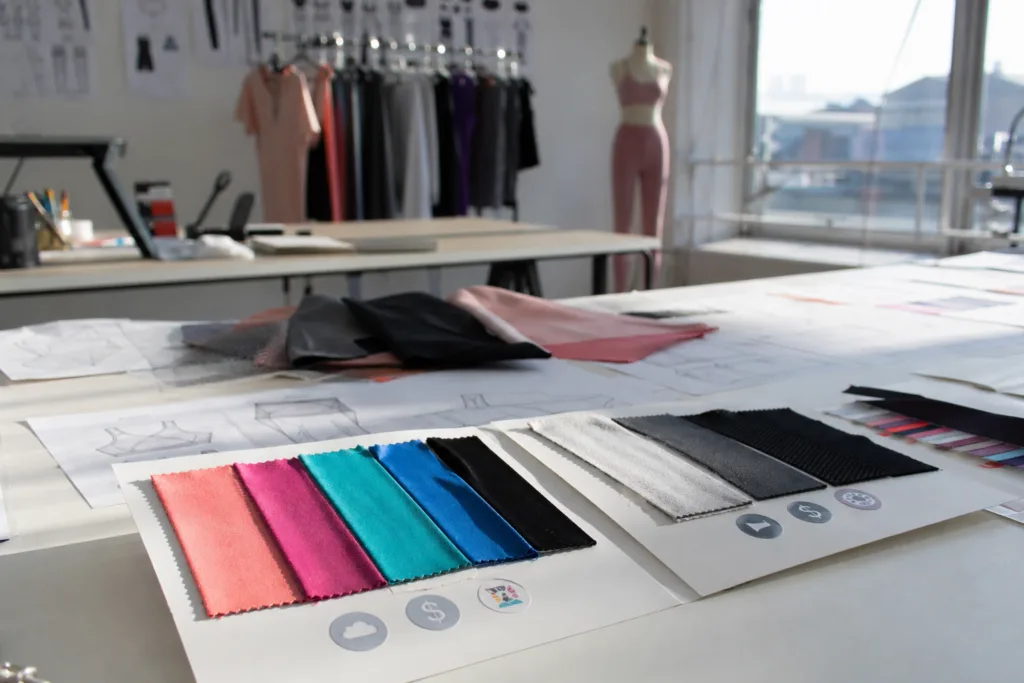
No one-size-fits-all answer exists. For technical performance and cost efficiency, polyester and its blends usually lead the field. For premium stretch and softness, nylon-spandex combinations win. Cotton or high-cotton blends remain best for casual, off-the-gym fits or eco-conscious markets. The secret is clarity in use case and continuous feedback from manufacturing floor to end-user review. When brand and factory work as partners, the right fabric emerges through data, testing, and user experience—not just fashion cycles or short-term trends.
Frequently Asked Questions
What is the best fabric for moisture-wicking gym clothes?
Polyester and nylon (especially blends with spandex) deliver top moisture-wicking performance, drying quickly and staying lightweight even during heavy workouts.
Are cotton gym shirts a bad choice for workouts?
Cotton is soft and breathable but absorbs sweat, leaving it damp. It’s better for low-intensity or casual wear rather than high-performance, sweat-heavy workouts.
What is the ideal fabric blend for wholesale gym t-shirts?
A 60% cotton and 40% polyester blend offers comfort, printability, faster drying, and cost efficiency—making it a staple for bulk wholesale gym shirts.
How can I improve print quality on synthetic gym shirts?
Use polyester for sublimation or high-poly blends for vibrant, durable prints. Request test prints on actual fabric during sampling to ensure optimal results.
Are recycled polyester or organic cotton suitable for gym clothing?
Yes—recycled polyester (rPET) maintains performance and supports sustainability, while organic cotton suits athleisure or light gym wear, appealing to eco-aware consumers.
How does fabric choice impact production cost for gym wear?
Polyester is usually most affordable, nylon is higher priced, and specialty blends or eco-friendly fibers increase costs, especially at lower MOQs or custom specs.