

Introduction: Making Sense of USA vs China Gym Clothing Manufacturers
The landscape of gym clothing manufacturing is more complex than ever. Apparel brands, sourcing teams, and direct buyers must weigh not just price, but speed, flexibility, risk, and control when deciding between USA-based or China-based partners. As global supply chains evolve, understanding the practical trade-offs between these two manufacturing giants can make or break your next collection’s success.
For readers evaluating gym apparel sourcing decisions, a useful next step is to explore how manufacturers present this category on the top gym clothing manufacturers page. Reviewing this resource helps clarify production capabilities, customization ranges, and the type of support available when planning gymwear development with a specialized supplier.
The Big Picture: Critical Factors Compared
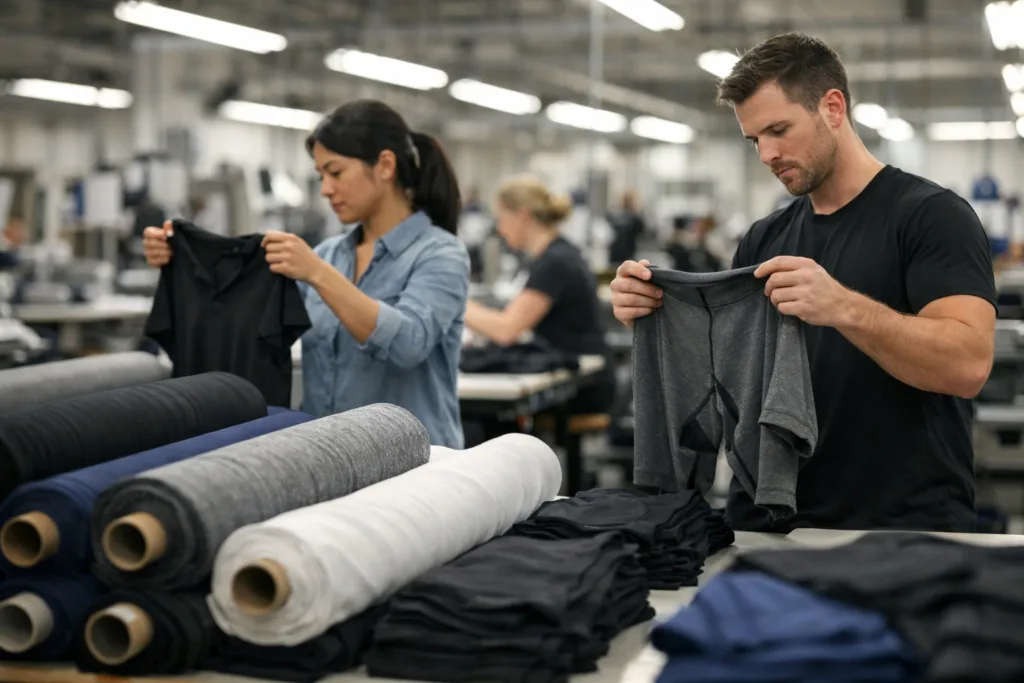
Choosing between USA and China gym clothing manufacturers means looking at the full sourcing picture: costs, minimum order quantities (MOQs), speed to market, flexibility for smaller runs, material sourcing, and supply chain stability. This article provides a detailed side-by-side comparison—grounded in real production realities, not just numbers on a spreadsheet.
Cost Structures: Beyond the Basic Price Tag
US manufacturers often have higher labor and operational expenses, leading to significantly higher unit costs compared to China. In contrast, China’s larger-scale production, labor cost advantages, and access to local textile markets mean lower per-piece prices, especially as order volumes scale up. However, factoring in logistics, tariffs, and potential quality assurance investments can narrow the gap depending on your needs.
Comparing True Landed Cost
- USA: Higher labor, local compliance, low overseas freight.
- China: Lower production cost, higher shipping/tariffs, occasional need for on-site QC.
| Factor | USA | China |
|---|---|---|
| Unit Price (Basic Tees, 500 pcs) | $10–$14 | $5–$8 |
| Shipping to US | Domestic | $0.30–$0.80/unit (ocean) |
| Import Duties | N/A | Varies (up to 30%) |
| Hidden Cost (QC/Travel) | Low | Moderate |
MOQ (Minimum Order Quantities): Who Offers Flexibility?
MOQ is a tough sticking point for smaller brands. US manufacturers typically accept lower MOQs (as low as 50–150 pieces per style/color) but balance it out by quoting higher unit costs. Chinese manufacturers traditionally required MOQs of 300–1000 pieces per item, but in recent years, flexibility has improved, especially with dedicated activewear suppliers who now may accept as low as 100–200 pieces, particularly if you select from their standard fabrics.
How MOQ Impacts Your Sourcing Decision
- USA factory: Better for sample runs and boutique launches
- China factory: More cost-effective at higher volumes
Sampling Speed and Prototyping
Speed matters in the athleisure world. US manufacturers can often produce samples in 2–4 weeks, with rapid shipping. China excels in rapid prototyping for brands who have clear tech packs and can clarify specs quickly—samples commonly ship in 2–3 weeks, though international delivery can add 5–10 days. Reliable communication is key, regardless of location: delays mostly occur when sample instructions are unclear or changes are frequent.
Material Options and Sourcing Strengths
This is where Chinese factories often shine. China’s textile markets offer a stunning range of technical fabrics, performance blends, and custom-dyed or finished textiles, many at globally competitive prices. US factories have improved access to performance textiles but their range is narrower and prices can be steep. For premium, high-innovation, or sustainable fabrics, China can often source directly from specialized mills.
The Role of Fabric Supply Chain Integration
Your access to fabric options is only as strong as your manufacturer’s relationships. Deep dive into China’s fabric supply chain to understand why access and pricing can differ so dramatically between suppliers.
Production and Lead Times: Speed vs Scale
USA-based gyms clothing manufacturers can often deliver small-to-medium orders within 30–45 days after sample sign-off. For larger or highly customized orders, backlogs and labor constraints may extend lead times. China, benefiting from bigger factories and integrated supply chains, completes large-scale runs in 30–45 days for most basic styles—but allow for added logistics time if shipping by ocean.
Scalability and Growth: Who Handles Your Brand’s Ambition?
If your brand is scaling, China’s vast production capacity is unmatched. Their factories are designed for global scale and can rapidly ramp orders from 500 to 50,000 units per style, often using established sub-contractor networks to keep timelines predictable. US factories, while agile for initial launches, can buckle under high-volume orders without enough notice or if labor is tight.
Customization and Private Label Potential
Both US and China factories support private label but China has set worldwide standards in label, logo, packaging, and finish customizations. USA-based suppliers offer these services but, due to smaller batch sizes, may have fewer options or higher surcharges.
If you’re interested in the nuances of building a private line, see our in-depth look at private label gym clothing options.
Quality Control: Myths, Reality, and What Matters
Quality varies much more between factories than between countries. US factories are subject to stricter regulatory oversight but this does not always guarantee perfect goods. In China, mature activewear factories serving export markets invest in industrial equipment, operator training, and advanced QC lines. For both, sampling, TNA (trim and approval) reviews, and clear communication are the true quality differentiators. Experienced buyers know to demand and check pre-shipment inspections no matter where production is based.
Supply Chain Risk: Stability, Buffer, and Backup Plans
The COVID era showed that supply chains everywhere are vulnerable. US production can face disruption due to labor shortages or sudden demand surges. Chinese production, with its tighter integration from mills to plants, bounces back faster, but faces risk from shipping delays or global trade policies. Smart brands diversify: sample in one region, scale in another, and always confirm backup plans in advance.
Communication and Project Management
Having clear lines between your product team and the manufacturer is essential. With US factories, time zones, language, and closer business norms make real-time communication simple. Working with China requires patience for message delays (12–15 hour time shift) but most well-established suppliers have bilingual staff and mature project tracking systems. Clarity wins over frequency: comprehensive tech packs and approval processes reduce costly misunderstandings from both sides.
Environmental and Social Compliance Considerations
US manufacturers must comply with OSHA, EPA, and labor laws, often marketing this advantage to eco-conscious brands. Chinese manufacturers serving international markets regularly pass SMETA, WRAP, or BSCI audits, but buyers should always request recent certificates. Sustainable materials and water-saving processes are improving fast across both regions — but you must check facility-level compliance, not just country claims.
Innovation and Value-Added Services
China’s exposure to global athleisure trends means they can often suggest innovative features, finishing techniques, or packaging ideas. Some US factories have begun to partner with local designers or pattern-makers, offering personalized pattern adjustments for better fits.
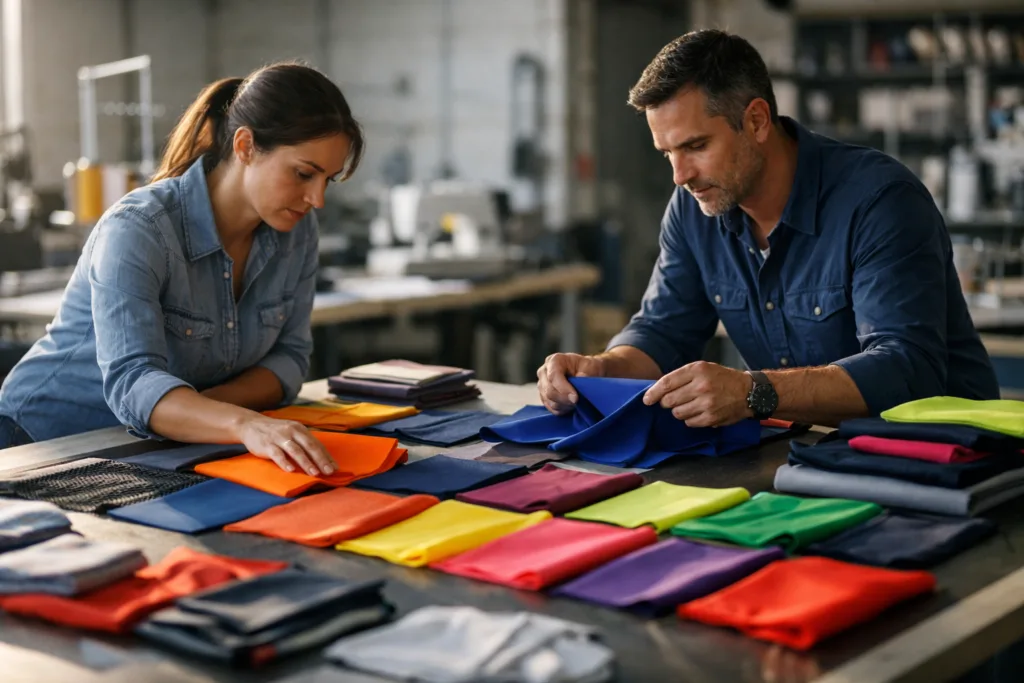
At Ninghow, we’ve noticed that being proactive in suggesting alternative trims or up-to-date finishing methods helps clients achieve a better price-to-value ratio while staying on-trend. This is especially valuable for brands targeting technical gymwear or unique fits.
Shipping, Lead Time Reliability, and Distribution Support
Domestic manufacturing usually means fewer surprises with inbound shipping and customs. Ocean freight from China, while cost-effective at scale, adds 2–4 weeks to timelines and is subject to port congestion or global disruptions. Air freight is a fast but expensive backup if timelines are unexpectedly compressed.
Intellectual Property (IP) Protection
IP risk is a concern in both regions, but the US legal system is more immediate for enforcing supply contracts, non-disclosure, and design rights. In China, choosing experienced, export-focused factories with clear NDAs and order documentation is a must—reputable suppliers are wary of jeopardizing export customer relationships.
Currency Management and Payment Terms
Ordering from domestic factories means operating in your home currency, avoiding FX swings or documentary credits. With China, payments are usually in USD or RMB, and L/C or phased deposit balances are typical for larger orders. Major China suppliers working with US/EU brands are accustomed to structuring payment milestones but rarely offer post-delivery terms for new customers.
After-Sales Service and Repeat Orders
Fast follow-ups, reorders on seasonal demand, or urgent remediation can be easier to coordinate domestically, especially for smaller brands. However, mature Chinese factories specialize in handling ongoing repeat orders for hundreds of worldwide brands and have robust systems for archiving patterns, fabric specs, and process histories.
Brand Perception and “Made In” Labeling
Some buyers prize the “Made in USA” label for its marketing value to certain consumers, often associated with local production, ethical practices, or patriotic appeal. Meanwhile, “Made in China” labels can sometimes face different market perceptions—yet, many of the world’s top technical sportswear, outdoor, and active brands have their main collections produced in China due to quality and technical advantages.
Flexibility—Who Adapts Faster To Changing Trends?
China’s manufacturing scale supports fast pivots to new colorways, finishes, or trending designs, given tight mill-factory integration. US suppliers are often more limited by fabric availability and total machine time but can be especially agile for minor modification requests in small batches.
Case Study: A Medium Brand’s Sourcing Journey
A US-based sportswear brand with a 5000-piece monthly target started production locally for sampling and initial launches. As volume scaled, costs became unsustainable. After transitioning core SKUs to a reputable China manufacturer with proven fabric sourcing strength, unit economics improved. The brand kept its USA supplier for limited-edition drops, while China handled bulk runs, prototyping, and reorders. Key takeaway: for most mid-sized brands, an agile split-model is optimal to manage pace, risk, and margin.
Pitfalls to Avoid In Gym Clothing Sourcing
- Choosing a manufacturer solely on price—cut rate can mean rushed quality or poor communication
- Ignoring fabric testing and trim compatibility (especially in performance wear)
- Missing sample fit approvals before bulk production
- Overlooking clear PO terms and adherence, which is a must for both US and China partners
USA vs China Gym Clothing Manufacturers: Cost, Speed, Flexibility, and Risk
To decide between USA and China for gym clothing manufacturing, weigh the following:
- Cost Efficiency: China is preferred for volume; USA offers home-market trust but higher prices.
- Lead Time/Flexibility: Small runs are US’s home turf; China shines in scaling and seasonal speed.
- Material Diversity: China often holds the edge thanks to deep textile integration.
- Risk Management: Balance sourcing by region and always confirm backup options.
- Sustainability: Check facility compliance, regardless of claims.
The right solution is rarely either/or. Brands should audit their demand, marketing narrative, and logistics requirements before locking in a sourcing plan.
Conclusion: Making The Right Sourcing Call for Your Brand
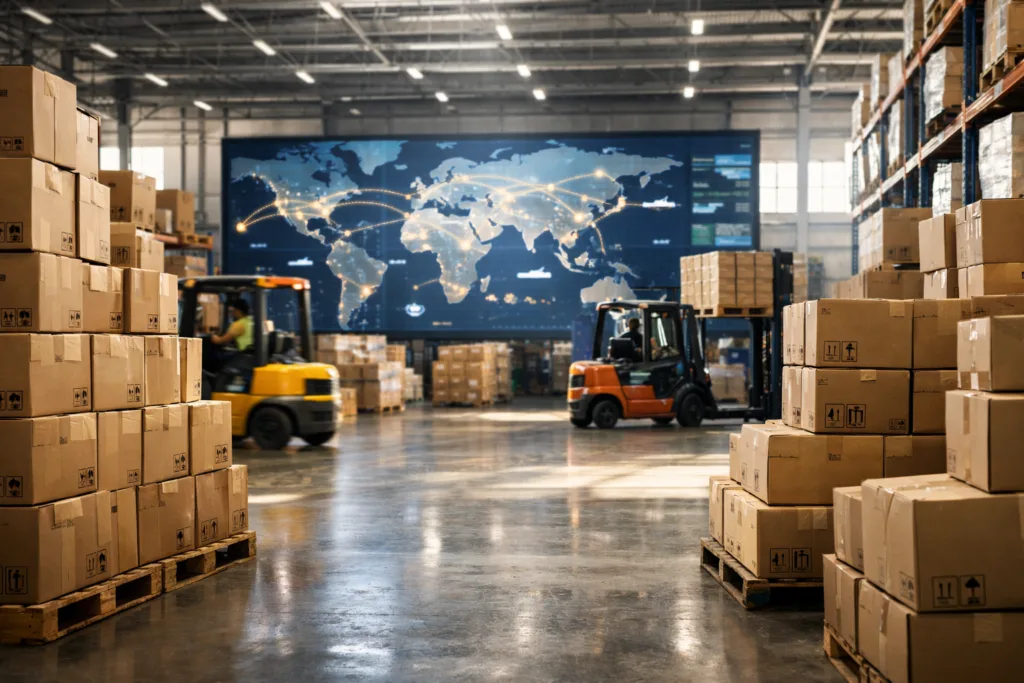
No single answer fits every gym apparel brand assessing USA vs China gym clothing manufacturers. Cost, speed, flexibility, and risk must all be thoughtfully balanced. By understanding the strengths and trade-offs of each region—and by choosing a partner who is transparent about their capabilities—you can build a stable, scalable, and reliable gym clothing supply chain ready for whatever the next season brings.
Frequently Asked Questions
Which country is best for custom gymwear startups?
USA is more accessible for very low MOQs, while China offers better pricing and variety as orders scale beyond 200 units per style.
What is the typical MOQ for gym clothing manufacturers in China?
Standard MOQs are 300–500 pieces per style, but some export-oriented Chinese factories now accept as low as 100–200 for selected fabrics or repeat clients.
Is quality always better with US factories?
Quality depends on the factory, not just the country. Leading Chinese suppliers invest as much in quality control and equipment as American counterparts. Always audit samples and QC processes before commitment.
How can I ensure my intellectual property is protected when sourcing from China?
Work with established manufacturers who sign clear NDAs and have a track record of export compliance. Proper documentation, tech packs, and PO terms matter as much as location.
Can Chinese factories produce eco-friendly gymwear?
Yes, many Chinese factories offer sustainable options, recycled fabrics, and comply with global audit standards. Always verify eco-certifications at the factory level.
What’s the biggest risk when importing gymwear from China?
Shipping delays, global trade policies, and communication gaps can cause issues. Partnering with reliable, experienced suppliers and maintaining clear PO terms can greatly reduce these risks.