




Introduction: Navigating the Growth Decision for Gym Clothing Brands
Sourcing gym apparel is one of the most foundational choices brands face when they launch or scale. The debate between blank gym clothing versus fully custom gym clothing comes down to cost, speed, originality, margin potential, and long-term brand strategy. As a manufacturer, Ninghow sees both approaches regularly—and each offers different strengths depending on your stage, goals, and business reality.
For readers comparing manufacturing options, a useful next step is to explore exploring the advantages of custom gym clothing. This resource delivers a focused overview of Ninghow’s capabilities for custom gym wear production, detailing everything from customization scope to material selection and minimum order requirements. Brands and buyers planning their next sourcing move will find practical information for evaluating manufacturing partners in gym apparel.
Understanding Blank Gym Clothing
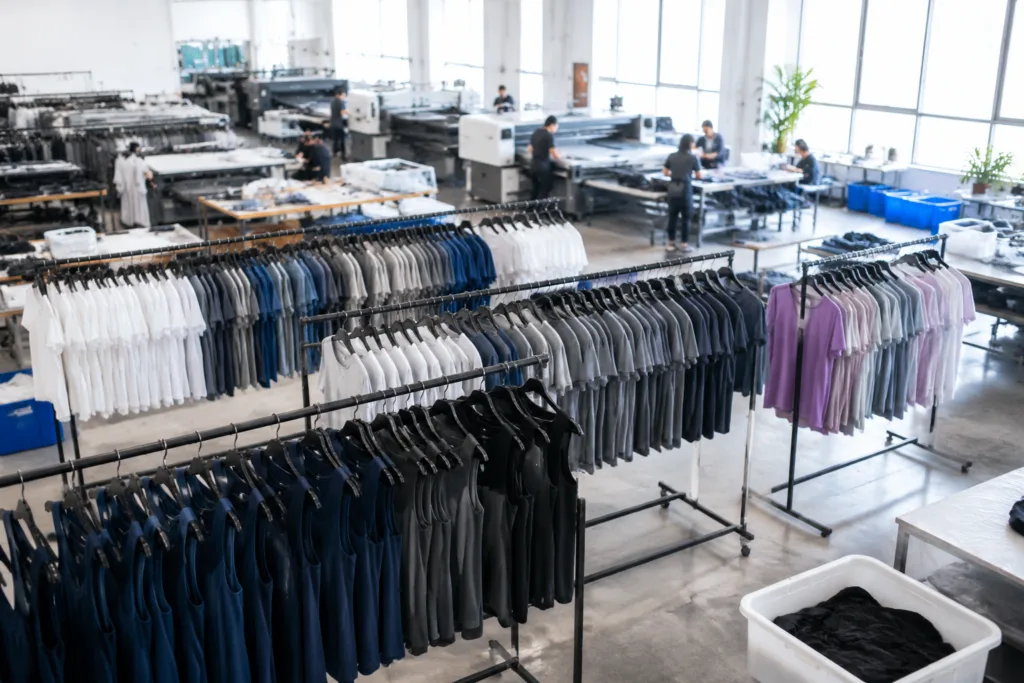
Blank gym clothing refers to high quality blank t shirts, blank tees, and basic athletic shirts that brands can purchase in bulk, then add a logo, print, or embroidery. These garments are produced in standard sizes, fits, and colors with minimal custom options. Blank apparel offers speed, simplicity, and affordability, making it popular for startups and market testing.
What Is Fully Custom Gym Clothing?
Fully custom gym clothing involves designing garments from scratch—choosing fabric, colors, fit, stitching, trims, and branding elements. This path means your brand has creative control over every feature, and the final product can be unique. Custom manufacturing supports originality and differentiation, but requires more lead time, planning, and commitment than blanks.
Blank Gym Clothing vs Fully Custom Gym Clothing: Which Is Better for Growth?
The core question is: which apparel sourcing strategy supports fast growth, sustainable margins, and brand differentiation? To answer, let’s breakdown the key factors:
- Speed: Blank gym clothing is available almost immediately. Custom takes longer due to sampling, revisions, and production.
- Cost: Blanks have lower minimums and upfront costs. Custom requires investment in design and larger MOQ.
- Originality: Blanks are generic, limiting uniqueness. Custom enables full brand expression.
- Margin Potential: Custom clothing often supports higher margins via perceived value and brand storytelling.
- Control: Custom provides granular control over fit, materials, and construction. Blanks limit adjustments to basic decoration.
The Role of Blank Gym Clothing in Early-Stage Brands
Blank gym clothing is ideal for market testing, pop-up collections, and launching with minimal risk. It enables brands to validate products fast, streamline inventory, and gather customer feedback. Early-stage brands often use blanks to refine their aesthetic and build a foundation before investing in custom production.
Advantages of High Quality Blank T Shirts and Blank Tees
- Ready inventory—fast shipment
- Low minimums, lower upfront costs
- Consistent sizing and QC
- Easy to apply logos or prints
Common Limitations of Blank Gym Clothing
- Lack of exclusive branding
- Generic fits and materials
- Lower perceived value compared to custom
- No influence over production details
Custom Apparel: Pathway to Brand Differentiation
Custom gym clothing empowers brands with total creative control, supporting distinct visual identities and premium positioning. While the upfront investment is higher, the payoff is greater brand loyalty and differentiation. Ninghow frequently collaborates with clients to fine-tune patterns, select specialized fabrics, and optimize QC—these stages are essential in fully custom production.
Key Benefits of Fully Custom Gym Clothing
- Tailored fit and comfort
- Access to exclusive fabrics, trims, and colors
- Unique branding and storytelling
- Higher perceived value
- Ability to address specific market gaps
Challenges with Custom Gym Clothing Production
- Longer lead times
- Requires design expertise
- Higher MOQs and planning
- Risk of costly mistakes in development
Comparing Speed: Blanks vs Custom
| Factor | Blank Gym Clothing | Custom Gym Clothing |
|---|---|---|
| Sampling Time | Immediate/no sample needed | 2-4 weeks or longer |
| Production Time | 1-3 days | 4-12 weeks, varies by design |
| Launch Readiness | Very fast | Best for planned collections |
Cost & MOQ: Weighing Your Investment
The cost advantages of blanks are clear: low MOQ, single setup fee for decoration, and predictable unit pricing. Custom apparel carries higher sampling and production costs, usually paired with larger minimum orders. Brands must balance budget constraints against their need for differentiation and margin potential.
Originality and Brand Expression
For brands seeking unique stories and strong customer loyalty, custom gym clothing provides leverage. Every element—from the stitching to the fit—can reflect your brand DNA. Blanks, by contrast, are limited in their ability to inspire customers. This difference often becomes more important as brands mature.
Margin Potential: Where Profit Meets Brand Value
Custom apparel typically enables higher retail pricing due to exclusivity and enhanced value, leading to better margins. With blanks, margin is limited by commodity pricing and lack of differentiation, so competitiveness depends on operational efficiency and decoration quality.
Control Over Production: Quality and Consistency
Factories like Ninghow emphasize the importance of reliable QC, fabric selection, and fit accuracy, especially in custom manufacturing. Brands that want consistent workmanship and control should opt for custom production processes—from pattern design to material selection and packaging. Blanks restrict these options to basic sizing and stock materials.
Short-Term Testing vs Long-Term Sourcing
Blank gym clothing serves as a practical tool for short-term market validation, customer engagement, and entry into new categories. But when it’s time to scale, build lasting customer relationships, and avoid price wars, custom production becomes more worthwhile.
How to Decide: Blanks or Custom?
- Start with blanks for quick tests, low budgets, or short product cycles.
- Move to custom when your brand is established, differentiation is key, and volume justifies investment.
- Hybrid: Some brands use both—blanks for essentials, custom for statement pieces.
Practical Observations from the Factory Floor
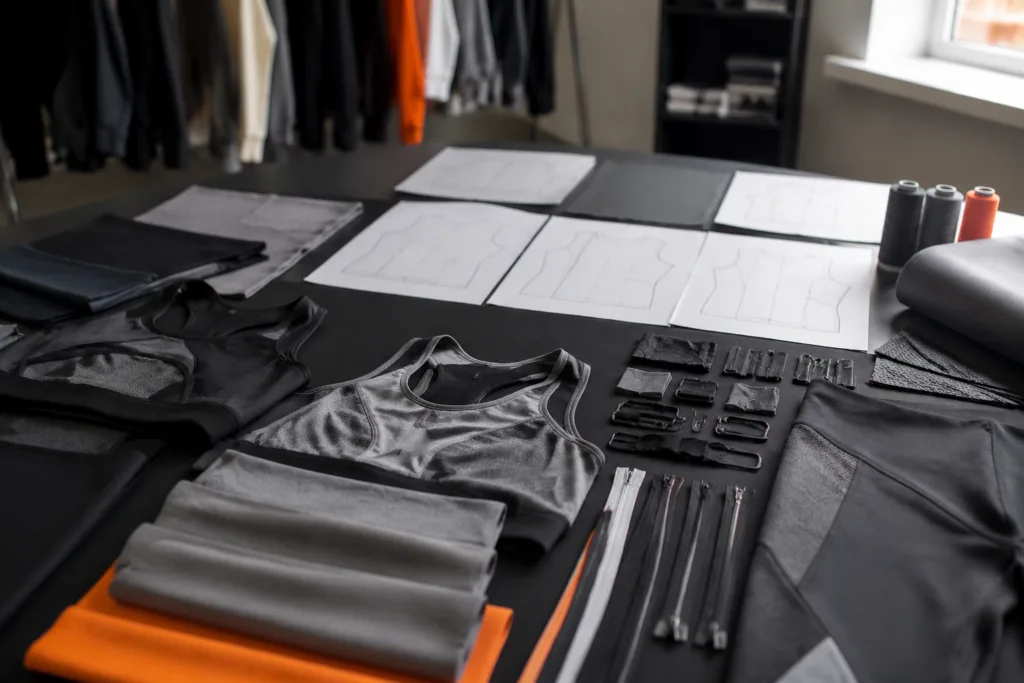
From a manufacturing viewpoint, the transition from blank-based branding to full custom production is often marked by increased communication, sample feedback loops, more intense QC, and larger order volumes. Brands should prepare for deeper factory partnership and upfront planning, which reduces costly mistakes and enhances product quality over time.
Case Study: Brand Trajectories and Growth
Brands that start with blanks and later shift to custom apparel experience improved brand loyalty, higher repeat purchase rates, and more stable margins. However, rapid scaling with custom gym clothing requires accurate forecasting, prototype handling, and production discipline—areas where experienced factories like Ninghow can guide the process.
Customization Options for Gym Apparel
- Fabric blends and performance features
- Specialized fits: slim, oversized, tapered
- Color-matching and exclusive dyeing
- Unique stitching, seam placement, decorations
- Branding elements: woven labels, tags, HD prints
Decoration Methods for Blank Gym Clothing
- Screen printing
- Heat transfer
- Embroidery
- Digital printing
Fabric Quality: How Blanks and Custom Differ
Blank gym clothing often uses industry-standard fabrics for broad appeal and predictable performance. Custom manufacturing lets you select niche blends—like moisture-wicking poly-spandex or organic cotton-based jerseys—to achieve targeted comfort and durability.
Fit and Sizing: Consistency vs Customization
Blank tees provide reliable but generic fits. Fully custom gym clothing enables detailed adjustments such as shoulder width, sleeve length, and rise—key for athletic wear brands offering specialized fit profiles.
Product Range: Supporting Brand Expansion
With blanks, your brand can quickly offer a wide assortment—t-shirts, tanks, hoodies—using the same decoration process. Custom manufacturing lets you target niche categories and technical specialties that aren’t possible through blanks.
Risk Management: Stock Levels and Flexibility
Blanks minimize risk by allowing smaller runs and frequent style pivots. Custom apparel requires advance planning, larger commitments, and a closer relationship with your factory to manage inventory and production flow.
Transitioning from Blanks to Custom
The switch from blank gym clothing to fully custom demands new skills: design coordination, pattern development, sample review, and supply chain updates. Brands can smooth the transition by consulting understanding when to use blank versus custom-made apparel and exploring the choice between OEM, private label, and wholesale options on the Ninghow blog.
Strategic Brand Positioning: Sourcing Choice and Growth Direction
Your sourcing choice signals your market ambition: Blanks for speed, custom for lasting presence. As you scale, balancing flexibility and originality through custom production becomes a core growth engine—especially in competitive gym apparel sectors.
Conclusion: Making Your Gym Clothing Growth Decision
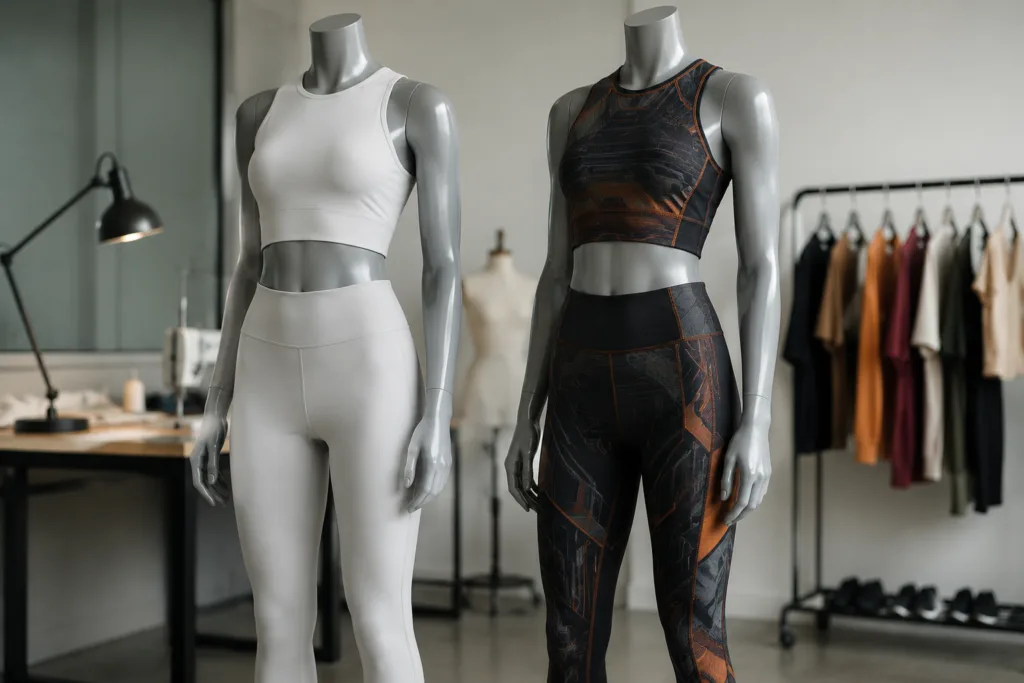
Both blank gym clothing and fully custom gym clothing have their place in the growth journey of fitness brands. Fast-moving startups benefit from blanks, but future-proof brands eventually rely on custom production for distinct value and higher margins. Evaluate your market stage, budget, and brand goals to choose the approach—or blend—that suits your growth path.
Frequently Asked Questions
How fast can I launch a gym apparel brand with blanks?
With blank gym clothing, brands can launch in days due to ready stock and rapid decoration. It’s the quickest route for entry or testing.
What are the MOQ differences between blank and custom gym clothing?
Blank gym clothing usually has very low minimums, sometimes as few as 12–24 units. Custom orders require higher MOQs, ranging from 100–500+ units, depending on the factory and style.
Is custom gym clothing worth the higher upfront investment?
Yes, if your brand aims for unique positioning, higher margins, and loyal customers. The up-front cost pays off through better differentiation and brand recall.
Can I use both blank and custom gym clothing in my brand?
Absolutely. Many brands start with blanks for basics and later add custom pieces for signature collections or limited editions. This hybrid approach helps manage risk and maximize market reach.
How do I ensure quality control in custom gym clothing production?
Work closely with your factory, review samples carefully, specify QC standards, and conduct on-site inspections if possible. Consistent communication and clear requirements are key.
What factors should guide my sourcing decision?
Consider brand stage, budget, differentiation needs, speed to market, and margin goals. Also weigh supplier reliability and product complexity before deciding between blanks and custom.