







Introduction: Understanding GSM in Gym Clothing Manufacturing
For apparel brands and buyers designing gym clothes, knowing why fabric GSM matters in gym clothing manufacturing is a practical foundation for every production decision. GSM, meaning “grams per square meter,” is the baseline unit used to measure fabric weight and thickness. This single value shapes everything: opacity, drape, warmth, print quality, and even cost benchmarks. Whether you’re planning a new line of athletic material shirts, cotton activewear, performance athletic wear, custom dri fit apparel, or high quality blank t shirts, GSM is the first detail to analyze.
Readers comparing manufacturing options may also want to review understanding custom gym clothing manufacturers, which includes practical guidance on fabric selection, product category scope, and real-world production capabilities. For a more focused look at how Ninghow supports custom gym clothing development, this page is a logical next step for sourcing teams planning their next move.
What Is GSM and Why Is It Used?
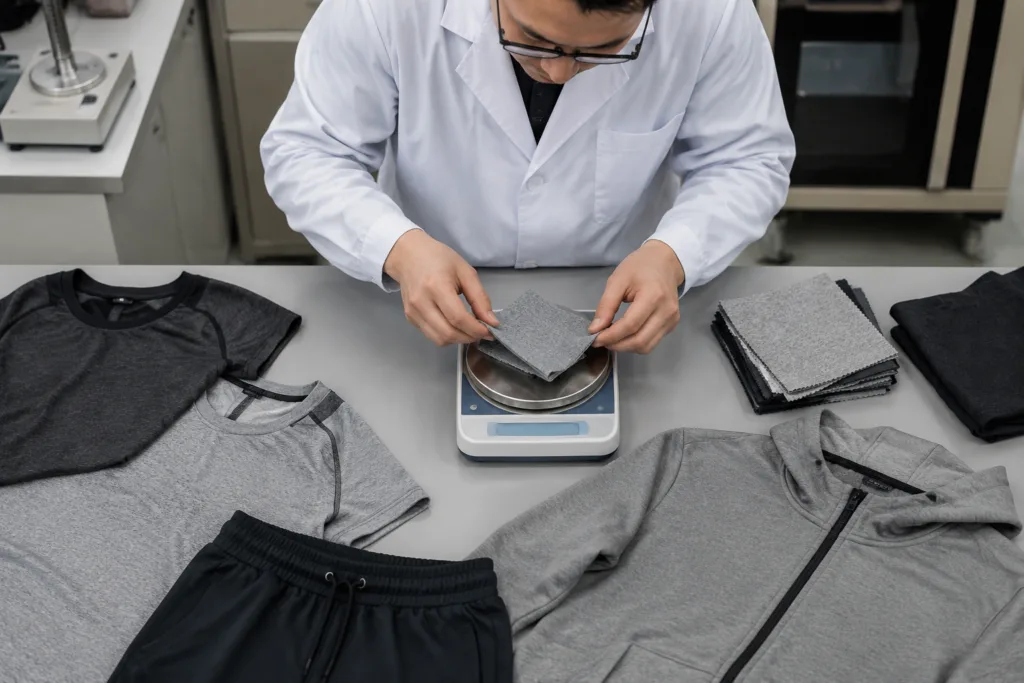
GSM stands for grams per square meter, the universal measurement for fabric weight. In gym clothing manufacturing, GSM tells you how heavy, thick, or sheer a material is before design or sewing begins. A low GSM (100–150) signals light, airy fabrics ideal for summer tees or running shorts; a higher GSM (220–320) produces robust hoodies or compression leggings. Understanding this value is step one in matching fabric to end-use.
How GSM Affects Opacity in Athletic Material Shirts
Opacity—or the ability of a shirt to hide what’s beneath—relies heavily on GSM. Athletic tees below 140 GSM often reveal underlayers or skin, making them risky for gym environments where coverage matters. Brands targeting high quality blank t shirts usually prefer 160–180 GSM for balanced covering without sacrificing breathability. Choosing the right GSM prevents unwanted transparency, especially in lighter colors.
GSM and Drape: Creating Comfortable and Flattering Fits
The drape of workout apparel is determined by GSM. Lower GSM fabrics tend to hang softly, cling less, and create relaxed silhouettes. This is vital for cotton activewear designed for gentle yoga or lounge wear. If a tee feels stiff or overly structured, chances are the GSM is higher—better suited to outerwear or hoodies. Matching GSM to drape needs avoids disappointment in fit and comfort.
Heat Retention: GSM’s Role in Warmth and Cooling
Performance athletic wear must deliver targeted thermal properties. Lightweight GSM ranges (100–140) suit summer shirts and shorts, maximizing airflow and cooling. Higher GSM (220+) is reserved for hoodies and jackets, offering warmth for winter gyms or cool-down sessions. If you plan to offer year-round apparel, adjusting GSM by product type is crucial for user satisfaction.
Print Quality and GSM: Achieving Sharp Graphics
Screen printing and sublimation rely on stable GSM values. Thin fabrics (under 140 GSM) often bleed inks and distort graphics, particularly on custom dri fit apparel. For bold logos or intricate patterns, manufacturers recommend 160–180 GSM as a sweet spot for print clarity and durability. Matching GSM to print needs prevents costly defects in branding.
Target Price: GSM’s Impact on Product Cost
Fabric weight directly affects material costs. Lower GSM means less fiber used, lowering price and enabling budget-friendly gym clothing. But reducing GSM too much can risk performance and longevity. If you’re targeting premium or high quality blank t shirts, expect GSM to rise—and so will per-piece cost. Proper GSM selection balances cost, performance, and market positioning.
GSM Benchmarks for Tees, Shorts, Leggings, and Hoodies
| Product Type | Typical GSM Range | Purpose |
|---|---|---|
| Tees (cotton/poly blends) | 140–180 | Balanced comfort, breathability, mild opacity |
| Gym shorts | 120–160 | Lightweight, flexible, quick-drying |
| Leggings (performance knit) | 180–240 | Stretch, coverage, mild compression |
| Hoodies (fleece, terry) | 220–320 | Warmth, structure, durability |
GSM Selection for Specific Gym Clothing Scenarios
Yoga and Pilates Apparel
Lower GSM (100–140) for drape, softness, and cooling; beware excess sheerness in light colors.
Compression Leggings
Higher GSM (200+) is required for opacity and muscle support; too low and the fabric risks transparency during stretching.
Team Uniforms/Custom Dri Fit Apparel
Optimal GSM (160–180) balances print clarity, sweat-wicking, and coverage; ensures good logo visibility with minimal bleed.
Winter Hoodies and Gym Jackets
GSM climbs above 220 for warmth and structure; fleece-lined varieties may exceed 300 GSM for best comfort in cold weather.
How GSM Guides Product Planning and Development
Choosing GSM early shapes design, sourcing, and fit planning. It informs buyer decisions on fabric performance, allows accurate costing, and ensures production meets market expectations. As a manufacturer, Ninghow reviews GSM options with clients at the sample and development stage—preventing fit surprises and QC rejections down the line.
GSM and Quality Control: Avoiding Common Manufacturing Issues
Inconsistent GSM can cause production headaches. A batch with lower GSM than ordered may result in see-through products, printing errors, or missed target fits. Automated fabric tests and incoming QC checks help maintain consistency. Reliable gym clothing factories prioritize stable GSM to meet both OEM/private label standards and end-sale quality.
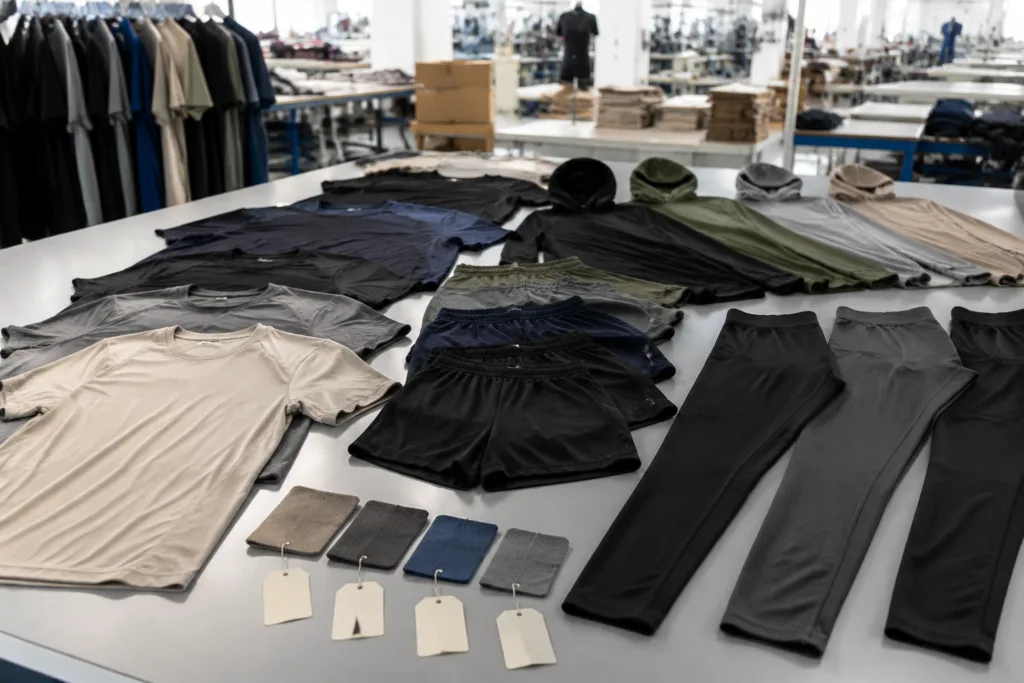
Case Study: GSM Mishaps and How Brands Adapt
A fitness apparel brand ordered 150 GSM tees, but mill supplied 130 GSM—leading to complaints about transparency. The manufacturer paused production, re-sourced fabric, and improved procurement checks. Brands determined to avoid such issues now specify GSM in contracts and test samples repeatedly for all incoming colors and blends.
How GSM Interacts with Other Fabric Properties
Fiber Blend
Polyester/cotton blends at the same GSM may feel lighter than pure cotton due to fiber density. Always sample both options to test hand-feel and wearability.
Knit Structure
Single jersey knits drape differently than double knit or rib, even at equal GSM. For gym clothing, matching knit density to GSM secures both performance and comfort.
Finish and Coating
Wicking finishes or anti-odor treatments slightly impact fabric hand and may increase GSM. Always request pre-treated samples for production fit trials.
The Role of GSM in Sourcing and Bulk Manufacturing Decisions
Sourcing teams rely on GSM for communicating product specs to manufacturers. Bulk orders require stable GSM for predictable yield, cost, and fit. For reference, see high-quality gym t-shirts for private label for practical approaches to GSM specification in private label production.
GSM Differences: Market Comparison Table
| Brand Type | Average Tees GSM | Print Quality | Typical Price |
|---|---|---|---|
| Budget/Promotional | 120–140 | Basic, ink may bleed | Low |
| Mainstream Gym Brands | 150–170 | Balanced, clear logo | Medium |
| Premium/Private Label | 170–190 | Sharp, durable print | High |
How Gym Clothing Manufacturers Assess GSM for Each Product Type
Manufacturers run GSM tests in production labs using standardized equipment. For custom dri fit apparel, consistent performance and feel depend on matching GSM to the brand’s spec. Sourcing performance t-shirts in bulk is streamlined when GSM benchmarks are defined early; see sourcing performance t-shirts in bulk for sourcing best practices.
GSM FAQs for Gym Clothing Planners
- How does GSM affect gym tee performance? GSM shapes breathability, sweat-wicking, and coverage. Lower GSM maximizes cooling; higher GSM ensures opacity and print quality.
- Can fabric GSM differ by color or finish? Yes; dyed or coated fabrics can gain up to 10 GSM. Always sample real colors for product fit.
- Is higher GSM always better? Not necessarily; too high GSM can cause stiffness and restrict movement. Balance GSM to end-use and consumer need.
- How do buyers verify GSM in bulk orders? Professional mills share lab reports and sample swatches. Brands should run independent tests to confirm batch consistency.
- Does GSM impact MOQ in gym clothing? Sometimes. Lower GSM fabrics tend to allow smaller minimum order quantities, but for custom blends, MOQ can rise due to specialized sourcing.
- What mistakes do brands make with GSM selection? Underestimating opacity needs or failing to sync GSM with print method leads to transparency or branding issues. Always sample and run real-wear tests.
Real-World Insights: GSM in Ninghow’s Production Workflow
At Ninghow, fabric GSM is reviewed early in sample discussions, helping brands avoid costly mistakes later in bulk production. Past experience shows that even small GSM deviations lead to fit mismatches or dissatisfied buyers. Our practical advice: always request clear lab reports and test swatches before approving mass runs, especially for gym tees and leggings where coverage and comfort matter most.
Why Fabric GSM Matters in Gym Clothing Manufacturing
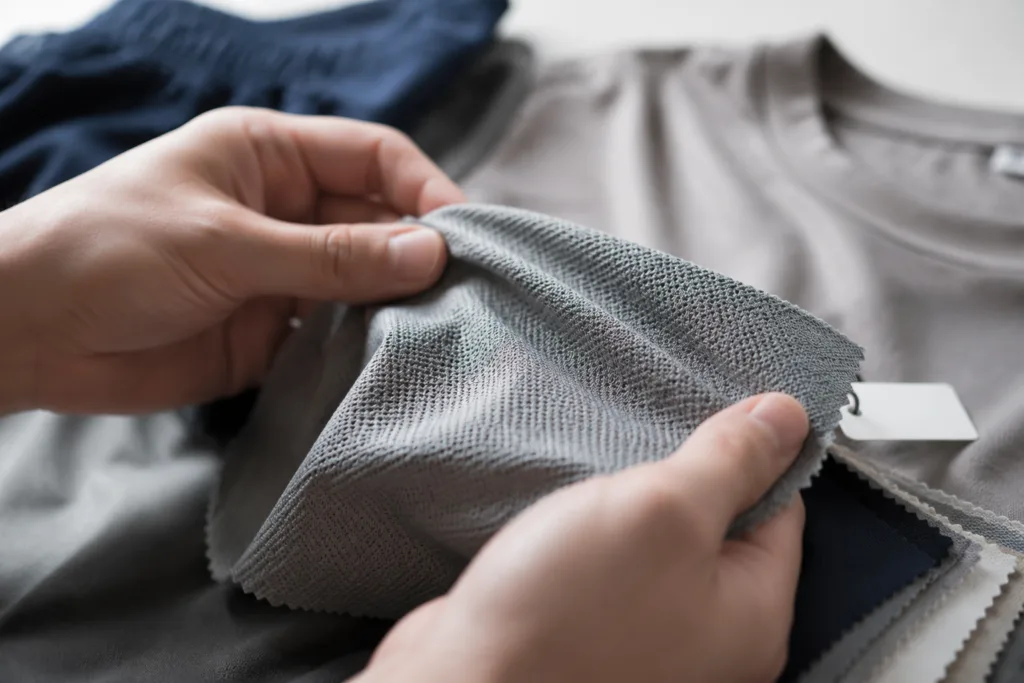
GSM is the fabric metric that unlocks smarter gym clothing production decisions. From opacity and drape to heat retention and print result, it impacts every aspect of athletic wear performance and pricing. Careful GSM selection ensures your product meets functional and market demands—whether you’re planning lightweight tees, sturdy hoodies, or premium leggings. For brands, buyers, and sourcing teams, keep GSM front and center during design, development, and manufacturing negotiations.
Frequently Asked Questions
How does GSM influence gym clothing durability?
Higher GSM generally offers better fabric strength and extended wear, but product function and fiber quality are equally important for overall durability.
What is the recommended GSM for summer gym shirts?
For hot climates and sweat-intensive workouts, 140–160 GSM is ideal—it ensures breathability and comfort without risking transparency.
Can GSM affect logo print longevity?
Yes. GSM between 160–180 provides a stable surface for prints, minimizing ink bleed and maximizing sharpness and lifespan.
Are there industry standards for GSM in performance wear?
Industry standards exist, but brands should align GSM to their target market and intended use for best fit, comfort, and quality.
Do thicker fabrics mean higher GSM?
Usually, yes. Thicker fabric correlates to higher GSM; however, fiber type and knit structure also influence perceived thickness.
How can brands ensure GSM consistency in bulk manufacturing?
Request detailed lab reports, test pre-production samples, and establish clear GSM benchmarks in contracts to avoid batch variance.