




Introduction: Avoiding Costly Errors When Comparing Manufacturer Quotes
Comparing quotes from gym clothing manufacturers is not as simple as looking at the final price. Many brands, buying teams, and sourcing managers plunge into partnerships only to uncover hidden costs, quality issues, or misaligned expectations. At Ninghow, as experienced gym apparel producers, we know a transparent, apples-to-apples comparison is essential for making smart, budget-friendly decisions—and safeguarding your brand reputation in the process.
Readers comparing manufacturing options may also want to review our resource on choosing the right gym clothing manufacturer for a more focused look at category-specific production capabilities and customization processes. This page outlines how manufacturers like Ninghow approach bespoke gym wear, MOQ, and the technical details that are often decisive during sourcing evaluations.
Why Gym Clothing Quotes Vary: The Real Factors
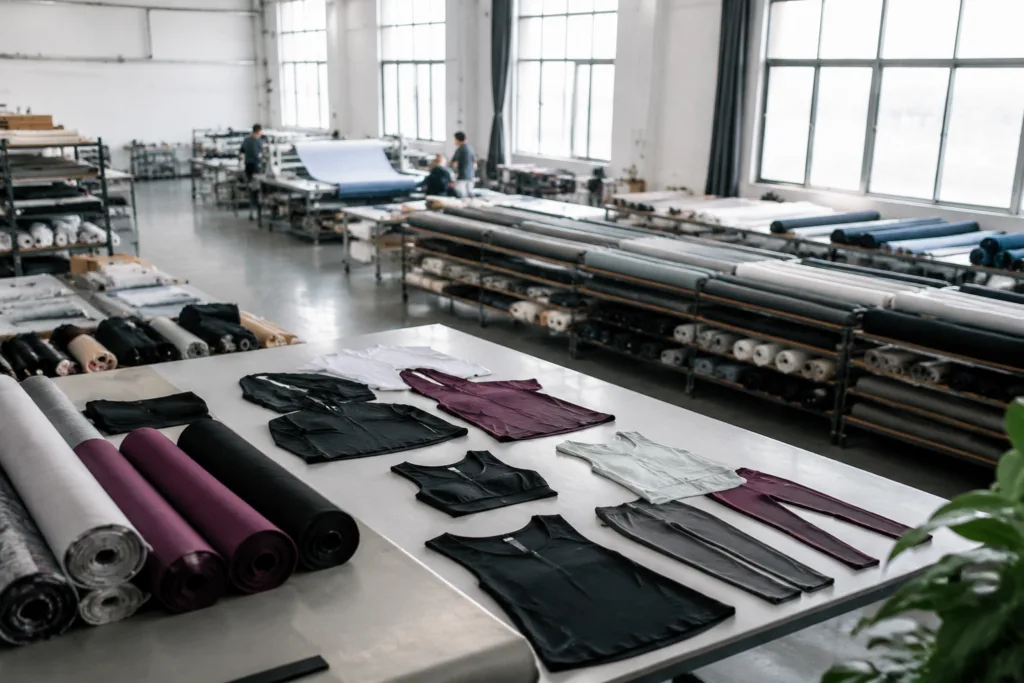
It’s common for brands to receive a wide range of quotes from custom activewear manufacturers, even for seemingly similar products. That’s because prices are shaped by numerous variables—some obvious, others buried in the details. Price alone rarely tells the full story.
Understanding What Goes Into a Quote
- Fabric type and specs (material composition, GSM, stretch, treatments)
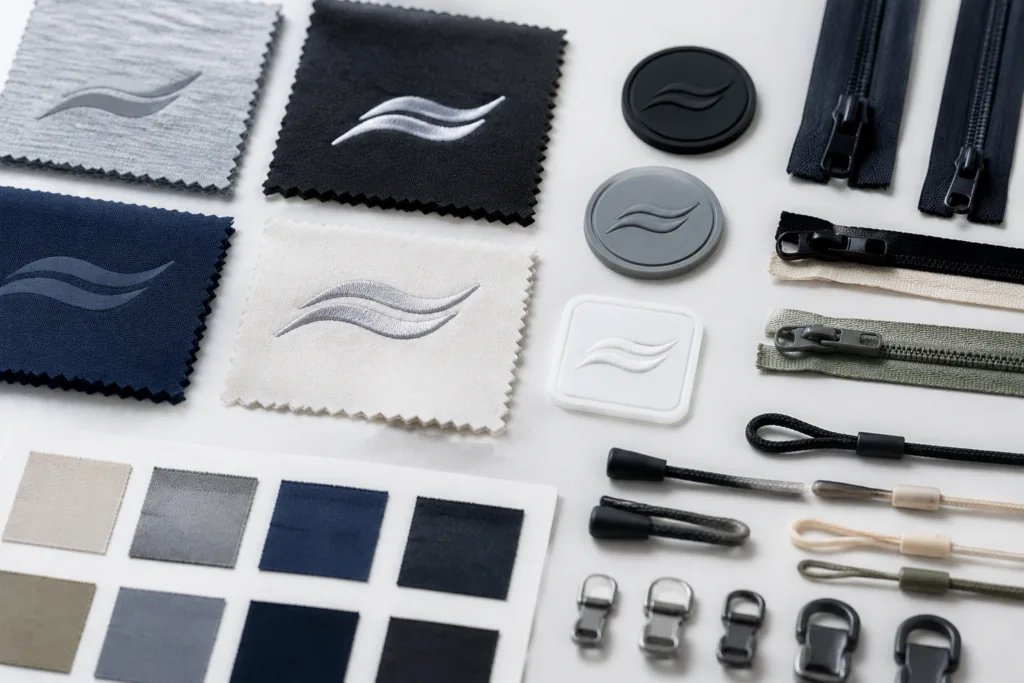
- Trims and accessories (zippers, tags, cords, heat seals)
- Decoration (logo method: embroidery, screen print, sublimation, transfers)
- Pattern complexity and size range
- Packaging (polybag, retail box, swingtag, barcode, custom inserts)
- Shipping terms (EXW, FOB, CIF, DDP, and cost splits)
- Sampling policy (free/paid samples, refundable fees, revised samples)
- Minimum order quantity (MOQ) requirements
Decoding Fabric Specifications: The Price Anchor
Fabric is usually the largest cost driver for any gym apparel order. To compare quotes meaningfully, demand full fabric specification on each quote. This should include fiber type (e.g. polyester or nylon), percentage blends, weight (GSM), knit or weave structure, finishing (brushed, anti-microbial, moisture wicking), and any certification (OEKO-TEX, GRS, etc.).
| Spec | Typical Options | Cost Impact |
|---|---|---|
| Fiber Type | Polyester, Nylon, Cotton, Spandex | Nylon often costs 15–30% more than polyester |
| Weight (GSM) | 160gsm vs. 220gsm | Heavier fabrics add cost but feel more premium |
| Finish & Function | Brushed, Anti-bacterial, Moisture-wicking | Special treatments increase fabric cost per kg |
Red Flags
- Quotes listing only “Poly/Spandex stretch fabric” with no detail—verify before assuming equivalency.
- Low quote? It could be a lighter weight or less functional fabric.
Breaking Down Trim Count: Small Parts, Big Impact
Trims—everything added beyond the main fabric—quickly increase cost and complexity. Common gym wear trims include zippers, drawcord aglets, branded rubber labels, reflective tapes, elastic bands, or custom-molded buttons. Ask: Does every quote list out the type, quantity, and spec of trims?
- Compare not just number of trims, but quality (e.g. YKK zipper vs. generic, woven label vs. printed tag).
- If a factory omits certain trims to lower price, product feel and market position may suffer.
- Be wary of “inclusive” pricing on trim type—clarify exact suppliers and samples wherever possible.
Comparing Logo Methods: Never Apples-to-Oranges
Your logo can be applied in several ways, each with different durability, feel, and cost. When reviewing quotes, check that every method is specified. Is it embroidery, traditional screen-print, digital print, heat transfer, or silicone patch?
- Embroidery usually costs more than print, especially for complex/large logos.
- Screen and digital prints vary in price based on color count and positioning.
- Specialty methods (3D silicone transfers, reflective logos) significantly increase unit costs.
Invisible differences like logo durability, wash testing, or “fade resistance” may only be clear after wear—Ninghow, for instance, tests decoration samples up to 20 wash cycles before bulk production.
Packaging Details: Not All the Same
Some manufacturers price with standard packaging like a clear polybag; others include extras such as printed inserts, custom retail boxes, swing tags, and barcodes. Each layer adds time and cost, especially for low MOQ orders. To make accurate comparisons, request packaging breakdowns line by line.
- Basic: Polybag (+$0.03–0.07/unit)
- Custom swing tag (+$0.05–0.20/unit)
- Retail box (+$0.12–0.50/unit)
Shipping Terms: EXW, FOB, CIF, DDP Unpacked
The shipping term in your quotation determines which party pays for freight, export duties, and delivery to final destination. Most misunderstandings (and surprise costs) come from these three-letter terms:
- EXW (Ex Works): Buyer covers all shipping from factory gate onward (usually cheapest on quote, most responsibility on buyer).
- FOB (Free on Board): Factory delivers to nearest port—buyer handles sea/air freight and destination clearance.
- CIF (Cost, Insurance, Freight): Factory covers to destination port—buyer clears local import.
- DDP (Delivered Duty Paid): End-to-end to buyer’s door—factory covers all logistics and customs; typically highest quoted price per unit.
| Term | Included | Extra Cost (to you) |
|---|---|---|
| EXW | Nothing but product | All shipping/logistics |
| FOB | Product + onward port | Overseas freight & clearance |
| DDP | All-included delivered | None (best for new importers) |
Clarify and align your quotes by the same shipping term for a true cost comparison.
MOQ and Sample Policy: What’s Really Included?
Small brands need flexibility, but low MOQ brings higher per-unit costs. Ask for a full breakdown: What’s the absolute minimum piece count? Is it per style or per color? Are samples free, discounted, or charged at full cost? Are sample fees deducted from bulk orders? Good manufacturers make this clear—if not, it’s a sign to probe deeper.
For further insights on managing small-run orders, see our post on understanding low MOQ options.
Requesting a Quote: The Precise Data to Provide
Factory quotes are only as accurate as your brief. Send detailed tech packs, artworks, and reference samples whenever possible. Specify expected fabric, trims, logo process, preferred packaging, size range, and target order volume. More detail in; better comparison out.
Sample Factory Quote Request Template
- Style sketches and/or photos
- Fabric type, blend, GSM, finishing treatments
- Trim list (e.g., zippers, labels, cords + color/finish details)
- Logo/artwork placement, size, and decoration method
- Packaging requirements (brand tags, bags, retail box)
- Order quantity per style/color/size
- Preferred shipping term (EXW, FOB, DDP, etc.)
Side-by-Side Comparison: What a Good Quote Should Include
A trustworthy custom sportswear manufacturer makes quoting transparent. Review this checklist below when reviewing competitor offers:
- Full style/fabric description
- Trim/accessory specification line by line
- Logo/decoration method + color breakdown
- Packaging type, each extra listed
- Shipping term and port/country specified
- Sample policy, timing, refund conditions listed
- Lead time based on order volume
Hidden Costs in Gym Clothing Manufacture Quotes
The lowest quote is rarely the lowest all-in cost. Flags to watch for:
- Setup fees (new trims, custom molds, logo setups, sample development)
- Chargebacks for QC failures, remakes, or rejected lots
- Unspecified packaging, leading to surprise extras when finalizing order
- Lack of clarity on size scale (e.g., if plus sizes incur surcharges)
Ask for a sample invoice or proforma upfront to uncover unspoken charges.
Production Quality Checks: Not All Are Equal
Manufacturers interpret “quality” differently. Check if the quote explains quality control scope and agreed standards. Is there an in-line inspection or only final QC? Are defect rates, tolerance, and repair protocols spelled out? Strong partners, including Ninghow, typically detail QC procedures in quote attachments, especially for technical gym apparel orders.
Comparing Lead Times: Reality vs. Promise
Many wholesale gym apparel suppliers give generous timelines, but real lead times can slide if fabric is imported, trims sourced late, or approvals drag. Ask for a breakdown: days for fabric procurement, sample approval, bulk production, QC, and shipping window. Make sure those times are contractually referenced, not just verbally assured.
Fit Samples, Size Scale, and Tolerance
Fit directly affects returns, complaints, and customer loyalty. Clarify if the quoted price covers standard size scale or if plus/petite sizes are extra. Ask the factory for their sample development process and fit tolerance. Can you approve size sets before bulk? At Ninghow, we always offer a fit sample round for new clients, with size chart signoff before proceeding to full production.
Supplier Responsiveness: A Hidden Asset
The cost of slow answers or miscommunication isn’t line-itemed in the quote, but can derail projects and lead to “costly mistakes” in time and brand trust. Evaluate manufacturer responsiveness during the quoting phase. Fast, detailed, and friendly pre-sale support is a good indicator for future cooperation.
Sample Policy and Fee Deductibility
Always check if sample fees are deductible from production POs. Some manufacturers apply full sample fees as credits; others do not. This can impact your starting cashflow, especially if testing multiple factories at once. Clarify how many rounds of development are included and what happens after design revisions.
Evaluating Supplier Reputation: Beyond the Numbers
Check for genuine client references, production photos, third-party certificates, and raw material traceability. Suppliers willing to connect you to previous clients—or share case studies—demonstrate confidence in their product and consistency.
Real-World Mistakes When Comparing Quotes—and How to Avoid Them
- Ignoring fabric GSM—receiving samples 40% lighter than advertised
- Assuming free packaging—later paying $0.25/unit extra for tags
- Not clarifying shipping term—unexpectedly responsible for unexpected destination costs
- Missing artwork costs—factory charges $200+ for logo plate you overlooked
- Overlooking QC—final shipment has 10% defective ratio, with no redress
Knowing where brands trip up lets you build a checklist for your next round of quote reviews—and make a smarter sourcing call.
How to Compare Quotes from Gym Clothing Manufacturers Without Making a Costly Mistake
Bring a structured, side-by-side mindset to every quote you review. Start by demanding thorough specifications—don’t accept a vague or generic offer. Line up every element: fabric, trims, logo/decorations, packaging, shipping terms, sample conditions, MOQ, and lead time. Check for hidden or setup costs, and clarify sample policy details in writing. Finally, factor in the “soft” elements: supplier response time and QC procedures. Taking these steps not only reduces costly errors but also leads to more efficient, successful launches—especially important for brands seeking steady growth and trusted partnerships.
Additional Resources for Gym Clothing Sourcing
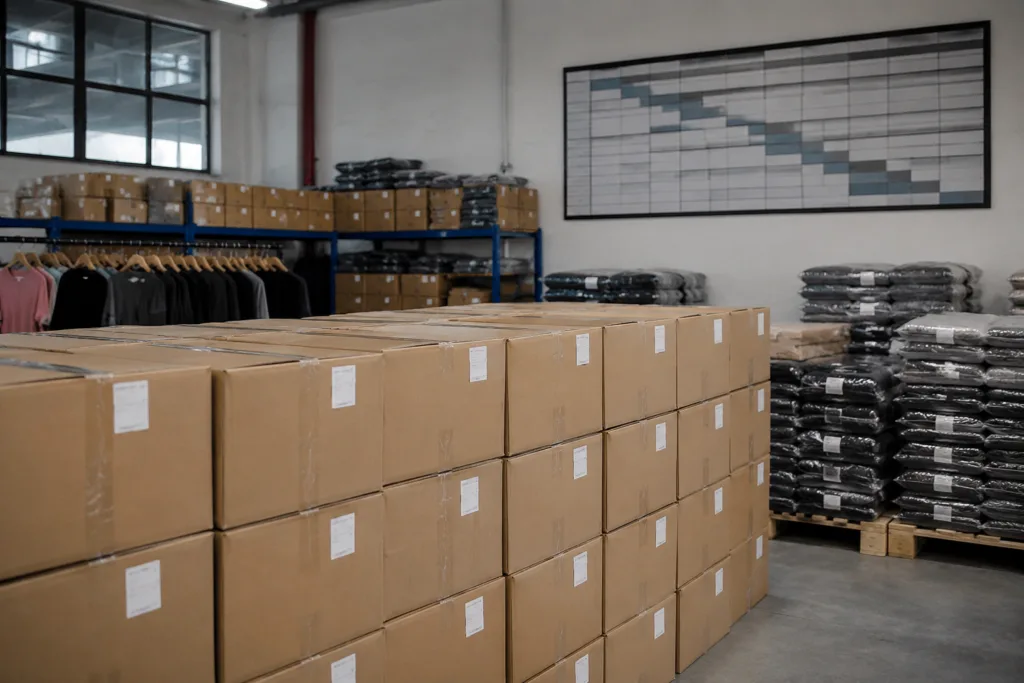
If you’re planning your next manufacturing project or want further practical breakdowns, our article on selecting a gym clothing manufacturer offers even deeper insights into vetting, negotiation, and production workflows tailored to apparel brands. Every well-informed choice keeps your project on schedule and supports long-term supplier relationships.
Frequently Asked Questions
What should be included in a gym clothing manufacturing quote?
A quote should include detailed fabric specs, trim lists, decoration method, packaging, shipping terms, MOQ, lead time, sample policy, and any setup costs.
How do I compare different fabric specifications?
Ask for full details: fiber content, GSM, finishing, and certification. Don’t compare by title only—demand samples before bulk order to verify hand-feel and durability.
What logo or decoration methods do manufacturers use, and how does this impact price?
Common methods are embroidery, screen print, heat transfer, silicone patches, sublimation, and digital print. Embroidery and 3D logos usually cost more. Complex or multi-position logos increase both sample and per-unit cost.
How do I avoid hidden costs in gym clothing quotes?
Clarify inclusion of packaging, artwork/setup fees, QC policies, and what shipping term applies. Ask for sample proforma invoices to see line-by-line charges up front.
Why does MOQ affect my unit cost?
Lower MOQ means higher unit prices, as setup and labor costs are amortized over fewer pieces. Larger orders help factories optimize fabric and trim purchases for cost savings.
How important is the manufacturer’s sample policy?
Very important. It affects your upfront risk and development cost, impacts your confidence in fit/quality, and determines how much you ultimately pay before bulk orders.