



Introduction: Why Fitness Brands Should Prioritize Quality in Custom Leggings Manufacturing
Developing custom leggings is one of the most strategic choices a fitness brand can make. Today’s activewear buyers expect leggings that combine comfort, durability, high-performance features, and attention to sustainability. Whether you’re launching a new collection or optimizing a proven product line, understanding the technical and practical details behind custom yoga pants, personalized yoga pants, fitness leggings brands, sustainable leggings, and yoga wear leggings is essential for success. This in-depth guide from Ninghow—a seasoned garment manufacturer serving fitness and yoga brands—explains what buyers, sourcing teams, and brand founders must know before taking the leap into custom leggings development.
For readers comparing manufacturing options or planning their next sourcing step, a useful next step is to explore our expert guides on custom clothing manufacturing. This page offers a focused look at production capabilities, customization options, and category scope, helping fitness brands review how manufacturers approach gym and activewear production in a practical, factory-driven context.
Understanding Key Performance Features for Custom Leggings
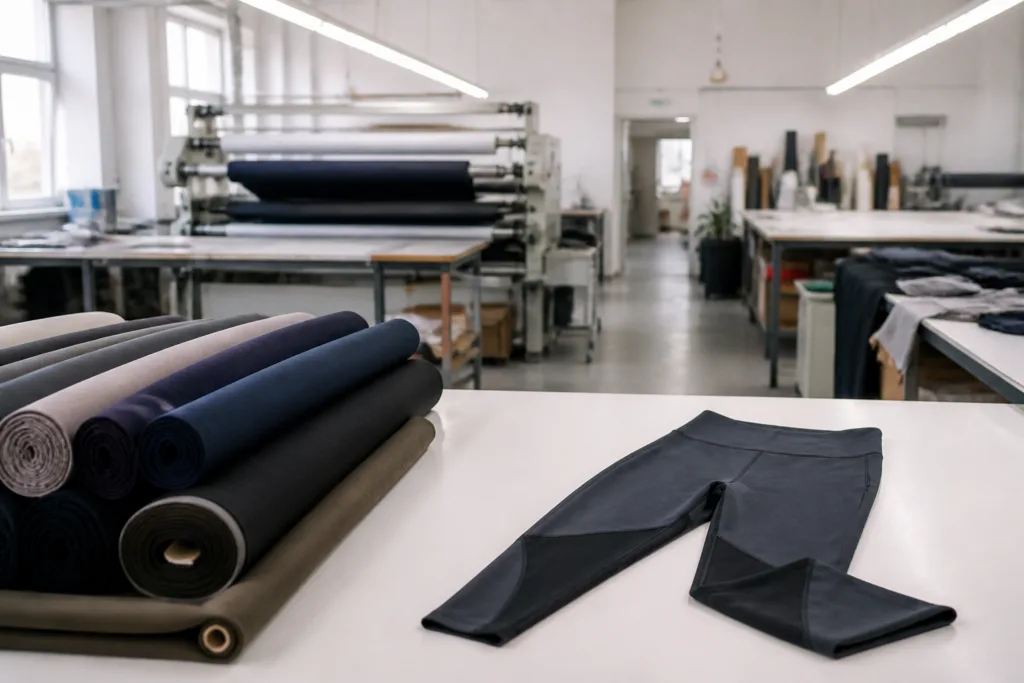
Fitness brands must consider multiple technical requirements when specifying custom leggings. These foundational features will determine product reputation, end-user satisfaction, and even your production partner’s workflow. Let’s break down what matters most.
Fabric Opacity: Avoid See-Through Issues
One of the most critical factors is fabric opacity. Leggings must remain non-transparent during movement, especially under studio lighting or outdoors. Brands should select fabrics tested for stretch and coverage—nylon blends, polyester with spandex, and brushed technical knits excel here. Always request sample swatches and consider third-party testing for peace of mind.
Squat-Proof Performance: Essential for Fitness & Yoga
Squat-proof leggings are a non-negotiable in fitness markets. This means the fabric and stitching must hold up under tension and flexing, with no visible skin or undergarments. Squat-proof ratings depend on fabric density, stretch recovery, and seam placement. Manufacturers should provide samples for real-world testing—and buyer feedback should guide iteration.
Compression Levels: Balancing Support and Comfort
Compression helps shape, support, and energize the wearer. Brands can specify mild, moderate, or high compression depending on target use—light yoga, intense gym, or athleisure. Quality compression relies on blend ratios, yarn thickness, and how the sewing process manages tension. Your manufacturer should support sample fittings and feedback loops.
Waistband Construction: Height, Elasticity, and Fit
Waistbands are a key selling point. Options include high-rise, mid-rise, or low-rise. Thickness, contouring, and hidden elastic all affect comfort and stay-in-place performance. Double-layer waistbands with reinforced stitching are popular for custom yoga pants and sustainable leggings brands seeking stability during movement.
Gusset Design: Enhancing Mobility and Durability
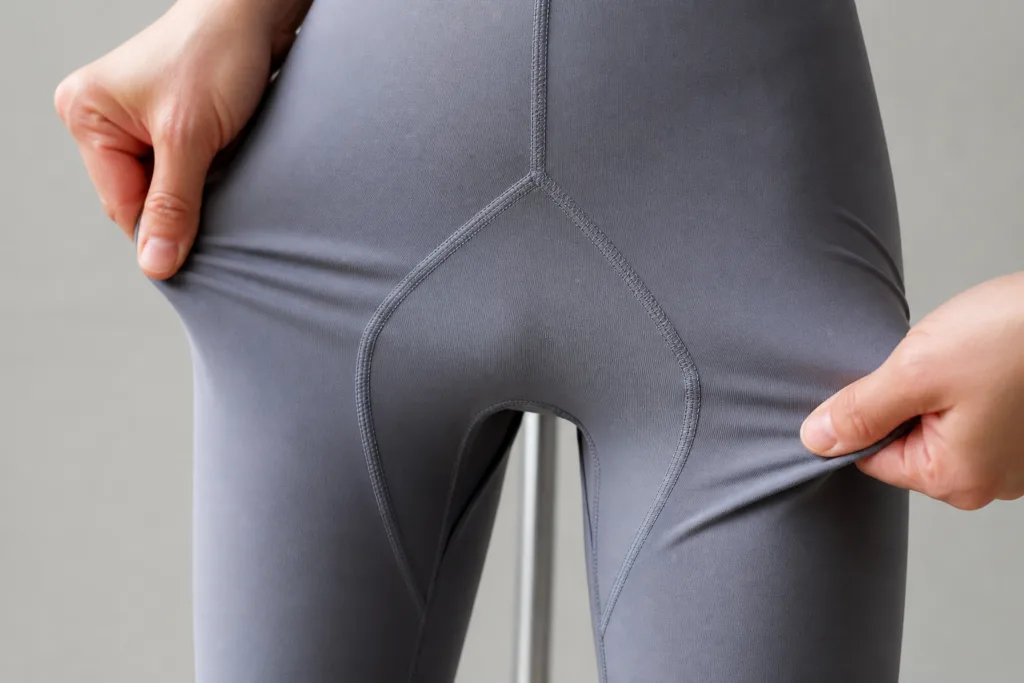
Gussets—small inserts in the crotch—solve fit and chafing issues. Options range from diamond to triangle shapes, designed to improve mobility and prevent seam failures. Brands should review pattern layouts with manufacturers experienced in fitness leggings; even small choices here impact comfort and longevity.
Stitch Types: Flatlock vs. Overlock vs. Zigzag
Stitching quality separates premium leggings from basic options. Flatlock stitching reduces seam irritation and increases stretch, ideal for custom yoga pants and sustainable leggings. Overlock and zigzag stitches work well for interiors and trims, but should be selected based on usage and durability goals.
Print Methods: Sublimation, Screen Printing, Digital
Leggings branding relies on print clarity and wash resistance. Sublimation is best for all-over prints on synthetic fabrics, screen-printing suits high-contrast logos, and digital techniques enable fine details. Work with your manufacturer to review print test results and check colorfastness after washing.
Fabric Selection for Custom Leggings: Material Matters
Choosing the right fabric means balancing stretch, breathability, moisture wicking, and sustainable credentials. Here’s what fitness brands must consider:
- Nylon-Spandex: Smooth feel, high stretch, excellent squat-proof properties
- Polyester-Spandex: Lightweight, moisture-wicking, ideal for printed custom leggings
- Recycled Polyester: Eco-conscious choice—sustainable leggings for brands targeting eco-driven buyers
- Cotton-Spandex: Natural softness, less performance (mostly for athleisure)
Sustainable Leggings: What Counts as Eco-Friendly?
Brands aiming for environmental credibility should ask about recycled yarns, bluesign or OEKO-TEX certifications, and minimal-impact dyeing. Transparency is key: manufacturers must provide paperwork, traceability, and practical insight if you’re targeting sustainable leggings categories.
Sizing, Grading, and Fit: Customization Essentials
Fit is the difference between return rates and loyal customers. Brands should define target size ranges and request graded samples—ideally in S-XL or extended sizing. Your manufacturer must accurately interpret your fit blocks and digitize patterns for consistent production.
Plus Size & Adaptive Options: Expanding Brand Reach
Fitness leggings brands that cater to plus-size, adaptive, or maternity markets must adjust pattern making and seam placement. Gusset size and waistband height often need modification. Industrial experience in these segments is valuable—Ninghow has worked with several brands to refine adaptive fits based on feedback and shop-floor testing.
Colorways and Print Customization: Brand Identity Meets Performance
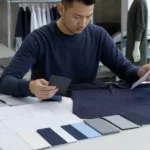
Stand-out leggings require unique colors and artwork, but performance must come first. Brands can specify PMS-matched dyes, custom prints, or all-over patterns. Fabric and print method compatibility matter: not all colors or prints will look consistent across multiple production runs.
Print Durability: Preventing Fading and Peeling
Print longevity depends on process, ink, and curing. Your manufacturer should provide sample wash results and technical recommendations for each method—especially if you’re building personalized yoga pants with bold artwork or branding.
Sampling and Prototyping: Testing Before Launch
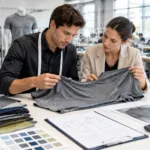
Never skip sample rounds. Prototyping lets you check fit, fabric, print clarity, stitch quality, and wash performance. Request feedback from real users—fitness trainers, yoga instructors, and team members—to identify small improvements before full production.
Physical versus Digital Sampling: What Works Best?
Physical samples remain the gold standard. Digital samples can speed up pre-production, but tactile feedback is essential for leggings, especially when testing compression and squat-proof performance. Brands should budget for several sample rounds.
Production Planning: MOQ, Lead Times, and Batch Sizes
Brands must work closely with manufacturers to set realistic minimum order quantities (MOQ), batch sizes, and schedule lead times. Fitness and yoga wear often require multiple colorways or size splits. Plan for flexible production and communicate expected updates.
For a deeper dive into practical production benchmarks and MOQ policies, brands may find understanding minimum order quantities for activewear a helpful reference when budgeting or planning launch timelines.
Quality Control: Inspection Points for Custom Leggings
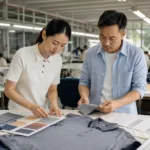
QC is essential. Typical inspection points include fabric stretch, print integrity, seam alignment, and waistband fit. Brands should ask for QC reports and even conduct random batch checks. Experience in leggings QC can prevent costly returns or reputation issues.
Common Manufacturing Defects: What to Watch For
- Loose or skipped seams
- Fabric transparency in high-stretch areas
- Incorrect waistband elastic insertion
- Print misalignment and color inconsistency
- Poor gusset reinforcement
Packaging and Fulfillment: Protecting Your Product
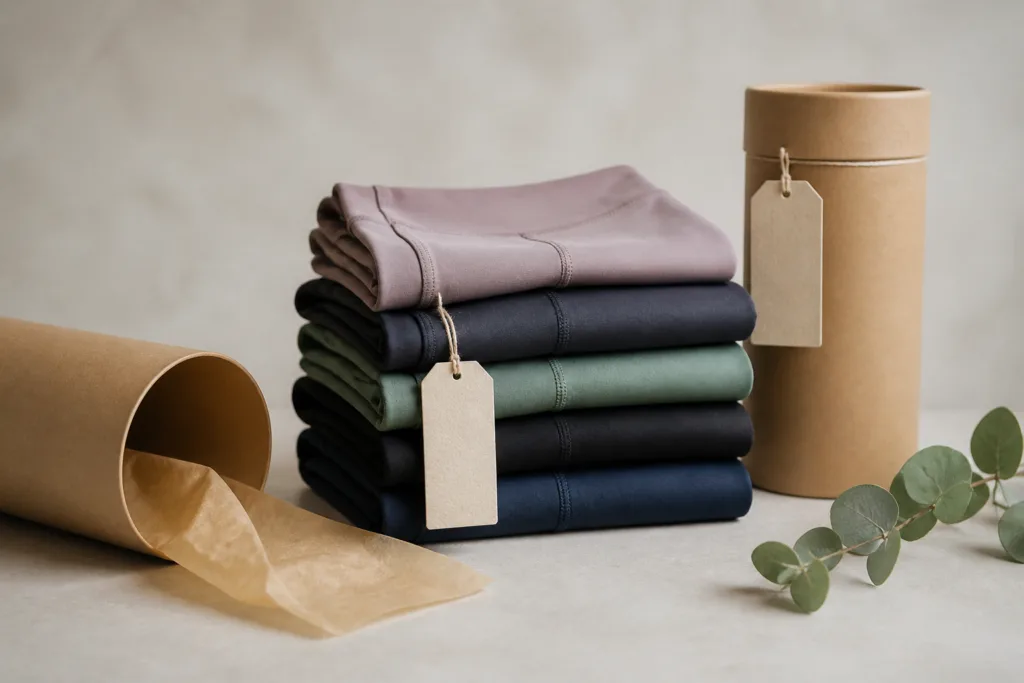
Proper packaging prevents damage and preserves print quality. Brands can choose between polybags, recycled paper wraps, or branded boxes. Packaging should protect stitching, prints, and fit—especially for sustainable leggings or premium custom yoga pants.
Branded Packaging Options: Creating an Unboxing Experience
Premium packaging elevates your brand. Options include custom hangtags, eco-packaging, and color-matched tissue. Work with your manufacturer to select design elements that reinforce brand identity without increasing waste or cost.
Shipping and Logistics: Fitting Manufacturing into Your Supply Chain
Fitness brands need predictable delivery times, with tracking and documentation. Coordination across overseas or domestic factories affects speed and cost. Your manufacturer should provide clear logistics options and update timelines during production and shipping.
Brand Positioning: Custom Leggings for Your Target Market
Before specifying details, fitness brands must define their market—high-performance athletes, wellness/yoga audiences, or fashion-driven consumers. Features like compression, print methods, and sustainable fabrics should anchor branding decisions and guide manufacturing priorities.
[PROMPT]: Custom Leggings Manufacturer Guide for Fitness Brands
This guide covers every technical and practical consideration for developing custom leggings—from fabric selection to QC, print methods to sampling. Brands targeting yoga, fitness, or eco-driven segments need reliable manufacturing partners and detailed oversight for lasting success. By understanding features like squat-proof performance, compression, waistband design, gusset options, stitching, and custom print choices, you set the foundation for a reputation-driven product line in a competitive market.
Working With Your Manufacturer: Collaboration Tips
Clear and frequent communication is vital. Share reference samples, fit details, and artwork files early. Review fabric certificates and test results rather than relying on stock claims. Brands can ask manufacturers for production updates, shop-floor photos, and batch QC data. In our experience at Ninghow, honest dialogue saves time and prevents miscommunication—especially on complex color splits or new print techniques.
Cost Control: Balancing Price with Performance
Premium features add cost—compression, squat-proof fabric, detailed printing, and custom packaging. Brands must decide where to invest versus compromise. Ask for itemized quotes and negotiate on non-critical extras, but avoid cutting corners on fabric or stitching. Transparent cost breakdowns help align expectations and ensure supplier reliability.
Personalized Yoga Pants: Standing Out Through Custom Design
Personalization is powerful. Brands can offer initials, custom graphics, or unique prints, building loyalty and reducing price sensitivity. Manufacturers must provide flexible print processes and detailed QC on these customizations. Pre-order samples are especially important for personalized yoga pants, where room for error is small.
Full Customization: MOQ, Lead Times, and Factory Flexibility
Brands should confirm MOQ policies, lead times, and batch flexibility before placing orders. Options such as color joint production and size splits can optimize cash flow. Factories may suggest minimum splits by print method and design complexity; open discussions prevent surprises and delays.
For specialized yoga clothing solutions and detailed leggings customization steps, brands can benefit from reviewing expert resources such as custom yoga clothing solutions for additional manufacturer insight and practical approaches.
After-Sales and Returns: Handling Customer Feedback
Even with careful manufacturing, some issues are unavoidable. Brands should create transparent return policies and collect customer feedback for iterative product improvement. Work with your manufacturer to diagnose defects and adjust future runs—keeping your brand reputation strong.
Conclusion: Key Takeaways for Fitness Brands Developing Custom Leggings
Developing custom leggings requires careful planning, technical know-how, and reliable manufacturing partnerships. Focus on fabric opacity, squat-proof performance, compression, waistband and gusset design, stitching, and print methods as your foundational pillars. Keep communication open, test samples rigorously, and prioritize QC throughout production. With these practices, fitness brands can launch leggings collections that meet market demands and drive long-term growth.
Frequently Asked Questions
What makes leggings squat-proof?
Squat-proof leggings are made from dense, high-stretch fabrics that prevent transparency and use strong seams to maintain integrity during deep movement.
How can brands test fabric opacity?
Request fabric swatches and conduct stretch tests under studio lighting to ensure no see-through areas. Real-life movement testing is recommended.
What is the typical MOQ for custom leggings?
MOQs depend on design complexity and factory policy, but for custom leggings they often range from 200 to 500 units per style and color.
Are sustainable leggings more expensive?
Eco-friendly fabrics like recycled polyester may cost slightly more, but price gaps are closing. Bulk orders can help minimize cost differences.
How do I choose the right waistband construction?
Decide based on your customers’ activity level and preference—high-rise waistbands with double-layer construction offer added support and stability.
What is the difference between flatlock and overlock stitching?
Flatlock stitching provides smoother seams and is better for activewear, while overlock stitching works for basic construction but may cause irritation.