






Understanding China Plus One for Fashion Brands
The concept of China Plus One for fashion brands has risen as a pragmatic response to industry disruptions, changing cost structures, and the growing need for supply chain resilience. As an apparel manufacturer, Ninghow sees first-hand how brands are reevaluating their sourcing strategies to diversify beyond China while maintaining access to the world’s largest apparel manufacturing ecosystem. This article explores what China Plus One means in practice, who it’s best suited for, and how to implement it without common pitfalls.
For readers comparing manufacturing options or planning a multi-country sourcing approach, a useful next step is to explore how supplier density can enhance quality. This resource offers practical insight into why clustered supplier bases impact quality and reliability—a key concern when balancing China sourcing with new production countries. It’s particularly relevant if you’re evaluating how moving part of your supply chain outside China could affect production consistency or QC outcomes with different manufacturer ecosystems.
What Is China Plus One? The Sourcing Strategy Explained
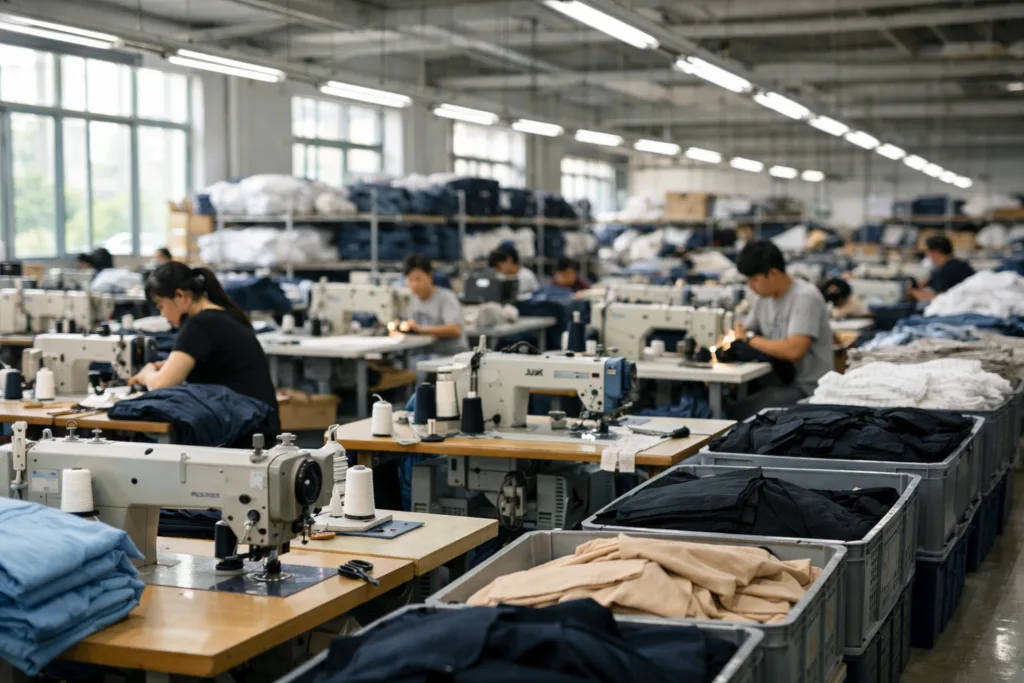
China Plus One describes a sourcing strategy where fashion brands retain a significant part of their production in China and simultaneously add one or more alternative manufacturing countries. Rather than shifting everything away from China, the approach builds redundancy and flexibility into apparel supply chains.
Why Are Fashion Brands Exploring China Plus One?
Several market factors are fueling this shift: geopolitical tension, rising labor costs in China, tariffs, and the COVID-19 pandemic demonstrated the risks of over-concentration. Global brands want to hedge against possible disruptions without losing the scale, skill, and capacity China offers.
The Practical Logic of Diversifying Sourcing
Diversifying apparel production isn’t just about cheaper labor. It’s about resilience, speed, and the ability to navigate sudden regulatory changes. For example, someone sourcing complex athleisure lines may still prefer China for access to functional fabrics and skilled technical development, but basic tees or simple woven shorts could be safely sourced elsewhere.
What Types of Brands Should Consider China Plus One?
China Plus One isn’t just for global giants. Mid-sized brands, fast-growing DTC labels, and even smaller retail groups can benefit if certain conditions fit. Here’s when China Plus One makes sense:
- Brands with multi-category or high-volume product ranges
- Those facing frequent customs disruptions, tariffs, or regulatory uncertainty
- Brands with strong demand volatility (seasonal spikes, promo programs)
- Apparel companies planning major growth and wishing to avoid bottlenecks
Manufacturers like Ninghow often see our clients adopting China Plus One when they want to keep technical core SKUs stable (often made in China) but need capacity elasticity for simpler, volume-driven items.
Which Styles Should Stay in China—and Which Can Move?
Not all products transition easily—or wisely—out of China. The decision depends on complexity, fabric sourcing, and technical details. Based on industry practice, here’s a guide:
Styles That Benefit Most From Staying in China
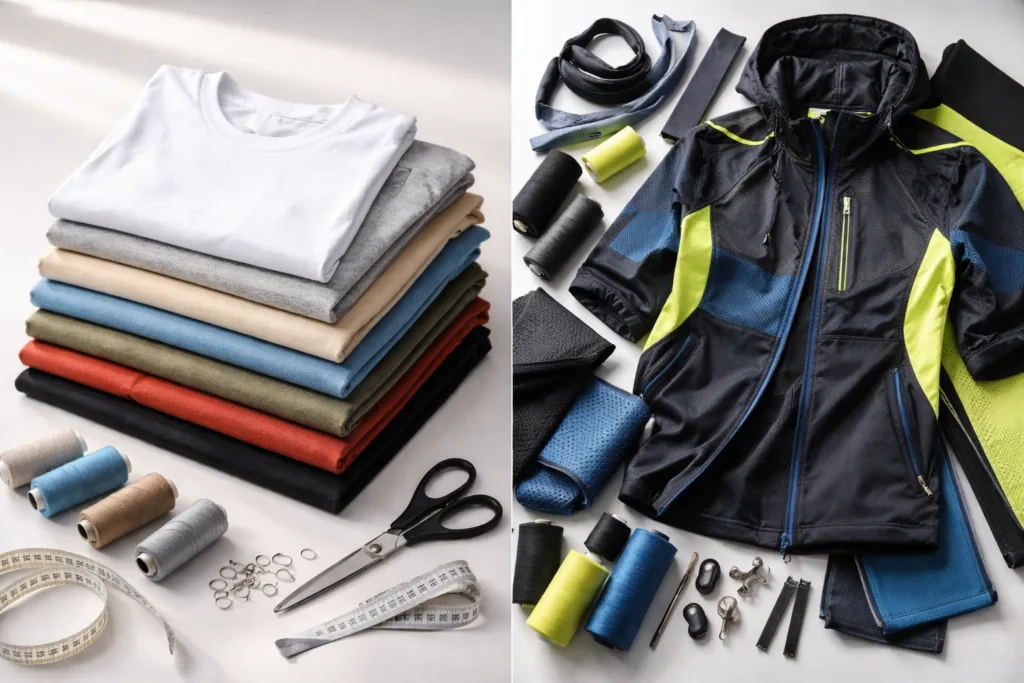
- High-spec performance wear (e.g., sportswear, seamless, waterproof, functional trims)
- Fashion-forward collections with frequent style drops
- Products using advanced or niche fabrics (e.g., TENCEL, recycled poly blends)
- SKUs requiring complex sampling, custom prints, or multi-process finishes
Styles Suited for Migration to Other Manufacturing Countries
- Basic knits (t-shirts, tanks, simple dresses)
- Standard woven items (plain shorts, shirts, school uniforms)
- Promotional items with high volume and low variety
- Items with broad quality tolerance and simple trims
Key Differences Between China and Popular Plus One Countries
When considering which items to migrate, brands need to weigh several manufacturing differences. Here’s a practical table comparing China to typical Plus One options such as Vietnam, Bangladesh, and India:
| Factor | China | Vietnam | Bangladesh | India |
|---|---|---|---|---|
| Lead Times | Short–Mid (Stable) | Mid | Longer | Mid |
| Sampling Speed | Fast | Moderate | Slower | Moderate |
| MOQ Flexibility | High | Lower | Very High | Varies |
| Fabric Sourcing | Integrated ecosystem | Often imported | Imported or limited | Good for cotton |
| QC Consistency | Reliable | Good | Improving | Variable |
| Customization | Strong | Limited | Limited | Strong (printing/embroidery) |
Managing the Complexity—How to Avoid a Sourcing Disaster
China Plus One can increase complexity—and risk—if not organized methodically. Here’s how our manufacturing team recommends keeping supply chains manageable:
- Standardize Core SKUs: Keep your most important, high-complexity items in China for reliability.
- Limit Geographic Spread: Use only one or two additional Plus One countries. Over-diversifying causes management chaos.
- Double Down on Sourcing Calendar Discipline: Account for slower communication, logistics, and approvals outside China.
- Harmonize Specs and QC: Share the same tech packs, trims, and production process standards with all suppliers.
What if Mistakes Happen?
Be prepared for sample/fit issues or delayed deliveries during the first 2–3 seasons. As manufacturers, we’ve seen brands succeed when they factor in a learning curve during the rollout phase, align their merchandising and PD calendars, and allow buffer time for onboarding new production partners.
China Plus One for Fashion Brands: Step-by-Step Implementation Guide
Implementing China Plus One sourcing works best as a staged process. Here’s a recommended step-by-step approach:
- Map your full product matrix—identify SKUs by complexity and margin sensitivity.
- Pilot select basic styles with one Plus One country to reduce risk.
- Align sampling and approval calendars—anticipate slower movement outside China.
- Train internal teams (merchandisers, QC, logistics) on differing country requirements.
- Review cross-border logistics, trade agreements, and documentation requirements.
- Monitor first three buy cycles—adjust based on production feedback and cost/quality data.
Why Not Move Everything? The 80/20 Sourcing Rule
In reality, most global brands keep 70–90% of their volume in China, shifting lower-value styles elsewhere. The 80/20 rule applies: 20% of SKUs can account for 80% of risk mitigation if placed with good Plus One partners. High-value, technical, and rush-order lines rarely leave China due to the manufacturing ecosystem’s depth and flexibility.
Managing Communication and Quality When Sourcing in Multiple Countries
Communication can easily become bottlenecked as teams manage time zones, languages, and local business habits. Practical steps include nominating a dedicated sourcing lead, using multi-country POs that tie back to a single standard, and requiring in-line QC reports in a unified format. Some brands, such as those with fast fashion models, choose Ninghow for core categories (like woven jackets) but work with other countries for simple cut-and-sew knits that require less supervision.
How Technology Simplifies China Plus One Sourcing
Today, digital tools like shared dashboards, real-time QC photo updates, and cloud-based tech packs support smoother data flow across countries. A shared language of specs and transparent feedback on bulk and sample issues reduce miscommunications—even across borders.
Risk Factors and Solutions for China Plus One Manufacturing
Risks include QC drift, late shipments, material mismatch, and inconsistent fit. Proactive solutions involve frequent first-article sample checks, spec calibration, parallel inspection visits, and periodic leadership site visits to both China and Plus One suppliers.
How Will Tariffs, Trade Policy, and Geopolitics Shape Sourcing Choices?
Brands should expect policy to keep evolving, creating both challenges and opportunities. Monitoring country-specific tariff changes and free trade agreements is essential when developing a country-mix strategy. Some product categories may temporarily shift to avoid tariffs, but longer-term commitments should focus on sources with stable policy outlooks and robust logistics.
How to Decide If You Should Move Production Out of China
For some brands, it’s worth asking: does sourcing diversification mean you should fully relocate your apparel production, or just implement China Plus One? The answer often depends on your style mix and risk tolerance. If you’re weighing a major shift, you may want to consider moving production out of China for a detailed look at the implications, trade-offs, and country alternatives.
China Plus One for Fashion Brands: What It Means in Practice
In practice, China Plus One blends the strengths of China’s manufacturing cluster with capacity and cost hedges abroad. At Ninghow, we help brands balance their sampling, technical, and delivery requirements for each SKU group. This flexible approach supports high-growth roadmaps and can insulate against both operational and geopolitical shocks—if executed with planning and ongoing supplier performance monitoring.
Where Else Can You Source Apparel? A Comparison with India
Each supply base offers a unique mix of capabilities, costs, and ecosystem maturity. If you’re considering alternatives, it can help to compare China and India for apparel manufacturing. India, for instance, excels in wovens and home textiles, but fabric clusters are less vertically integrated than the Chinese model.
Summing Up: Key Takeaways for Fashion Brands Considering China Plus One
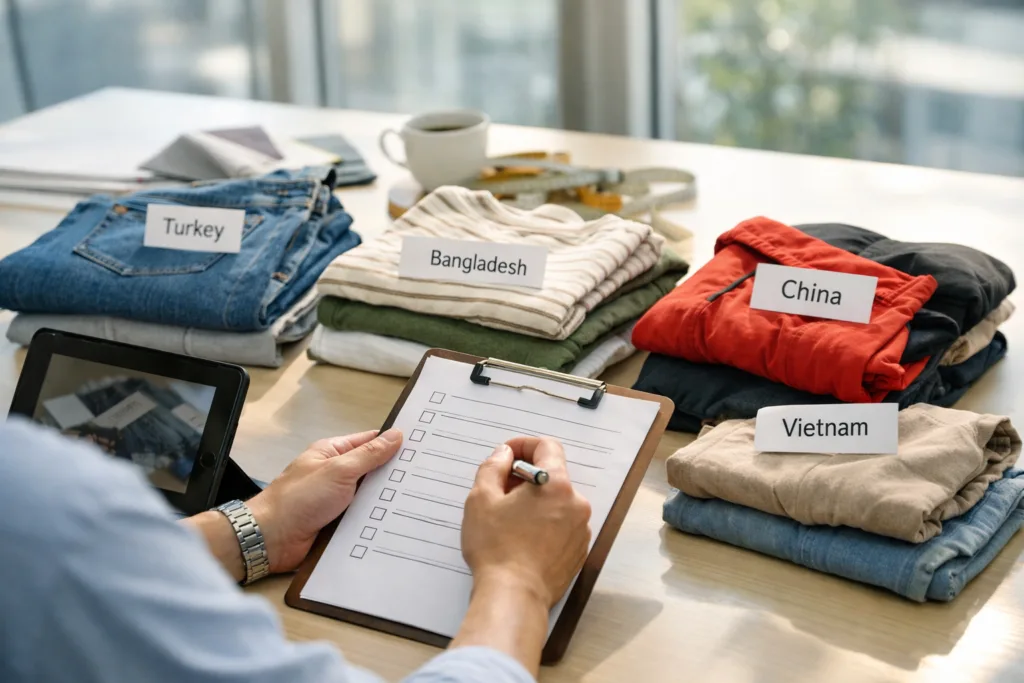
- China Plus One empowers brands to combine China’s excellence in technical goods with cost-risk balancing.
- Choose Plus One countries carefully—based on style complexity, volume, and QC needs.
- Pilot and standardize before scaling up. Expect a learning curve but also a more resilient sourcing model.
Frequently Asked Questions
What does China Plus One mean for fashion brands?
It means brands keep core or complex styles in China and shift some simpler or standardized production to another country, adding flexibility and lowering risk.
Is China Plus One right for all apparel brands?
No; it’s most useful for brands with broad product lines, large volumes, or exposure to geopolitical and cost risks. Smaller, niche brands may find it less practical.
How do you choose what styles to move out of China?
Move basic, high-volume or less technical styles that don’t depend on China’s specialized raw materials or advanced production technology.
What are the main risks of China Plus One sourcing?
Main risks are inconsistent quality, slower lead times, communication errors, and supply chain fragmentation. Discipline and standardization help avoid these issues.
How long does it take to set up China Plus One?
Piloting one or two styles usually takes one to two buying seasons before scaling up, depending on new supplier onboarding and process alignment.
Where can I learn more about moving production out of China?
Read detailed breakdowns and real-world examples in the dedicated article linked above about considering whether to move production out of China for your brand.