

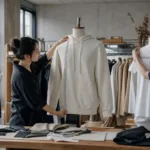






A strong first collection should look intentional, not like a group of unrelated garments. In private label clothing collection planning, the goal is to make every style feel connected through product choice, color, fit, fabric, trims, and presentation so customers can recognize the brand immediately and buyers can scale the range more confidently.
If you are preparing a launch and need to review private label apparel development options, it helps to connect brand direction with practical manufacturing decisions early. We support this process through fabric selection, fit refinement, logo application planning, private label trims, sampling, and bulk production coordination so the collection stays visually consistent instead of becoming fragmented during development.
What a cohesive private label clothing collection looks like in practice
A cohesive collection looks like one brand made every piece on purpose. The products share a clear visual language, even when the silhouettes are different.
In practice, that usually means the collection has a controlled color palette, related fabric logic, compatible fit blocks, repeatable branding details, and packaging that matches the same market position. A hoodie, T-shirt, polo, and jogger should not feel like they came from four different suppliers unless that is a deliberate brand concept.
From our manufacturing perspective, cohesion also shows up in technical details. Neck shapes, stitching appearance, label placement, logo size, wash effects, and hand feel all influence whether the line feels premium, sporty, minimalist, team-oriented, or casual.
Key takeaway: Collection cohesion is not only about design taste. It is built through repeatable product development decisions that stay aligned from first sample to final packing.
Why private label clothing collection planning should start before product selection
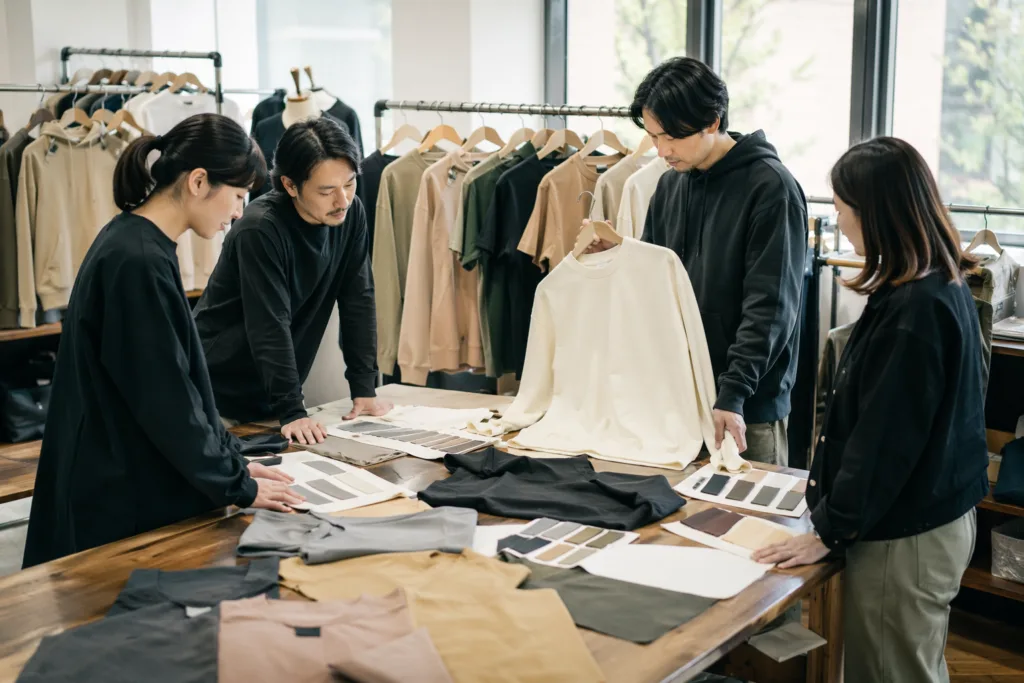
Many new brands choose styles first and define the brand later. That order usually creates inconsistency. Better private label clothing collection planning starts with the identity of the line, then narrows product choices to what supports that identity.
Before selecting SKUs, decide what the customer should feel when they see the collection. Is the brand clean and elevated, sporty and technical, relaxed and oversized, golf-focused and polished, or teamwear-oriented and functional? This decision affects nearly every manufacturing variable that follows.
We often advise buyers to document their direction in one short development sheet that includes target customer, price position, core silhouettes, preferred hand feel, logo style, and expected packaging level. That simple document helps suppliers, pattern makers, and merchandisers evaluate whether each style belongs in the same line.
For teams that are still early in the process, this article on planning a first clothing collection with consistent style direction can help clarify how to turn a broad brand idea into a workable range.
How to define the brand direction before selecting products
The fastest way to build a more unified collection is to define a few boundaries. Brands that try to serve too many moods in one launch usually end up with mixed fabrics, inconsistent fits, and confused positioning.
Set these collection rules first
- Choose one core customer type and use scenario.
- Decide the price band the collection must fit into.
- Select one dominant silhouette direction such as slim, regular, relaxed, or oversized.
- Choose one branding tone such as understated embroidery, bold graphics, or premium minimal labeling.
- Define the performance level needed for the fabrics.
These rules make later decisions easier. If a brand is positioned as clean premium athleisure, heavy distress washing, shiny transfer logos, and mixed novelty trims may work against the collection even if they look appealing on individual pieces.
How to choose a focused product range for the first launch
Most first collections become stronger when the product range is smaller. A narrow range gives you more control over fit, fabric, and consistency while also reducing development and inventory risk.
We usually see better launch results when a brand starts with one to three hero categories and a few supporting styles. For example, a line might focus on heavyweight T-shirts, hoodies, and joggers rather than adding jackets, shorts, tanks, and accessories all at once.
| Launch approach | Strengths | Main risks |
|---|---|---|
| Focused first collection | Clear identity, easier sampling, more consistent fabric and fit decisions | Smaller assortment |
| Wide first collection | More visual variety, more selling options | Higher MOQ pressure, scattered brand look, more sample revisions |
If budget or MOQ is tight, it is often smarter to reduce colorways and style count first, not quality standards. This guide on keeping SKU, color, and size choices manageable in an early launch is especially useful when planning a small but polished opening range.
How to build a consistent color system across the collection
Color is one of the fastest signals of brand consistency. If every style uses unrelated shades, the line can look messy even when the garments are well made.
A practical first collection usually needs one core palette, one or two accent colors, and clear rules for where each color appears. For example, black, off-white, and deep navy may be the core tones, while forest green is only used for seasonal accents or logo contrast.
What buyers should standardize
- Main body colors across core styles
- Logo colors and placement rules
- Rib, drawcord, zipper, and lining color relationships
- Wash or dye treatment expectations
- Color approval method for lab dips and bulk fabric
Color consistency is not only about appearance in the showroom. It also depends on wash durability and shade stability. When a collection relies on matching tones across multiple garments, swatch approval and color fastness testing for apparel become important reference points during development.
From our production view, color risk increases when brands mix fabric compositions without planning for how each fabric takes dye. Cotton jersey, brushed fleece, and polyester-rich performance fabrics may not reproduce the same shade exactly. This does not mean they cannot belong in one collection, but the color system should allow for controlled variation rather than demanding unrealistic perfect matches.
How to align fit and silhouette so every style feels like one brand
Fit consistency is where many collections lose cohesion. One oversized hoodie, one slim polo, and one standard T-shirt can each look fine separately but still create a disconnected overall brand impression.
The answer is to create a fit language. Decide whether the collection should feel trim, boxy, relaxed, structured, athletic, or draped, then keep that direction visible across categories.
What to standardize in fit development
- Base size and target customer body type
- Shoulder width and body ease philosophy
- Body length and sleeve proportion logic
- Neck opening and collar balance
- Grading method between sizes
Clear sizing is not guesswork. It should be based on defined measurement methods and target body data. For brands building size specs across several related styles, guidance on apparel sizing and fit consistency reinforces why one fit model and one grading strategy help a collection stay coherent.
At Ninghow, we often recommend starting with one or two fit blocks for the whole first line. A brand may use a regular unisex block for tees and hoodies, then adjust details for each style instead of creating completely different fit logic for every garment. That approach saves sample rounds and gives customers a more predictable buying experience.
How to select fabrics with a shared texture, weight, and performance logic
Fabric is one of the biggest reasons a collection feels unified or scattered. You do not need every style to use the same fabric, but the materials should feel related in weight, texture, and end use.
For example, if the collection is meant to feel premium and structured, it may make sense to use heavyweight cotton jersey, dense brushed fleece, and stable rib qualities. If the line is built around technical activewear, moisture management, stretch recovery, and lighter performance knits should guide the range instead.
| Brand direction | Fabric logic | Typical result |
|---|---|---|
| Premium basics | Combed cotton, heavyweight jersey, smooth surface, stable rib | Clean shape and elevated hand feel |
| Sport performance | Polyester blends, elastane, breathable knits, lighter GSM | Functional comfort and movement |
| Streetwear casual | Heavy fleece, washed cotton, textured jersey, oversized drape | Relaxed visual identity |
| Golf or smart athleisure | Pique, interlock, stretch woven, refined finishing | Polished but wearable look |
When we review fabric options with buyers, we look at more than composition. GSM, surface appearance, drape, stretch, shrinkage behavior, and finishing all affect whether the garments feel like part of the same brand family.
Key takeaway: Shared fabric logic matters more than using identical materials everywhere. Customers notice whether the collection feels consistently soft, structured, technical, or casual.
How to keep trims, labels, hangtags, and packaging visually consistent
Small components have a large effect on brand perception. A well-developed garment can still look unfinished if the neck label, size label, hangtag, polybag sticker, and carton markings all follow different styles.
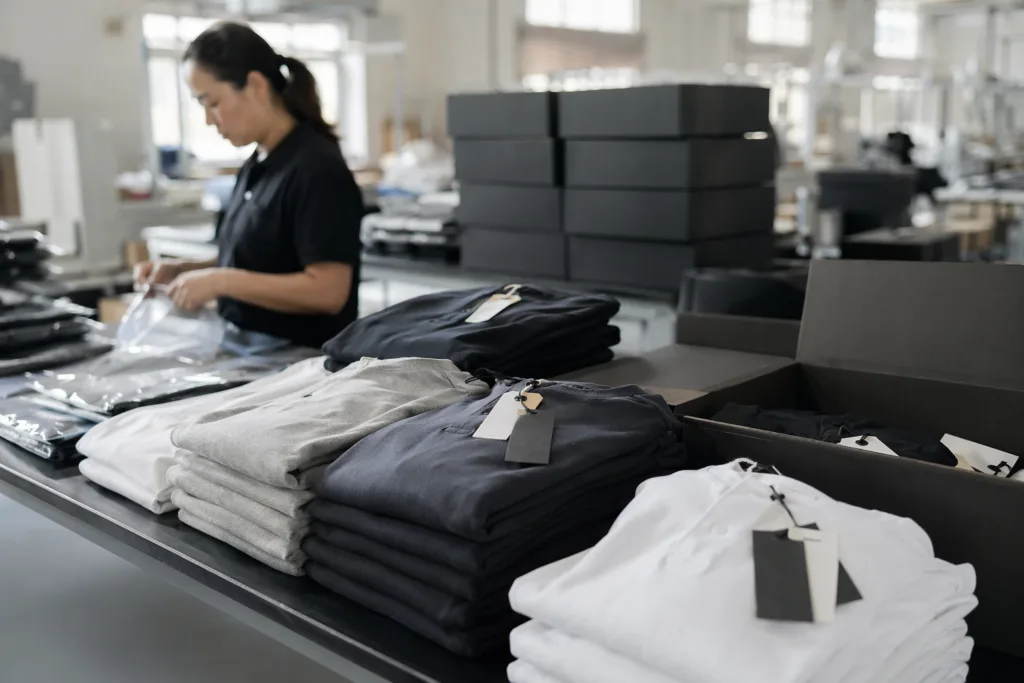
For private label collections, we recommend finalizing a trim system early. This includes main label design, care label format, size notation, hangtag stock and string choice, barcode method, folding standard, and packaging presentation.
- Use one label hierarchy across all styles.
- Keep typography, logo spacing, and color usage consistent.
- Match packaging quality to the intended retail position.
- Confirm legal and care information before bulk production.
- Set one folding and packing standard for all core styles.
If your trim plan is still incomplete, it helps to review a private label pre-order checklist for labels, hangtags, and packaging before samples move into bulk approvals.
Why one clear customization approach usually works better than many
Collections often become visually noisy when too many logo methods are used at once. Embroidery on one piece, oversized puff print on another, metallic transfer on a third, and woven patch branding on a fourth can make the range feel unplanned.
The better approach is to choose one primary branding method and one supporting method. For example, the core line may use tonal embroidery, while limited accent styles use screen print. Or the line may rely on clean chest print graphics and reserve woven labels for hem branding only.
Compare common branding methods
| Method | Best for | Collection effect |
|---|---|---|
| Embroidery | Premium basics, polos, caps, fleece | Refined and durable |
| Screen printing | T-shirts, hoodies, graphic capsules | Flexible and cost-efficient |
| Heat transfer | Sportswear, technical garments, small runs | Clean detail and sharp edges |
| Woven patch or badge | Outerwear, teamwear, heritage looks | Structured and branded |
From a manufacturing angle, customization consistency also helps production planning. One clear logo system makes approvals faster, improves repeatability, and reduces the risk of mixed branding quality between styles.
How to balance hero styles and supporting styles in one line
A collection should not treat every piece as the star. Hero styles create identity, while supporting styles make the line wearable, layered, and commercially practical.
Hero styles usually carry the strongest design signal. That might be a heavyweight hoodie, a signature polo, or a premium oversized T-shirt. Supporting styles should reinforce the same brand direction without competing too hard for attention.
- Choose 1 to 3 hero products that define the brand visually.
- Add supporting items that share color and fabric logic.
- Avoid introducing a new silhouette idea in every style.
- Make sure the collection can be worn together as outfits.
This outfit logic matters. If customers can pair the tops, bottoms, and layers naturally, the collection feels more developed and easier to merchandise.
How sampling should be used to check collection consistency before bulk production
Sampling is the stage where cohesion becomes measurable. A collection can look aligned on a mood board but still fall apart when real garments reveal fit differences, fabric mismatch, trim imbalance, or unexpected logo scale.
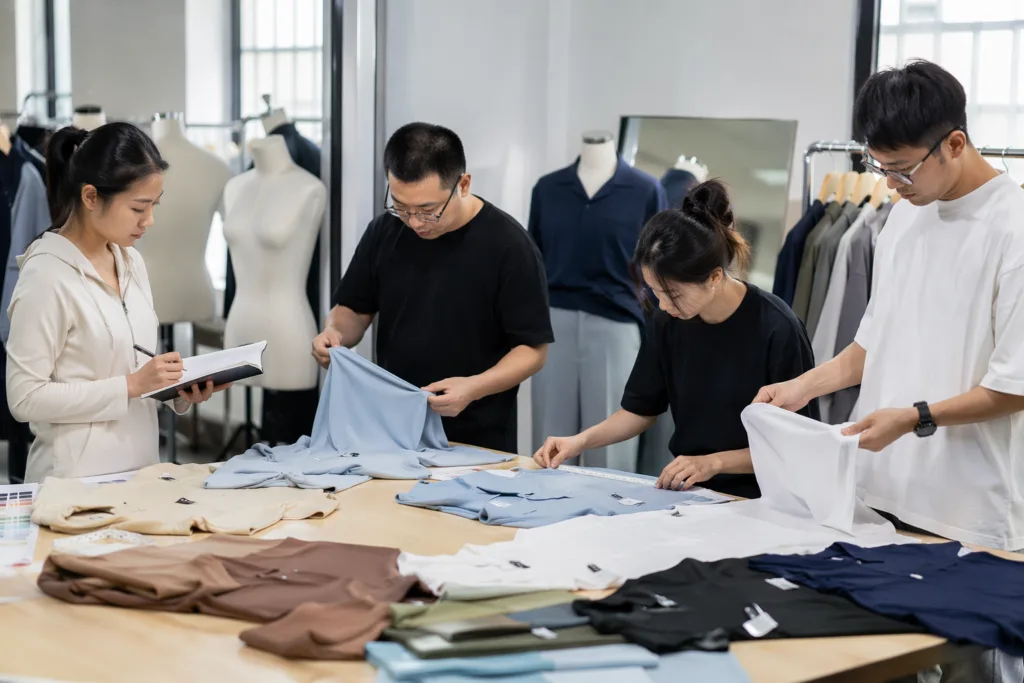
We recommend reviewing all pre-production samples together, not one by one. Lay the collection out side by side and assess color harmony, logo placement, fabric weight relationship, neck shape, stitch appearance, label consistency, and packaging presentation as one system.
For teams that need a structured development process, our sampling support to confirm fit, finish, and collection consistency can help turn individual style approvals into a more coordinated collection review.
Sample review checklist
- Do all styles fit the same target customer?
- Do the colors work together under the same light?
- Do logos look proportionate across garment sizes and categories?
- Do labels and packaging follow one visual system?
- Do fabrics feel related in weight, touch, and performance?
- Do the styles merchandise together as a line?
Key takeaway: Sample approval should test the collection as a group. Approving styles separately is one of the easiest ways to miss inconsistency before bulk production.
What MOQ, lead time, and production planning mean for a first collection
Collection cohesion is easier when the production plan is realistic. Too many fabrics, too many trims, or too many colorways can push MOQ and lead time in the wrong direction and force substitutions that weaken the line.
MOQ usually depends on fabric sourcing, dyeing method, customization type, and trim development. A collection built around shared fabrics and repeatable branding details often has a better chance of staying within practical minimums than a range where every style requires unique materials.
| Planning choice | Impact on MOQ and lead time | Effect on cohesion |
|---|---|---|
| Shared fabrics across styles | Usually improves efficiency | Stronger |
| Many custom trims | Can increase development time | Can help if controlled |
| Too many colorways | Raises complexity and approval work | Often weaker |
| One main branding method | Simpler bulk execution | Stronger |
In our apparel production work, we encourage buyers to lock the collection architecture early: style count, size range, color count, trim list, artwork approvals, and packaging rules. That prevents late-stage changes that create mismatched production results.
Common mistakes that make private label collections look messy
The most common problem is trying to express too many ideas in one launch. A brand may want minimal basics, bold streetwear graphics, washed vintage fleece, and polished golf polos all at once. Unless the concept is highly curated, that mix usually confuses the visual identity.
- Using unrelated fabric qualities across core styles
- Changing fit logic from product to product
- Adding too many logo methods without a system
- Mixing color palettes that do not support each other
- Approving trims and packaging too late
- Expanding the SKU count before sampling is stable
- Using different suppliers without one technical standard
Another common issue is treating cost reduction as a separate decision from brand consistency. Replacing fabric, labels, or print methods late in development may reduce cost on paper but create visible inconsistency in the finished collection.
A simple checklist for reviewing collection consistency before launch
Before confirming bulk production, buyers should complete one final collection review. This should be practical, not theoretical.
- Each style clearly fits the same brand direction.
- The range has a controlled and repeatable color system.
- Fit blocks and grading follow one clear logic.
- Fabric hand feel and GSM support the same market position.
- Labels, hangtags, packaging, and folding standards are aligned.
- Customization methods are limited and deliberate.
- MOQ and lead time are realistic for the chosen assortment.
- Sample comments have been updated into final specs.
- All artwork, size charts, and placement measurements are approved.
- The collection looks intentional when displayed together.
When to work with a clothing manufacturer for collection development support
The best time to involve a manufacturer is before the collection becomes too complex. Early development support helps identify where the line can share fabrics, which silhouettes can use related patterns, and how to simplify trims without losing brand identity.
We usually add the most value when buyers already know their target market but need help translating that into materials, fit blocks, sample sequencing, print or embroidery planning, and bulk production readiness. That is especially useful for startups and growing brands that have a strong visual concept but limited internal technical resources.
A manufacturer can also help decide when a customization idea is realistic, when a low MOQ approach can work, and when collection edits will improve both cost control and consistency. That guidance is often more valuable than adding more styles.
Conclusion: Build a collection that looks intentional, scalable, and brand-ready
The most effective private label clothing collection planning creates consistency before production starts. When product range, color system, fit direction, fabric logic, trims, branding, and packaging all follow the same rules, the finished collection looks more credible and becomes easier to sample, source, and scale.
For brand founders, merchandisers, and sourcing teams, the practical goal is simple: make every style support the same identity. A smaller, tighter collection with strong technical alignment will usually perform better than a broader line that looks disconnected. If the development process is handled carefully, the collection can feel intentional from first sample to final shipment.
FAQs
How many styles should a first private label clothing collection include?
A first private label clothing collection usually works best with a focused range of core styles rather than a large assortment. In many cases, 4 to 8 well-connected styles are easier to develop consistently than a wide launch with too many fabrics, fits, and trims, especially when the brand is still refining sizing, pricing, and market feedback.
Should all garments in a collection use the same fabric?
No, all garments do not need to use the same fabric, but they should follow a shared fabric logic. The key is that the materials feel related in weight, texture, performance, and brand position so the collection feels intentional rather than mixed without direction.
How do I make sizing feel consistent across different products?
You make sizing feel consistent by using a defined base size, one target customer profile, and a clear grading method across related styles. Even when products have different silhouettes, measurement philosophy should stay aligned so customers can trust the fit experience from one garment to another.
What is the biggest branding mistake in a new private label collection?
The biggest branding mistake is usually using too many visual ideas at once. Mixed logo methods, unrelated color stories, inconsistent labels, and conflicting silhouettes can make the collection look like separate projects instead of one brand, even if each item looks acceptable by itself.
When should packaging and labels be finalized?
Packaging and labels should be finalized before bulk production approvals, not after garments are already moving forward. Early trim planning helps prevent delays, avoids inconsistent brand presentation, and ensures that care labels, size labels, hangtags, folding, and bagging all match the collection standard.
Can a low MOQ collection still look premium and cohesive?
Yes, a low MOQ collection can still look premium and cohesive if the assortment is tightly edited and development choices are controlled. Using shared fabrics, a limited color palette, and one consistent branding system often gives smaller production runs a more polished result than trying to offer too many custom variations at the start.
Related Reading
- planning fabric, fit, MOQ, sampling, and production for custom apparel
- quality control practices that protect brand consistency
- custom apparel production planning for fabric, fit, and quality control
- low MOQ clothing manufacturing options for new collections
- whether private label clothing makes sense for smaller brands