

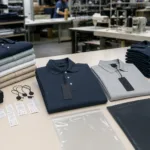
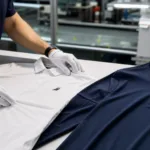


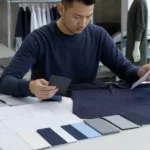


For small-batch apparel projects, fabric choice often has a bigger impact than the garment pattern itself. When buyers compare stock fabric vs custom fabric apparel options, they are really deciding how much flexibility, speed, cost control, and production risk they can accept at a low MOQ. The right answer depends on your product category, target price, color requirements, launch timeline, and whether the collection is still being tested in the market.
If your project needs low MOQ clothing production support for early collections, the fabric decision should be made before you confirm logos, labels, or packaging. For early-stage brands, clubs, schools, retailers, and small capsule programs, we typically help compare available stock materials, evaluate fit and hand feel, review branding methods, and build a sampling plan that keeps the first run practical without blocking future scale.
Why fabric choice matters even more in low MOQ apparel production
Low MOQ production gives buyers flexibility, but it also removes some of the cost advantages that come with scale. That means every fabric decision carries more weight because a small mistake in material selection can raise sampling cost, delay approval, or leave you with a garment that looks good in photos but performs poorly in wear.
From our manufacturing perspective, fabric affects five key outcomes at the same time: garment cost, fit stability, visual consistency, lead time, and reorder potential. A startup launching 150 hoodies and a golf brand testing 300 polos may both be “small batch,” but their fabric risks are very different.
Key takeaway: In low MOQ orders, fabric is not just a material choice. It is a production strategy choice that shapes your timeline, budget, and quality consistency.
What stock fabric means in apparel manufacturing
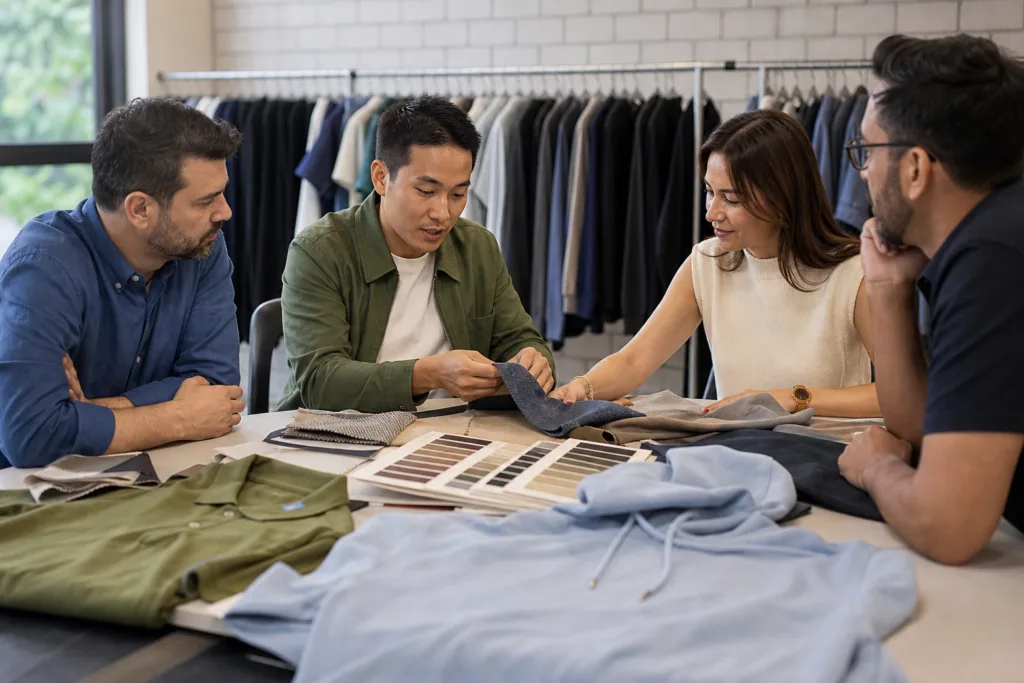
Stock fabric means the mill or supplier already has finished material available, or can supply it from a running program without developing it from scratch. In practice, this usually means the fiber blend, construction, weight, and color are already produced and ready to source in existing lots.
For low MOQ apparel, stock fabric is often the fastest path because there is no need to open a new knitting run, weaving plan, dye batch, or finishing trial. Buyers can review swatches, test hand feel, and move into patterning and sampling much faster.
Typical stock fabric examples include:
- 160 to 220 GSM cotton jersey for T-shirts
- 280 to 350 GSM fleece for hoodies and sweatshirts
- Polyester interlock or birdseye for teamwear and sports tops
- Cotton-spandex pique for polos
- Basic woven twill or nylon shell fabrics for jackets and shorts
The main limitation is that you choose from what is already available. If your brand needs a very specific shade, custom texture, special yarn composition, or proprietary hand feel, stock fabric may not match your vision closely enough.
What custom fabric means in apparel manufacturing
Custom fabric means the material is developed or modified for your order. That may involve custom knitting or weaving, a special blend ratio, a specific GSM target, a custom dye color, a unique print, or finishing treatments that change performance or hand feel.
Custom fabric does not always mean inventing something highly technical. Sometimes it simply means taking a base construction and adjusting color, width, stretch, or finishing to fit a brand brief. Even then, the project usually requires more approvals and more coordination than a stock program.
Where buyers often underestimate complexity is color approval. In custom-dyed programs, fabric color usually needs multiple checks through the lab dip process in custom fabric development, especially when the target shade is strict or the fiber blend is difficult to match consistently.
Why stock fabric is more common for low MOQ orders
Stock fabric is more common because low MOQ projects rarely carry enough volume to absorb fabric development costs efficiently. Mills and dye houses often have minimums for yarn purchase, knitting, weaving, dyeing, and finishing. Even if the cut-and-sew factory can accept a low garment MOQ, the upstream fabric chain may not.
That is why buyers should separate “garment MOQ” from “fabric MOQ.” A supplier may agree to produce 200 garments, but custom fabric could still require a much larger material commitment than the style actually needs.
For newer labels, this is where realistic MOQ planning for startup apparel brands becomes important. It helps align the product idea with sourcing reality before sampling moves too far forward.
| Factor | Stock Fabric | Custom Fabric |
|---|---|---|
| MOQ fit for small runs | Usually better | Often harder |
| Speed to sample | Faster | Slower |
| Color flexibility | Limited to available shades | High |
| Cost control | Usually easier | Higher development cost |
| Brand differentiation | Moderate | Higher potential |
| Reorder predictability | Depends on stock continuity | Better if program is maintained |
Key differences in stock fabric vs custom fabric apparel decisions
MOQ
Stock fabric usually supports lower garment quantities because the material already exists. Custom fabric often needs enough yardage to justify setup at the mill, even before cutting starts.
Cost
Stock fabric usually lowers upfront development cost. Custom fabric can improve product uniqueness, but it may require added spending on dyeing, testing, approvals, and potential overage.
Lead time
Stock fabric can shorten the path from design to sample and from approval to bulk. Custom fabric adds development stages, and buyers need stronger production timeline planning when custom fabric is involved so launch dates stay realistic.
Flexibility
Custom fabric offers more control over color, texture, performance, and positioning. Stock fabric offers less control, but it can be the smarter commercial choice when the first goal is proving demand.
When stock fabric is the smarter choice for startups and small-batch brands
Stock fabric is usually the better option when speed, lower risk, and budget discipline matter more than full material customization. For many first collections, that is exactly the right priority.
We often recommend stock fabric when the buyer is still validating fit, price point, or market response. If your sales plan depends on a fast sample cycle and a manageable first order, available materials reduce uncertainty.
- You are launching your first collection and need to preserve cash flow.
- You want to test multiple colors without opening custom dye development.
- Your style is based on a common fabric type, such as jersey, fleece, pique, or interlock.
- Your product needs simple branding rather than fabric-level innovation.
- You may reorder only after seeing real sales results.
For example, a startup streetwear hoodie, a school polo program, or a team training tee can often perform well with a carefully chosen stock fabric. The key is not to choose the cheapest roll available. The right stock program should still be evaluated for GSM tolerance, pilling risk, shrinkage, color consistency, and recovery.
When custom fabric is worth the investment despite a higher MOQ
Custom fabric is worth considering when material identity is central to the brand. If your product positioning depends on a signature color, a specific brushed hand feel, moisture management performance, or a premium drape that stock options cannot match, then custom development can create real commercial value.
In our work, custom fabric makes the most sense when the buyer has a clearer sales plan, repeat order confidence, and a product category that rewards differentiation. A golf polo collection, a performance training line, or a premium private label uniform program may justify the added work.
Typical reasons to choose custom fabric include:
- Strict brand color matching across multiple styles
- Specific fiber blends or recycled content targets
- Unique stretch, drape, or surface texture requirements
- Print or yarn-dyed concepts not available in stock
- Longer-term reordering where consistency matters more than first-run speed
When the project requires exact shade control, finish, and repeatability, we may also discuss custom fabric dyeing for brand-specific colorways as part of a broader private label plan.
How fabric type changes the decision
The stock-versus-custom decision is easier when you look at the actual fabric family. Not all materials behave the same in low MOQ production.
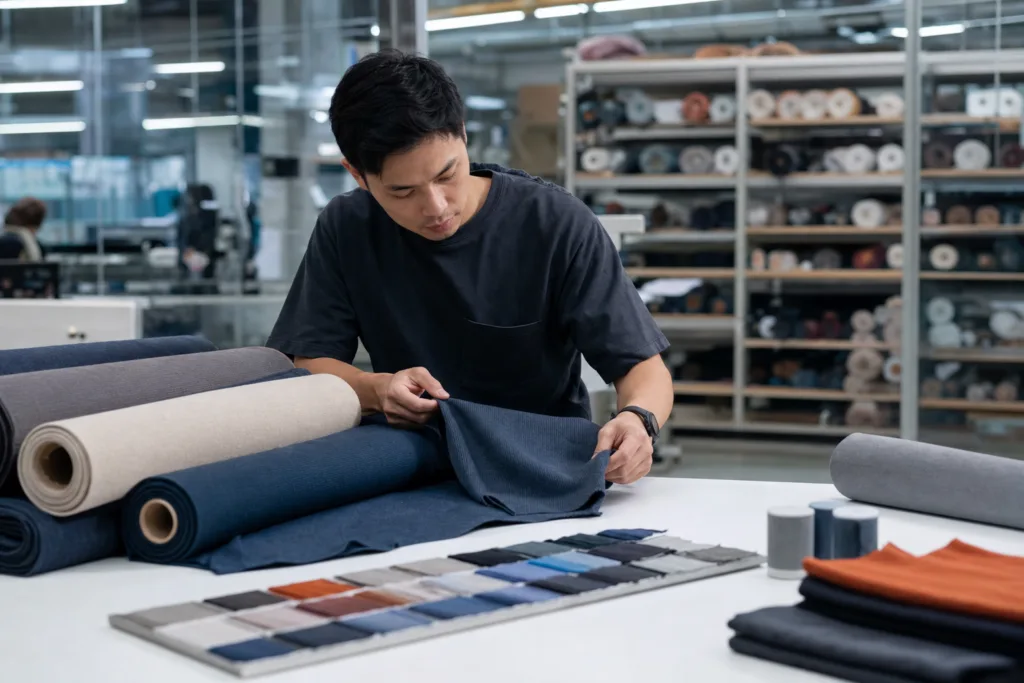
| Fabric Type | Low MOQ Stock Suitability | When Custom Is More Valuable |
|---|---|---|
| Cotton jersey | High | Custom wash, exact GSM, special blend |
| Fleece | High | Signature hand feel, brushed finish, heavy weight |
| Polyester sports knit | High | Performance finish, exact team color, sublimation base |
| Pique polo fabric | Medium to high | Precise color, premium blend, moisture control |
| Woven twill or poplin | Medium | Uniform consistency, yarn-dye, functional finish |
| Technical stretch woven | Lower | Often chosen for performance specs |
Knits are often easier for small-batch programs because many common constructions are available from stock sources. Wovens can become more complex when the project requires custom pattern effects, stripe alignment, or strict structure.
What buyers often overlook: dye lot variation, hand feel, shrinkage, and consistency
Many low MOQ problems begin after the buyer has approved a swatch based only on color and touch. That is not enough. Fabric performance in production depends on how it behaves after cutting, sewing, washing, pressing, and packing.
Dye lot variation is one of the biggest hidden issues in small runs. If the supplier needs to top up missing yardage from another lot, the shade may look close under one light and noticeably different under another. This matters even more for coordinated sets, teamwear, or programs with repeat orders.
Hand feel also needs clearer definition. “Soft” can mean brushed, compact, washed, peach-finish, or simply lighter weight. Buyers should describe the target experience in practical terms: smooth or dry hand, firm or fluid drape, crisp or relaxed body, natural or technical look.
Shrinkage is another critical checkpoint because it directly affects fit consistency. Fabric construction, finishing, and care behavior all influence the final result, which is why we evaluate shrinkage and fabric construction before size approval rather than after bulk cutting begins.
Key takeaway: A fabric can look acceptable in swatch form and still create bulk production issues if shrinkage, recovery, skew, or lot consistency are not checked early.
How to evaluate fabric options using GSM, construction, stretch, drape, and durability
Buyers do not need to be textile engineers, but they do need a clear evaluation framework. In low MOQ production, simple technical discipline prevents expensive guesswork.
- GSM: Confirms weight and influences opacity, structure, warmth, and cost.
- Construction: Jersey, interlock, pique, fleece, twill, and poplin all affect appearance and behavior.
- Stretch and recovery: Important for activewear, fitted garments, and cuff or collar performance.
- Drape: Affects silhouette, especially in dresses, wide-leg pants, or relaxed tops.
- Durability: Consider abrasion, pilling, seam stability, and wash performance.
At Ninghow, we usually review fabric not only by its lab description but also by how it supports the intended garment. The same 220 GSM knit can feel premium in one T-shirt pattern and too heavy in another, depending on fit, neckline structure, and finishing.
Sampling strategy for low MOQ projects
The best sampling strategy is staged. Do not move directly from idea to full bulk approval when fabric choice is still open. A structured process helps buyers compare stock and custom routes without wasting time.
We recommend using the apparel sampling process for checking fabric performance to review more than just appearance. Buyers should compare swatches, prototype fit, wash behavior, color approval, and logo application before finalizing production material.
- Start with fabric swatches to narrow weight, composition, and hand feel.
- Use test yardage when the fabric response is uncertain.
- For custom dye colors, approve lab dips before bulk dyeing.
- For custom woven developments, confirm strike-offs or prototype material where needed.
- Wash test the sample if the garment will be laundered after purchase.
For compliance-sensitive markets, the material choice should also be reviewed against labeling and downstream product requirements. Buyers selling into the U.S. market can use this reference on U.S. apparel textile compliance requirements to understand why fiber content, care information, and other approval steps should not be left until after bulk decisions are made.
Common mistakes when choosing fabric for small-batch production
The most common mistake is treating stock fabric as automatically safe and custom fabric as automatically premium. Either choice can work well or poorly depending on the product and planning.
- Choosing by color alone without checking GSM tolerance and shrinkage
- Assuming available stock can always be replenished later in the same lot
- Requesting custom fabric for a first launch without volume support
- Ignoring how printing, embroidery, or washing affects the fabric face
- Approving fit before the final production fabric is confirmed
- Underestimating the time needed for color approvals and sample iteration
Another mistake is trying to force a premium retail concept into a budget-first material plan. If the brand promise depends on feel, drape, and repeatability, the fabric strategy needs to support that from the beginning.
A simple decision framework for small-batch clothing orders
If you are unsure which route to choose, use this simple logic.
| Your Situation | Better Starting Option | Why |
|---|---|---|
| First launch, limited budget | Stock fabric | Lower risk and faster approval |
| Trend test or capsule drop | Stock fabric | Speed matters more than fabric uniqueness |
| Uniform or team reorder program | Depends | Custom may help long-term consistency |
| Premium brand with signature material direction | Custom fabric | Material identity supports positioning |
| Strict brand color standards | Custom fabric | Better control over repeat shade matching |
| Uncertain demand but clear style concept | Stock first, custom later | Validate sales before scaling development |
In many cases, the smartest route is phased development. Start with a well-selected stock fabric to test market response, then move to a custom program once the style proves itself.
How to reduce risk before approving bulk production
Risk reduction starts with documentation. Buyers should provide a clear tech pack, size chart, branding files, wash expectations, and packaging requirements before final sample approval. When the project is private label, neck labels, care labels, hangtags, and polybag requirements should also be confirmed early.
We also recommend these checkpoints before bulk cutting:
- Confirm final fabric code, color, and lot information
- Approve size set or key measurement review
- Check logo placement on the actual garment fabric
- Review shrinkage, hand feel, and pressing response
- Clarify tolerance standards for color and measurement
- Align the bulk plan with realistic replenishment expectations
Whether the project uses stock or custom fabric, strong communication is what protects quality. The more precise the buyer is about use case, expected feel, target customer, and reorder plan, the better we can guide the material decision.
Conclusion: choose the option that fits your current business stage
There is no universal winner in stock fabric vs custom fabric apparel planning. Stock fabric is usually the practical choice for faster, lower-risk low MOQ production. Custom fabric becomes more valuable when color accuracy, fabric identity, performance, and long-term repeatability justify the extra time and cost.
For most small-batch buyers, the best decision comes from matching fabric strategy to business stage. If the collection is still proving itself, stock fabric often protects cash flow and speed. If the product already has market traction and needs a stronger material story, custom fabric may be the right next step.
At Ninghow, we help buyers compare these paths through sampling, fabric review, customization planning, and bulk production preparation so the material choice supports both the garment and the business case behind it.
FAQs
Can low MOQ orders use custom fabric?
Yes, low MOQ orders can use custom fabric, but it is only practical when the fabric mill or dye house minimums still make commercial sense for the project. Buyers should check fabric minimums separately from garment minimums, because a factory may accept a small cut-and-sew order even when the custom material requirement is much higher.
Is stock fabric always cheaper than custom fabric?
No, stock fabric is not always cheaper in every situation, but it is usually cheaper for first runs because it avoids many development costs. Custom fabric may become more efficient later if the style repeats in volume and the brand gains value from exact color, finish, or performance control.
How much extra lead time does custom fabric usually add?
Custom fabric usually adds extra lead time because color approval, material development, testing, and mill scheduling all happen before bulk garment production starts. The exact delay depends on the fabric type and approval complexity, but buyers should expect a longer timeline than a comparable stock fabric order.
What should I ask a supplier before choosing stock fabric?
You should ask about available colors, lot continuity, GSM tolerance, shrinkage, hand feel consistency, test results if available, and whether the same fabric can be reordered later. It is also important to ask how the material performs with your planned decoration method, such as screen printing, embroidery, or washing.
Do I need lab dips or strike-offs for every small order?
No, you do not need lab dips or strike-offs for every small order, because stock fabrics often do not require them. They are most relevant when the project involves custom dyeing, special woven development, or strict color and pattern approval before bulk fabric production.
How can I reduce risk before approving bulk production?
You can reduce risk by approving the actual production fabric, not just a similar swatch, and by checking size measurements, color, logo application, shrinkage, and packaging details before cutting starts. A clear tech pack, a structured sample approval process, and written confirmation of bulk standards are the most effective safeguards for small-batch orders.