

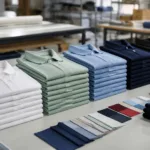
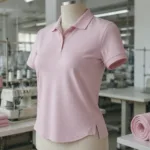
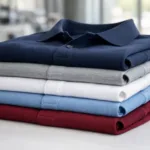




Business Casual Polos: What Makes a Polo Look More Professional? is usually decided by the small details buyers notice first: the collar shape, fabric finish, fit balance, placket length, sleeve proportion, and color choice. When we develop polo programs for brands and corporate clients, the goal is rarely to make the shirt look flashy. It is to make the polo feel clean, structured, and dependable enough for offices, client visits, and team uniforms without looking too sporty.
For readers comparing manufacturing options may also want to review polo shirt manufacturer because the way a factory handles collar construction, fabric selection, and finishing often decides whether a business casual polo looks polished or ordinary. For sourcing teams, that page gives a more focused view of how a manufacturer approaches this category from production to customization.
In our experience at Ninghow, the most professional-looking polo shirts are not the thickest or the most expensive. They are the ones with controlled structure, stable stitching, and a fabric surface that holds its shape after repeated washing. That is the real difference between a polo that works in a business casual setting and one that still feels too much like gymwear.
What Top Search Results Show About Business Casual Polo Intent
Before shaping the outline, we simulated search intent around business casual polo, corporate polo shirts, office polo shirts, work polos, and professional polos. The first-page results generally lean toward buyer guidance, product pages, and uniform-focused articles. That means readers want practical buying advice, not fashion theory.
| Search Signal | Observed Pattern |
|---|---|
| Dominant content types | Brand landing pages, uniform guides, product category pages, and comparison articles |
| Common formats | Short buying guides, FAQ blocks, size charts, fabric summaries, and some comparison tables |
| Observed angles | Beginner-friendly, buyer-intent, uniform-focused, and product-selection oriented |
That SERP pattern suggests one clear thing: a strong article should go beyond style tips and explain what factories actually control in production. That is where buyers make better decisions.
How Search Results Shape the Right Angle for Business Casual Polos
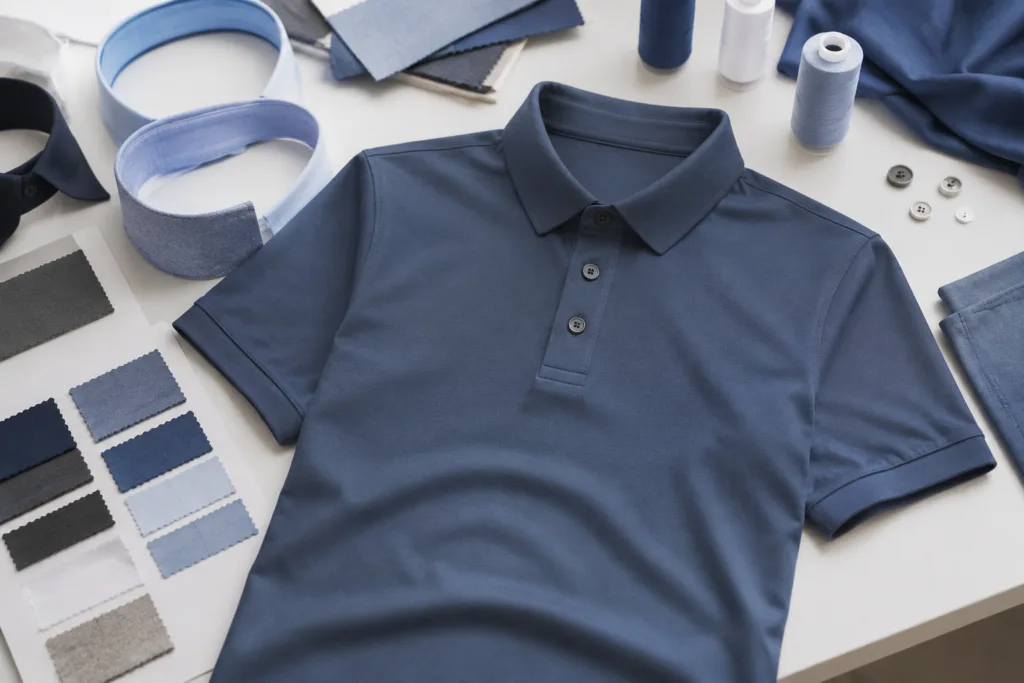
Most top pages do not go deep into construction details. They talk about comfort, branding, and workplace use, but they often skip the real reasons a polo looks more professional. For that reason, this article takes a more useful angle: it explains the design and production factors that make a business casual polo look sharper, cleaner, and more consistent in bulk orders.
This is also why many brands compare choosing a polo manufacturer carefully before sampling. If the factory does not control collar stability, shrinkage, and finishing quality, even a good design can look sloppy on delivery.
Business Casual Polos: What Makes a Polo Look More Professional?
A professional polo is not defined by one feature. It is the combined effect of several details working together. A collar that stands up well, a fabric that looks smooth, and a fit that follows the body without clinging all help the shirt read as business casual instead of athletic.
In product development, we usually ask one question: would this shirt still look neat after a long workday? If the answer is yes, the design is probably on the right path.
Collar stiffness and collar shape
The collar is the first thing people notice. A professional polo needs a collar that keeps its form, sits flat, and does not curl after washing. Soft collars may feel relaxed, but they often look too casual for office settings. A slightly firmer collar, with stable interfacing and clean stitching, gives the shirt more authority.
For many brands, this is the single biggest difference between ordinary polos and professional polos. The collar should frame the neckline neatly, not collapse into a sporty shape.
Fabric surface and visual finish
The surface of the fabric matters just as much as the structure. A smooth pique, a fine knit, or a compact jersey with a clean surface often looks more refined than a rough, highly textured, or shiny sports fabric. Business casual polos should look quiet and controlled.
When fabric is too glossy, too mesh-like, or too thin, it often pushes the shirt toward athletic wear. A matte or low-sheen finish usually feels more appropriate for office polo shirts and corporate polo shirts.
Fit balance and shoulder proportion
The best fit is balanced, not tight. A professional polo should follow the body without pulling across the chest or sleeves. Shoulder seams should sit in the right place, and the shirt should hang cleanly from the upper body.
Too loose, and the shirt looks careless. Too slim, and it can feel like gymwear. The middle ground is what makes business casual polos work in real workplaces.
Placket length and front opening
The placket is small, but it changes the look a lot. A slightly shorter, controlled placket usually gives a neater and more business-ready appearance. Very long plackets can look sporty or casual, especially when combined with contrast buttons or bright trims.
For office polo shirts, a modest opening helps the neckline stay tidy. It also makes layering under jackets or sweaters easier.
Sleeve length and sleeve opening
Sleeve proportion is one of the easiest ways to make a polo look more professional. Sleeves that are too short can read as athletic. Sleeves that are too long can feel sloppy. The ideal sleeve usually lands around the mid-bicep area, with a clean opening that does not flare.
A more controlled sleeve shape creates a sharper outline. That small adjustment can change the whole impression of the shirt.
Color logic for business casual wear
Color choice should support the setting. Navy, black, charcoal, white, heather gray, and muted earth tones often work well because they feel stable and easy to pair. Bright neon tones, high-contrast panels, and bold sporty color blocking usually push the shirt away from business casual.
When brands develop professional polos, they often choose colors that match uniforms, office dress rules, or seasonal collections without looking loud.
Why Fabric Choice Changes the Business Casual Look
Fabric is not only about comfort. It changes how the shirt hangs, how it ages, and how polished it appears from a distance. The same polo pattern can look very different in two fabrics.
As Ninghow often sees in sampling, a fabric with better recovery and cleaner surface texture usually helps the shirt hold its shape after repeated wear. That matters because corporate buyers want consistency, not just a good first impression.
Common fabric directions for professional polos
- Cotton pique for a classic, stable look
- Combed cotton for a smoother, cleaner surface
- Cotton-poly blends for easier care and shape retention
- Performance blends when moisture control is needed, but with restrained styling
Each fabric choice has trade-offs. Pure cotton feels natural and breathable, but may wrinkle more. Blends can improve durability and reduce shrinkage, which is useful for uniform programs.
When a sporty fabric works, and when it does not
Performance fabrics can still work for business casual polos if the surface is refined and the silhouette is restrained. The problem starts when the fabric looks shiny, overly technical, or too thin. That can be fine for field teams or active roles, but not ideal for client-facing office wear.
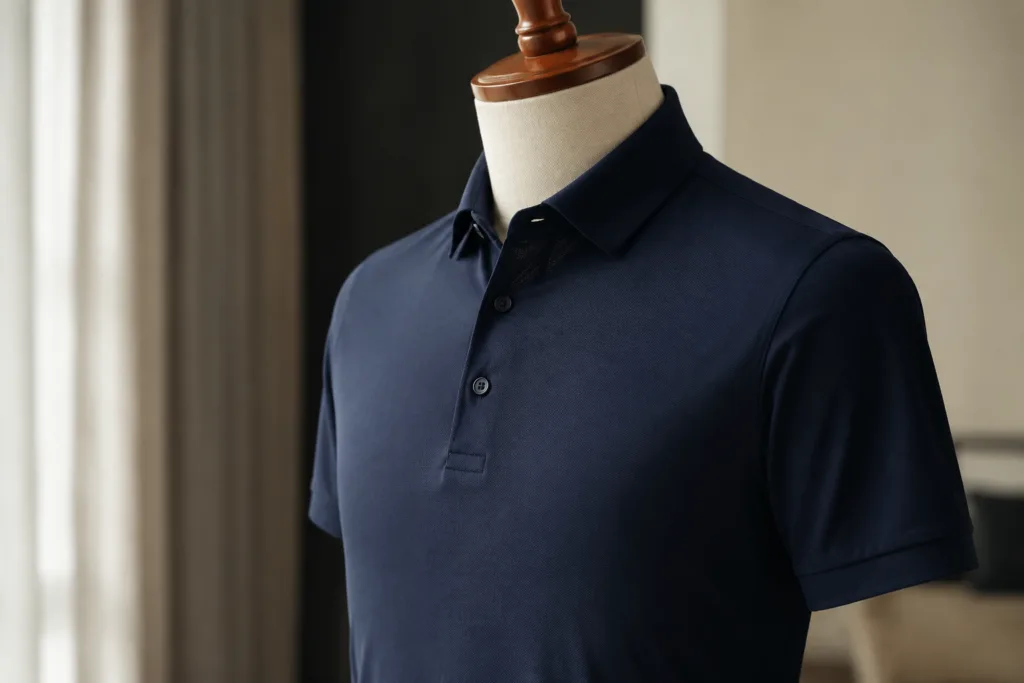
That is why some teams compare polo shirts for uniform programs before choosing a final direction. The right fabric must match the job function, not just the style preference.
Construction Details That Make a Polo Look Sharper
Construction is where professional appearance becomes repeatable. A well-made polo should stay neat through wear, washing, folding, and packing. That takes more than a nice sketch.
Stitching quality and seam control
Clean stitching helps the polo look more expensive and more reliable. Uneven seams, skipped stitches, loose threads, and twisting side seams all weaken the appearance. Buyers often notice these issues after the first wash cycle, which is why factory QC matters so much.
Hem shape and bottom opening
A straight, well-balanced hem gives the shirt a more formal feel. Side vents should be neat and proportional. If the hem twists or waves, the shirt starts looking casual very quickly.
Button choice and trim discipline
Buttons should stay understated. Loud contrast buttons or decorative trims can be useful for some brand stories, but they often make the shirt feel less professional. For most business casual polos, restraint wins.
Business Casual Polos vs Sporty Polos
| Feature | Business Casual Polo | Sporty Polo |
|---|---|---|
| Collar | Structured, stable, clean | Soft, flexible, athletic |
| Fabric surface | Matte or smooth | Technical, textured, or shiny |
| Fit | Balanced and tidy | Performance-driven and active |
| Placket | Short to moderate | More casual or sporty |
| Color | Muted, classic, office-friendly | Brighter, bolder, more contrast |
This comparison is useful because many buyers accidentally mix the two categories. A shirt can be comfortable and still look professional, but it needs the right design cues.
What Brands Should Decide Before Sampling
Before the first sample is cut, the buyer should already know the target use case. Is the polo for office staff, sales teams, field supervisors, or mixed use across departments? That answer changes the right fabric, fit, and color.
- Decide whether the polo must look formal or relaxed
- Choose the collar structure early
- Confirm the preferred fit range
- Set the color family before lab dips
- Define wash and shrinkage targets
- Agree on logo placement and size
When brands are clear at this stage, the sampling process moves faster and produces fewer revisions. That is one of the simplest ways to protect lead time.
Why Fit and Proportion Matter in Corporate Polo Shirts
Corporate polo shirts must work across different body types, often in large size runs. That makes proportion even more important. A good business casual polo should look neat on the medium size and still scale properly into larger and smaller sizes.
The shoulder, chest, sleeve, and body length all need to stay visually balanced. If the shirt becomes boxy in larger sizes or too short in smaller ones, the overall look suffers. This is a common development issue and one reason pattern approval matters so much.
Business Casual Polos for Employees, Teams, and Client-Facing Staff
Different work settings need slightly different polo priorities. A desk-based team may want a smoother, cleaner look. A field service team may need more durability. Client-facing staff may need the most polished appearance of all.
That is why businesses often look at polo shirts for employees as part of the larger uniform plan. The shirt has to support the role, the environment, and the brand image at the same time.
- Office teams usually need a cleaner, less sporty finish
- Retail teams may need stronger branding and easy care
- Service teams often need durable fabric and stable shape
- Field teams may benefit from performance blends with a restrained look
How Ninghow Approaches Professional Polo Development
In factory development, the best results usually come from small, disciplined choices. At Ninghow, we look closely at fabric handfeel, collar support, seam consistency, and how the garment behaves after washing. Those details are what buyers feel in the final product, even if they never see the pattern room or the production line.
We have found that a professional polo rarely needs dramatic design changes. It needs better control. That includes a stable collar, a smooth fabric face, a balanced silhouette, and reliable finishing. When all four work together, the polo reads as business casual without trying too hard.
Common Mistakes That Make a Polo Look Less Professional
Many polos miss the mark because one or two details work against the whole design. These mistakes are easy to avoid once you know what to watch for.
- Collars that curl or collapse after washing
- Fabric that looks shiny or too athletic
- Overly tight or overly boxy fit
- Long, distracting plackets
- Short sleeves that feel sporty
- Bright trims that reduce the business casual feel
- Poor color matching across sizes or batches
These issues may seem minor on paper, but they can change how employees and customers perceive the brand.
Quick Checklist for a More Professional Polo
- Structured collar with good shape retention
- Clean, matte, or low-sheen fabric surface
- Balanced body fit, not too slim or boxy
- Controlled sleeve length and opening
- Moderate placket length
- Muted, workplace-friendly color palette
- Stable stitching and consistent finishing
If a polo checks most of these boxes, it will usually read as more professional in a business casual setting.
Conclusion
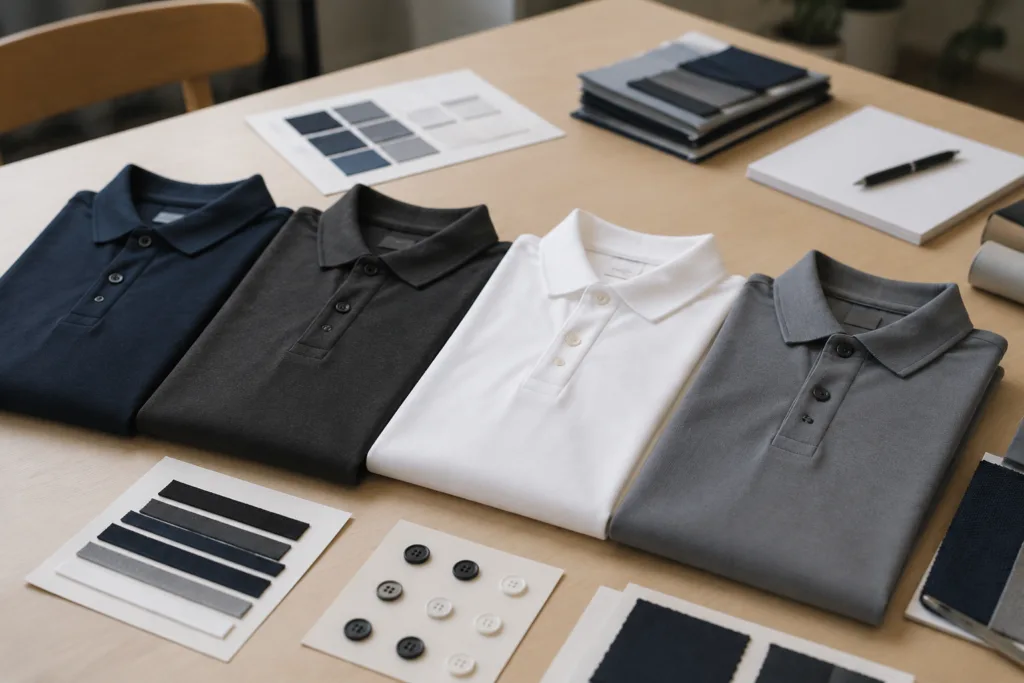
The answer to what makes a polo look more professional is usually simple: control the details that people notice first. A good business casual polo combines collar structure, fabric quality, balanced fit, smart placket length, proper sleeve proportion, and calm color choices. None of those elements works alone, but together they create a shirt that feels polished, dependable, and workplace-ready.
For brands and sourcing teams, the practical takeaway is clear. Do not judge a polo by comfort alone. Judge it by how well it holds shape, how clean it looks after washing, and how naturally it fits the environment it is meant for. That is how professional polos earn their place in office and uniform programs.
Frequently Asked Questions
What makes a polo look business casual?
A business casual polo usually has a structured collar, smooth fabric, a balanced fit, and muted colors. Those details help it look neat without feeling too sporty.
Is pique fabric professional enough for office polo shirts?
Yes, if the pique is fine and clean in appearance. A rough or heavy texture can feel too casual, but a refined pique often works well for office wear.
Should corporate polo shirts be slim fit?
Not always. A slightly tailored fit is usually better than an extra-slim fit because it looks cleaner and fits more people comfortably.
What collar style looks most professional on polo shirts?
A stable collar that holds its shape and sits flat usually looks most professional. Soft collars that curl easily tend to look less formal.
Which colors work best for professional polos?
Navy, black, charcoal, white, and muted gray are common choices. These colors are easy to style and usually fit business casual dress codes well.
How do I avoid a sporty look in work polos?
Keep the design simple, avoid bright contrast trims, use a controlled placket, and choose a fabric with a smooth, low-sheen surface. Those choices help the shirt feel more office-ready.