
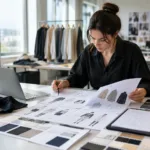
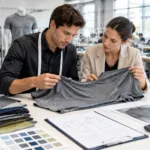
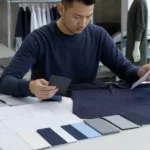
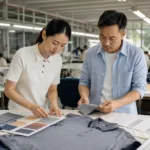
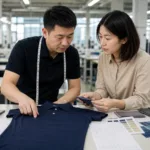
For clubs, coaches, and event organizers looking to make a cohesive impression, custom team gym apparel offers more than just visual unity—it ensures every athlete enjoys comfort, performance, and brand pride. In today’s sportswear market, the process of choosing a manufacturer and understanding your options can make or break your team’s look and long-term satisfaction.
For a more focused look at production capabilities and how factory operations cater to high-quality team sportswear, readers comparing manufacturing options may also want to explore custom gym apparel manufacturers, which provides detailed insights into custom gym clothing categories, MOQ, customization menu, and our current output for clubs and fitness brands.
Custom Team Gym Apparel: Manufacturing Options for Clubs, Coaches, and Events
What is Custom Team Gym Apparel?
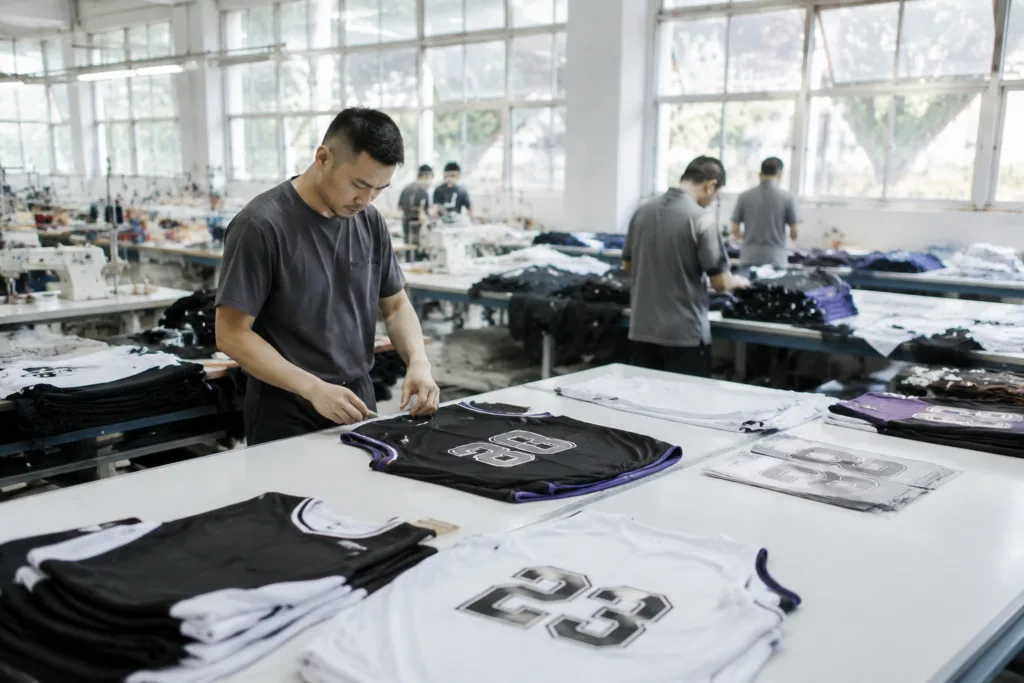
Custom team gym apparel refers to coordinated clothing sets manufactured for organized teams or training groups, where each garment is personalized to the team’s branding, color palettes, numbers, and member details. Unlike off-the-rack athleisure, these garments are engineered for activity-specific movement, sweat control, and repeated use. Clubs, schools, and youth programs often choose custom team gear to build group identity, support performance, and create a sense of pride among members.
Performance Team Apparel vs. Fashion Activewear: Core Manufacturing Differences
Performance teamwear and fashion activewear may both look sporty, but their engineering and sourcing priorities differ:
- Performance Team Apparel is optimized for moisture-wicking, abrasion resistance, robust printing, and identical color matching across all items. Key features include panel-based construction, numbering, and repeatable Pantone accuracy for each reorder.
- Fashion Activewear prioritizes trend appeal, style experimentation, and rapid product launches. Colorways may rotate each season, and fit experimentation often drives the design process.
| Feature | Team Apparel Manufacturing | Fashion Activewear |
|---|---|---|
| Numbering/Personalization | Essential; consistent placement | Rare; usually logo only |
| Color Consistency | High; Pantone matching on reorders | Varied by trend |
| Fabric Selection | Performance focus (mesh, moisture-wicking) | Knit blends, trending materials |
| Order Repeatability | Crucial; 1-2 year consistency expected | Seasonal changes normal |
Key Customization Areas for Team Gym Apparel
Organizations planning a custom line should review the following options:
- Numbering and Names: Each jersey, short, or jacket can be numbered, with individual player names heat-pressed or sublimated as needed.
- Color Consistency: Robust dyeing and digital printing techniques ensure all reorders match original shades, which is critical for team integrity over years.
- Logos and Sponsors: Most manufacturers offer screen print, sublimation, embroidery, and heat-transfer methods to cover placement and durability needs.
- Fabric Choices: Clubs may select from mesh, interlock, birdseye, or specialized blends for different positions (goalkeepers, runners, etc.).
- Pattern Adjustments: Grading templates allow fit adjustment for youth, women, and men’s sizing runs—all key for inclusive team orders.
Bulk Orders vs. Small Batches: MOQ, Personalization, and Supply Chain Stability
When producing custom gym apparel, clubs and sourcing teams should understand typical manufacturer expectations:
- Minimum Order Quantity (MOQ): 50–100 pieces per design/color is common, though this drops for repeat orders.
- Personalization Add-Ons: Names/numbers add cost and lead time, but digital processes like sublimation streamline accuracy without raising MOQ significantly.
- Reorder Flexibility: When teams add members or swap sponsors, good factories keep pattern archives and color settings for easy low-volume repeats.
Case Study: How Coaches and Event Managers Evaluate Production Options
A youth football club recently worked through a new season launch with Ninghow. Their brief prioritized repeatable fit across jerseys, shorts, and warmup jackets, plus heat-pressed player numbers and sleeve sponsor logos. We collaborated from samples through bulk to ensure all fabrics (from pinhole mesh to brushed polyester) aligned, using controlled dye lots. This type of hands-on sampling and pre-bulk approval avoids production surprises and helps brands achieve reliable restocks year after year.
From Idea to Delivery: Steps in Custom Team Apparel Manufacturing
The journey to a finished team kit follows these steps:
- Design Submission: Brands submit vector graphics, size breakdowns, and personalization lists.
- Sampling: Manufacturers provide physical or digital mockups for sign-off on fit, colors, print type, and numbering alignment.
- Bulk Production: Approved designs move to cutting, printing, sewing, and QC checks across each garment in the order.
- Packing and Logistics: Finished sets are polybagged by player/number for easy distribution at the club or event site; delivery timing is coordinated based on event calendars.
Sports Supported: Not Just Football or Soccer
The principles of custom team gym apparel apply across disciplines—including basketball, volleyball, rugby, track, and swim club outerwear. Regardless of sport, the critical factors remain: robust customization, deliverable fit standards, and accurate repeat ordering for future seasons.
Technology Upgrades: How Digital Printing and Automation Transform Teamwear
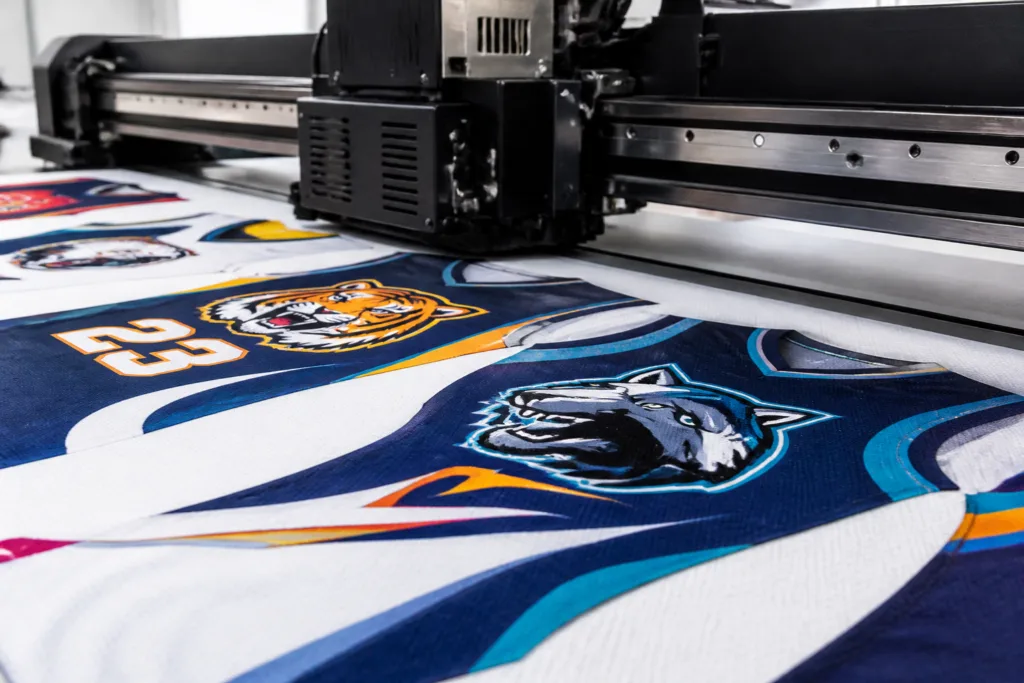
Today’s team apparel is no longer limited to basic screen prints. Advanced sublimation transfers, direct-to-fabric digital printing, and automated numbering make short-run and personalized designs affordable and flexible. For example, a club competing in a weekend event can source unique commemorative jerseys, confident that color reproduction and logo clarity will rival major pro-level production standards.
Consistency Challenges: Preventing Color Variation Across Orders
One industry pain point is batch-to-batch color drift. When teams add new members, a shade difference across reorders can break visual harmony. At Ninghow, we log every approved Pantone, print carrier, and production batch so sponsors and clubs can expect 100% visual continuity—even years later. Whether you work with the same factory or another, confirm how dye lot records and digital print files are archived and referenced for every reorder.
The Importance of Fit Accuracy and Grading Consistency
Unlike fashion projects that chase new silhouettes every season, team apparel success hinges on reliable pattern blocks and logical size grading. Poorly fitting jerseys can affect player mobility and morale. Experienced manufacturers will sample and adjust for each age/gender bracket, ensuring juniors and seniors alike get gear that moves with them during high-intensity competition.
Role of Quality Control: Why Stitching and Detail Matter
Nothing undermines team confidence like loose threads or peeling numbers during a tournament. Factories must follow robust QC at each step—especially focusing on high-wear areas (collars, underarms, hem seams) and logo bonding. Sourcing teams should always build in sample review and physical QC checks during production. For best outcomes, clubs can refer to our guide on how to check quality in team apparel before confirming large orders.
Working with an OEM Manufacturer: Advantages for Clubs and Gym Programs
Bulk-sourcing clubs benefit from reduced per-piece cost, simplified logistics, and better design IP protection compared to piecemeal ordering from retail-oriented sites. OEM (original equipment manufacturer) partners handle the full process—pattern making, printing, sewing, labeling, and post-production QC—so coaches and managers can focus on team readiness, not back-office order headaches.
Ordering Process: Samples, Production, and Repeat Reorders
Effective manufacturers prioritize sample approval and color matching before any bulk cut. This phase helps lock in fit specs, number placement, and end-user personalization. Once bulk approval is given, production typically runs 3–6 weeks depending on quantity and complexity. For future events or replacement needs, having patterns and print files on-hand ensures fast, consistent restock with minimal guesswork.
Sustainability Considerations and Environmental Practices
Leading factories are responding to eco-conscious buyers by sourcing recycled or organic performance fabrics. Processes like digital sublimation printing minimize water and dye waste compared to traditional screen printing, supporting clubs that prioritize sustainable sourcing at the community level.
Packing, Kitting, and Delivery: Event Readiness Matters
For large events or tournaments, correct bundling matters. Manufacturers who organize by player name/number (rather than random sizing) cut down on distribution chaos at game-day. Special requests like custom bags, number-coded labels, or bulk-shipment to multi-site locations can be supported at factory level if planned at PO confirmation.
Youth vs. Adult Sizing: Bulk Planning for Gym Communities
Clubs working with kids and teens face accelerated growth and variable sizing needs. Smart factories batch children’s, youth, and adult patterns with grading variance built in, so teams can accommodate late sign-ups or swaps. Keeping fit data and templates on file allows for smooth restocking as members join or mature.
Repeat Orders and Team Expansion: Setting Up for Success
Anticipate the reality of new joiners and replacement gear by requesting that your manufacturer maintains digital archives of printing, sizing, and layout for each project. This recordkeeping helps new runs match previous deliveries with zero hassle—ideal for school programs and recurring events.
Working Directly with Factories vs. Online Resellers
Bulk teamwear orders benefit from direct manufacturer relationships: cost savings, direct communication on tech specs, and better handling of customization complexity. While online resellers offer quick configurators, factories offer depth—sample fitting, color confirmation, logo stitching proofing, and custom trim/labeling options. For brands or large clubs, factory-direct often means more creative control and fewer surprises.
Customization and Branding for Clubs and Communities
Clubs distinguish themselves on the field and in the gym not just by performance, but unique branding. Beyond standard logos, clubs often require sponsor integrations, commemorative patches, and “year” bands. Technical garment customizations—like collapsible collars or vented side panels—can be integrated during development, supporting both functionality and brand presence.
Key Questions to Ask When Sourcing Custom Gym Apparel
- Does the factory provide sample and pre-bulk color approval?
- Can numbering and names be positioned and sized to club standards?
- What is the MOQ for new colors or pattern changes?
- How does the supplier handle restocks and file retention?
- Is sustainable material sourcing available?
Trends in Custom Team Apparel for 2024
Interest in gender-inclusive sizing, digitally native designs, and sustainable teamwear is accelerating. For those tracking current trends in custom team clothing, personalization and sponsor visibility are becoming as essential as performance fit and speed to delivery. Custom gym apparel’s future looks to merge both function and visual impact, on and off the field.
Summary: Why Team Gym Apparel Manufacturing Demands Experience
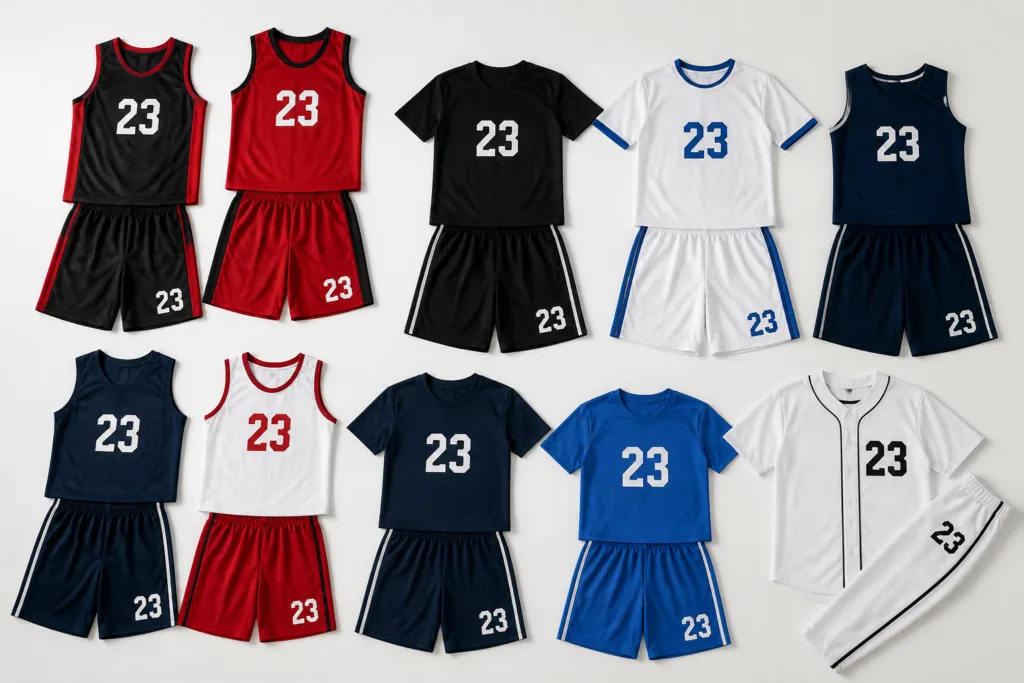
Producing excellent custom gym teamwear requires more than a print file; it takes close collaboration between clubs and factories on color, fit, and functional detail. With expert pattern work, robust supply chain management, and logged records, clubs and coaches enjoy seamless repeats, brand consistency, and standout team identity year after year.
Frequently Asked Questions
What is the difference between team apparel and regular gym clothing?
Team apparel is manufactured for group identity, performance, and long-term repeat orders—with consistent colors, fit, and personalization—while regular gym clothing focuses on individual style or trend and may not match across multiple batches or athletes.
How do manufacturers ensure color consistency for team apparel reorders?
Manufacturers maintain color libraries, reference Pantone codes, and archive dye or print files so every reorder matches the original shade. Pre-bulk approval samples help ensure visual consistency over seasons.
What personalization options can clubs request for custom jerseys?
Common options include numbering, player names, sponsor logos, positional identifiers, and event patches—applied via heat transfer, sublimation, or embroidery, according to design and durability needs.
What minimum order quantities are typical for custom team apparel?
Most manufacturers set MOQ at 50–100 pieces per primary design or color, but repeat orders or minor changes (like new player names) often have lower thresholds if the main setup is already in place.
How can clubs manage repeat orders or add new members during the season?
By ensuring the factory keeps digital pattern, print, and color records from the original order, clubs can quickly and seamlessly order matching new gear for joiners or replacements throughout the season.
What should teams check during the production process to ensure quality?
Review sample garments for correct fit, color, and print clarity. Confirm number and name placement, inspect seams for strength, and request physical QC before bulk shipment to catch issues early.