






Introduction: Why Private Label Team Clothing Sets Your Brand Apart
Building a strong apparel brand starts with details. Private label team clothing gives you control over every part of the garment—from neck tags and hangtags to packaging and cut choices. It’s a practical way to create a consistent, memorable identity for sports teams, clubs, corporate squads, or any group. This guide dives deep into private label team clothing for brands: the process, the benefits, and the strategies to make your apparel line genuinely stand out.
The Key Components of Private Label Team Clothing for Brands
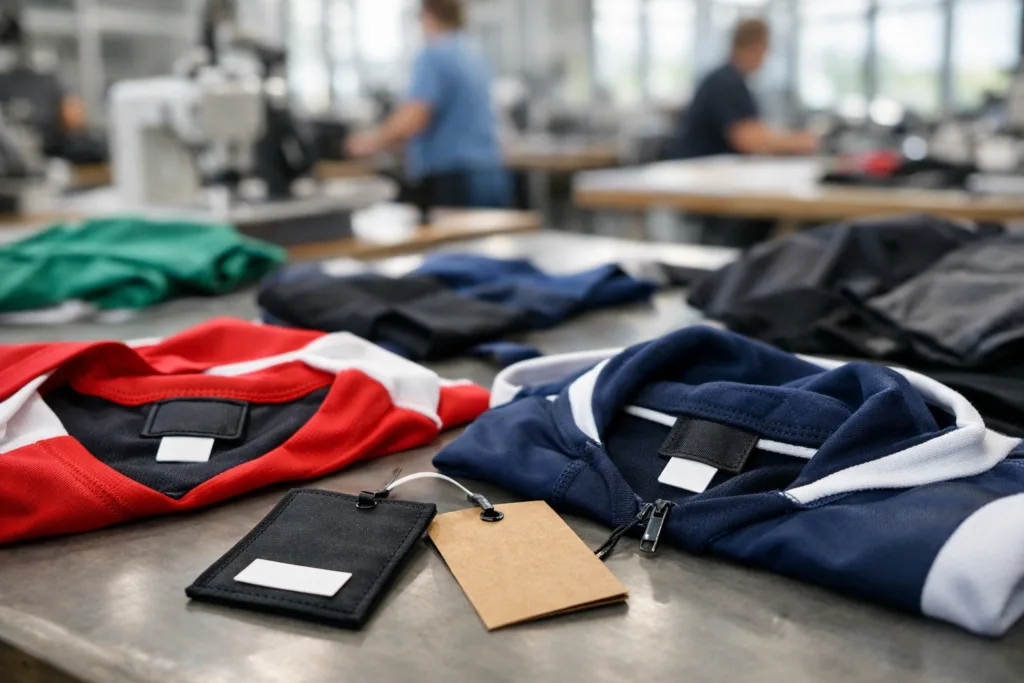
Private label team clothing is more than a logo—it’s the sum of all details that shape perception. Core elements include neck labels, hang tags, packaging, style differentiation, and unified branding elements. Let’s break down what these mean for your brand:
- Neck Labels: Customizable with your logo, sizing, and care info. Options range from woven, printed, or heat-transfer styles.
- Hang Tags: Tell your story or add value (e.g., QR codes, brand message). Hang tags can reinforce quality, sustainability, or special features.
- Packaging: Branded bags, tissue wraps, boxes, or eco-friendly alternatives show off your brand’s personality before customers even touch the garment.
- Style Differentiation: Choose unique fits, trims, lengths, and design elements to set your line apart from ordinary teamwear.
- Brand Consistency: Maintain a unified color palette, logo placement, and material selection across all pieces.
How Private Label Differs from Custom and Ready-Made Teamwear
Many brands compare private label to custom or off-the-shelf team clothing. While all have merits, private label offers the sweet spot: pre-built garment templates you can modify with your branding, tags, packaging, and subtle design changes. Unlike custom teamwear (which builds from scratch), private label leverages proven fits while letting you tweak what matters most. See the practical difference between custom and ready-made teamwear for sourcing clarity.
Why Neck Labels Matter for Brand Identity
The neck label is a brand’s first touchpoint. It’s where fit, comfort, and brand meet—removable, soft, woven, or printed for comfort and durability. Well-designed neck labels help with product tracking, sizing, and reinforce your brand’s “signature” feel. Factories like Ninghow often recommend heat-transfer labels for lightweight performance tops, while woven labels are best for classic polos and hoodies.
Hang Tags: More Than Just Price Markers
Hang tags are powerful storytelling tools. A well-crafted tag can highlight fabric choices, certifications, or care instructions. For teams, add QR codes that link to your league’s site or sponsor pages. Sustainable hang tags—made from recycled paper or bioplastics—signal eco-consciousness, adding value to your brand lineup.
Packaging Strategies for Private Label Team Clothing
Packaging is often overlooked, but it shapes first impressions. Choose branded polybags, custom boxes, or recycled wraps to match your team’s values. If bulk shipment is needed, request custom cartons with your logo and club name. Packaging compliance matters too—learn how to avoid shipment headaches in the comprehensive guide to packaging for apparel shipments.
Style Differentiation: Making Your Teamwear Truly Unique
Don’t settle for “standard issue.” Team clothing styles can include special fits (oversized vs. regular), exclusive colorways, custom sleeve trims, or hidden pockets for keys and cards. In practice, style tweaks—even small ones—can make your pieces memorable and easier for teams to wear proudly.
Brand Consistency: Keeping Every Piece Aligned
The more consistent your branding across neck labels, hang tags, packaging, and design, the more cohesive your team apparel looks. Use the same color codes, logo positioning, and fabric selection. This unity signals professionalism—whether on the field or at a trade event.
Choosing the Right Fabrics for Private Label Team Apparel
Fabric isn’t just about feel—it affects fit, durability, and how well your branding stands up to repeated washes. Technical fabrics (like moisture-wicking polyester) suit performance teams, while natural fibers (cotton, bamboo, Sorona blends) work well for lifestyle collections. For specific advice, discover which fabrics elevate custom team T-shirts.
Patterns, Fits, and Sizing: Accuracy Is Everything
There’s no shortcut to perfect fit. Private label often provides base patterns, but you can request adjustments for your club or event. Factories like Ninghow use master patterns for bulk runs—these set the baseline for size grading and minimize rework. Always ask for measurement charts and sample fittings before large orders.
Color Consistency and Logo Placement
Uniform color and precise logo placement differentiate professional team apparel lines. To avoid shade mismatches, stick with factory-dyed fabrics and approved logo templates. Batch-by-batch color checking is standard in quality factories.
Minimum Order Quantities (MOQs): Starting Small, Scaling Smart
Most private label suppliers set MOQs to cover setup costs and material sourcing. The good news? Many factories now offer “low MOQ” options for small brands or trial orders. Check out what every small brand should know about low MOQ team clothing for cost-savvy tips.
Sustainable Options in Private Label Team Clothing
Eco-friendly teamwear is rising in demand. Choose recycled polyester, organic cotton, or renewable blends for your line. Ensure your factory can show certifications (OEKO-TEX, GRS, GOTS) and offer sustainable packaging. Value-driven buyers increasingly look for proof of real sustainability, not just “green” claims.
Production Flow: From Sampling to Bulk Delivery
Most private label runs start with prototype samples—fabric, fit, trims, and branding are checked before full production. After approvals, bulk runs begin. Reliable manufacturers (like Ninghow) provide weekly production updates, quality inspections, and secured packaging for delivery. Planning for bulk delivery? Confirm your size range, labeling, and packaging deadlines in advance.
Quality Control: Checking for Consistency and Durability
Consistent stitching, accurate fit, and durable prints are musts. On the shop floor, Ninghow’s QC teams check for label placement, seam quality, and packaging compliance. Defects are flagged before export—saving you costly replacements and unhappy teams.
Team Uniform Collections: Beyond T-Shirts and Hoodies
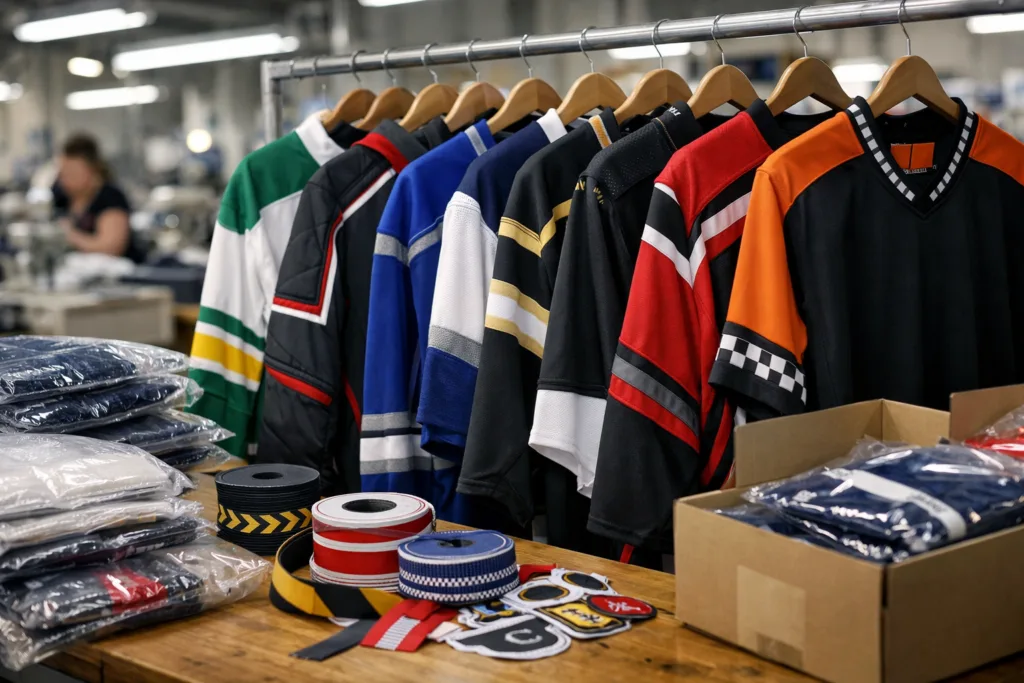
Private label offers more than basic tops. Expand collections with polos, jackets, shorts, and accessories—using the same branding techniques. Brands that invest in matching collections build stronger identity and team unity.
Trims and Accessories: Small Details, Big Impact
Buttons, zippers, drawcords, and woven patches—trims let you create “signature touchpoints.” Choose branded, color-matched trims for uniqueness and functional design.
Seasonal Launches: Planning for Events and Club Needs
Timing matters. Plan releases around sports seasons, club events, or corporate retreats. Private label means you can pre-order the right size ranges, packaging themes, and style extras for each campaign.
Social Compliance and Certifications
Private label brands must ensure their factories comply with labor laws, safety standards, and environmental controls. Ask for audit reports and certifications before confirming bulk runs.
Garment Labeling Requirements: What Must Be Included
Labels are more than branding—they include fiber content, care instructions, country of origin, and applicable regulations. See the essential garment labeling checklist for compliance details.
Private Label Team Clothing for Brands: A Practical Guide
The journey to private label team clothing for brands starts with clear strategy. Decide your identity, assemble your branding elements, and work closely with a knowledgeable manufacturer. Switch from “generic” to branded by planning labels, tags, packaging, and styles upfront. Smart factories streamline the process, but it’s your vision that makes the apparel line memorable.
Common Mistakes in Private Label Team Apparel Launches
Avoid rushing design, neglecting QC, or skipping packaging checks. Give feedback early; check samples against your expectations, and always clarify size breakdowns, trims, and label requirements before final approval.
Practical Tips from the Shop Floor
Maintain clear communication throughout production. Ask for weekly updates, sample photos, and QC checklists. Experienced factories appreciate brands that give timely, organized instructions—and it keeps surprises in the rearview.
Cost Factors and ROI: What to Budget For
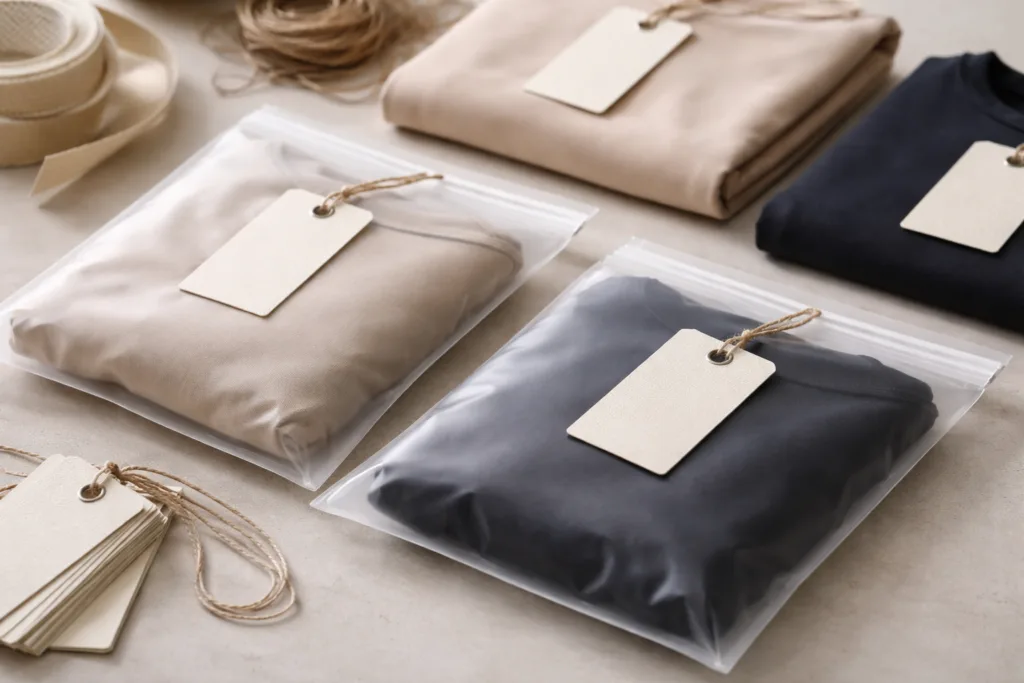
Private label adds costs for custom tags, packaging, and branding extras—but these investments drive brand loyalty and perceived value. If budgets are tight, focus on the highest-impact items first (labels and packaging), then scale up with style differentiation as you grow.
Frequently Asked Questions
What’s the difference between private label and custom teamwear?
Private label uses pre-set garment patterns with your branding and packaging, while custom teamwear is built from scratch for full personalization.
How many pieces should I order for a private label team clothing launch?
Minimum order quantities vary, but many factories now support low MOQs starting from 50–100 pieces per style for small launches.
What information must be included on garment labels?
Labels require fiber content, sizing, care instructions, country of origin, and necessary safety/compliance marks for legal sale.
Can I use sustainable fabrics and packaging for team apparel?
Yes, many manufacturers offer recycled, organic, or renewable fabrics and eco-friendly branded packaging for private label lines.
How long does a private label order typically take?
Sampling takes 2–4 weeks, while bulk production takes 4–6 weeks depending on style complexity, fabric sourcing, and quantity.
What should I look for in a private label team clothing manufacturer?
Check for pattern accuracy, QC processes, label experience, low MOQ options, transparency in updates, and compliance certifications.
Related Reading
- OEM vs ODM Explained: Finding the Best Model for Your Brand’s Team Apparel
- Step-by-Step Custom Apparel Manufacturing: From Sketch to Finished Team Clothes
- Low MOQ Demystified: Smart Ways to Launch Small Apparel Collections
- 21 Sustainable Manufacturing Steps for Team Clothes Everyone Should Know
- Private Label vs Custom Clothing: Key Mode Differences For Brand Strategy