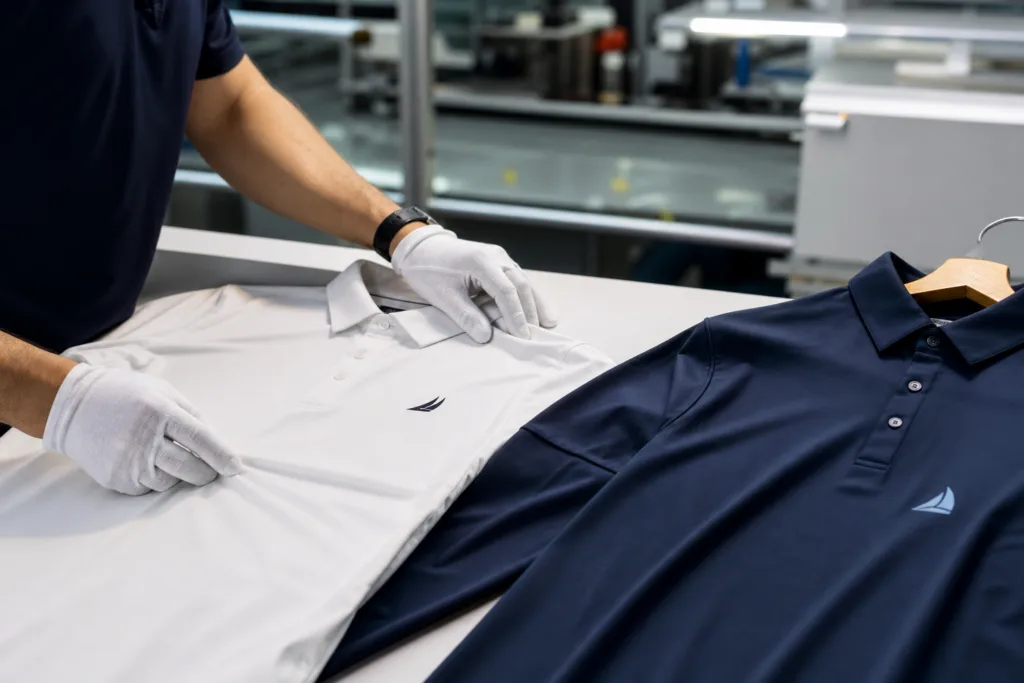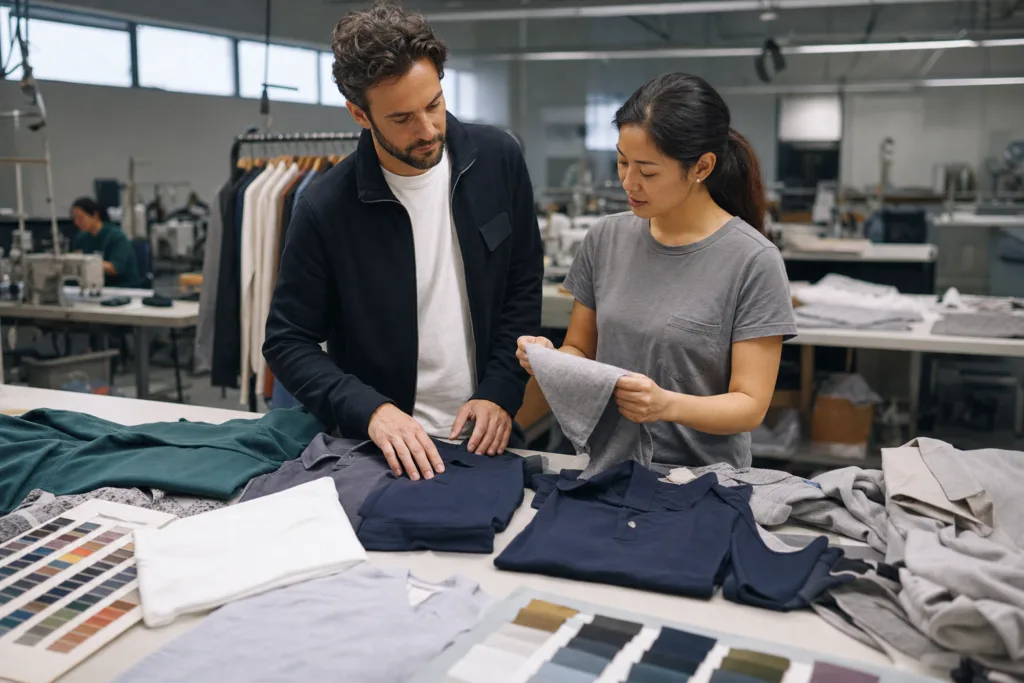
A professional apparel development meeting focused on sample review, fabric options, and branding decisions for a small private label launch.

Is Private Label Clothing Worth It for Small Apparel Brands? A Practical Guide to Costs, MOQ, Branding Control, and Growth Potential

For small apparel brands, the short answer is yes: private label clothing can be worth it when your product direction is clear, your margins are realistic, and you are ready to manage sampling, inventory, and repeat ordering with discipline. It gives you stronger control over branding, presentation, and customer experience than buying generic blanks, but
Is Private Label Clothing Worth It for Small Apparel Brands? A Practical Guide to Costs, MOQ, Branding Control, and Growth Potential Read More »

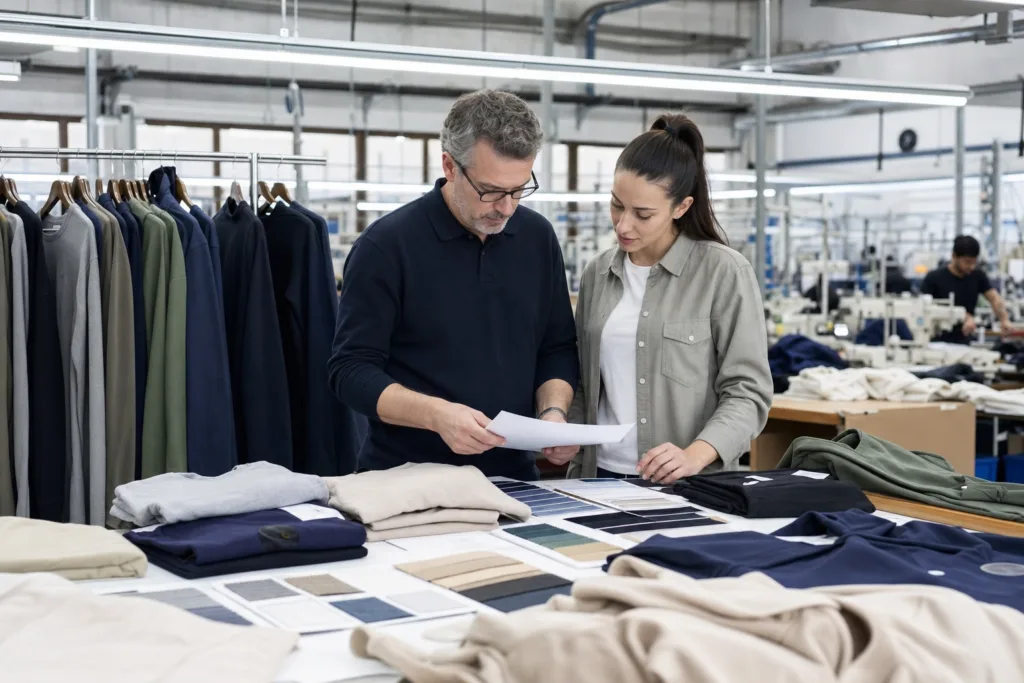
A professional garment factory scene showing early-stage order planning for startup apparel products.

What MOQ Is Realistic for a Startup Clothing Brand? A Practical Guide to Matching Order Quantity with Customization Complexity

MOQ for startup clothing brand decisions should be treated as a product-planning question, not just a negotiation target. In apparel manufacturing, a realistic minimum order quantity depends on how many variables you add at the same time: fabric type, colorways, size range, decoration method, trims, labels, and packaging. Startups often focus on the lowest possible

What MOQ Is Realistic for a Startup Clothing Brand? A Practical Guide to Matching Order Quantity with Customization Complexity Read More »

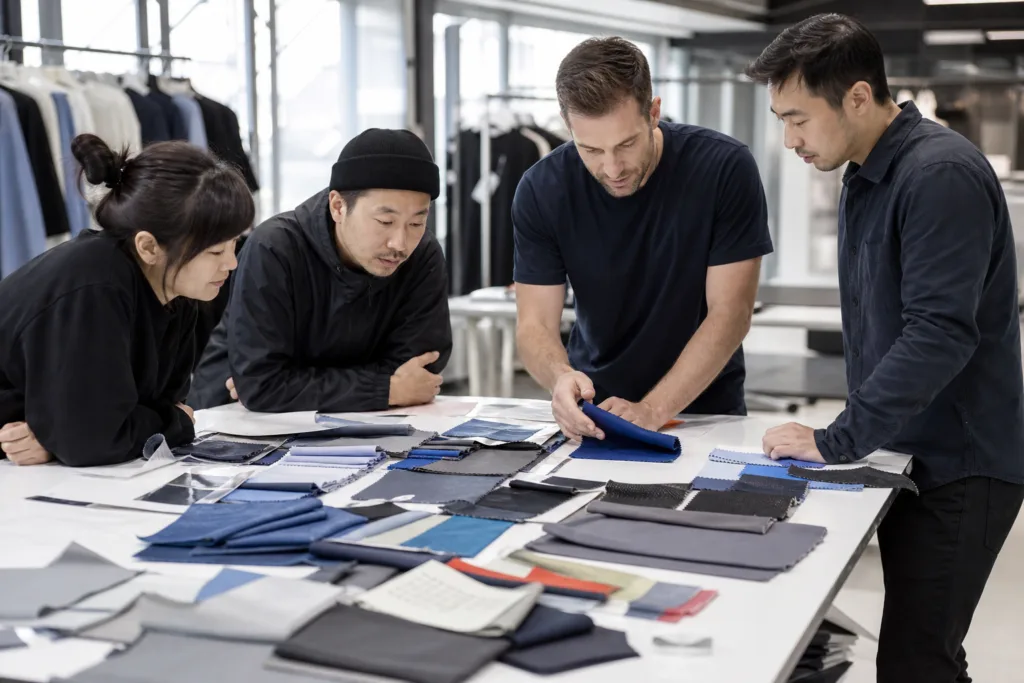
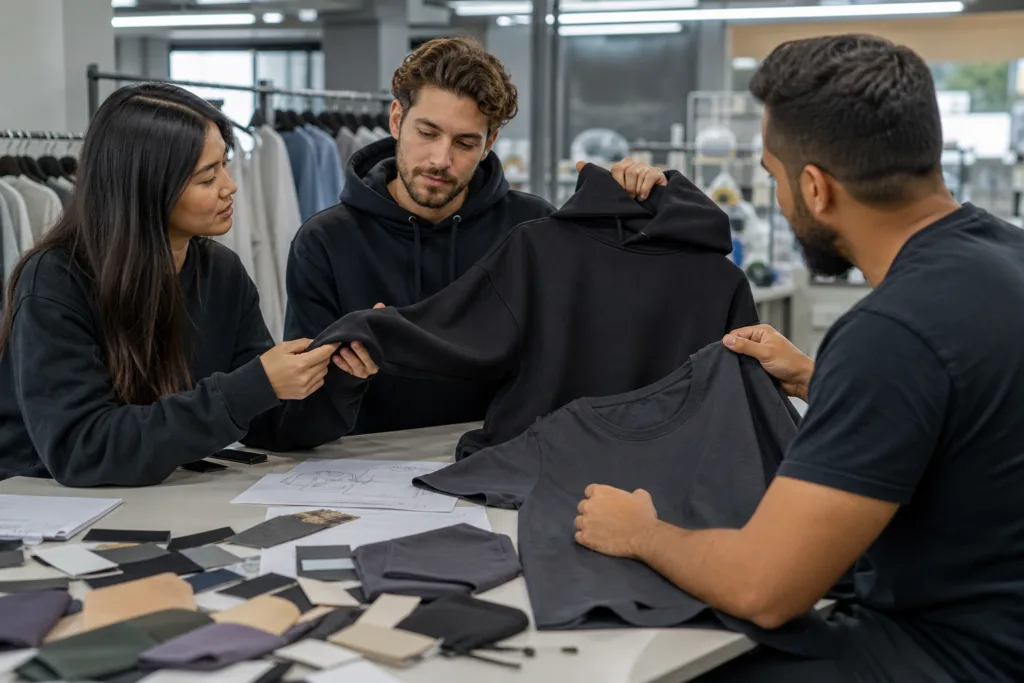
A realistic apparel development scene showing startup buyers comparing sample garments, fabric options, and branding details with a manufacturer.

Private Label vs Custom Clothing for Startups: Which Apparel Manufacturing Route Is Better for Launch Speed, Budget, and Brand Differentiation?

Choosing between private label and custom production early can save a startup brand time, money, and costly revisions later. In practical terms, private label usually helps founders launch faster with lower development complexity, while custom clothing offers stronger differentiation but requires more planning, sampling, and budget discipline. For startups comparing the two, the real decision

Private Label vs Custom Clothing for Startups: Which Apparel Manufacturing Route Is Better for Launch Speed, Budget, and Brand Differentiation? Read More »

A realistic apparel product development scene showing early collection planning with garments, colors, and technical review.

How to Plan a First Clothing Collection That Controls Style Count, Colors, Sizes, Pricing, and Brand Consistency

Your first collection should be small enough to manage, clear enough to represent the brand, and disciplined enough to produce without unnecessary cost risk. In first clothing collection planning, the real challenge is not designing as many products as possible. It is choosing the right mix of styles, colors, sizes, price points, and customization details

How to Plan a First Clothing Collection That Controls Style Count, Colors, Sizes, Pricing, and Brand Consistency Read More »

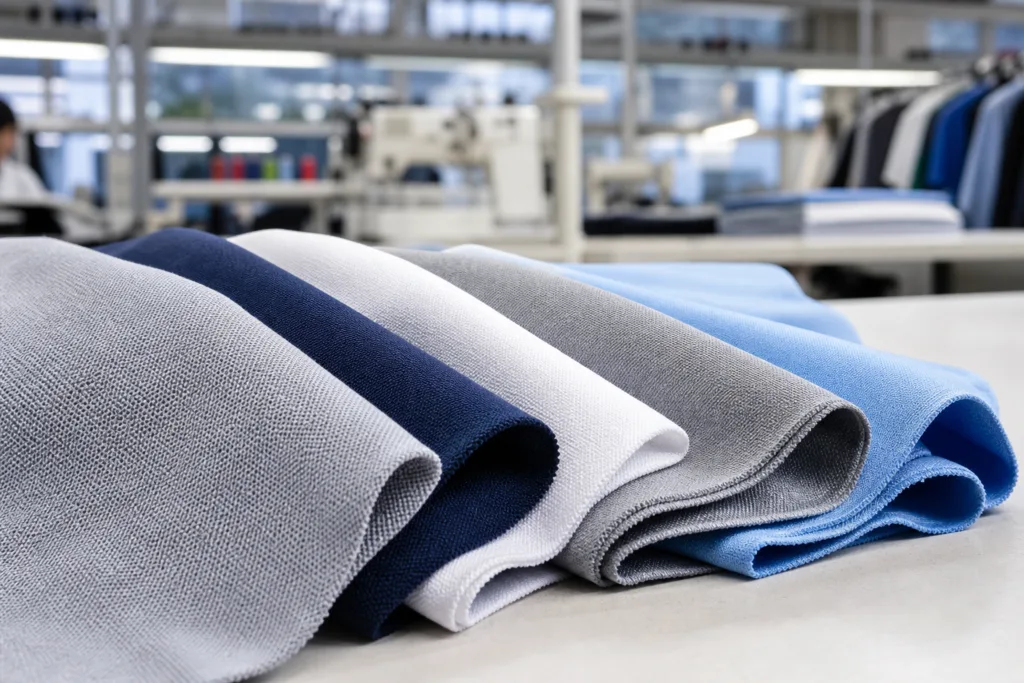
A professional fabric comparison image showing common polo shirt materials during product development.

Best Fabrics for Polo Shirt Manufacturing: How to Choose Cotton, Pique, Polyester, and Blends for Different Buying Scenarios

Choosing the best fabrics for polo shirt manufacturing is not only about fiber content. For apparel buyers, the right decision depends on end use, price target, branding method, wash expectations, fit, and how consistently the fabric can perform in bulk production. In our manufacturing work, we see that two polo shirts can look similar on

Best Fabrics for Polo Shirt Manufacturing: How to Choose Cotton, Pique, Polyester, and Blends for Different Buying Scenarios Read More »

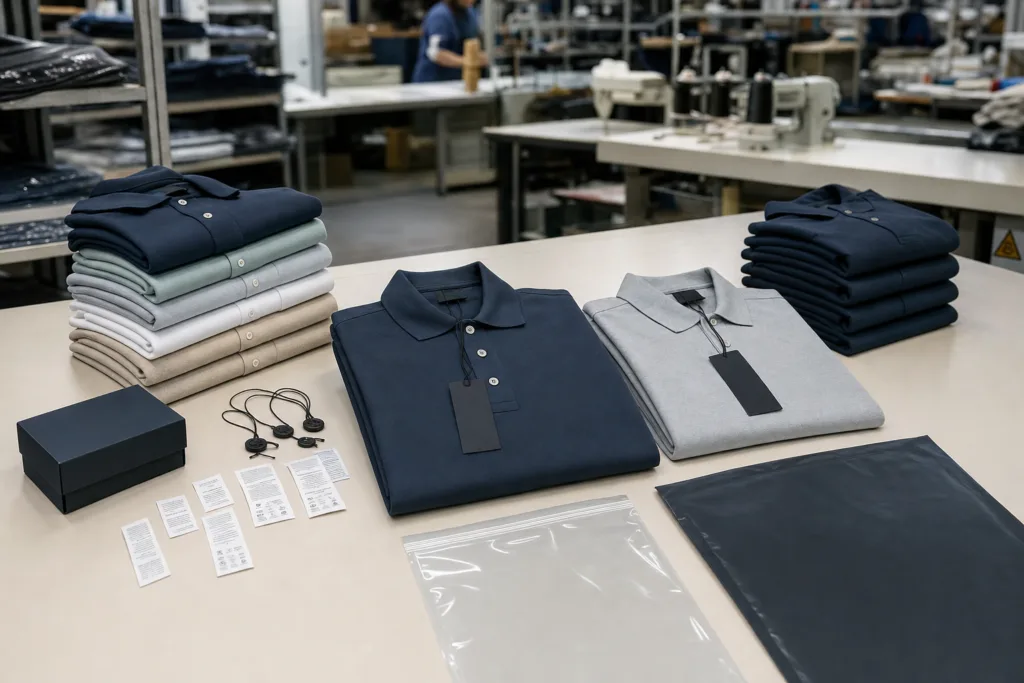
A realistic apparel manufacturing image showing polo shirts, labels, hangtags, and packaging materials prepared for private label finishing.

How to Customize Polo Shirts with Labels, Hangtags, and Retail Packaging for Private Label Readiness

If you want to customize polo shirts with labels and packaging for a retail-ready launch, the key is to plan branding trims and packaging at the same time as fabric, fit, and logo decoration. A polo shirt may look complete after sewing and embroidery, but it is not truly private label ready until the neck

How to Customize Polo Shirts with Labels, Hangtags, and Retail Packaging for Private Label Readiness Read More »

A manufacturer team compares fabric swatches and product specs for custom apparel development.

How to Choose a Clothing Manufacturer for Custom Apparel, Private Label, and Bulk Production

Choosing the right clothing manufacturer has a direct impact on product quality, margin control, delivery reliability, and how confidently your brand can scale. For buyers developing custom apparel, private label collections, or repeat bulk programs, the decision is not only about price. It is about whether the factory can translate your product idea into consistent

How to Choose a Clothing Manufacturer for Custom Apparel, Private Label, and Bulk Production Read More »

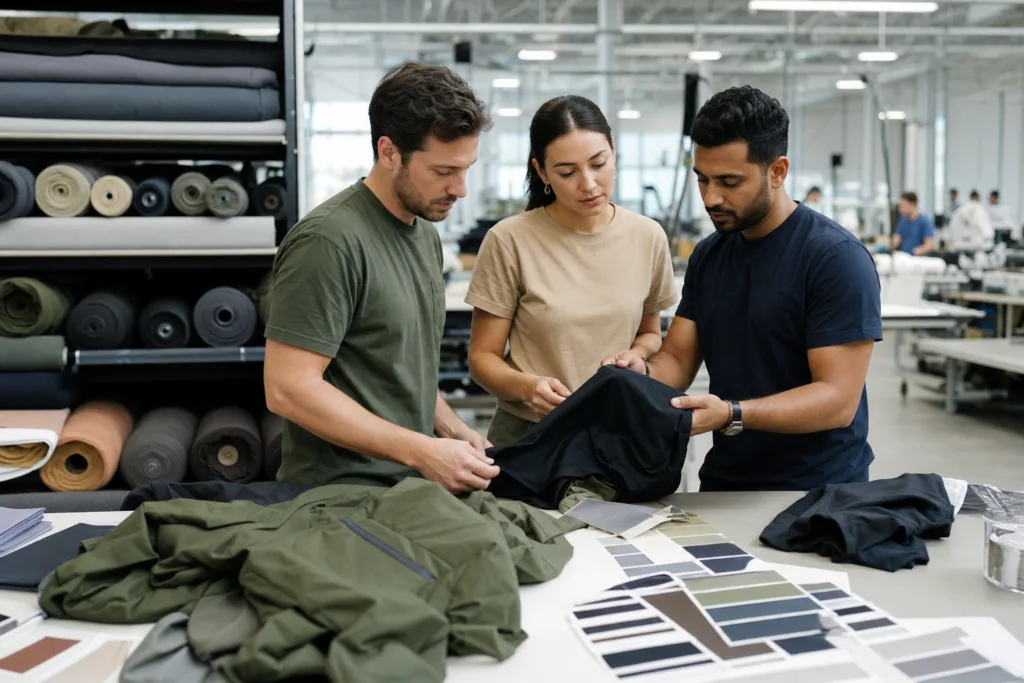
A professional product development scene showing fabric selection and sample review for custom apparel manufacturing.

Custom Clothing Manufacturing Guide for B2B Brands: How to Plan Fabric, Fit, Sampling, MOQ, and Production

Custom clothing manufacturing works best when buyers treat it as a product development process, not just a price request. For B2B brands, teams, retailers, and distributors, the real decisions happen before bulk production starts: garment purpose, fabric performance, fit standards, customization method, sample approval, MOQ logic, and production control. When these points are clear early,

Custom Clothing Manufacturing Guide for B2B Brands: How to Plan Fabric, Fit, Sampling, MOQ, and Production Read More »

A manufacturer-side comparison of embroidered and printed polo shirt logos during sample evaluation.

Embroidered vs Printed Polo Shirts: How to Choose the Right Logo Method for Bulk Custom Orders

Choosing between embroidered vs printed polo shirts is not just a design preference. For bulk custom orders, the logo method affects garment image, unit cost, comfort, durability, sampling time, and how consistent the final polos look across every size in production. From our manufacturing perspective, the right choice depends on the logo itself, the fabric,

Embroidered vs Printed Polo Shirts: How to Choose the Right Logo Method for Bulk Custom Orders Read More »

A professional apparel development scene showing fabric and garment planning decisions at the start of production.

How to Plan Custom Apparel Production: Fabric, Fit, MOQ, Sampling, and Quality Control

Custom apparel production works best when buyers make key decisions early: what the garment needs to do, how it should feel, how consistent sizing must be, what customization methods are required, and what level of quality control is realistic for the budget. For brands, teams, retailers, and sourcing managers, the biggest production problems usually do

How to Plan Custom Apparel Production: Fabric, Fit, MOQ, Sampling, and Quality Control Read More »

Scroll to Top

Get in Touch with Ninghow

Start your clothing business…

Response Time Notice

To help you get the fastest support:

  • 💬 For instant replies, click the “WhatsApp us” icon at the bottom right of this page.
  • 📧 Emails sent by clicking our email address:  [email protected] are typically replied to within 10 minutes.
  • 📝 Form submissions may take more time to receive a response.

If you do not receive a reply within 24 hours via email, please check your spam or junk folder.