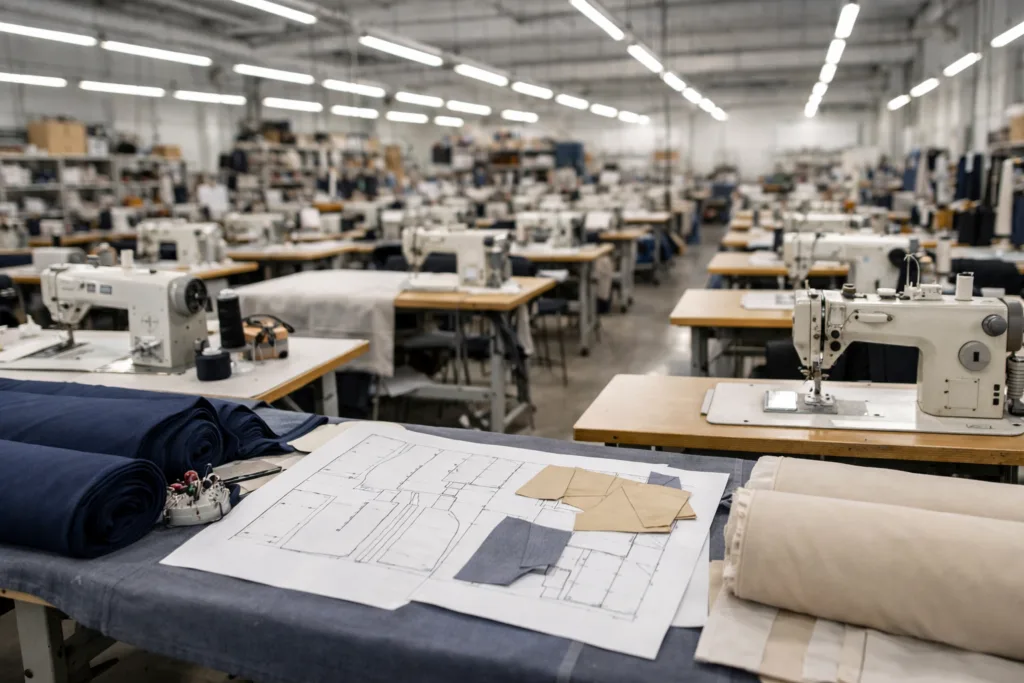
A realistic sourcing scene that represents the decision between direct factory and trading company workflows.

Clothing Manufacturer vs Trading Company: Which Sourcing Path Is Better for Importers?

When importers compare a clothing manufacturer vs trading company, the right choice usually depends on three things: how much product control they need, how complex the garment is, and how much risk they can tolerate on cost, quality, and lead time. A simple reorder can work in either model, but custom apparel exposes the trade-offs […]

Clothing Manufacturer vs Trading Company: Which Sourcing Path Is Better for Importers? Read More »

A professional product development discussion showing how buyers compare OEM and ODM manufacturing routes before sampling.

OEM vs ODM Clothing Manufacturing in China: How Buyers Choose the Right Apparel Production Model

Choosing between OEM and ODM is one of the most important early decisions in apparel sourcing. For buyers comparing an OEM ODM clothing manufacturer China offers, the right model affects customization freedom, product ownership, sampling complexity, MOQ, lead time, and long-term brand positioning. In our manufacturing work, we see that many sourcing problems start not

OEM vs ODM Clothing Manufacturing in China: How Buyers Choose the Right Apparel Production Model Read More »

A buyer and factory team reviewing samples, specs, and production notes before order confirmation.

Questions to Ask a Chinese Clothing Manufacturer Before Placing an Order: A Practical Buyer Checklist

Before you place a sample request or production order, the quality of your questions matters almost as much as the factory’s answers. The right checklist helps you confirm whether a supplier is truly suitable for your product category, quality target, customization plan, and timeline. If you are searching for practical questions to ask clothing manufacturer

Questions to Ask a Chinese Clothing Manufacturer Before Placing an Order: A Practical Buyer Checklist Read More »

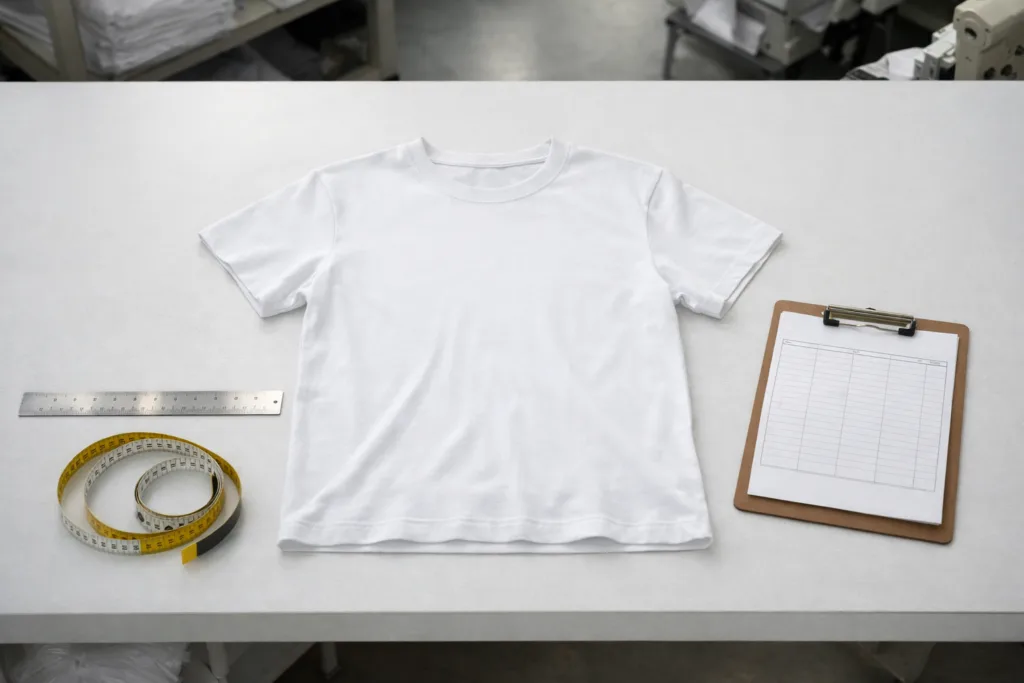
A T-shirt on a factory measuring table, tools ready, demonstrating the essentials of how to measure garments for production.

How to Measure Garments for Production: 21 Essential Steps to Avoid Rework

Introduction: The Value of Accurate Garment Measurement in Production Perfectly fitting garments don’t happen by accident—they start with precise measuring. For any apparel brand, designer, or factory, knowing how to measure garments for production is the essential foundation that prevents costly mistakes, production delays, and, most importantly, rework. Whether you source from large-scale factories or

How to Measure Garments for Production: 21 Essential Steps to Avoid Rework Read More »

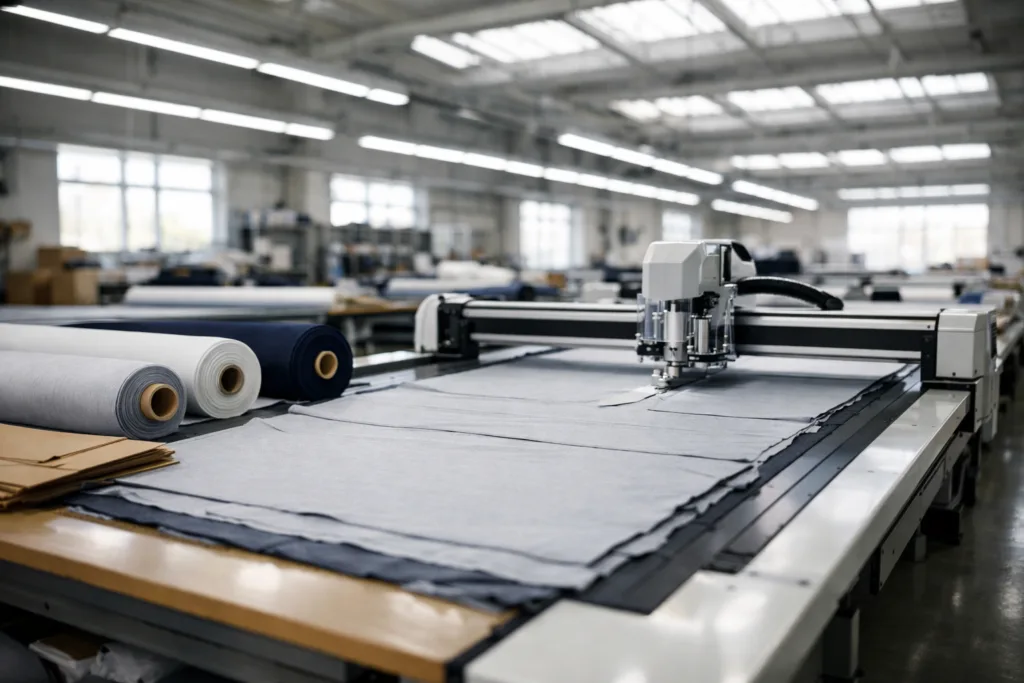
A photo of a spacious, well-lit cutting room showcasing the first stage of cut and sew clothing manufacturing explained. Features layered fabric and high-precision cutting equipment vital for custom apparel production.

The Essential Guide to the Cut and Sew Clothing Manufacturing Process—How It Works, What to Watch, and How to Succeed

Introduction to Cut and Sew Clothing Manufacturing Explained Cut and sew clothing manufacturing explained is essential reading for anyone launching a fashion brand, exploring garment production, or sourcing apparel. “Cut and sew” is an industry term describing the process where individual fabric panels are cut from large rolls and stitched together to create finished garments.

The Essential Guide to the Cut and Sew Clothing Manufacturing Process—How It Works, What to Watch, and How to Succeed Read More »

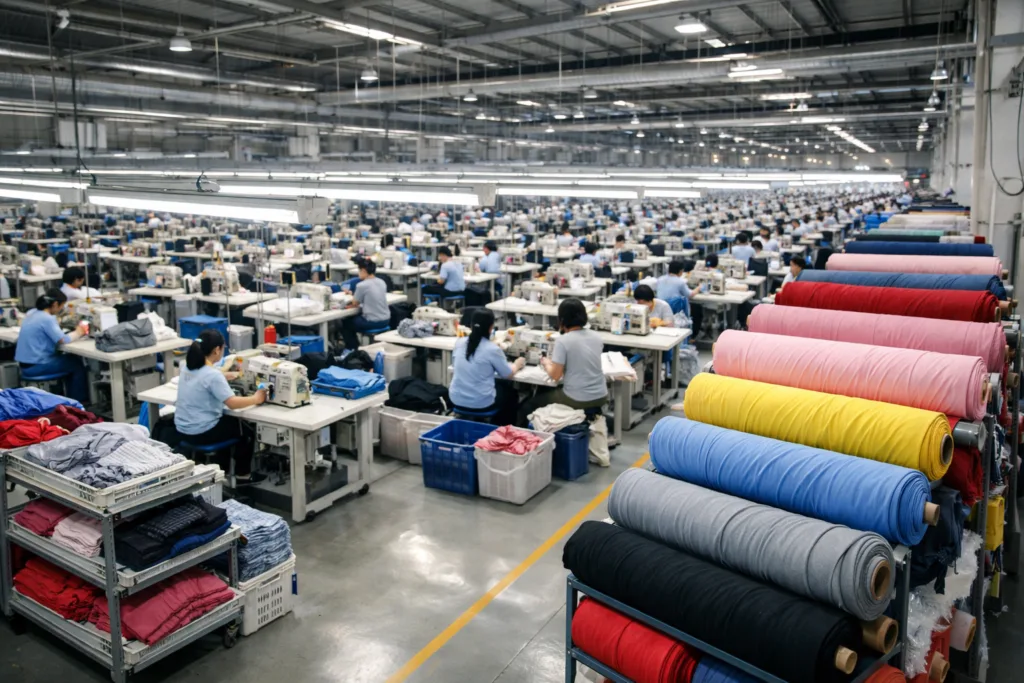
This image shows the efficient, industrial atmosphere typical of large Chinese garment factories, supporting high-volume production and broad material access.

How Real Factories Weigh the Pros & Cons of Clothing Manufacturing in China

Introduction: The Realities of Clothing Manufacturing in China Clothing manufacturing in China: pros & cons are critical considerations for every apparel brand, designer, and entrepreneur aiming to scale production. China’s influence on the global garment supply chain is undeniable, backing everything from mass-market basics to private label launches. The process promises efficiency, but how do

How Real Factories Weigh the Pros & Cons of Clothing Manufacturing in China Read More »

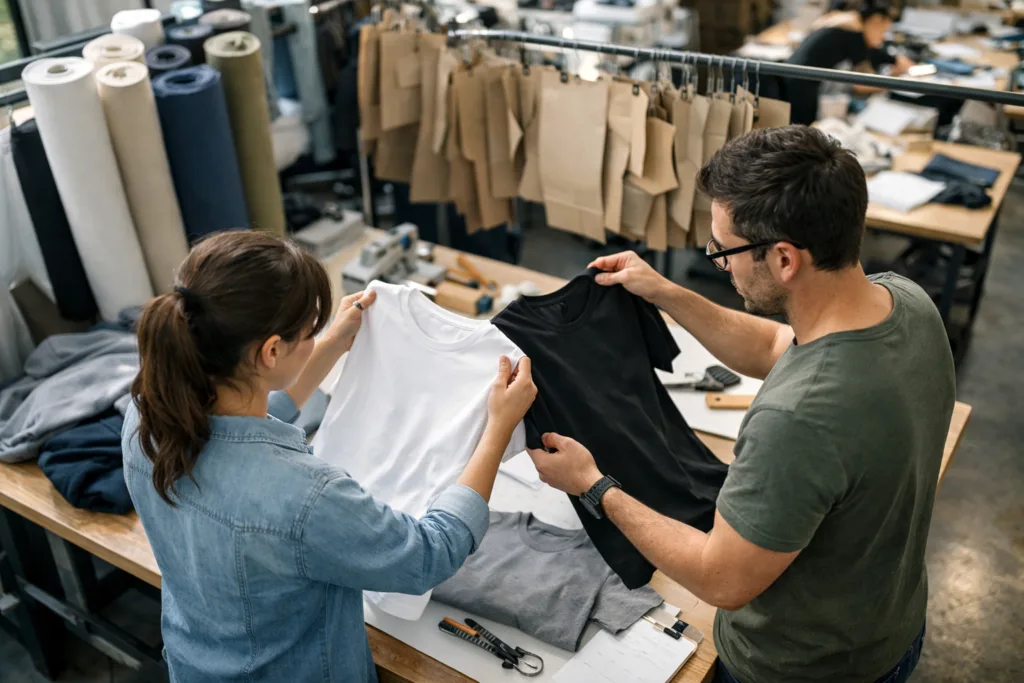
This image shows fabric, patterns, and sample evaluation for low MOQ clothing manufacturing explained to startups. The clean industrial workspace is illuminated naturally.

The Startup’s Guide: Low MOQ Clothing Manufacturing Explained for Smart Apparel Launches

Introduction: Why Low MOQ Clothing Manufacturing Matters for Startups Launching a fashion brand or apparel line is no longer reserved for big budgets. Thanks to low MOQ clothing manufacturer options, startups and small businesses can produce customized garments with minimal risk and investment. Whether you’re creating a new T-shirt collection or testing a swimwear design,

The Startup’s Guide: Low MOQ Clothing Manufacturing Explained for Smart Apparel Launches Read More »

This image shows a professional apparel production setting, highlighting the tools and layout that define custom manufacturing for private label clothing mode comparison.

Mode Comparison: Custom Clothing Manufacturer vs Private Label — Essential Pros, Cons, and Brand Strategy Guide

Understanding Custom Clothing Manufacturer vs Private Label In today’s apparel industry, the debate between custom clothing manufacturer vs private label is a topic every brand owner, designer, or sourcing manager faces. Choosing the right model can influence your product quality, brand identity, margins, and speed to market. This guide provides an honest, detailed comparison so

Mode Comparison: Custom Clothing Manufacturer vs Private Label — Essential Pros, Cons, and Brand Strategy Guide Read More »

Scroll to Top

Get in Touch with Ninghow

Start your clothing business…

Response Time Notice

To help you get the fastest support:

  • 💬 For instant replies, click the “WhatsApp us” icon at the bottom right of this page.
  • 📧 Emails sent by clicking our email address:  [email protected] are typically replied to within 10 minutes.
  • 📝 Form submissions may take more time to receive a response.

If you do not receive a reply within 24 hours via email, please check your spam or junk folder.