
A detailed apparel request for quotation (RFQ) can still produce unusable quotes if suppliers have to guess which requirements are mandatory. One may price every line literally; another may substitute a stocked fabric or leave a finish out. Both can return a unit price, but they are not pricing the same garment. To make the quotes comparable, separate the result you need from the method you think will achieve it, and ask suppliers to state where their offer differs from the brief.
Find Unsupported Assumptions
Start with the most prescriptive lines: an exact fabric weight, a named finish, a construction method, or a tight tolerance. For each, ask what would go wrong if the supplier used a different method or proposed a different value. If you cannot name the consequence or point to an approved sample or requirement that supports the line, flag it for review rather than deleting it outright. A specification may protect a detail you need; it may also have been copied from a style with a different fit, end use, or care routine.
This check works whether the draft came from an AI tool, a template, or an earlier purchase order. Over-specification is a possibility to investigate, not something you can diagnose from the length of the document or how it was written. The useful question is whether the detail helps the buyer and supplier make the same decision.
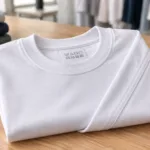
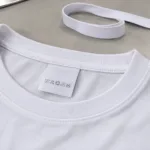
Hypothetical example: A buyer wants a soft white T-shirt that provides enough coverage over a dark base layer during normal wear. The draft calls for exactly 220 g/m² jersey and a silicone softener finish, but neither choice came from an approved sample. The weight is a proposed route to coverage, and the finish is a proposed route to softness. Neither tells the supplier how the buyer will judge the finished shirt.
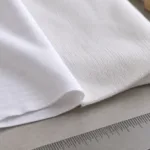
Keep the coverage and hand-feel requirements, but make the evaluation concrete. Compare coverage on a representative garment at the intended fit, over the same dark base layer and under the same lighting, both standing and reaching. For softness, identify a reference garment and say whether the comparison is made before laundering, after laundering, or both. When you prepare your brief for a manufacturer, attach those review notes to the current spec so the supplier can distinguish what must be matched from what can be proposed.
Identify Cost Drivers
Once you know which requirements are open to review, find out which ones actually change the price or the purchase commitment. In T-shirt manufacturing, an exact weight and named finish may be straightforward if the supplier can source that combination from stock. If not, the supplier may need a separate fabric or finishing run. The same specification can therefore be routine for one supplier and costly for another. Ask what production route each quote assumes before deciding that a requirement is expensive.
For the hypothetical white T-shirt, first ask whether the specified jersey is available with the finish already applied. If it is not, ask whether an added finishing step or a different fabric order is needed. A separate run can carry a minimum purchase or a fixed charge, even when the difference in quoted cost per shirt looks small. If the supplier quotes a fabric minimum in kilograms, ask who pays for any fabric left after the planned garment run. The garment order quantity alone will not answer that question.
| Cost driver | What to compare on the same order basis |
|---|---|
| Fabric and finish | Stocked or made to order; finish included, separately priced, or omitted; price per finished garment in the same currency. |
| One-time charges | Sampling, testing, or setup charges if applicable; amount per charge and whether it is included in the unit price. |
| Purchase minimums | Minimum garments per order or color and any separate fabric minimum in kg; responsibility for unused fabric. |
Keep the garment quantity, size split, decoration, and delivery basis fixed when you ask for a price difference. To isolate the finish cost, ask whether the same jersey can be quoted with and without that finish. If the unfinished option also requires a different jersey, treat it as a separate material option rather than calling the entire difference a finishing charge. If a supplier cannot isolate the cost, ask them to state what changes together. That is more useful than a precise-looking price for a comparison the supplier cannot actually offer.
Check Contradictions Before Suppliers Price the RFQ
Before comparing sourcing routes, make sure the documents describe the same shirt. In the hypothetical white T-shirt RFQ, suppose the construction drawing shows side seams but the written specification calls for a seamless tubular body. A supplier cannot build both into the same garment. Decide which construction the baseline quote should cover. If the buyer has approved the shape of a side-seamed reference shirt, update the written specification to match the drawing. If either construction is acceptable, name one as the baseline and invite the other as a separate option.
Other requirements can coexist but leave the supplier with fewer ways to make the shirt. An exact fabric weight and a named finish, for example, do not contradict each other just because a supplier cannot source them together from stock. Treat that as a sourcing constraint, not a drafting error. Ask which requirement limits the stock options and whether keeping it changes the production route. That answer tells you which line to revisit without reopening the entire brief.
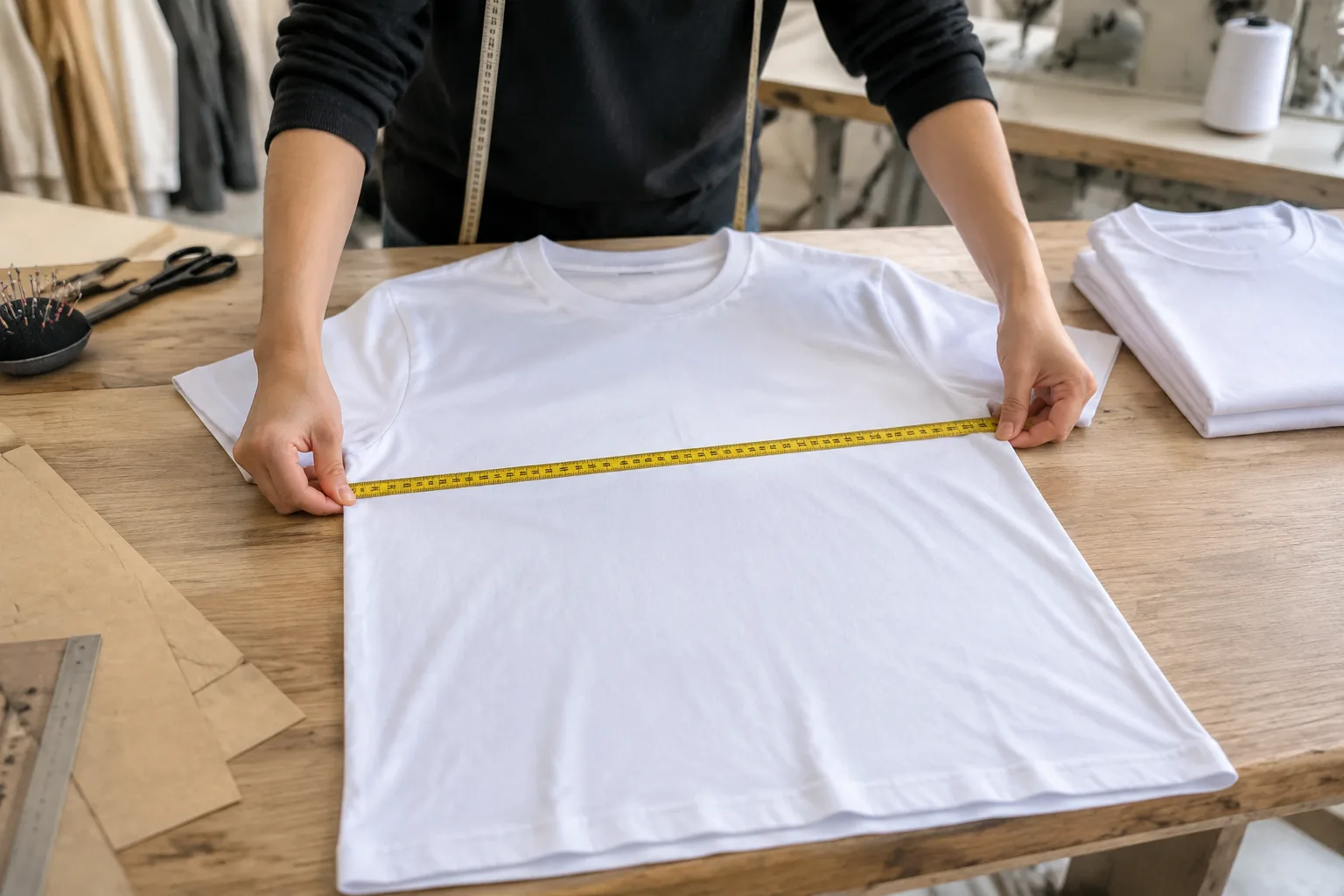
Also check for mismatches between a requirement and the evidence offered for it. AATCC distinguishes fabric and garment dimensional-change testing after laundering. A jersey report can help you screen the fabric, but it does not show that the finished T-shirt will stay within the agreed chest-width and body-length tolerances. Specify the wash and dry procedure, number of cycles, and measurement points for the finished garment. If you are concerned about side-seam twist, check seam position before and after laundering as well. A shirt can remain within its measurement tolerances and still have a visibly rotated side seam.
Issue one dated, numbered revision with the construction drawing, measurement sheet, and written specification aligned. Mark earlier files as superseded and ask each supplier to cite the revision in its quote. If a conflict remains, have the supplier identify the affected line and state any provisional pricing assumption. Resolve the question in writing and share the same clarification with all bidders before comparing prices.
Ask for a Simpler Alternative Without Changing the Outcome
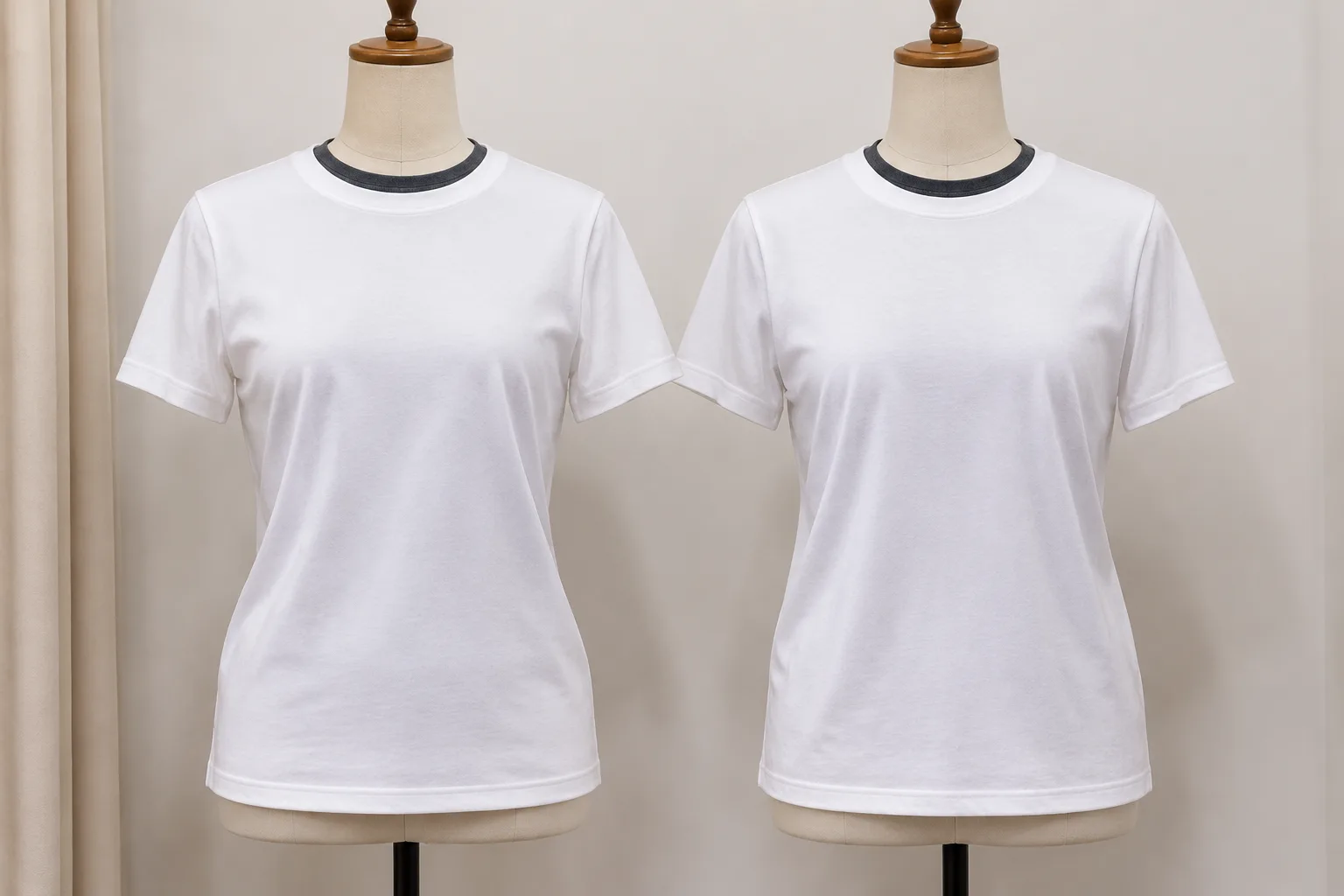
Ask for 2 clearly labelled offers: a baseline that follows the corrected specification and a separately priced alternative that changes only the requirements you have opened for review. For the hypothetical T-shirt, the baseline retains the 220 g/m² jersey and silicone softener finish. The alternative might use a stocked white jersey that gives a comparable hand feel without a separately commissioned finish. Keep the approved fit, construction, and decoration requirements fixed, along with the coverage and softness checks. If the supplier cannot offer the baseline as written, ask them to say so rather than presenting a substitute as an exact match.
Have the supplier identify the proposed jersey, explain what changes, and say whether the quote depends on current stock or on fabric they can source again. A stocked option can reduce the initial purchase commitment but may be less suitable for a repeat program if the supplier cannot replenish the same cloth. Conversely, keeping a named finish is hard to justify on cost grounds alone if the simpler shirt matches the reference where it matters. Compare the total commitment on the same order basis, then weigh availability and repeat-order continuity separately from price.
Before changing the specification, ask for a sample made with the quoted fabric and finish, in the intended cut and with any decoration that could affect how it hangs or feels. A swatch can narrow the options, but it cannot show how the jersey behaves across the chest when the wearer reaches. Compare the shirt with the approved reference using the agreed coverage and hand-feel checks, and review the finished garment after the specified laundering routine. Confirm that the price applies to the sampled construction and materials. If you approve the alternative, record it in the next revision so the sample, quote, and production brief all describe the same shirt.
When you request a manufacturing quote, send the current tech pack, labelled reference photos or sample notes, quantities and size split, logo or decoration files, and delivery destination. Add a short decision note naming the baseline, the changes suppliers may price separately, and the outcomes each option must preserve. Ask suppliers to list exceptions beside the relevant spec lines so you can tell what each price actually buys.
Frequently Asked Questions
Does a longer RFQ improve quote accuracy?
Only if the added detail resolves a decision that affects the quote. For example, specifying whether a logo treatment is fixed or open to alternatives is more useful than adding production notes copied from another style. If a requirement is still undecided, label it as open and ask suppliers to state their assumption. That keeps a budget estimate from being mistaken for a quote against final specifications.
How do I remove an unnecessary finish if the care label is not final?
Treat the finish removal as provisional. Identify the wash and dry routines you are considering, then compare samples with and without the finish under those conditions. A shirt that feels right before washing may not match the reference after the intended care routine. Before releasing the production specification, confirm the care instructions and record which sample and laundering conditions supported the decision.