








For apparel brands, retailers, teamwear buyers, and sourcing managers, the choice between private label clothing vs white label clothing affects much more than product naming. It shapes how much control you have over design, fit, branding, minimum order quantity, speed to market, and long-term margin. From our manufacturing perspective, this is not a simple “custom or ready-made” decision. It is a sourcing strategy choice that should match your budget, timeline, sales channel, and brand ambition.
If you are comparing routes for a new collection, a test launch, or a scaling program, it helps to evaluate private label clothing production options in a practical way. We support buyers who need help with fabric selection, fit refinement, labels and trims, sample development, and bulk planning, especially when the goal is to move from concept to repeatable production with better brand control.
Why this choice matters in apparel sourcing
In many buying conversations, we see the same issue: a brand wants uniqueness, but its budget and timing are closer to a stock-based program. Or a buyer chooses a white label model for speed, then later realizes that fit, labeling, and exclusivity are too limited for the target market. The right route depends on what you are trying to achieve now, and what you may need six to twelve months later.
Private label clothing vs white label clothing is really a comparison of control versus convenience. One side gives deeper customization and stronger brand differentiation. The other gives a faster launch path with lower development complexity. There is also a middle ground, which many buyers use successfully.
Quick summary: one-page comparison
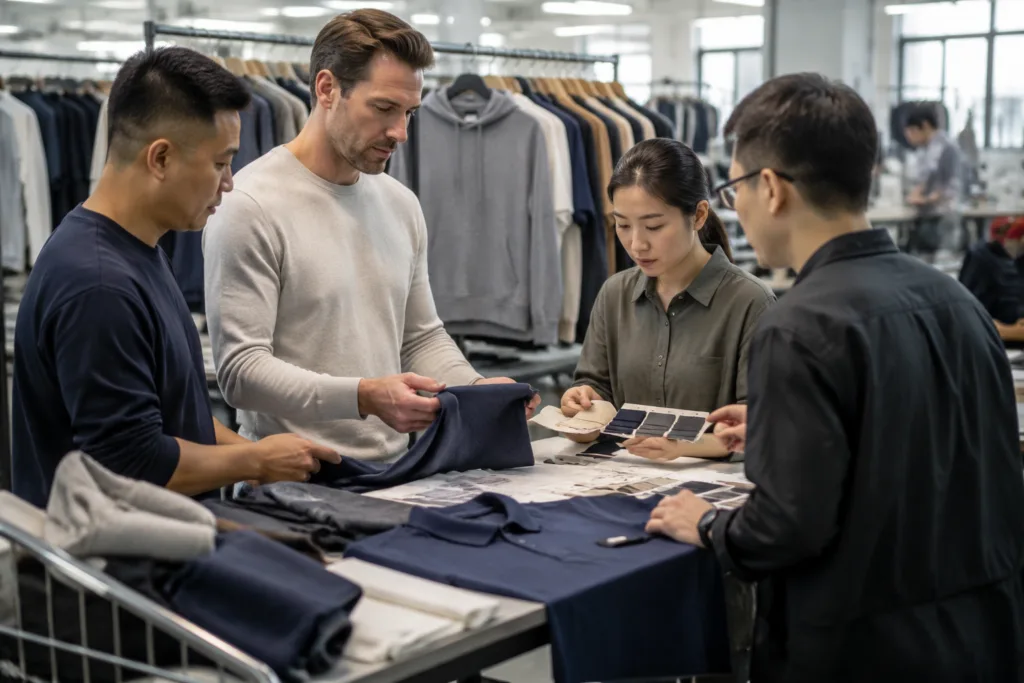
| Factor | Private Label | White Label |
|---|---|---|
| Design ownership | High; custom specs, fit, trims, details | Low to moderate; based on stock styles |
| Brand control | Strong; labels, hangtags, packaging, identity system | Basic to moderate; logo and branding overlays |
| MOQ | Usually higher | Usually lower |
| Sampling time | Longer; development and fit iterations | Shorter; stock base reduces development work |
| Unit cost | Can be higher at low volume, more efficient when scaled | Often lower for small runs |
| Margin potential | Often stronger if positioning and fit are unique | Depends heavily on speed and channel, usually less defensible |
| Best fit | Brands building long-term SKU identity | MVP launches, events, teamwear, fast replenishment |
Definitions and scope
What private label means in apparel manufacturing
In apparel, private label usually means a product made for your brand with your branding system and some level of unique product development. That can include custom fabric selection, GSM choice, pattern development, grading, size specifications, trim selection, color standards, labels, hangtags, and packaging. In some cases it starts from a factory block or existing pattern, but the final product is developed to represent your brand rather than a generic stock item.
A few plain-English terms matter here. GSM means grams per square meter, a simple indicator of fabric weight. Tech pack means the product instruction file that tells the factory what to make, including measurements, materials, artwork placement, construction details, and labeling instructions. Grading means scaling one approved sample size into a full size run such as S to XXL. Trims means the non-fabric components such as labels, drawcords, zippers, buttons, elastic, and packaging elements.
What white label means in apparel manufacturing
White label apparel usually starts with an existing product developed by the manufacturer. The garment shape, pattern, construction, and often fabric are already set. The buyer applies their brand through neck labels, hangtags, simple logo decoration, outer packaging, barcode stickers, or minor color and trim changes depending on the supplier’s flexibility.
This route is common for basic T-shirts, polos, hoodies, training tops, teamwear pieces, and event merchandise because it reduces development time. It can also work well when the buyer needs to validate demand before investing in full product development.
Common variations and hybrid models
In real manufacturing, many projects are not purely one or the other. Buyers often choose semi-custom programs: a stock body with custom labels, custom embroidery, color matching, or upgraded packaging. Some start with white label to test fit and sales, then move into custom fabrics, revised patterns, and private label specifications after the first reorder. That transition can be efficient if it is planned early.
For teams or startups with limited cash flow, hybrid programs can also pair speed with sensible cost control, especially when using low MOQ clothing manufacturing options before committing to a broader custom range.
Core difference: brand control
Labels, packaging, barcodes, and identity
Brand control is one of the clearest dividing lines. With private label, your neck label, size label, care label, hangtag, polybag sticker, carton marks, and barcode system can all be aligned to your retail or marketplace requirements. You can build a consistent unboxing experience and stronger visual identity across products.
With white label, your control is usually limited to overlays. You may be able to add a main label, a front chest print, or custom packaging, but the product itself may still look and feel similar to what other buyers are ordering from the same base style.
Exclusivity and channel impact
This matters if you sell in boutiques, on your own site, through distributors, or on marketplaces where product comparison is easy. A private label garment with a distinct fit, fabric hand feel, and trim package is harder to compare directly on price. A white label product can still perform well, but the competitive moat is usually thinner unless your channel advantage is speed, audience access, or bundle strategy.
Trademark and IP considerations also matter. If you are building long-term brand equity, you should clarify who owns artwork, custom patterns, molds for special trims if any, and packaging files. In our factory work, we encourage brands to define this before development expands.
Core difference: customization depth
How far can you change the garment?
Private label gives you more room to shape the product itself. You can adjust silhouette, body length, shoulder width, sleeve shape, collar construction, cuff tension, stitch density, seam finishing, paneling, pocket design, and fabric blend. This is where a brand can create a recognizable fit rather than just a logo placement.
For example, a golf polo program may need moisture management, stable collars, reduced transparency, and a balanced drape. A gym T-shirt may need stretch, recovery, underarm mobility, and a slightly longer back hem. These are product decisions, not just branding decisions.
White label is more limited. The manufacturer may allow color selection, logo placement, relabeling, and selected decoration techniques, but the body shape and construction usually remain fixed. That can be perfectly suitable if your selling point is not product originality.
Patterns, grading, and fit consistency
Private label development normally includes more work on measurements and fit approval. Once a sample is approved in one size, the grading rules should be reviewed so the full size run behaves properly. Poor grading is a common reason for customer returns. A medium may look good, but if the chest and sleeve increments are not balanced, the larger sizes can feel wrong quickly.
When buyers need more control, we often recommend documenting chest width, body length, shoulder slope, sleeve opening, neck drop, and tolerance. Tolerance means the acceptable production variation, such as plus or minus 1 cm on a finished measurement. Without that written standard, quality discussions become vague.
If you want to understand how this comparison sits alongside broader sourcing models, our article on OEM vs private label vs wholesale comparison can help place apparel development choices in a wider decision framework.
Decoration methods and when they change the project type
Embroidery, screen printing, heat transfer, sublimation, and woven labels all affect cost and production setup. A simple front logo on a stock hoodie may remain a white label project. But once you request custom neck tape, special drawcords, woven hem labels, revised pattern measurements, and branded packaging, the program starts moving toward private label territory, even if the original body came from a stock style.
| Customization area | Usually white label friendly | Usually private label territory |
|---|---|---|
| Main label swap | Yes | Yes |
| Hangtag and barcode sticker | Yes | Yes |
| Chest embroidery or print | Yes | Yes |
| Custom fabric blend | Rare | Yes |
| Revised pattern and fit | Rare | Yes |
| Unique trim package | Limited | Yes |
| Custom grading rules | No | Yes |
Core difference: MOQ and scalability
Typical MOQ logic
MOQ, or minimum order quantity, is driven by fabric purchasing, cutting efficiency, trim setup, decoration setup, and production line practicality. White label programs usually have lower MOQs because the base fabric and pattern are already in use. Private label programs tend to require higher commitments because the factory may need to source custom fabric, make new patterns, test color matching, and set up branded trims.
A realistic MOQ depends on the product category. A simple stock tee may be possible in a relatively small run. A fully custom jacket with special zippers, custom lining, and brand-specific packaging usually needs a larger commitment to be commercially sensible.
How to reduce MOQ pressure
There are several ways to control MOQ without compromising the program too early. Keep colorways focused. Use one fabric across multiple styles. Delay niche size extensions until reorder data is available. Share common labels and packaging across a launch collection. Approve one decoration method instead of several. Build a phased launch rather than too many SKUs at once.
Another practical tool is a structured sample and pre-production plan. A clear apparel sampling process for private label projects helps reduce expensive restarts and keeps the jump from sample to bulk more predictable.
Scalability is not just about the first order
Some buyers choose white label because the opening order is easier. That can be the right decision. But if the product sells well and the brand later wants exclusivity, better fit, or premium margin, the migration path matters. We often advise buyers to ask early whether the factory can support both stock-based and more customized production later. At Ninghow, this is often part of the initial decision discussion because the first launch should not block future development.
Core difference: cost structure and profitability
Where the money goes
White label generally reduces development cost because pattern making, fit engineering, and some sourcing work are already completed. Private label adds costs such as sample development, measurement review, pattern revision, custom trim setup, and more coordination. However, private label may improve price integrity and margin if customers perceive the product as unique and worth a stronger retail position.
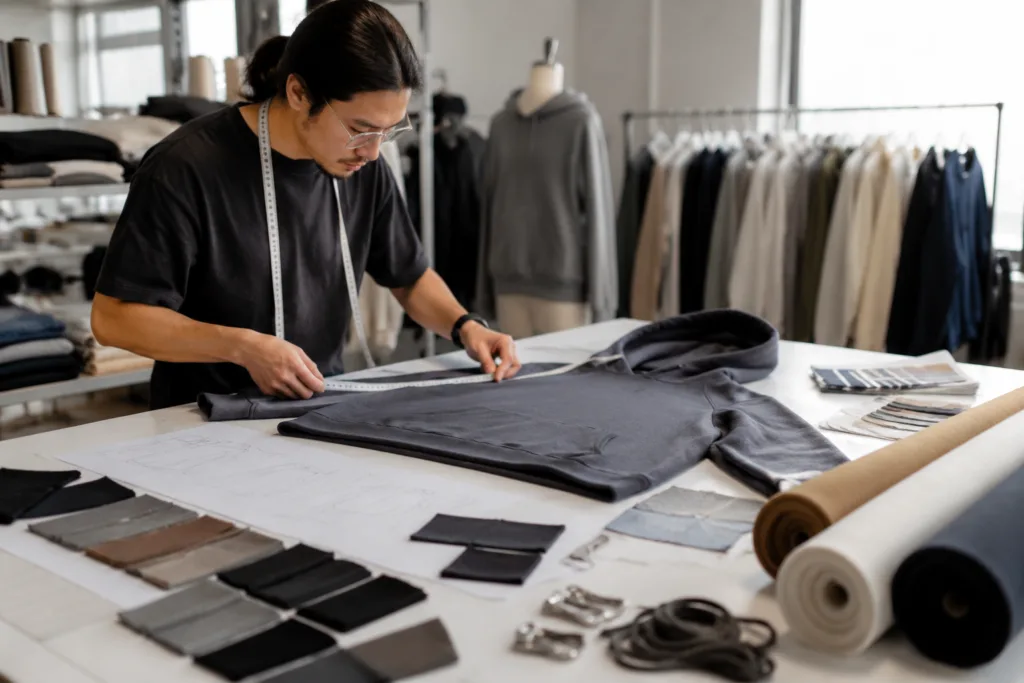
Typical cost buckets include fabric, decoration, sewing labor, trims, labels, hangtags, packaging, pattern development, sampling, quality control, freight, duties, and sometimes testing. The real comparison should look at total program cost, not just ex-factory unit price.
Simple margin example
| Scenario | White Label Tee | Private Label Tee |
|---|---|---|
| MOQ | 150 pcs | 500 pcs |
| Development cost | Low | Higher |
| Ex-factory unit cost | Lower to moderate | Moderate |
| Retail positioning | Entry to mid | Mid to premium |
| Repeatability advantage | Fast replenishment | Brand differentiation |
| Margin defense | Weaker if easily comparable | Stronger if fit and feel are distinct |
The takeaway is not that private label is always more profitable. It is that profitability depends on your brand proposition. If you cannot communicate or sell the added value, extra customization may simply increase cost. If your audience cares about fit, identity, and detail, customization can support healthier pricing.
Hidden costs buyers often miss
Commonly overlooked costs include re-sampling after measurement changes, lab dips or color matching rounds, packaging redesign, compliance labeling corrections, carton optimization, failed print strike-offs, third-party inspections, and freight shifts caused by missed shipment windows. We also see buyers under-budget for photography samples and courier costs during development.
Who each route fits best
When white label is the smarter route
- Testing a new product idea with limited capital
- Launching quickly for a season, event, or campaign
- Supplying schools, clubs, teams, or corporate programs where branding overlays are enough
- Running short-term merchandising or promotional apparel
- Starting with simple core products before investing in deeper design work
When private label is the better route
- Building a long-term brand with distinct fit and identity
- Targeting premium or mid-premium price positioning
- Needing control over fabric quality, GSM, hand feel, and construction details
- Planning repeatable core SKUs and seasonal updates
- Wanting more exclusivity across wholesale, retail, and online channels
Production workflow comparison
White label workflow
White label production is usually: select stock style, confirm available colors and sizes, submit logo artwork, approve label and packaging options, confirm sample or decoration strike-off if needed, place order, run bulk, inspect, and ship. The process is shorter because the garment architecture already exists.
Private label workflow
Private label normally follows a fuller path: tech pack review, material suggestions, pattern development or pattern revision, first sample, fit comments, revised sample, pre-production sample, bulk material approval, bulk cutting and sewing, inline inspection, final inspection, packing, and shipment. This route needs stronger documentation and disciplined approval timing.
Lead times vary by category, season, and fabric availability, so buyers should always ask for a realistic apparel production timeline and lead times breakdown instead of one general promise.
Sampling and fit control
How to structure fit trials
For white label, one branded sample may be enough if the stock fit is already accepted. For private label, we recommend treating sample approval in layers: visual review, measurement review, fit trial, construction review, and decoration review. Keep comments consolidated in one file. Conflicting comments from multiple stakeholders are one of the biggest causes of delay.
A practical fit process is to appoint one fit decision-maker, test the sample on the intended body type, compare it against target measurements, and approve grading rules before bulk. If your brand serves a niche market such as athletic builds or youth teams, this matters even more.
Sample request checklist
- Target use: casual, training, golf, teamwear, retail
- Fabric composition and target GSM
- Required stretch, drape, opacity, breathability
- Artwork files and decoration size
- Label set: neck, size, care, hangtag
- Measurement chart with tolerance
- Packing instructions and barcode requirements
Quality control and consistency
QC checkpoints brands should demand
Whether the project is white label or private label, quality control should not wait until the end. We recommend checkpoint thinking: incoming material review, decoration approval, inline sewing checks, measurement audits during production, and pre-shipment inspection. If the program is highly customized, pre-production approval becomes even more important because many errors start before bulk cutting.
Specification documents should include measurements, tolerated variation, approved fabric reference, approved color standard, approved trim list, logo placement size, stitch expectations, and packaging method. Without this, “good quality” stays subjective.
Consistency across repeat orders
Repeatability depends on record keeping. A factory should retain approved samples, final spec sheets, grading rules, print or embroidery approvals, and packaging references. This is where private label programs usually become stronger over time: once the standards are locked, consistency improves and future orders become easier to manage.
Supply chain, lead time, and risk considerations
What slows production down
Fabric dyeing, trim sourcing, logo approval, sample revisions, holiday periods, and shipping congestion all affect lead time. White label may reduce some risk because core materials are already active. Private label creates more moving parts, so the buyer should build buffers into the launch calendar.
How to reduce risk
- Consolidate colors in the first order
- Freeze specs before bulk approval
- Set written acceptance criteria for measurements and decoration
- Use staged production for larger programs
- Approve packaging early, not after garments are finished
- Keep one source of truth for comments and revisions
A practical decision framework
Step-by-step scoring approach
Ask your team to score each item from 1 to 5.
- Need for unique fit or design identity
- Urgency of launch timing
- Tolerance for development cost
- Tolerance for inventory risk
- Need for strong brand presentation and exclusivity
- Likelihood of repeat orders and long-term SKU planning
If uniqueness, repeatability, and brand identity score high, private label is usually the better fit. If speed, low development complexity, and lower first-order risk score high, white label is often the more practical route. Hybrid programs are often the answer when the scores are mixed.
Supplier evaluation checklist
Technical questions to ask
- What is the MOQ by style, color, and size ratio?
- Can you support relabeling only, or also pattern and fit changes?
- What tech pack details do you need from us?
- What decoration methods are available in-house or managed directly?
- Can you source custom trims and branded packaging?
Operational questions to ask
- What are sample lead times and bulk lead times?
- How many sample rounds are typical for this product type?
- Do you support phased orders or mixed launch plans?
- What payment structure applies to sampling and production?
- How do you handle peak season scheduling?
Quality and traceability questions to ask
- What inspection checkpoints do you use?
- How are measurement tolerances documented?
- Do you keep approved sample references for reorders?
- How do you manage color consistency across batches?
- What testing or compliance support can you coordinate if needed?
Common mistakes and how to avoid them
One common mistake is over-customizing too early. If demand is unproven, too many custom fabrics, colors, and trims can lock you into high MOQs and slow learning. Another is underestimating packaging and labeling requirements, especially for retail or marketplace channels. We also see brands approve a sample visually without properly checking measurements, only to face avoidable return issues later.
The simplest way to avoid these problems is to align the route with the stage of the business. White label is often for proof of demand. Private label is often for building defensible brand value. Problems start when a brand expects one route to behave like the other.
Two anonymized examples from manufacturing practice
Example A: startup moving from MVP to brand program
A small apparel startup began with stock-based training tops and custom labels to test market response. That white label launch kept cost and complexity under control. After two successful reorders, the brand introduced a private label version with revised fit, heavier fabric, and upgraded trims. The second phase worked because the team used first-stage sales data to narrow colors and sizes before investing in customization.
Example B: sports team buyer using a hybrid model
A teamwear buyer needed quick delivery across multiple squads but still wanted stronger identity than a plain stock garment. The solution was a semi-custom route: stock performance tops with team embroidery, woven labels, and standardized packaging by age group. This was not full private label, but it delivered better presentation without the timeline and MOQ burden of a fully custom range.
Actionable next steps for each route
If you choose white label
Prepare your target styles, size range, logo files, label requirements, and launch date. Ask for available stock bodies, color options, decoration guidance, and one branded sample. Keep the first range tight and use sales feedback to identify which products deserve deeper development later.
If you choose private label
Prepare a tech pack or at least a measurement chart, fabric target, reference images, artwork files, trim requirements, and packaging notes. Budget for sample rounds, fit refinement, and extra lead time. Define who approves samples and how comments will be consolidated. A focused first collection is usually more effective than too many custom SKUs at once.
FAQs

Can I add my logo to a white-label garment?
Yes, in many cases you can add your logo to a white-label garment through embroidery, screen printing, heat transfer, relabeling, and branded hangtags. The main limitation is that the underlying garment shape, fabric, and construction are usually pre-set, so your branding changes the presentation more than the product architecture.
Is private label clothing more expensive than white label clothing?
Usually yes at the start, because private label often includes pattern work, sample development, custom trims, and more sourcing coordination. However, higher development cost can make commercial sense if the product gives your brand better differentiation, stronger price positioning, and a more repeatable long-term SKU structure.
What is a realistic MOQ for private label apparel?
A realistic MOQ depends on the garment type, fabric, color count, and trim complexity. Simple categories may stay manageable, while fully custom styles with special materials or hardware generally require higher quantities to make sourcing and production efficient. Buyers should always ask for MOQ by style, by color, and by size ratio rather than one single number.
When should a brand choose private label clothing vs white label clothing?
A brand should usually choose white label when speed, lower first-order risk, and simplified execution matter most. Private label is usually the better choice when fit, exclusivity, product detail, and long-term brand identity are central to the business model. If both needs are present, a hybrid launch can be a practical middle path.
Do I need a tech pack for white label production?
Not always. For many white-label orders, artwork files, branding instructions, size selection, and packaging requirements may be enough. For private label, a tech pack becomes much more important because it reduces misunderstanding around measurements, materials, trims, decoration placement, and construction expectations.
How can I reduce quality issues before bulk production?
The most effective approach is to approve the right documents and samples before bulk starts. That means a clear measurement chart with tolerance, confirmed fabric and color references, approved artwork application, and a pre-production sample when the project is customized. Consistent records and mid-production checks usually prevent more problems than final inspection alone.
Conclusion
Choosing between private label clothing vs white label clothing is less about industry buzzwords and more about matching product strategy to business reality. White label helps brands move fast, test demand, and control early risk. Private label gives stronger product identity, better brand control, and more room to build long-term margin through fit, fabric, and finish. The right answer depends on how much uniqueness you need, how quickly you need to launch, and how ready you are to manage development work. If your team uses this guide to define priorities, document expectations, and brief manufacturers clearly, your sourcing decision will be more confident and your production path will be easier to manage.