




Introduction: Why Long Sleeve Cotton Polo Shirts Lead in Workwear and Corporate Attire
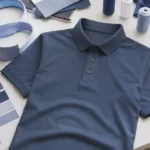
Long sleeve cotton polo shirts deliver essential balance for uniforms in diverse environments—offices, warehouses, outdoor teams, and retail. Their comfort, durability, and professional appearance make them a go-to choice, especially through autumn and winter, where functional warmth and brand visibility both matter. For apparel brands, sourcing teams, and buyers, choosing the right long sleeve polo is more than picking a color or silhouette. Success hinges on small fabric decisions, cuff construction, logo techniques, and post-wash stability that drive cost, quality, and user satisfaction.
For readers evaluating production solutions or apparel sourcing, a useful next step is to find out more about polo shirts manufacturers. This dedicated category page provides a focused look at manufacturing capabilities, custom options, and category scope for branded polo shirts. It also helps to review industry standards and production practices related to corporate and workwear polos at Ninghow, supporting practical sourcing decisions and factory selection.
Understanding Fabric Weight and Yarn for Long Sleeve Cotton Polos
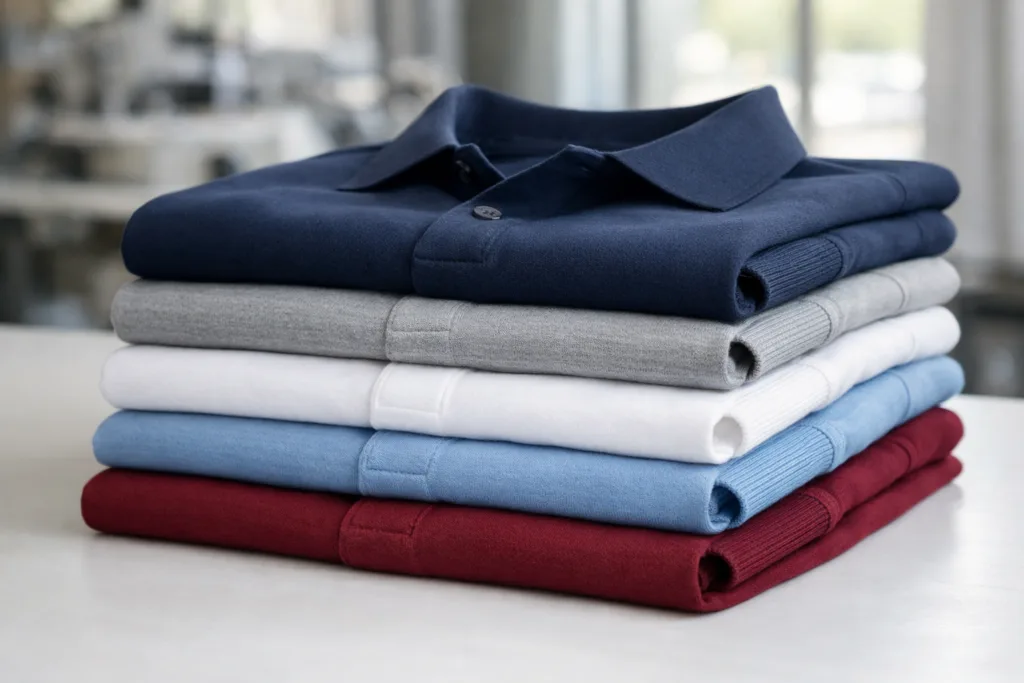
Fabric weight, measured in grams per square meter (gsm), determines the shirt’s warmth and durability. For workwear and corporate polos, 180-220gsm is standard—lighter for indoor use, heavier for outdoor or cooler climates. Yarn type matters too: combed cotton offers softness and better pilling resistance, while ring-spun yarns enhance uniformity and strength. Fine gauge yarns (30s, 28s) bring smoother texture, while coarser (24s, 20s) deliver robustness, critical for team apparel facing daily wear.
Sleeve Construction: Cuff Designs and Practical Trade-Offs
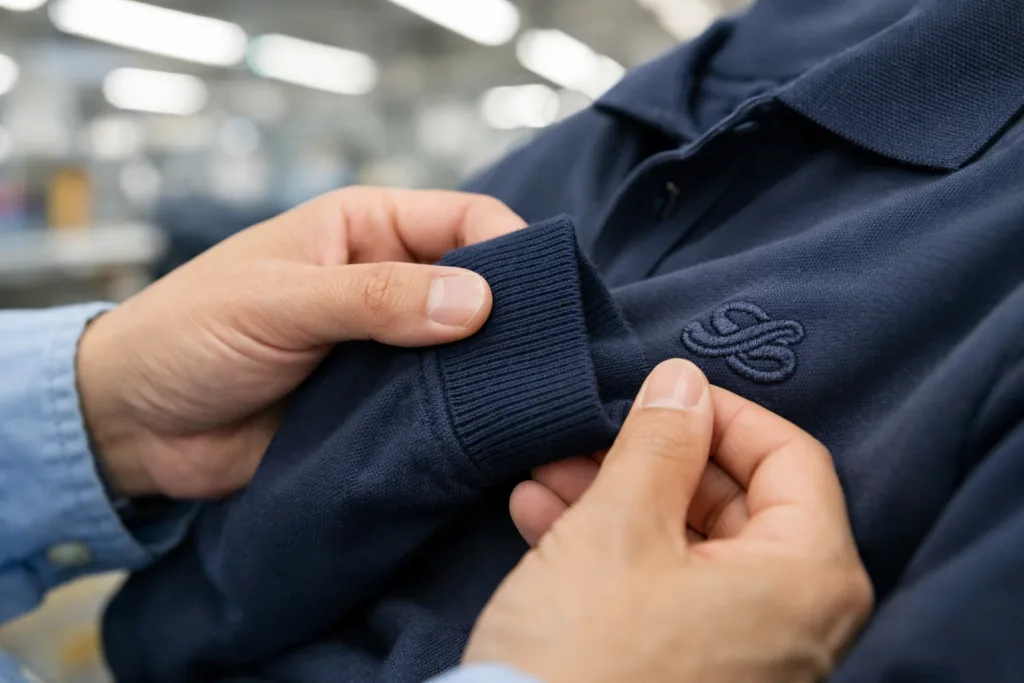
Sleeve cuff choices influence both the look and performance. Ribbed cuffs offer secure fit and keep warmth in, popular where safety or activity is involved. Plain hem cuffs feel relaxed, but aren’t as functional for uniformed teams. With mass production, ribbed cuffs require careful pattern grading for consistency—a detail Ninghow’s manufacturing teams emphasize, preventing over-tightness or seam stress in bulk orders.
Collar Shapes: Style, Structure, and Purpose
Corporate polos typically use a classic flat knit collar for neatness and stability. Pointed collars enhance formality, ideal for executive uniforms or business polos. For durability, double-layer knit collars resist curling or warping after repeated washes, crucial when polos serve as long-life workwear. Some brands request fusion collars (with interlining) for extra stiffness, but need to balance cost impacts versus functional value.
Long Sleeve Cotton Polo Shirts: Post-Wash Stability and Lifecycle Expectations
One persistent challenge in sourcing is ensuring shirts retain size and shape after laundering. Cotton polos can shrink, twist, or fade if garment finishing isn’t robust. Pre-shrunk fabrics, reactive dyeing, and stabilized trims minimize risk. Ninghow recommends buyers demand lab wash tests during sampling or review QC processes for shrinkage and colorfastness—saving costly returns or uniform complaints down the line.
Logo Placement and Techniques: Matching Fabric and Use Case
For workwear, logo visibility and durability are key. Embroidery works well on heavier cotton, offering rich texture and wear resistance. Heat transfer prints suit lighter polos and detailed designs, but risk cracking if the base fabric is too thick. Silicone and flocking prints provide tactile options for premium branding. Logo placement must avoid seam clusters and ribbed cuffs—high chest, sleeve, and back yoke are most practical. The choice of method reflects both budget and intended lifespan.
Matching Workwear Needs with Fabric Performance
Polo shirts seen in team and corporate settings must balance breathability with insulation. Cotton allows moisture to evaporate, preventing overheating. For colder seasons, heavier cotton or blends (with polyester) improve resilience to repeated washes and color retention. These blends are often selected for team uniforms exposed to frequent laundering. When performing procurement analysis, consider not just initial hand-feel, but also lifecycle cost and fabric-specific maintenance impacts.
Color Selection and Dyeing: Ensuring Corporate Consistency
Brand identity hinges on color accuracy. Corporate polos require batch-to-batch color consistency—usually achieved with reactive dyes for cotton. Challenges arise when brands want Pantone-matched shades or mix materials (collar/rib or body with poly/cotton). In manufacturing, pre-dyeing yarn delivers more stable color control than garment dyeing, but can limit flexibility for smaller orders. For teams facing global rollout, lab color fastness testing is worth including in sample review stages.
Pattern and Fit Considerations for Team Apparel
Uniform polos need relaxed yet structured fits. Typical corporate measurements allow room for layering but avoid bagginess, keeping personnel looking sharp. Pattern grading for bulk orders must account for regional body shape variation—something Ninghow’s pattern teams flag during spec development, ensuring uniforms suit diverse wearers. For custom programs, fit testing with sample groups before bulk is recommended.
Comparing Work Polo Shirts with Collared Business Shirts
| Polo Shirt Feature | Collared Shirt Feature |
|---|---|
| Cotton knit, flexible, minimal ironing | Woven fabric, crisp, higher maintenance |
| Logo options: embroidery, print | Usually embroidered or patch |
| Sleeve cuffs: ribbed or plain | Buttoned, adjustable cuffs |
| Fit: casual to smart | Fit: formal, tailored |
For more nuanced guidance comparing key uniform categories, readers may want to review collared shirts vs. polo shirts for practical sourcing insights.
Customization and MOQ: What Brands Should Plan For
Minimum order quantities (MOQ) often depend on fabric selection and logo technique. Custom color, special collar/yarn, or unique cuff design may trigger higher moqs or price step-ups. For smaller brands, using standard base fabrics and colors, with simple logo placement, streamlines production and minimum requirements. Sourcing teams should map customization priorities closely to budget and timeline.
Fabric Testing and Quality Control Steps
Pre-production inspection includes fabric lab tests for strength, pill resistance, shrinkage, and color fastness. Post-production QC checks for stitching accuracy, collar retention, cuff shape, and logo adhesion. For buyers, asking for factory QC reports or random bulk samples prevents shipment surprises. Ninghow’s quality team documents test results for comparison, helping brands ensure reliability.
Labeling, Packaging, and Delivery Considerations
For organization-wide rollouts, packaging choices impact distribution ease. Folded collar, sleeve support, and logo-facing pack saves time during uniform deployment. Private label options (brand tags, custom care labels) reinforce brand identity but may add lead time. Delivery schedules should account for production, QC, and shipping—advanced planning reduces bottlenecks for seasonal launches.
Price Drivers for Long Sleeve Cotton Polos
Several factors drive unit cost. Raw cotton price, yarn quality, collar and cuff design, complex logo techniques, and special washes (enzyme, anti-pill) all impact pricing. Bulk uniform programs can leverage scale efficiencies, but strict QC adds modest cost. Buyers should request transparent breakdown from manufacturers to clarify budget impacts.
Autumn/Winter Teamwear Programs: Polo Shirt Application
Long sleeve polos form the backbone of autumn and winter teamwear—layering under jackets, serving as standalone branded shirts, and meeting both warmth and uniformity needs. Sourcing teams often prioritize thicker gsm, ribbed cuffs, and resilient logo placement. Collaboration between design and production teams is essential to avoid design choices that create production delays or sizing inconsistencies.
Logo Craftsmanship: From Concept to Execution
The right logo technique depends on both shirt fabric and brand values. For heavy cotton, embroidery is robust and visually rich. For lightweight polos, print techniques are less likely to distort. Manufacturers must assess logo artwork for stitch count or ink thickness, adjusting placement and method to match both fabric and code requirements. Sourcing teams are wise to consult early with sampling teams, ensuring reproduction is faithful and durable.
Post-Wash Durability: Ensuring Longevity in Team Apparel
Long sleeve cotton polos are expected to withstand frequent home or institutional washing. Quality is determined by not just initial appearance, but retained fit, color, and logo clarity after wash cycles. Advanced garment finishing—such as anti-pilling, preshrunk, and even odor treatments—extend lifecycle. It’s practical for brands to request post-wash test results before final approval.
Procurement Strategy: Balancing Customization and Lead Time
Sourcing teams must consider trade-offs between custom features and delivery schedules. Highly customized polos (unique fabric, collar, logo) require more development time and risk delays, particularly if specialty trims are imported. Efficient order processing, coupled with clear spec sheets and fit approvals, reduces cycle time and ensures reliable launches.
Sourcing Secrets: Best Practices for Custom Team Polo Shirts
Successful sourcing involves detailed spec development, factory sample approval, and regular communication across sampling, bulk production, and QC. Brands targeting club, event, or corporate programs can discover valuable tips in sourcing secrets for custom team polo shirts covering artwork setup, MOQ negotiation, and QC planning.
Environmental Considerations for Corporate Polo Sourcing
Sustainability plays a growing role. Organic cotton, recycled trims, and low-impact dyes support eco-friendly procurement. Buyers can request certifications or eco-testing during sampling. Manufacturers with sustainable sourcing experience, such as Ninghow’s compliance team, can advise on trade-offs between cost and environmental impact in production planning.
Innovative Trims and Special Features
Team polos occasionally include anti-odor treatments, anti-static finishes, or unique trim elements like reflective piping or badge pockets. While these features add functional value, they must be balanced against production complexity and budget constraints. Early sampling and prototype reviews help ensure feasibility and avoid late-stage surprises.
Long Sleeve Cotton Polo Shirts for Workwear and Corporate Use
This section covers the core qualities, sourcing logic, and practical manufacturer insights guiding procurement for long sleeve cotton polos deployed as workwear or corporate uniforms. By prioritizing stable fabric weight, reliable yarn types, thoughtful cuff and collar construction, and durable logo techniques, brands and buyers secure value and longevity for their uniform programs.
Summary: Top Takeaways for Apparel Brands and Sourcing Teams
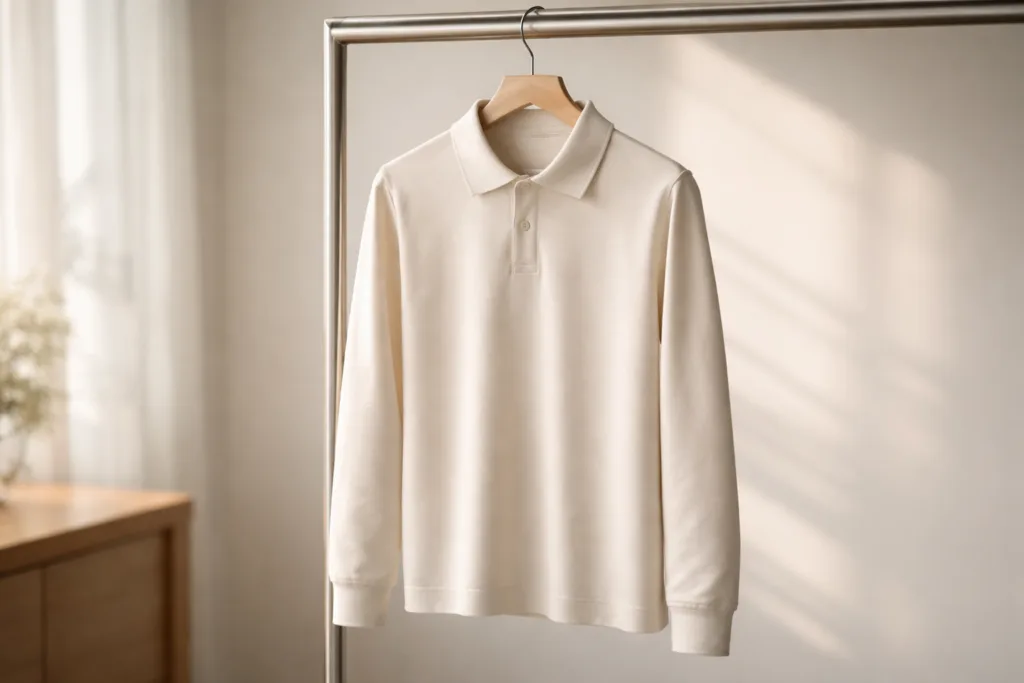
Long sleeve cotton polo shirts give brands a powerful option for corporate and workwear uniforms: combining comfort, branding flexibility, and durability. The best results stem from pairing the right fabric weight and yarn, choosing practical cuff and collar styles, aligning logo technique to shirt use, and demanding post-wash stability. Early-stage sampling and thorough QC cut risk and ensure cohort satisfaction—whether rolled out for a team, office, or frontline staff.
Frequently Asked Questions
What fabric weight is ideal for corporate long sleeve polos?
180-220gsm is recommended, based on climate and layering needs. Heavier for outdoor work, lighter for office environments.
How can shrinkage and color fading be prevented?
Use pre-shrunk fabrics, reactive dyeing, and request post-wash tests from manufacturers to verify stability before bulk production.
Which logo technique is most durable for workwear polos?
Embroidery lasts longest on cotton, especially for high-wash uniforms. Heat transfer is suitable for lighter fabrics and detailed logos but can wear faster.
Are ribbed cuffs better than plain cuffs for team uniforms?
Ribbed cuffs provide a secure fit and retain warmth, making them preferable for team and workwear polos exposed to physical activity or colder seasons.
What is the typical MOQ for custom long sleeve cotton polos?
MOQ varies by fabric and customization; standard styles may start from 200 pieces, while unique designs require higher minimums.
How is collar shape selected for corporate polo shirts?
Flat knit collars are most common for neatness; pointed collars or fused collars add formality but may influence price and production time.