


Introduction: Facing Real Challenges in Bulk Teamwear Production
Bulk teamwear production presents unique challenges that can seriously impact quality, branding, and delivery timelines. Problems like color mismatches, size inconsistencies, logo discrepancies, and delayed deadlines are common, but avoidable. Understanding these issues—and knowing how to preempt them—can turn a risky project into a success story. As a teamwear manufacturer, controlling production risks starts with awareness and practical steps. This article explores common problems in bulk teamwear production and how to avoid them, sharing actionable insights every apparel buyer and brand manager needs.
Bulk Teamwear Production: What Makes It Unique?
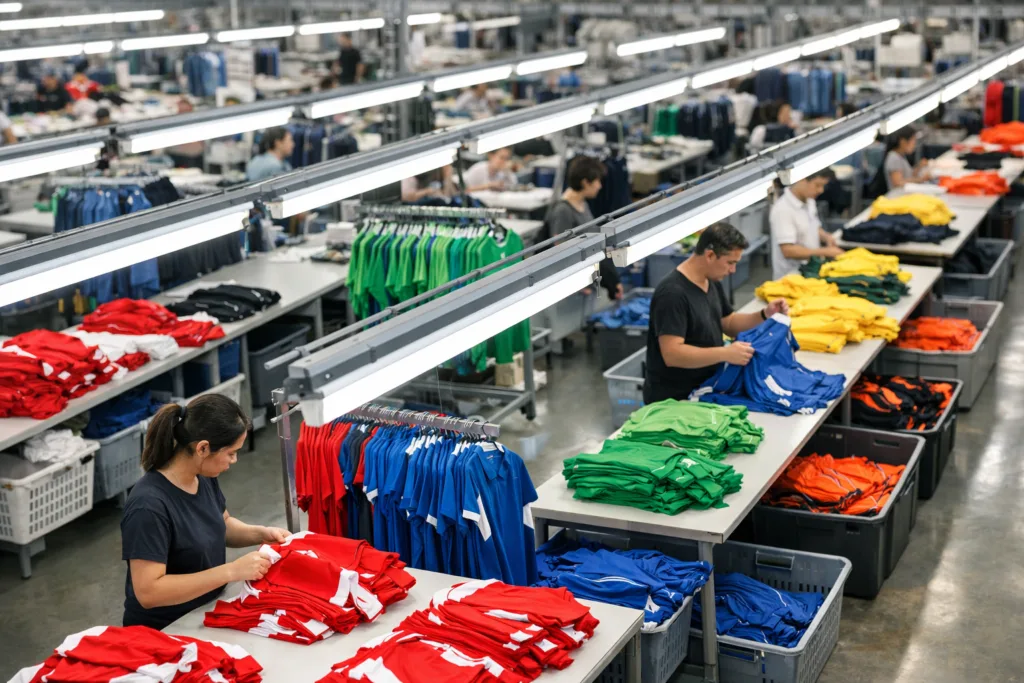
Bulk teamwear production involves creating coordinated outfits for clubs, sports teams, schools, or businesses, typically in large quantities. Unlike generic apparel, every piece must match in color, size, and branding, requiring meticulous attention to detail. The risk of errors multiplies because even a small mistake affects hundreds or thousands of units.
The Most Common Problems in Bulk Teamwear Production and How to Avoid Them
From factory floors to global shipments, these hurdles often surprise buyers:
- Color Differences (Shade Variance)
- Size Deviations and Inconsistency
- Logo Placement and Branding Errors
- Delayed Production and Delivery
- Fabric Substitutions
- Stitching and Construction Flaws
- Poor Packaging or Mismatched Labels
Why Do Color Differences Happen?
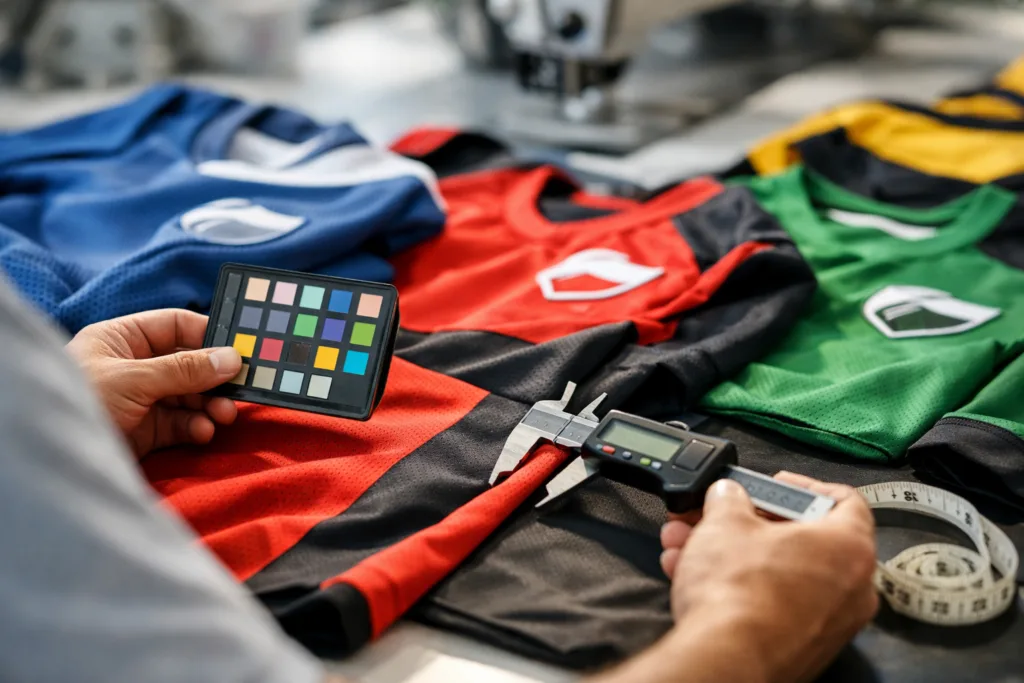
Color discrepancies arise when fabric batches are dyed separately or when bulk production involves multiple machines—and sometimes even different suppliers. Lighting conditions during inspection and digital color references can also skew shade perception. To reduce risk, establish industry-standard color guidelines and require lab-dips or strike-offs for approval before bulk dyeing. See how the entire custom apparel manufacturing process tackles color matching issues.
Preventing Shade Variance: Smart Factory Practices
Professional teamwear manufacturers group orders by dye batch and perform on-site color checks under daylight and standardized lamps. Keeping strict control over upstream dyeing schedules helps maintain consistency. If shade variance is critical for your project, request a bulk sample from the actual production run—not just from lab-dips—to confirm real-world color stability.
Size Deviations: When Measurements Go Wrong
Even small inconsistencies in fit can lead to uncomfortable or unusable teamwear. Sizing is especially tricky when brands specify international standards (EU, US, Asia) or bespoke fits. To avoid this, ensure precise garment specs and measurement charts are agreed upon early and shared across teams. Double-check measurement methods with a sample before giving the final go-ahead. Read more about the importance of accurate garment measurement for production.
How Teamwear Manufacturers Maintain Fit Accuracy
Factories like Ninghow rely on standardized size sets and lock in patterns after trial samples are approved. Every bulk order starts with a signed sample or size set that gets referenced during bulk cutting and sewing. This alignment reduces costly rework and ensures teams receive the fit they expect.
Logo Placement Mistakes: Small Errors, Big Branding Impacts
Misplaced, mis-sized, or improperly applied logos can undermine a team’s identity and brand value. Most logo mistakes happen during design translation, poor communication, or inconsistent application processes. To fix this, provide high-resolution logo files and a detailed placement guide (including measurements). Approve a branding sample before mass application.
How to Ensure Logo Consistency Across Bulk Orders
Top teamwear manufacturers use automated placement tools and cross-check logos across sizes and styles. They also document every step, from transfer prints to embroidery, so any variation gets caught early. Confirm logo colors using the same Pantone codes in every stage.
Bulk Order Delays: Avoiding Lead Time Surprises
Production timelines often slip due to supply chain disruptions, late approvals, or misaligned factory schedules. Minimize delays by confirming key dates up front—including sampling, bulk production, and shipment. Factories with transparent communication, like Ninghow, provide proactive updates when timings shift, allowing buyers to adjust plans. For reference, learn why China’s apparel supply chain remains stable in global bulk production here.
Fabric Substitution Risks and Solutions
Sometimes, a factory substitutes fabric due to inventory shortages or cost issues, leading to unexpected texture or performance changes. Always request a physical swatch of your chosen fabric and lock it in on your purchase order. Insist on written agreement that substitutions require your approval.
Stitching and Construction Quality: What Can Go Wrong?
Burst seams and uneven stitching can ruin bulk teamwear. These errors happen from rushed sewing, bad thread choices, or skipped QC. To prevent this, review sample finishes and specify seam type, thread, and tolerance. Reliable factories conduct mid-production QC checks—not just end-of-line inspections.
Packaging and Labeling: The Final Impression
Poor packaging leads to wrinkled, damaged teamwear or missing branding labels. Standardize packaging expectations: polybags, cardboard, hangtags, and fiber/care labels. Insist on sample packaging before bulk production.
Quality Control in Bulk Production: Step-by-Step
Quality control starts from raw materials (fabrics, trims) and follows through cutting, sewing, branding, and packing. Factories like Ninghow typically set QC checkpoints at key phases and document test results so problems are caught early. Learn more about essential factory QC and machinery here.
Practical Solutions for Avoiding Common Bulk Teamwear Problems
- Request lab-dips and pre-production samples for color and logo confirmation
- Provide detailed tech packs, measurements, and logo guides
- Lock in sample approval before bulk starts
- Set clear deadlines for each production phase
- Require written confirmation on fabric selection and no substitution clauses
- Ask for mid-production QC checks
- Request sample packaging and labeling for review
How to Choose a Reliable Teamwear Manufacturer for Bulk Orders
Find a manufacturer with strong communication, proven QC systems, and transparent processes. Ask questions about their handling of color, sizing, and branding—if they only show generic answers, move on. Reliability in bulk teamwear production comes from experience, attention to detail, and honesty. For tips, check out how to choose a custom team clothing manufacturer for bulk orders.
Cost vs Quality: Balancing Risks When Ordering Bulk Teamwear
Cheaper bulk orders often cut corners on fabric, finishing, or QC. Investing a bit more in sampling and process checks can lower long-term costs by avoiding rework, returns, and brand damage. Experienced buyers know that consistent quality leads to loyal teams—and predictable brand growth. For a deeper look, read about the cost vs quality equation in apparel manufacturing here.
Bulk Teamwear Production: Real Examples of Problems (and Fixes)
Consider a club ordering matching polos: the first production batch had correct logo placement, but the second batch didn’t align. This error resulted from poor communication between the buyer and factory, alongside missing approval steps. Fixing this involved tightening sample checks and specifying logo positions in millimeters—not just “centered.” Another case involved size mismatches due to outdated spec sheets—avoided in later orders by careful spec confirmation.
How Sampling Prevents Major Bulk Production Risks
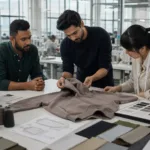
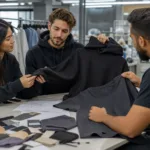
Trial samples are essential for spotting color, size, and branding problems before mass production. Factories like Ninghow stress the value of reviewing samples under natural and artificial light, making adjustments until buyers are fully satisfied. This sample-driven approach saves time and money by catching faults early.
Why Fit Testing Matters for Teamwear Success
Fit testing with real athletes or team members provides insight into movement, comfort, and durability. Only after approving fit should factories begin bulk production, locking in patterns and size charts as signed references.
How Communication Prevents Most Bulk Teamwear Problems
Open, clear communication between buyers and manufacturers eliminates many mistakes. Set up regular check-ins and share updated specs, branding guides, and packaging requests. Document everything for easy review in case of disputes. This level of teamwork is what separates successful bulk orders from stressful ones.
Bulk Teamwear Production and Sustainability: Avoiding Environmental Errors
More brands are requesting eco-friendlier fabrics and packaging for teamwear. Verify recycled or sustainable claims with certificates like OEKO-TEX or GRS. Avoid “greenwashing” by asking manufacturers for physical evidence, including sample labels. Learn 21 practical steps for sustainable manufacturing here.
How to Handle Returns and Rework in Bulk Orders
Even with strict controls, sometimes bulk orders need returns or rework. Design clear policies upfront: who pays for returns, who fixes issues, and what timelines apply. Document QC checks and photographic reports before shipment to streamline claims.
Industry Checklists: Bulk Teamwear Order Essentials
Every bulk order should follow a checklist:
- Lab-dip approval
- Sample sign-off
- Sizing chart confirmation
- Logo placement guide
- Bulk fabric lock-in
- Packaging sample review
- Delivery date confirmation
- Mid-production QC
- Post-production QC
Conclusion: Bulk Teamwear Production—Risk Prevention is the Winning Game
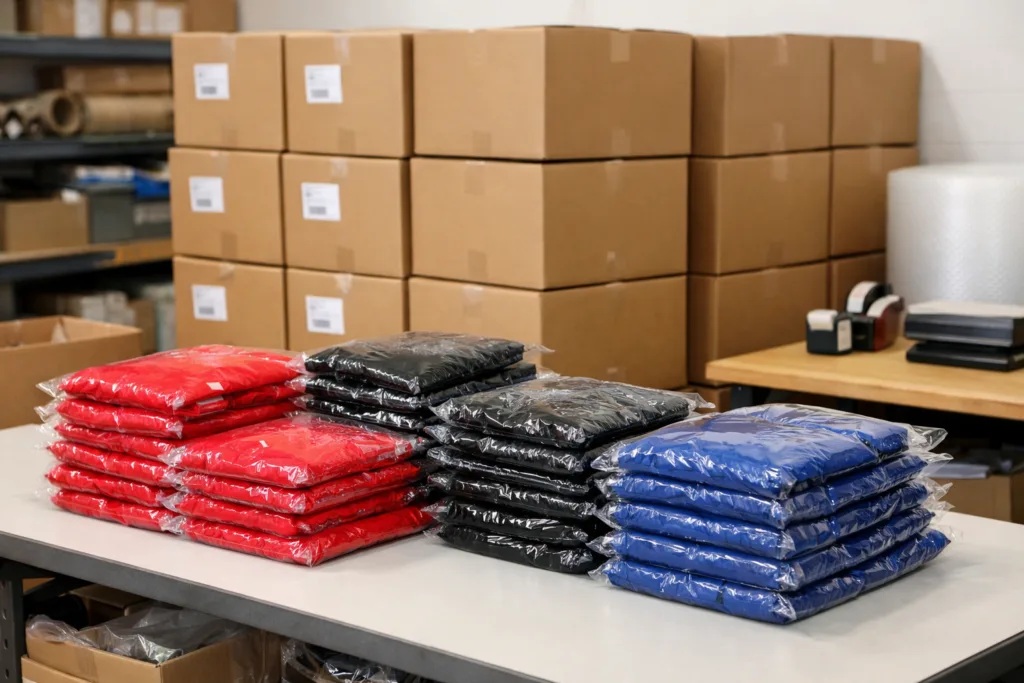
Bulk teamwear production requires attention to detail and proactive risk management. From shade variance to packaging, each step can make or break a team’s image. Invest in clear specs, sample reviews, strong communication, and reliable manufacturers to avoid headaches and deliver winning results. As teamwear production grows more complex and eco-conscious, following these practical steps ensures quality, consistency, and brand longevity.
Frequently Asked Questions
How can I prevent color mismatches in bulk teamwear?
Require lab-dips and bulk fabric samples for approval, confirm colors under both natural and artificial light, and communicate Pantone codes clearly to your manufacturer.
What’s the best way to ensure accurate sizing?
Share detailed measurement charts and specification sheets, approve size sets and samples before mass production, and perform random checks during bulk production.
How do I avoid logo placement errors?
Provide precise logo files and placement guides, approve branding samples, and check application consistency across all sizes and garment styles.
What causes bulk order delays?
Delays often arise from supply chain issues, late approvals, miscommunication, or factory scheduling conflicts. Clarify deadlines and stay in regular contact with your manufacturer.
How can I verify sustainable claims for materials?
Ask for relevant certificates (OEKO-TEX, GRS, etc.), physical sample labels, and audit reports to confirm real sustainability and avoid greenwashing.
What should I do if bulk teamwear arrives with defects?
Document all faults, refer to approved QC and sample records, and consult your manufacturer regarding agreed rework or return policies.
Related Reading
- Launching Successful Private Label Teamwear Brands: Pitfalls & Solutions
- Planning Bulk Teamwear Orders: Sizing, Delivery & Packaging Guide
- Custom Teamwear vs Ready-Made: What’s Right for Your Club?
- The 11 Buyer Questions Pros Ask Before Bulk Team Apparel Orders
- OEM vs ODM for Team Apparel: Which Model Fits Your Brand?