





A reliable quote starts long before a factory calculates a unit price. In custom clothing manufacturing, an early idea must be translated into decisions about product purpose, fabric, fit, decoration, quantity, and quality expectations. The more clearly these decisions are documented, the more comparable supplier quotes become and the less likely a project is to lose time in repeated sampling.
For buyers planning staff apparel, especially hospitality programs, polo shirt production support for hospitality uniform programs can help connect the garment’s work environment with suitable fabric, fit, logo application, private labeling, and bulk-order planning. This is particularly useful when a uniform must look consistent across roles while remaining practical for frequent wear and laundering.
Why an Undefined Apparel Brief Produces Unreliable Quotes
An undefined brief does not create a genuinely low-cost quote; it creates an estimate based on assumptions. One supplier may price a stock cotton piqué polo, while another assumes custom-dyed fabric, a heavier weight, embroidery, and individual packaging. Their figures may look comparable, but the products are not equivalent.
At Ninghow, we find that unclear requirements usually lead to three avoidable problems: quote revisions after details emerge, samples that do not match the buyer’s mental picture, and bulk costs that rise when late changes affect materials or decoration.
- State what is fixed: garment category, intended user, quantity, logo locations, and target delivery date.
- State what is flexible: fiber blend, exact GSM, trim type, packaging level, or color options.
- Ask suppliers to identify the assumptions behind their quote rather than accepting a single unexplained figure.
Key takeaway: A quote is only useful when the product definition behind it is clear enough for two factories to price the same construction.
Start With the Commercial Goal Before Selecting Details
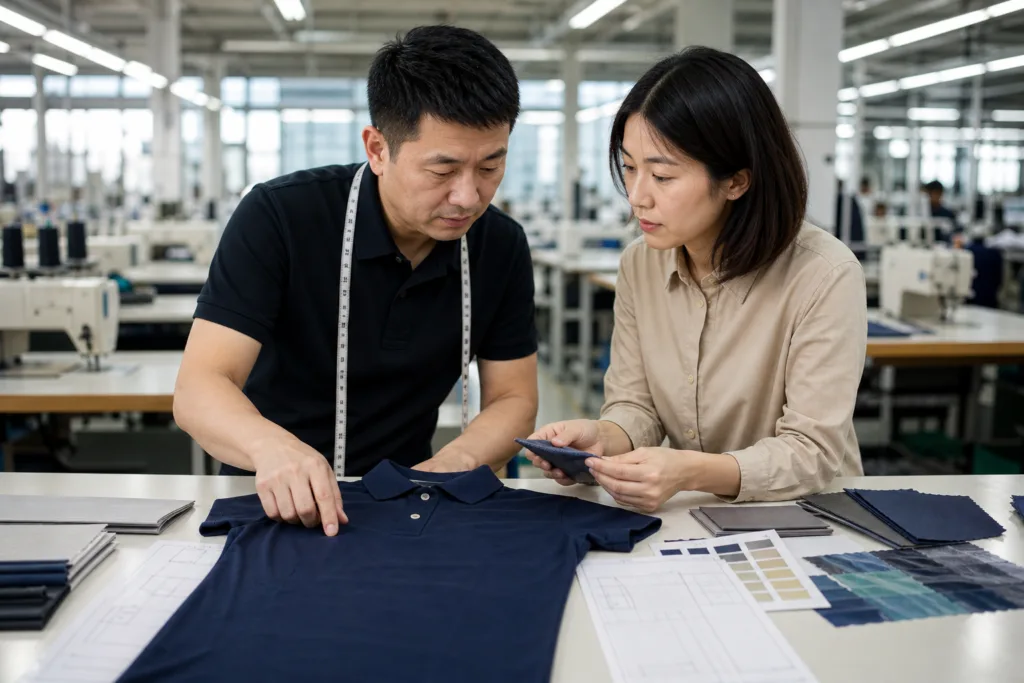
Define who will wear the garment, where they will wear it, how often it will be washed, and the price range the finished product must support. A premium golf polo, a restaurant uniform, and a promotional event shirt can all be called polos, yet they require different fabric performance, finishing, and cost priorities.
| Planning question | Why the manufacturer needs it | Example decision |
|---|---|---|
| Who is the end user? | Guides fit, durability, and comfort | Unisex staff fit versus athletic retail fit |
| What is the use case? | Determines performance and construction | Daily service wear needs easy care |
| What is the target retail or program budget? | Sets practical material and trim choices | Stock buttons instead of custom molded buttons |
| What is the launch quantity? | Influences fabric and color feasibility | One color at 300 units versus four colors at 75 each |
Do not treat a target price as a demand for a factory to “make it cheaper.” Give a target range and explain what value cannot be sacrificed. For example, a team may prioritize color retention and logo durability over a softer hand feel, while a fashion brand may make fabric drape and silhouette non-negotiable.
Choose the Garment Category and Construction Level
Name the base garment and then define how far it departs from a standard version. A basic tee, hoodie, work polo, performance polo, jogger, or jacket has different pattern, machine, material, and finishing requirements. A reference image is useful, but it should be accompanied by notes on which visible features matter.
Construction-level choices include collar type, placket length, sleeve shape, side vents, pocket design, panel seams, binding, rib specifications, zipper type, and reinforcement at stress points. For a practical uniform project, buyers evaluating custom work polo shirt options for service teams should specify whether the priority is a structured appearance, mobility, stain tolerance, or a combination of these factors.
Separate inspiration from specification
Use inspiration images to communicate direction, not to assume exact replication. Mark each image with comments such as “match the collar shape,” “use this color blocking only,” or “similar fit, but longer body length.” This prevents a supplier from copying irrelevant details or overlooking the features that define the product.
Define Fabric by Performance, Not Just Fiber Name
“Cotton” or “polyester” is not a complete fabric specification. Fiber content influences moisture handling, shrinkage behavior, appearance, and cost, but knit or woven structure, yarn quality, GSM, finishing, and stretch all affect the final garment. A 200 GSM cotton jersey and a 200 GSM cotton piqué have distinctly different texture, stability, and use cases.
| Fabric factor | Buyer decision | Production effect |
|---|---|---|
| Fiber composition | 100% cotton, poly-cotton, recycled polyester blend | Comfort, care behavior, cost, and performance |
| Structure | Jersey, piqué, interlock, fleece, twill | Surface appearance, stretch, and garment silhouette |
| GSM | Light, medium, or substantial weight | Opacity, hand feel, drape, and material consumption |
| Finish | Wicking, brushing, enzyme wash, anti-pilling | Hand feel and suitability for the use case |
Specify a desired range when the exact GSM is unknown, such as “approximately 180–200 GSM, breathable but not sheer.” Request swatches or a sample yardage review before locking the fabric. Dark colors, white garments, and fitted silhouettes deserve extra attention because opacity and stretch recovery become more visible.
Color also requires planning. Standard available shades can simplify early development, while custom shades need lab dips and additional confirmation. For programs that require repeatable brand tones, custom fabric dyeing for consistent dark uniform colors may be appropriate, but buyers should allow time for color approval and recognize that small quantities can limit dye-lot efficiency.
Plan Fit, Sizing, and Grading Before Bulk Production
Fit approval is not simply deciding whether one sample feels comfortable. It means defining the intended silhouette, base size, measurement points, grading between sizes, and acceptable tolerances. A relaxed unisex garment, a fitted women’s style, and an athletic cut need separate pattern logic; labeling all three “standard fit” invites inconsistency.
- Provide a reference garment if it represents the desired fit, and identify its labeled size and actual measurements.
- Create a measurement specification for chest, body length, shoulder, sleeve, waist, hip, inseam, and other relevant points.
- Confirm whether measurements are taken flat, stretched, washed, or unwashed.
- Agree on tolerances appropriate to the fabric and construction before bulk cutting.
A factory should grade the approved base pattern rather than scaling each size by guesswork. If your audience includes both men and women, consider whether separate blocks are needed. This decision often improves wearer satisfaction more than adding an expensive trim.
Choose Customization That Supports the Product’s Job
Customization should reinforce function and brand recognition, not overload the garment. Start with color, panels, pockets, closures, ribbing, drawcords, reflective details, and trims that influence appearance or use. Then separate essential features from optional features that can be removed if the sample or cost needs adjustment.
For coordinated office or front-of-house apparel, corporate polo styles for coordinated staff uniforms illustrate why collar stability, placket construction, logo position, and color consistency often matter more than complex cut-and-sew panels. Each additional panel, contrast stitch, custom zipper, or special pocket can increase material handling and sewing time.
Select logo methods early
Decoration has its own artwork, placement, color, and approval requirements. Embroidery is durable and dimensional but can pull lightweight fabrics or feel heavy over large areas. Screen printing suits larger graphics and repeat runs, while heat transfer can work well for detailed, small-volume graphics. Sublimation is generally most suitable for polyester-based garments where all-over or integrated graphics are needed.
Request the logo size, placement measurement from a stable garment point, color references, and file format. Buyers considering embroidered polo shirt options for durable logo placement should also confirm backing choice, stitch density, and whether the embroidery will be applied before or after assembly, as these choices can affect finish and production sequence.
Build a Private Label and Packaging Package
A complete private label package may include a neck label, size label, care/content label, hangtag, polybag, barcode sticker, and carton marks. Not every project needs every item, but the required items should be confirmed before bulk production. Missing care-label text or carton instructions can delay an otherwise finished order.
Give the manufacturer final logo artwork, label dimensions, label material preference, content and care wording, barcode data where required, folding method, bag warning requirements if applicable, and carton assortment instructions. If labels are still being designed, use a temporary sample label only after both parties understand that bulk cannot proceed until final artwork is approved.
What a Manufacturer Needs for a Reliable Quote
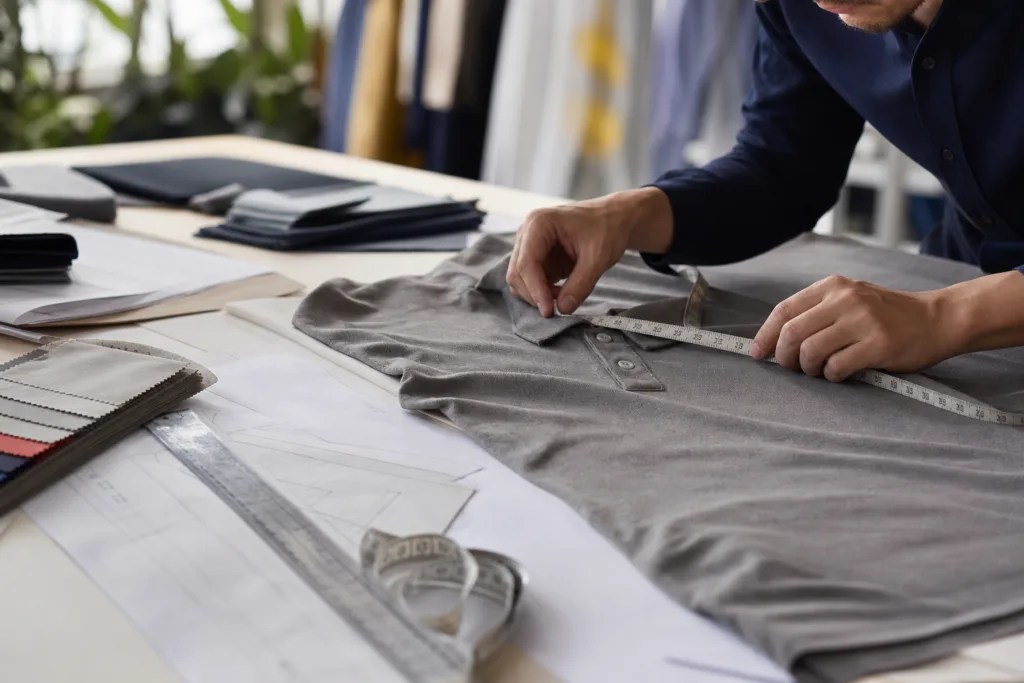
A quote-ready brief does not need to be a perfect tech pack. It needs enough information for a manufacturer to identify materials, operations, development work, and production risks. We can help refine open decisions during development, but a clear starting point makes that work faster and more useful.
- Garment type, use case, target customer, and reference images
- Fabric composition, structure, approximate GSM, and desired colors
- Size range, size ratio, target fit, and any measurement specification
- Construction details, trims, pockets, seams, and finishing requirements
- Decoration method, artwork, positions, and approximate dimensions
- Labels, hangtags, packaging, carton needs, order quantity, and destination
- Sampling expectation, target approval date, and target shipment window
From our manufacturing perspective, the strongest brief distinguishes confirmed requirements from questions that need supplier recommendations. That allows a factory to quote a practical base option and identify the cost or lead-time effect of alternatives instead of quietly making assumptions.
Move From an Idea to a Sample-Ready Technical Brief
When full technical documents are unavailable, begin with a concise product sheet. Include front and back sketches or marked photos, a materials list, color references, measurement table, branding placements, and a revision log. A tech pack can then become more detailed as fabric and fit choices are approved.
Sampling normally progresses from a prototype that checks construction, to a fit sample that checks measurements and silhouette, and then to a pre-production sample that confirms the approved fabric, color, trims, decoration, labels, and workmanship. Do not approve a pre-production sample based only on photographs when key hand-feel, color, or fit decisions remain unresolved.
Set written approval criteria: acceptable measurement tolerance, color standard, decoration appearance, seam quality, label accuracy, folding method, and packaging. A controlled approval record becomes the reference for bulk quality control.
Plan MOQ and Lead Time as Connected Decisions
MOQ is affected by more than the number of finished garments. Custom fabric, several colorways, unique trims, special decoration, and uneven size ratios can each introduce supplier minimums. A 500-piece order in one color and a balanced size run is usually easier to produce efficiently than the same total spread across five colors and many small sizes.
| Choice | Usually simplifies production | Usually adds complexity |
|---|---|---|
| Fabric | Available stock fabric | Custom knit, weave, or dye color |
| Colors | One or two standard colors | Many low-volume colorways |
| Trims | Available buttons and zippers | Custom branded trims |
| Decoration | One standard logo location | Multiple methods and placements |
| Size ratio | Balanced grading and assortment | Highly fragmented size quantities |
Lead time should be mapped from material sourcing through lab dips, pattern work, sample revisions, artwork approval, bulk cutting, sewing, finishing, inspection, packing, and shipment readiness. The critical path is often an approval delay, not factory sewing capacity. Confirm which dates depend on buyer approval and build contingency for revisions.
Use Quality Control Checkpoints to Protect Bulk Consistency
Quality control should be planned in the brief, not added only after goods are packed. Check fabric shade and defects before cutting; verify critical measurements and construction during production; inspect decoration and labels before packing; and confirm assortment, carton marks, and packing quantity at final inspection.
Focus inspection on the defects most costly for your intended use. For uniforms, that may mean collar shape after washing, embroidery backing comfort, button security, and shade consistency. For performance garments, stretch recovery, seam strength, and print adhesion may deserve more attention. Define the check points and approval standard in advance so the factory and buyer assess the same product requirements.
Compare Manufacturers Beyond Unit Price
Compare whether each quote covers the same fabric, construction, decoration, labels, packaging, sampling, inspection, and delivery terms. Also assess how directly the supplier explains assumptions, flags risk, and manages revision control. A low unit price can be misleading if it excludes development work, uses substitute materials, or leaves quality expectations undefined.
- Ask how the factory will confirm fabric and color before bulk production.
- Ask what sample stage is used as the bulk reference.
- Ask which measurements and decoration points are checked in production.
- Ask how MOQ changes if colors, sizes, or trims are adjusted.
- Ask for a clear list of exclusions, approvals needed, and lead-time dependencies.
A capable manufacturing conversation is specific: it connects your commercial goal with a feasible product specification. That is more valuable than a fast quote that cannot be traced back to materials and workmanship.
Common First-Order Mistakes to Avoid
The most common mistake is changing several variables after approving a sample: fabric, color, fit, logo size, and labels at the same time. This makes it difficult to identify the source of a problem and can create new cost or lead-time effects. Change one priority at a time where possible and keep a dated revision record.
Other avoidable issues include supplying low-resolution artwork, omitting garment measurements, confirming color only on a screen, assuming a stock fabric will remain available, and leaving size ratios until production is scheduled. A short internal review before quote requests can prevent most of these problems.
A Quote-Ready Custom Clothing Manufacturing Brief Checklist
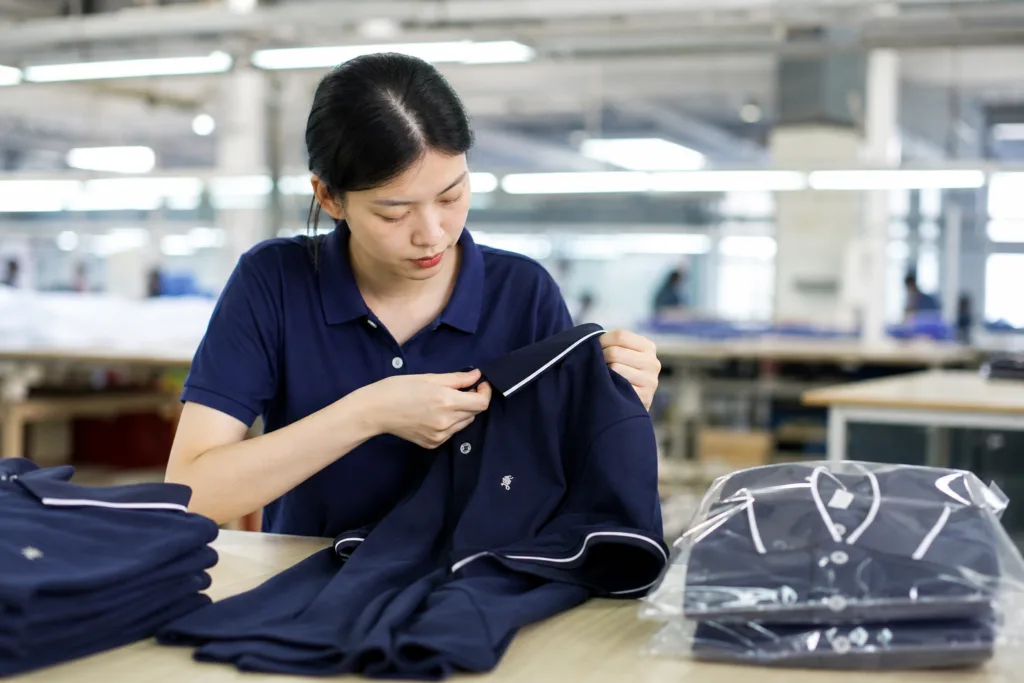
Before requesting quotes, make sure your team can answer the following questions. If some answers are unknown, identify them as decisions requiring supplier input rather than leaving them unstated.
- What garment are we making, for whom, and for what use environment?
- What features, fabric qualities, and logo treatments are essential?
- What fit block, sizes, measurements, and tolerances are expected?
- What colors, trims, labels, packaging, and carton details are required?
- What quantity is needed by color and size, and what flexibility exists?
- What sample approvals must happen before bulk production?
- What is the target cost range, delivery window, and destination?
Custom clothing manufacturing becomes more predictable when the brief gives every party the same definition of success. Move to sampling when the commercial goal, base construction, fabric direction, fit expectation, decoration plan, and approval process are clear enough to test. Confirm bulk only when the approved sample and written specifications represent the product you are ready to receive repeatedly.
Frequently Asked Questions
What is the minimum information needed to request a custom clothing quote?
You need the garment type, estimated quantity, target user, fabric direction, colors, size range, decoration requirements, labeling needs, and target delivery window. Reference images and a simple measurement table make the quote more accurate, even if a full tech pack is not ready.
Should I finalize fabric before asking for a quote?
You should define the intended fabric performance and approximate composition, structure, and GSM before requesting a quote. If the exact fabric is undecided, ask for clearly separated options so you can compare cost, hand feel, and lead-time implications without confusing the product scope.
How many sample rounds should a new apparel project expect?
A new project commonly needs a prototype or development sample, a fit sample, and a pre-production sample, although the number depends on how complete the brief is and how many changes are requested. Fewer rounds are possible when measurements, fabric, artwork, and construction details are confirmed early.
Why does custom clothing MOQ change by color and size?
MOQ changes because fabric dyeing, trim sourcing, cutting efficiency, and decoration setup may each have their own minimums. Splitting a total order across many colors or very small size quantities can make each production group less efficient and may increase the feasible minimum.
What should I approve before bulk production begins?
You should approve the final sample, measurement specifications, fabric and color standard, decoration artwork and placement, trims, labels, packaging, size breakdown, and bulk production timeline. Written approval of these items gives the factory a clear standard for production and inspection.
How can I compare custom clothing manufacturers fairly?
Compare quotes only after aligning the product specification, then review material details, sample process, quality checkpoints, communication quality, exclusions, MOQ logic, and lead-time dependencies. The most useful supplier quote explains what is included and identifies decisions that could change cost or timing.