




Introduction: Understanding Blank Hoodies vs Custom-Made Hoodies for Printing Brands
For printing businesses, embroidery providers, and emerging apparel brands, choosing between blank hoodies and custom-made hoodies is a foundational sourcing decision. Each path carries its own trade-offs affecting cost, turnaround time, minimum order quantity (MOQ), design freedom, fit consistency, and overall brand differentiation. Getting this decision right is critical whether you’re launching your first collection or optimizing production for an established line.
For readers comparing hoodie manufacturing options, a useful next step is to explore leading hoodie manufacturers. This manufacturer-focused page offers a closer look at custom and bulk blank hoodie production capabilities, material selections, customization options, and typical MOQ expectations. It also helps to review how manufacturers define scope and present hoodie categories when sourcing for printing or embroidery applications.
What Are Blank Hoodies?
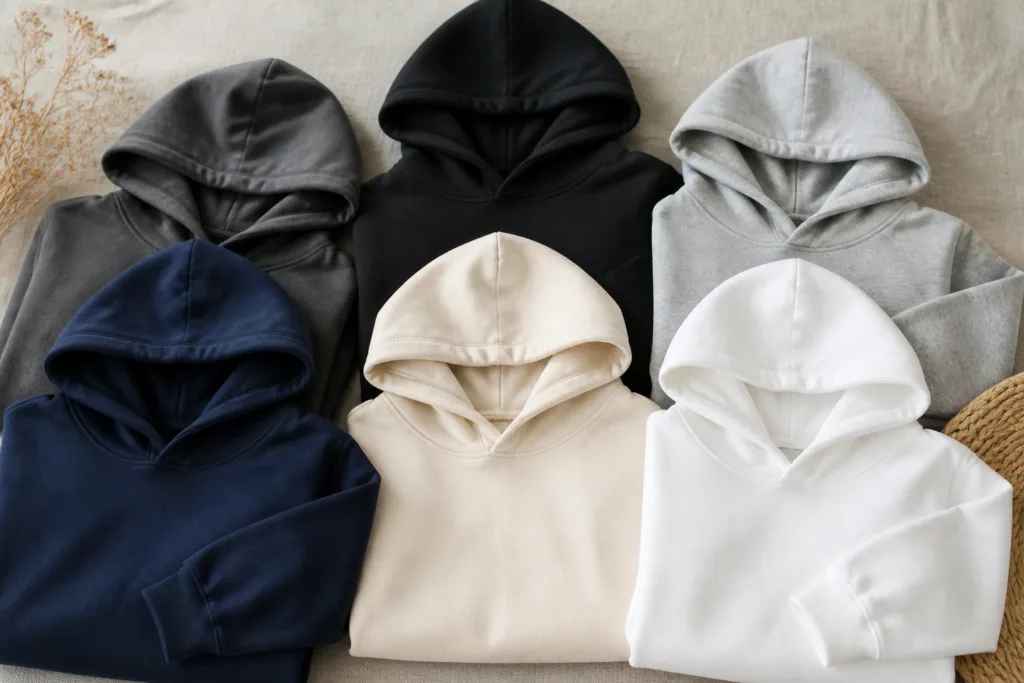
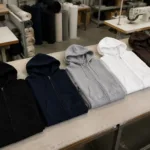
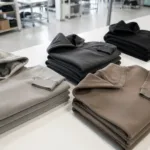
Blank hoodies refer to factory-ready, unbranded hooded sweatshirts available for immediate purchase. Typically, wholesalers and manufacturers keep standard silhouettes, colors, and sizes in stock. Blank hoodies are designed primarily for screen printing, embroidery, vinyl transfers, or DTG—offering a solid canvas for decoration with fast fulfillment.
What Are Custom-Made Hoodies?
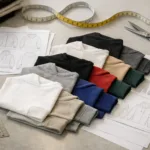
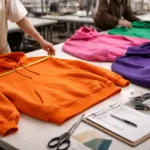
Custom-made hoodies (also called cut-and-sew) are produced from scratch according to each customer’s requirements. This includes unique size specs, colors, materials, trims, details, and branding elements—allowing for unlimited personalization at the pattern and fabric level.
Who Should Consider Each Option?
Both blank and custom-made hoodies have strong applications depending on business goals. Sourcing blank hoodies fits teams needing fast, low-MOQ fulfillment or preferring established fits; custom cut-and-sew is ideal for brands prioritizing brand-specific styles, higher perceived value, or proprietary fits. Understanding the core differences will help you match your sourcing to your business stage and goals.
Comparing Cost: Blank vs Custom Hoodies
Cost is the first consideration for most businesses. Blank hoodies usually cost less per piece due to mass production and simplified logistics. Most blanks can be ordered in units as low as 10–50 pieces per color, reducing upfront investment. By contrast, custom-made hoodies come with higher unit costs because of pattern development, custom dying, sampling, and setup fees. However, the per-piece difference can narrow at higher MOQs (200+ pcs), as some manufacturers (including Ninghow) offer price breaks at scale. Factor in all related costs: blanks may attract extra costs for relabeling, prepping, and lost inventory if design trends shift.
Turnaround Time and Lead Times
Blank hoodies excel in speed—they are shipped from warehouse stock and can often be decorated and shipped within days. Custom cut-and-sew hoodies, however, involve several steps: tech pack development, pattern making, fabric knitting or dyeing, bulk material allocation, cutting, sewing, custom trims, and final QC. Standard lead times are 30–90 days from approval, with sampling requiring 2–4 weeks extra. Balancing time-to-market with desired uniqueness is crucial for emerging brands.
MOQ: Minimum Order Quantities Explained
Blank hoodies are popular with small brands and online sellers thanks to low MOQs—sometimes as few as 10 per color/style. Custom-made hoodie MOQs, whether cut-and-sew or custom dyed, are usually much higher (100–500 units depending on spec and factory). MOQs reflect real manufacturing batch economies: fabric dyeing, cutting, and sewing lines must amortize setup over a practical volume. Brands with specific colorways or premium details will need to plan for these higher MOQs.
Color Options and Flexibility
Color variety is a key differentiator. Blank hoodie lines offer a fixed palette—often limited to 8–15 core colors per style. If your brand’s vision includes unusual, seasonal, or Pantone-specific colors, blanks may force compromises. True customization, with custom-dyed fabric or specialty details, is only available in custom-made production. This is also vital for promotional runs, special editions, or fashion capsules where color is brand-defining.
Fit, Sizing, and Pattern Uniqueness
Most blank hoodies use generic patterns aimed at mass appeal—regular, relaxed, or oversize. Fit tweaks, boxy or drop-shoulder styles, and one-off shape innovations usually require custom-made development. Brands focused on unique silhouettes, upgraded fits, or consistent sizing across collections need to invest in their own blocks and measurement charts. For more insight into fit, brands weighing their options should check this resource on the differences between hoodie fits.
Branding and Private Labeling Capabilities
Blank hoodies require relabeling or removal of supplier tags if you wish to use your brand identity—a process that adds cost and sometimes leaves residual tag marks. Custom-made hoodies let you specify woven labels, printed care codes, custom drawcords, branded eyelets, and even specialty packaging from the factory stage. If deep brand integration and premium storytelling are priorities, custom development is the gold standard.
Which Process Fits Your Business Model?
If you’re running a low-risk, trend-responsive store, blanks enable rapid testing with less capital pain. For developing a clear apparel brand with long-term positioning, investing in custom cut-and-sew is often a necessary next evolution.
Production Quality: What Changes?
With blanks, there’s limited control over materials, stitch density, or panel alignment beyond basic product QC. However, many top Asian and U.S. blank suppliers still maintain decent construction. Custom-made hoodies permit every detail to be tuned: you call the fabric weight and type, specify shrinkage tolerance, require double-stitched seams, insist on reinforced hoods, or adapt cuffs and waistbands. However, this relies on effective factory communication and careful sampling.
Fabric Selection: Stocked vs Custom Yarns
Blank hoodie fabrics are almost always standard blends—80/20 cotton-poly, 100% cotton, or fleece-back. Yarn density, hand feel, and shrinkage are set. Custom production unlocks the potential for organic, recycled, loopback, French terry, ultra-heavyweight, or moisture-wicking materials. This is significant for eco, performance, or streetwear lines that want material innovation as part of their DNA.
Sampling: Costs and Lead Times
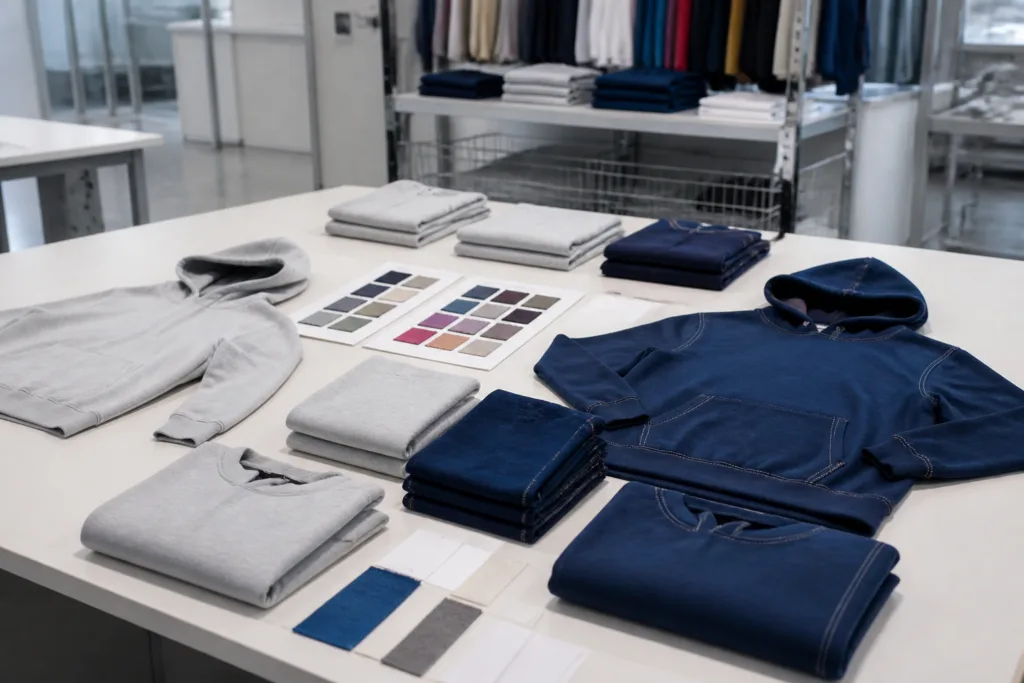
Samples for blanks are simple—order a few size runs directly. Custom hoodie samples involve investment (charged or refundable depending on the manufacturer) and time, as patterns must be drawn and lab dips/strike-offs are approved. It’s the price of uniqueness but requires planning.
Decoration Methods: Print, Embroidery, Appliqué
For both blanks and custom styles, screen printing and embroidery are standard. Brands requiring placement precision, oversized graphics, hidden pockets, or technical applications (e.g., waterproofing, reflective trims) will find only custom production up to the challenge. Processing on blanks is simpler but comes with limitations if you want advanced finishings.
Consistency and QC: Risks and Solutions
One advantage of blank hoodie supply chains: repeat orders usually match prior production (unless suppliers quietly change factories). With custom cut-and-sew, the burden is on the brand and factory to communicate fit, material, and color expectations—ensuring batch-to-batch consistency via detailed tech packs and robust QC. At Ninghow, for example, clear fit and shrinkage instructions at the prototyping stage prevent costly surprises during mass production.
Reorder Flexibility and Inventory Management
Blank hoodies make inventory top-ups easy, assuming supply continuity. However, popular colors or sizes may sell out, causing gaps. For cut-and-sew, reorders usually require minimum batch sizes or waiting for similar production slots. Brands must weigh fast response against custom product inventory risks.
Customization, Features, and Extras
Blank options might include pockets or zipper types, but can rarely accommodate non-standard requests. Custom allows you to specify concealed media pockets, kangaroo depths, dye effects, seam taping, or branded hardware—useful for technical, athletic, or signature fashion details.
Brand Perception and Market Positioning
A large part of perceived value is “in the details.” Many successful brands start with blanks but invest in custom patterns and brand-differentiating details as they scale. Buyers, especially in streetwear and lifestyle, can readily distinguish between off-the-shelf and original cut—something that influences both price premium and repeat business.
Sourcing Challenges: Communication and Mistakes
Choosing cut-and-sew makes good communication essential. Problems like color mismatch, fit drift, or poor trim quality can crop up unless everything is documented and sampled before mass production. Brands unfamiliar with factory processes should review key questions for hoodie sampling to avoid rookie mistakes and costly delays.
Compliance, Sustainability, and Brand Messaging
Modern brands often wish to highlight eco-friendly fabrics, fair labor, or localized supply. Custom hoodie manufacturing makes this viable—enabling certifications or transparent supply chains hard to prove with standard blanks. While compliance costs rise, it allows higher market positioning and trusted story-building.
When to Switch From Blanks to Custom?
Many brands grow up on blanks, then shift to custom for strategic reasons—protecting signature fits, building higher-priced products, or securing supply chain stability. Transitioning makes sense when demand supports higher MOQs, or when ready-made fits and colors become insufficient for market differentiation.
Ninghow’s Perspective: Factory Lessons for Printing Brands
As a manufacturer, we see brands succeed when they align production choices with stage of growth. For fast launches or local events, blanks offer unbeatable speed. For brands aiming to build long-term loyalty, investing time in detailed sampling, tech packs, and pre-production approvals pays dividends in fit, brand story, and retail pricing power.
Blank Hoodies vs Custom-Made Hoodies for Printing Brands
| Factor | Blank Hoodies | Custom-Made Hoodies |
|---|---|---|
| Cost per Unit | Lower, mass-produced | Higher at low MOQs, better at scale |
| Lead Time | Fast (in stock) | Longer (30–90 days typical) |
| MOQ | Low (10–50 pcs) | High (100–500 pcs) |
| Color Choices | Limited to stock palette | Unlimited (custom dye) |
| Fit & Sizing | Generic, few options | Fully customizable |
| Brand Label | Requires relabeling | Factory-applied, custom |
| Unique Features | Limited to basics | Open-ended (trims, pockets, extras) |
Making the Right Sourcing Decision for Your Brand
There’s no one-size-fits-all answer. Brands prioritizing speed, cashflow flexibility, or frequent graphics changes naturally lean on blanks. Those building long-term lines with unique styles, brand stories, and cohesive collections invest in custom development. The key is aligning your sourcing method with current business needs and long-term plans.
Conclusion
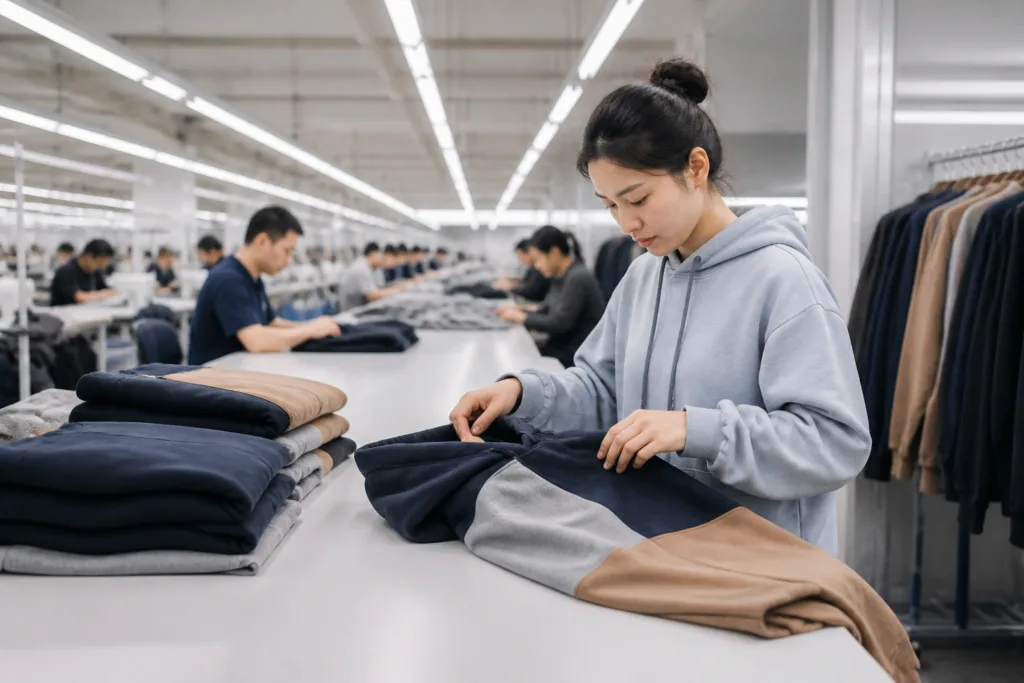
Choosing between blank hoodies and custom-made hoodies impacts cost, lead time, MOQs, creative freedom, and brand strength. By weighing these factors and understanding your business stage, you can build both profitable and distinctive apparel lines that resonate in the market. As the industry evolves, blending both strategies across product lines is a proven formula for minimizing risk and maximizing brand growth.
Frequently Asked Questions
What are the main cost differences between blank and custom-made hoodies?
Blank hoodies are less expensive per piece and require smaller investments upfront due to lower MOQs. Custom-made hoodies cost more, especially in sampling and setup, but can offer better pricing at higher volumes and greater brand differentiation.
When should a printing brand choose blank hoodies?
When rapid turnaround, budget batch sizes, and fast launches are required, blanks are optimal. They allow efficient testing of new designs and require less cashflow management compared to custom approaches.
What is the typical MOQ for custom-made hoodies?
Custom hoodies usually require MOQs of 100–500 units per style or color due to batch production constraints. Some specialized factories may offer lower MOQ, but with higher per unit pricing.
Can I request unique fits and colors with blank hoodies?
Blank hoodies are limited to the supplier’s existing sizes and color options. Unique fits, patterns, and Pantone-matched colors require custom cut-and-sew production for genuine originality and brand alignment.
Which hoodie sourcing method is better for small brands?
Small brands often start with blanks for cashflow flexibility, easy testing, and low risk. As brand identity and market traction grow, custom manufacturing becomes a logical next step for differentiation.
What sampling differences should brands expect between blank and custom hoodies?
Sampling blanks is simple—order stock directly. Custom hoodie sampling involves additional time and costs for pattern approval, lab dips, and construction before bulk production can begin.