





Introduction: The Fabric to Garment Supply Chain Explained
Every finished garment tells a story—a story that begins with raw fabric, passes through layers of careful planning, and ends with packaged clothing ready for market. But real apparel manufacturing is far more than stitching and cutting. At its core, it is a chain of interconnected processes, each demanding careful alignment. In today’s competitive apparel industry, vertical coordination is no longer optional. Brands, especially those building fresh collections or venturing into development-heavy production, depend heavily on seamless supply chain orchestration. This article unpacks how vertical coordination impacts lead times, quality, and brand growth, shining a light on why developers and sourcing managers need to get beyond just order placement and start looking deeper into how their partners handle the journey from fabric to finished garment.
Why Garment Manufacturing Is Not Single-Point Processing
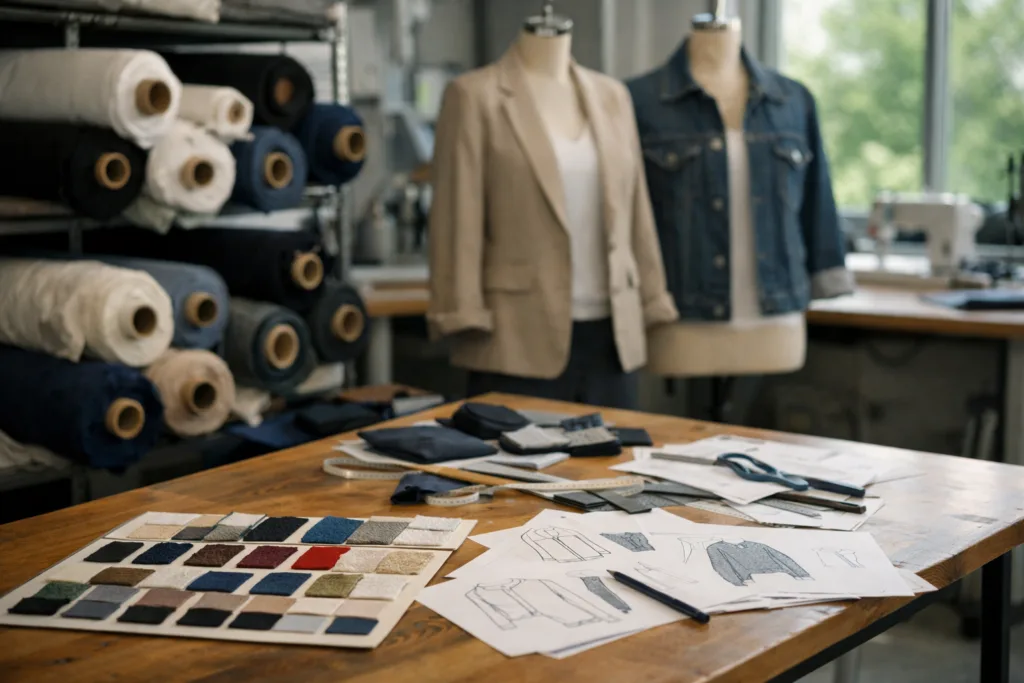
Modern garment manufacturing involves many distinct steps: fabric sourcing, dyeing, printing, cutting, stitching, finishing, packaging, and logistics. Each stage relies on the last and affects the next. Unlike single-point manufacturing, clothing production requires many departments, suppliers, and skilled technicians working together. Coordination becomes a chain reaction—if one link fails, delays or quality issues cascade through the project.
The Multi-Step Process: From Fabric Choice to Packaging
- Fabric selection and procurement
- Fabric inspection and quality checking
- Dyeing and printing (for custom finishes)
- Pattern making and cutting
- Stitching and assembly
- Trimming, finishing, and pressing
- Quality control and measurements
- Packaging and delivery
What Is Vertical Coordination in Apparel Manufacturing?
Vertical coordination refers to integrating—or aligning—all stages of production and supply. Rather than outsourcing every piece separately, manufacturers and brands bring multiple steps under one strategic management umbrella, streamlining communication, timelines, and quality. Coordination can mean tight partnerships or true vertical integration, but either way, the goal is to minimize disorder and maximize predictability.
Types of Coordination: Full vs Partial
- Full vertical coordination: All stages (fabric, trims, production, finishing) under one management
- Partial coordination: Select key steps managed together, with some outsourcing
- Loose coordination: Each stage handled independently, often leading to more uncertainty
Why Vertical Coordination Matters for Lead Time Control
Fast-moving markets and tight launch dates mean brands can’t afford production delays. Vertical coordination shortens supply chain cycles, reduces back-and-forth, and helps factories anticipate bottlenecks before they grow. For example, when dyeing and cutting teams communicate directly, fabric can be processed as soon as colors are approved, saving days or weeks.
Lead Time Comparison Table
| Production Model | Average Lead Time | Delay Risk |
|---|---|---|
| Single-stage Outsourcing | 45-60 days | High |
| Partial Coordination | 30-40 days | Moderate |
| Full Vertical Coordination | 21-32 days | Low |
Quality Consistency: The Hidden Value of Vertical Coordination
Quality is rarely determined at one step. It’s the outcome of dozens of micro-decisions made throughout the process. When teams align from yarn selection to packaging, they spot problems early, ensure measurements are correct, and maintain fabric performance. Brands seeking stable repeat orders benefit most—vertical manufacturing reduces random batch variation and limits surprises when scaling production.
How Coordination Helps Developer Brands
Developer brands—those constantly innovating with new styles, fabrics, and trims—face greater risk. Miscommunication or mismatched timelines can ruin a launch or create costly rework. Integrated supply chains let these brands test samples, refine fit, and confirm fabrics in weeks rather than months. Coordination enables rapid iteration without sacrificing overall quality.
Risk Reduction for New Collections
- Better sample transitions: Smooth handoff between fabric development and garment fitting
- Faster adjustments: Modifications flow quickly through each stage
- Lower error rate: Mistakes caught earlier, easier correction
Real-Life Coordination Challenges: Where Brands Struggle
Even the best plans can be derailed by divided supply chains. Common pain points include:
- Delays from unaligned subcontractors
- Poor communication at handoff stages (e.g. fabric to cutting room)
- Inconsistent color or print quality between batches
- Loss of fit control—patterns change unintentionally
Brands scaling up often hit these problems. Factory partners able to manage vertical coordination help prevent these issues—keeping both quality and delivery predictable.
Fabric to Finished Garment Process: A Step-by-Step Overview
Here’s how the journey unfolds when coordination is strong:
- Fabric sourcing: Confirmed lead times, traceable origins
- Inspection: Teams check for flaws—passed or replaced before next stage
- Dyeing/printing: Close alignment with designers for color accuracy
- Cutting/sewing: Patterns matched to approved samples, ensuring fit
- Finishing/packing: QC checks for defects, branding details added
- Logistics: Delivery booked to meet launch deadlines
Case Study: China Apparel Supply Chain Stability
Many brands choosing China for garment production value its deep-rooted vertical supply chain. Factories coordinate fabric, trims, and final assembly quickly, which translates to stable lead times and fewer delays—even on complex projects. See why China’s apparel supply chain is still the most stable choice in this expert analysis article.
Spotlight: What Reliable Manufacturers Do Differently
Reliable manufacturers don’t just deliver finished goods—they manage every link in the chain. By aligning sourcing, production, and finishing under one roof, they keep projects on track and provide transparency at each stage. Learn 25 proven ways to choose a reliable clothing manufacturer in China—and which checks matter most—in this practical guide: 25 Proven Ways to Choose a Reliable Clothing Manufacturer in China.
From Fabric to Finished Garment: Why Vertical Coordination Matters
Vertical coordination is the backbone of predictable, high-quality apparel production. Brands that recognize its value gain advantages in launch speed, quality control, and risk reduction. Whether you’re launching a new collection or scaling up bulk orders, the difference between success and frustration often lies in how well your partner coordinates—from raw fabric through to finished garment.
Production Reality: Lessons from the Factory Floor
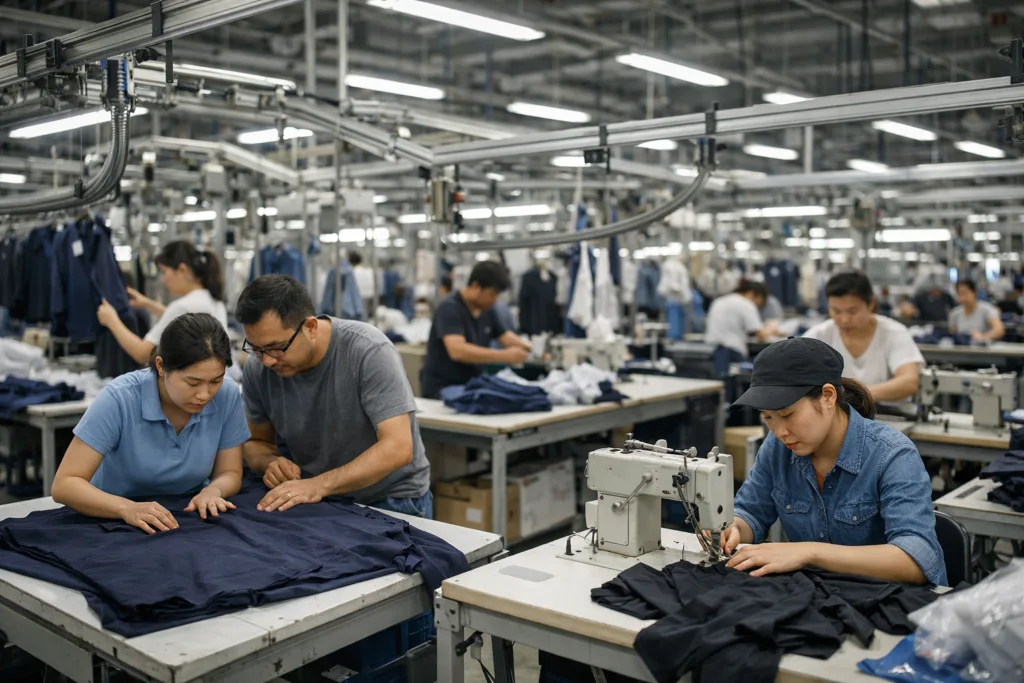
Experienced manufacturers like Ninghow know that mistakes often happen between steps, not on the shop floor. To avoid fit drift or mislabeling, Ninghow’s team double-checks fabric lots and trims before each phase. It’s this pre-emptive cross-checking—rather than end-stage fixes—that keeps orders consistent. Practical coordination means every department stays accountable, and adjustments can be made before deadlines slip.
The Role of Technology and Communication in Coordination
Clear communication channels—digital tracking, centralized messaging, and shared workflow tools—reinforce vertical coordination. Factories embracing technology make collaboration easier, reduce manual errors, and provide brands with live updates. Even basic systems, like digital checklists from fabric arrival to order dispatch, help ensure nothing falls through the cracks.
Sourcing Models: OEM, ODM, and Full-Package Manufacturing
Different sourcing models offer varying levels of vertical coordination. Full-package manufacturing, for example, is harder to replicate because it involves deep integration. Brands seeking full-package solutions benefit from tighter control and fewer mid-process issues. Read more about why full-package manufacturing is harder to copy than most buyers think.
Coordination vs Cost: Why Cheaper Is Often Riskier
Low labor costs may entice brands to split production, but lack of coordination often leads to hidden expenses—delays, quality failures, and higher remakes. Vertically managed supply chains are not only more consistent, but also more transparent about pricing. Discover five hard truths about how low labor cost can ruin your apparel sourcing savings in this blog post.
Bulk Orders: How Coordination Drives Scale
Bulk teamwear or corporate apparel projects place greater strain on supply chains. Strong vertical coordination is crucial—not just for initial samples, but for repeat and reorder cycles. Stable processes ensure scaling doesn’t expose brands to new risks.
Fit and Fabric Accuracy: Hidden Coordination Benefits
If coordination falters, fit accuracy and fabric consistency usually suffer. That’s why brands with signature styles or technical garments depend on tightly managed supply chains. Integrated production gives you confidence that measurements and material specs stay the same from batch to batch.
Quick Sampling: Fast Iteration Needs Coordination
Brands rushing to launch—especially those with fresh designs—need not just quick sampling but coordinated teams across fabric development and garment production. Fast sampling still favors supply chains with vertical integration, allowing faster pivot and better prototype tracking.
Sustainability: Coordinated Chains Reduce Waste
When production steps are closely managed, waste drops. Coordinated supply chains allow for better fabric yield optimization, less overproduction, and smarter recycling of trimmings and sample leftovers.
Long-Term Brand Stability: Building on Vertical Coordination
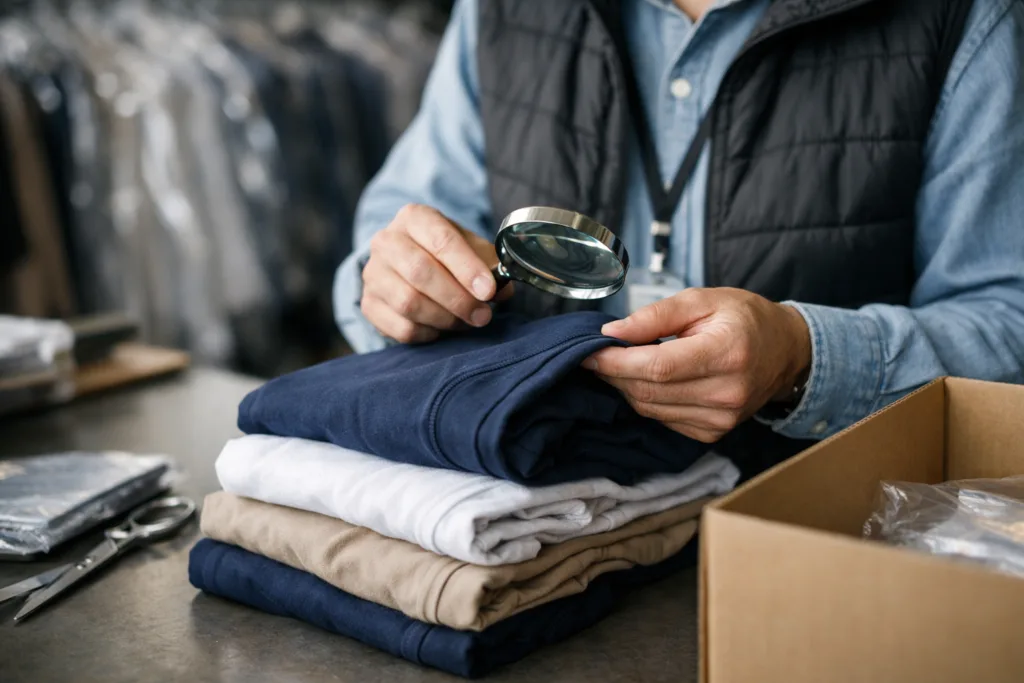
Stable supply chains anchored in vertical coordination help brands build loyalty. Consistent quality, reliable lead times, and scalable processes mean fewer headaches and better growth prospects, especially for brands planning future launches.
Frequently Asked Questions
What is vertical coordination in apparel manufacturing?
Vertical coordination integrates every production stage, enabling smoother communication, consistent quality, and shortened lead times. It involves aligning fabric sourcing, sample development, trimming, sewing, packing, and delivery.
How does vertical coordination improve lead times?
By connecting all steps, vertical coordination reduces bottlenecks, eliminates unnecessary waiting, and speeds up transitions between departments—resulting in faster delivery cycles and more predictable launch dates.
Why do developer brands need strong supply chain coordination?
Developer brands rely on experimentation and rapid iteration. Strong supply chain coordination helps them transition from sampling to bulk manufacturing quickly and adapt to changes without sacrificing quality or wasting time.
What risks are associated with poor supply chain coordination?
Poor coordination leads to frequent delays, inconsistent fit or quality, and communication breakdowns between suppliers. This increases remake costs, hurts delivery timelines, and damages brand reputations.
How can brands ensure their manufacturer has vertical coordination?
Brands should ask about internal management systems, communication tools, and whether key stages are integrated. Checking sample-to-production transitions and quality control details can also reveal supply chain strength.
Does vertical coordination affect sustainability?
Yes. Coordinated processes reduce material waste, improve yield, and enable smarter recycling, helping brands achieve both environmental and financial stability.