



Introduction: The Hidden Complexity of Full-Package Manufacturing
When brands talk about full-package apparel manufacturing, it’s easy to picture a simple process—find a factory, hand over your design, and wait for finished clothes to roll off the line. But the truth is, the journey from sketch to shipment is a maze. That’s why Why Full-Package Manufacturing Is Harder to Copy Than Most Buyers Think is a topic every apparel buyer should understand. While stitching may look the same across factories, the full-package path hides tough obstacles that trip up even experienced brands.
What Is Full-Package Apparel Manufacturing?
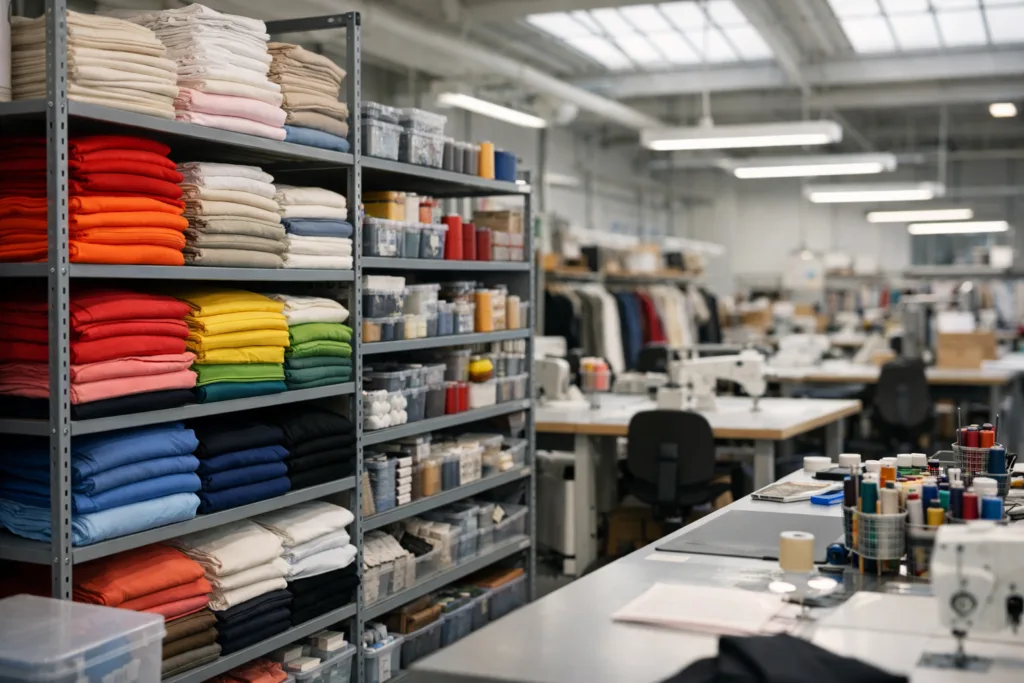
Full-package apparel manufacturing (FPP) means a single supplier manages everything. From fabric sourcing and trims to pattern-making, sample development, mass production, quality control, packing, and international shipment—every stage falls under one roof or control system. This structure lets brands skip the headache of piecing together multiple vendors, but it also requires tight coordination and deep supply chain expertise.
The Complete Full-Package Process: Step by Step
Fabric Sourcing: The Foundation
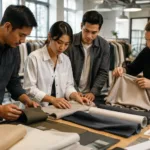
It starts with finding the right fabric. Full-package manufacturers have to source everything based on design specs—material content, weight, texture, colorfastness, special finishes, and even sustainable options. Advanced supply chains might stock popular materials but can also weave custom fabrics. This sourcing isn’t just about finding the cheapest supplier; it’s about getting reliable, repeatable quality at the right price.
Trims and Accessories: Small Parts, Big Impact
Trims—zippers, buttons, elastics, drawcords—are chosen for performance and brand standards. A top FPP supplier coordinates with specialized trim vendors, tests compatibility, and confirms compliance with regulations. The details, like Pantone-matched zipper tape or chemical certifications, can make or break a launch.
Apparel Development: Pattern, Fit, and Sampling
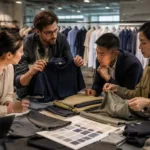
This is where many supply chains stumble. Turning concepts into production-ready patterns and prototypes demands experienced technicians. A single misstep in paper pattern or grading can lead to costly fit failures. Sample makers polish fit, run trial constructions, and problem-solve design flaws before bulk order commitment. If you want deeper insights, see From Sketches to Finished Teamwear: Every Step of Custom Apparel Manufacturing Explained Simply.
Production: Where Scale Meets Control
Once patterns and samples are approved, manufacturers plan bulk orders—allocating fabric, scheduling lines, and controlling every detail. Reliable FPP suppliers use checklists and in-line quality control to catch inconsistencies before shipping. If anything slips, it’s usually in QC, not the sewing line itself.
Packing and Packaging Customization
Packing isn’t just stuffing garments in boxes. Full-package suppliers handle custom hangtags, branded polybags, barcodes, security devices, and carton labeling. Special requirements, like eco-packaging or recyclable trims, require agile coordination.
Shipment: Cross-Border Problem Solving
Shipping means more than calling a truck. Full-package teams arrange international freight, clear customs, manage export documentation, and problem-solve delays. The best can fast-track urgent shipments or split deliveries to different global locations. For a real-world breakdown of how China’s infrastructure excels at this stage, check out Why China’s Apparel Supply Chain Is Still the Most Stable Choice in 2026.
Why Sewing Alone Isn’t Enough: What Most Countries Miss
Plenty of emerging markets have low labor costs and competent sewing teams. But few can cover the full-package spectrum—especially for development-heavy, custom projects. Here’s why:
- Fabric Ecosystem: Only a few regions have local knitters, dyers, printers, and finishers that can offer a wide range of materials on fast timelines.
- Trims Variety: Many countries rely on imports for basic or branded trims, introducing delays, inconsistency, and added costs.
- Technology & Skill: Converting design sketches to reliable digital patterns and managing grading for global sizing needs experienced patternmakers—a role often missing in simple CMT (cut-make-trim) operations.
- Sampling Speed: Factories without in-house sampling rooms can’t respond flexibly to design tweaks or urgent approval needs. This increases both time and risk.
So, while you can find sewing capacity, only a developed ecosystem delivers everything from R&D to compliant labeling and export logistics in sync. 5 Hard Truths Why Low Labor Cost Can Ruin Your Apparel Sourcing Savings further explains this trap.
The Power of a Mature Apparel Supply Chain Ecosystem
A fully developed supply chain isn’t just about factories. It draws on deep networks—spinners, dye houses, trim suppliers, label makers, and quick-acting sample rooms. Mature supply chains also build direct relationships with trusted fabric mills, test labs, and logistics companies. They share know-how on compliance, export rules, and sustainability. This web of expertise is hard for new markets to copy fast—sometimes it takes decades to build.
China’s Unique Advantage for Development-Heavy Projects
For development-driven buyers—those needing new fabric qualities, frequent design changes, or complex customization—China remains the world’s full-package powerhouse. Why? The integration of specialized sources, experienced sample technicians, fast lab testing, and well-oiled freight channels means fewer mistakes and faster launches. Consistency from order to order, even for challenging designs, is rare outside China’s main clusters. Many veteran brands and manufacturers, including Ninghow, see daily evidence that only interconnected supply chains can troubleshoot issues before they become delivery crises.
Why Full-Package Manufacturing Is Harder to Copy Than Most Buyers Think
The core reason? Full-package clothing manufacturing is an ecosystem, not just a process. Buyers often underestimate:
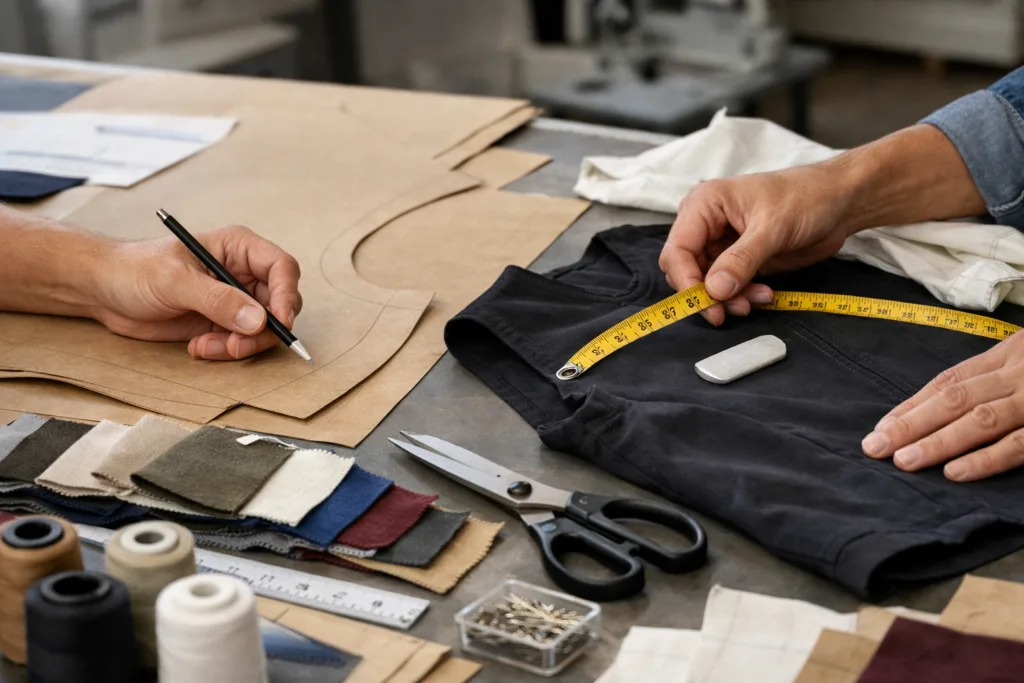
- The number of decision points: Sourcing every input—fabrics, trims, labels, packaging—demands real-time flexibility and established vendor networks.
- Communication layers: Each step relies on rapid buyer-supplier feedback, skilled translators, and hands-on experience with global standards.
- Quality & Compliance: Only mature FPP operators can pro-actively catch snags with global certifications, customs rules, and fit accuracy in advance.
Efforts to duplicate mature supply chains often get stuck at the development or finishing stage—the parts least visible to outsiders but most critical to launch success. To see how hidden pitfalls can burn budgets, review 7 Hidden Costs of an Unstable Apparel Supply Chain Brands Can’t Ignore.
Real-Life Manufacturing Insights: Where Brands Win (or Lose)
Let’s be frank: brands can sometimes find cheaper sewing elsewhere, but consistent success in full-package projects comes down to:
- Repeatable fit (strong pattern and sampling control)
- Zero shortcuts on trims, packaging, and finishing quality
- Ability to scale from sample to 10,000+ pieces without drama
- Predictable lead times (even under change pressure)
Ninghow’s production teams, for example, sometimes spend more time with fabric mills and trim vendors during development than on the sewing line. Most delays happen in sourcing or approvals—not in the factory. Inexperienced buyers who treat FPP as “just sewing” often run into fit, color, or compliance issues that can tank a launch.
Is It Impossible to Copy Full-Package Manufacturing?
It’s not impossible, but it’s surprisingly difficult for most buyers or countries to replicate without investing in relationships, skill-building, and a truly integrated supplier network. The best results come from working within established ecosystems that have solved recurring problems over years—not just shopping for price.
How to Evaluate a Full-Package Apparel Manufacturer
A trustworthy FPP garment manufacturer should demonstrate:
- Direct access to fabric and trim partners
- In-house sampling and patternmaking
- Documented quality checkpoints (fit, sewing, packing, shipment)
- References for handling customs, urgent shipments, and repeat orders
For a practical checklist, consider the guide: 25 Proven Ways to Choose a Reliable Clothing Manufacturer in China.
Conclusion: Choosing Your Apparel Supply Chain Wisely
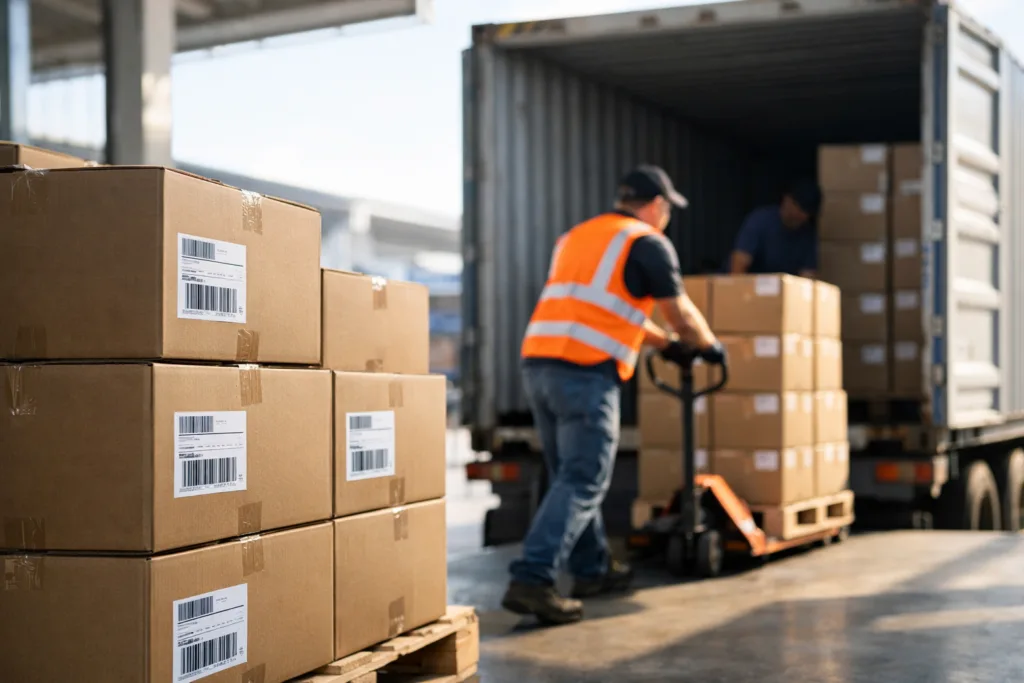
Full-package apparel manufacturing means much more than putting thread to fabric. It’s about tapping into an ecosystem that balances speed, innovation, reliability, and global compliance—all under one roof. The steps that look simple on paper hide a world of real-time problem-solving. That’s why established supply chains, especially in China, continue to deliver results that are hard to replicate with only cheaper sewing or new market promises. Build your sourcing plans around partners who own the full process—and understand that the real value lies under the hood.
Frequently Asked Questions
What does full-package apparel manufacturing cover?
It includes all steps from fabric and trims sourcing, development (pattern, fit), sampling, bulk production, quality control, packing, labeling, and arranging shipment as a one-stop solution.
Why can’t every country offer full-package service?
Most lack a deep network of fabric suppliers, trim vendors, pattern experts, and export support, so they miss pieces needed for complex or fast-moving projects.
How does full-package benefit my brand?
It simplifies project management, reduces miscommunication, speeds up approvals, and centralizes accountability, giving you fewer headaches and more consistent results.
Is sewing quality the main risk in FPP?
No, most failures come from sourcing, pattern mistakes, or sampling errors—sewing is rarely the weakest link in a mature supply chain.
Why is China suited to development-heavy orders?
China’s supply chain combines vast fabric access, skillful sample rooms, trim variety, and seasoned logistics, making complex, rapid launch projects smoother.
How can I spot a weak FPP supplier?
Watch for slow fabric sourcing, poor pattern samples, lack of custom packing options, or limited references for global shipments and compliance handling.
Related Reading
- OEM vs ODM: Which Manufacturing Model Powers Your Team Apparel Ambitions?
- Solving Bulk Teamwear Production Pitfalls: What Every Brand Needs to Know
- School Team Apparel Success: Sizing, Budget, and Branding Simplified
- China vs India Manufacturing: 7 Critical Differences Shaping Apparel Brand Stability
- Consistency in Repeat Apparel Orders: Inside China’s Enduring Edge