

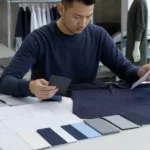

Introduction: Why Your Choice of Manufacturer Matters
Choosing the right custom team clothing manufacturer for bulk orders is a decision that echoes far beyond a single season. The quality of your teamwear hinges on the skills, systems, and reliability of your manufacturer—not just the price per piece. Whether you’re sourcing jerseys, tracksuits, hoodies, or polos, a strong manufacturing partner means consistent sizing, dependable delivery, and long-term trust. In this article, you’ll learn how to spot a true manufacturing supplier, what separates them from trading companies or local print shops, and how to minimize risk while maximizing value for your organization or brand.
Pillars of a Trustworthy Custom Team Clothing Manufacturer
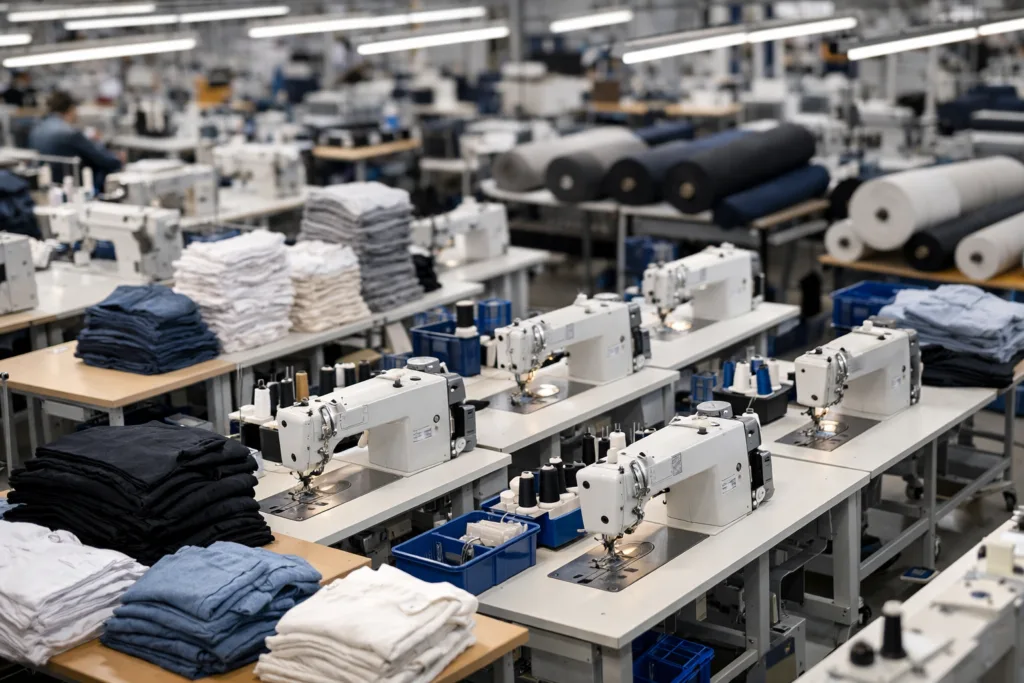
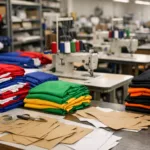
Let’s break down what sets a true team clothing manufacturer apart from intermediaries. A genuine manufacturer has physical production facilities, skilled technicians for garment patterning, and direct control over cutting, sewing, and finishing lines. In contrast, trading companies and print shops often outsource production, leading to communication delays, fit inconsistencies, and unpredictable lead times. Look for suppliers who own their manufacturing—their expertise will show in small but vital ways, from fabric sourcing to bulk order logistics. Buyers who get this right avoid costly surprises down the line.
Signs of a Real Production Facility
- Photos/videos of actual factory floors (not stock images)
- Detailed answers about machinery, capacity, and daily output
- In-house sample making—resists third-party pattern or sample outsourcing
Manufacturing Capabilities: What to Evaluate
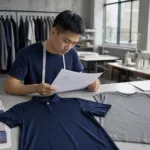
The real test of a custom team clothing manufacturer is their ability to handle a diversity of orders with technical skill and consistency. For example, at Ninghow, production teams check fabric rolls for color accuracy and work directly with clients to adjust fits before mass cutting. Experienced manufacturers will walk you through their specialty techniques, whether it’s flatlock stitching for rugby kits or sublimation for soccer uniforms.
Key Capabilities Checklist
- Do they offer CAD pattern making and grading for accurate sizing?
- Can they manage different fabrics, prints, and custom trims across batch sizes?
- Is finishing (hemming, labeling, bagging) done in-house or outsourced?
Production Volume and Flexibility
Not every manufacturer is equipped for both large tournaments and regular season replenishments. Ask about minimum and maximum monthly output, and how they handle split deliveries.
MOQ: Minimum Order Quantity and Its Impact
MOQ sets the baseline for your investment and negotiation. True manufacturers often have more reasonable MOQs, because they plan and cut fabric efficiently on site. Trading companies may inflate MOQs for profit or to hide capacity gaps. When evaluating potential partners, clarify what MOQ applies to styles, sizes, and colorways. This shapes your cost structure and your ability to react to changing team demands.
Typical MOQ Ranges
| Type | MOQ (pcs) | Notes |
|---|---|---|
| T-shirts/Polos | 100-300 | Lower for digital print, higher for embroidery |
| Hoodies/Sweatshirts | 100-200 | Depends on fabric source, trims |
| Jackets | 100+ | Often requires fabric dye-matching |
Communication: Direct, Transparent, and Technical
Effective communication with your team clothing manufacturer is the backbone of a pain-free bulk order. Working directly with factory staff (design, technical, quality) means answers come quick, accurate, and rooted in practical realities—think production timelines, achievable fit tweaks, and fabric options. Intermediaries, on the other hand, introduce delays and misunderstandings, especially with custom requests. During your selection process, note whether you speak with production leads or pure salespeople. If someone struggles to explain technical aspects or consistently promises “anything is possible,” caution is advised. For deeper tips on developing efficient supplier communication, explore the how-to guide to smart manufacturer selection.
Best Practices for Communication
- Clarify calls and email chains should be with the sample room, pattern makers, or production supervisors, not just front-office staff.
- Expect straightforward ‘yes’/’no’ responses about fabric, lead time, and fit adjustments—not always eager “yes” replies.
Sampling: The Litmus Test
Sampling is where manufacturers prove their worth. A right-fit partner will encourage pilot runs and see sampling as a way to build trust. If your sample is returned quickly—matching your measurements, with the right fabric and print placement—it’s a strong sign the factory controls pattern making and cutting internally. Delayed samples, mismatched specs, or obvious shortcuts suggest outsourcing or a lack of process mastery. Don’t overlook this stage—a bad sample means bigger challenges later.
Critical Points in Sampling
- Consistency from sample to bulk is a must; ask how the factory guarantees this.
- Check turn-around time: 7–14 days is typical for true manufacturers, longer implies complexity or third-party handling.
- Request photos of trimmings, sewing, and packing details—not just product shots.
More on controlling sampling risks can be found by reading How to Launch a Safe Trial Order With Your Clothing Manufacturer: Critical Steps & Success Indicators.
Lead Times: How True Manufacturers Build Predictability
Predictable delivery is a manufacturer’s calling card. Direct suppliers commit to (and usually meet) realistic lead times because they control fabric orders, labor planning, and shipment prep. Trading companies can only estimate, especially when juggling multiple sources. For team clothing, reliability isn’t optional—tournament and season deadlines aren’t negotiable, and late deliveries upset teams and organizers alike.
Lead Time Benchmarks
- Sampling: 1–2 weeks
- Bulk production: 4–6 weeks (varies with style complexity, order size)
- Urgent re-orders: Ask about express lines and realistic commitments
To keep your planning solid, review the insights from Clothing Manufacturer MOQ, Sampling, Lead Time FAQ.
Quality Control: Avoiding Surprises
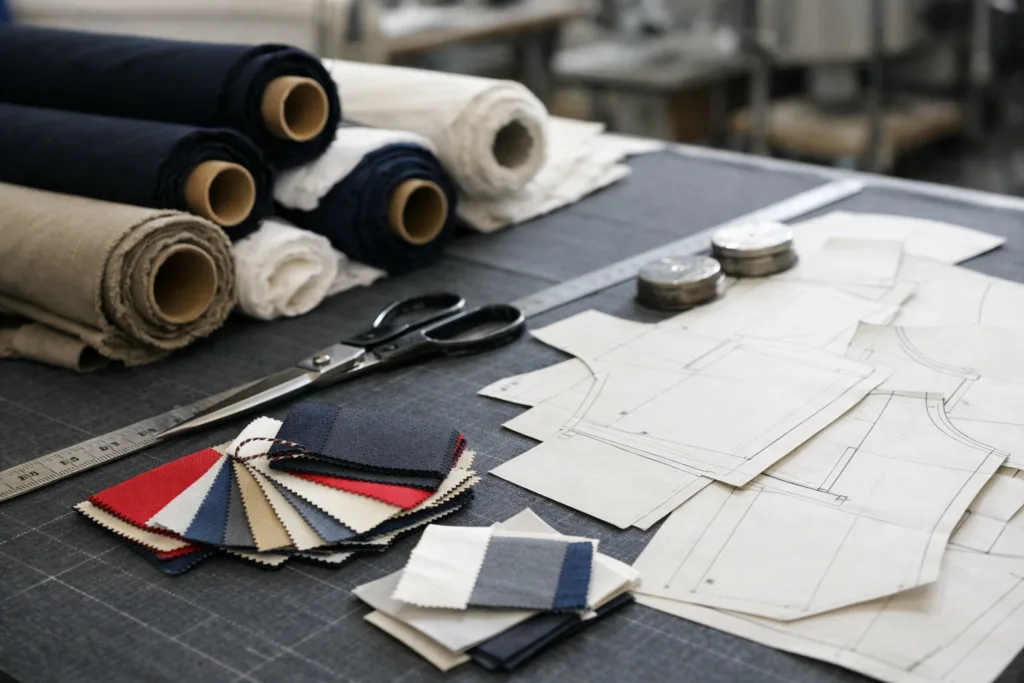
Quality control is where real manufacturers protect your brand and budget. Look for evidence of standard operating procedures: fabric checks, size set sign-offs, pre-packing inspections, and clear communication if something isn’t right. Some factories let buyers specify their own QC points—and welcome third-party inspection. Intermediaries rarely go this far, since they lack on-site oversight.
Spotting Quality Control Red Flags
- Poor packaging, uneven labeling, or stray threads in samples
- Reluctance to discuss or adapt QC checklists
- “Bulk will be better than sample”—if you hear this, watch out
Repeat Order Stability: Planning for the Long Term
Long-term partnership is built on operational stability: ability to repeat previous quality, maintain fabric/trim sources, and manage staff turnover or peak seasons. Ask how a manufacturer documents your previous orders (patterns, sizing, labeling, packing), so that re-orders run smoothly months or even years later. Here, manufacturer-run operations outclass trading companies, who might face vendor changes or lost files.
Bulk Order Traceability
- Digital archiving of past orders, fabric lots, and print templates
- Clear version control to avoid costly mix-ups
Why Manufacturer-Type Suppliers Outperform Traders and Print Shops
What truly sets a manufacturing partner apart is their holistic control of the process. Traders and print shops may offer tempting prices or quick-turn solutions, but when issues emerge—missing sizes, mismatched colors, bad fits—they’re at the mercy of their own sources. Manufacturer-type suppliers own the risk and the results. They can make technical recommendations, adjust lead times, or troubleshoot issues immediately. For any organization planning repeat, reliable, bulk teamwear, it’s wise to prioritize these capabilities over minor price differences.
Decision Matrix: Manufacturer vs Trader vs Print Shop
| Criteria | Manufacturer | Trader | Print Shop |
|---|---|---|---|
| Production Control | Direct & Complete | Indirect / Outsourced | In-house print, not cut & sew |
| MOQ | Flexible, realistic | Often high or unclear | Very low, but trade service only |
| Sampling Accuracy | High | Mixed/Gaps | Fit only as available blanks |
| Repeat Stability | Strong | Unreliable | Depends on blanks availability |
| Problem Handling | Fast, technical | Slow, often “check with vendor” | Limited to print issues |
Smart Buying Steps: How to Reduce Risk
Here’s a summary roadmap for buyers evaluating team clothing suppliers for bulk orders:
- Request background info—including business license, factory address, machinery photos, and export experience.
- Ask to speak with sample room or production staff.
- Test with a realistic sample order (all colors/sizes, not just 1 piece).
- Review sample for both technical precision and packaging/labels.
- Clarify MOQ, lead time, and restocking terms up front.
- Discuss quality checks and how feedback will be handled.
- Set clear expectations for reorders and data record-keeping.
How to Choose a Custom Team Clothing Manufacturer for Bulk Orders
Selecting your supplier is not just a cost comparison. Choose partners who own their manufacturing, communicate transparently, and have field-proven experience with teamwear. If you’re unsure where to start, check carefully for real manufacturing evidence, test with a well-specified sample, and always clarify quality and lead time. For those wanting detailed breakdowns of the differences between custom manufacturer and private label approaches, review Mode Comparison: Custom Clothing Manufacturer vs Private Label.
Conclusion: Build Your Winning Supply Chain
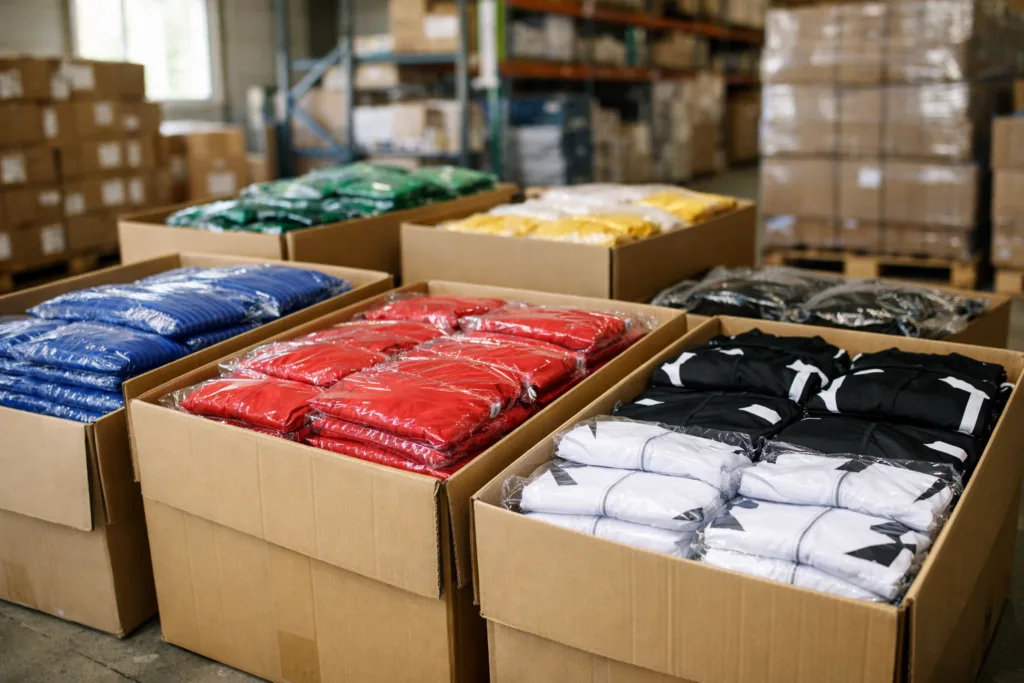
Bulk team clothing doesn’t need to be a guessing game. When you align with a manufacturer who controls the process from pattern to packing, you secure your team’s reputation and peace of mind. Look for grounded expertise, transparency, and continuous improvement—qualities seen in every Ninghow production run. The right partner will become your competitive advantage season after season.
Frequently Asked Questions
What is the most important factor when choosing a custom team clothing manufacturer?
The most critical factor is direct manufacturing capability, ensuring control over fit, quality, and delivery timelines—this reduces errors compared to intermediaries.
How do I verify if my supplier is a real manufacturer or just a trading company?
Ask for factory images, production flow videos, and to speak with pattern/sample room staff. Genuine factories offer these transparently and discuss manufacturing details in depth.
Why is MOQ (Minimum Order Quantity) important?
MOQ impacts your cost-per-piece, stock flexibility, and long-term reorder potential. Manufacturers often set realistic MOQs based on true production needs, not middlemen margins.
How do leading manufacturers ensure quality control?
They use documented processes for every stage—fabric inspection, size set approval, in-line QC, and packing verification—often allowing buyer-specified or third-party checks.
How can I protect my teamwear designs and fit consistency for future reorders?
Work with manufacturers who archive patterns, fabrics, and print files digitally and offer to document all labels, packaging, and QC reports for consistency in reorders.
What role does clear communication play in bulk teamwear orders?
Direct, technical communication prevents order mistakes, speeds up issue resolution, and ensures all expectations (fit, fabric, labeling) are understood on both sides from the start.
Related Reading
- 21 Steps to Real Sustainable Clothing Manufacturing
- The Complete Playbook for Bulk Teamwear Orders: Size Ranges, Packaging, and Deadlines
- 29 Key Details Every Private Label Clothing Manufacturer Tracks
- What Are Recycled Fabrics? The 11 Surprising Sustainability Truths
- The Cut and Sew Clothing Manufacturing Process Explained