





What Is Sorona Fabric? Understanding This Innovative Textile
Sorona fabric has emerged as a top choice for sustainable and high-performance textiles in recent years. But what sets Sorona apart? Derived from renewable plant-based sources, Sorona is a partially bio-based polymer developed by DuPont. Unlike traditional polyester, Sorona includes 37% bio-based ingredients, primarily from corn glucose fermentation. Thanks to these origins, Sorona balances eco-friendliness with commercial-scale performance—a winning formula for today’s apparel industry.
How Is Sorona Fabric Made? From Plant to Performance
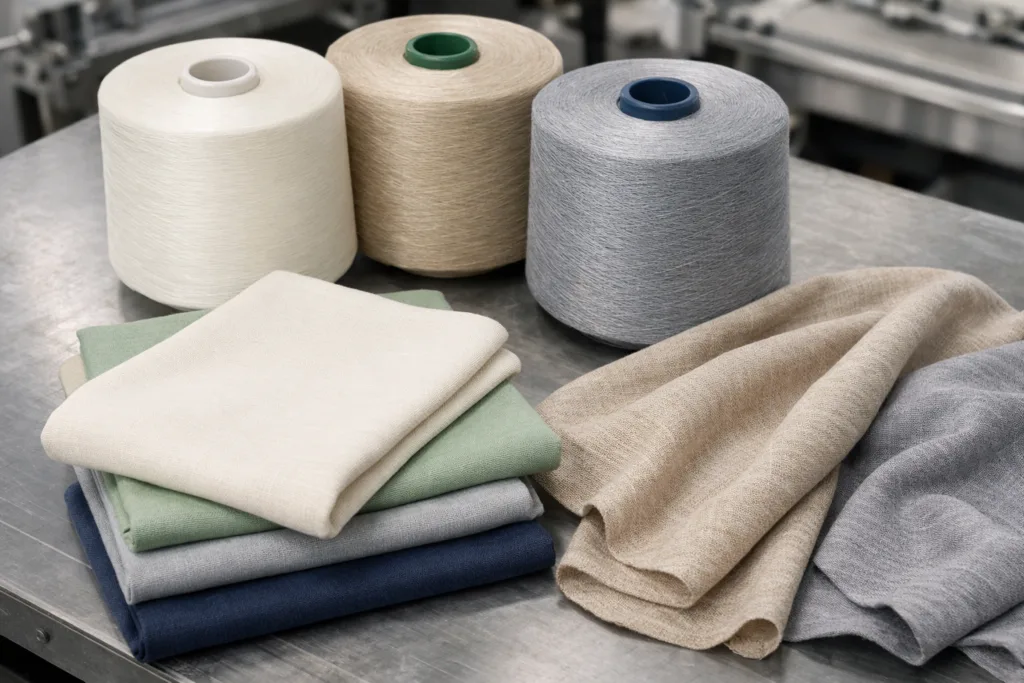
The secret behind Sorona starts at the molecular level. Scientists convert plant-derived glucose to 1,3-propanediol (PDO). This biomolecule is then polymerized with terephthalic acid to produce a unique polymer structure. That means Sorona fibers start from an annually renewable resource and use significantly less energy than traditional oil-based polyesters. With advanced melt-spinning, the fibers gain their signature stretch, resilience, and softness. Many manufacturers, including Ninghow, have noted just how consistent Sorona fabrics behave during large-scale textile production—an advantage for repeatable garment quality, minimized rework, and fit predictability.
Sorona Fabric Explained: Key Advantages You Need to Know
Sorona fabric stands out due to the following core performance attributes:
- Eco-Friendliness: Lower greenhouse gas emissions, use of renewable ingredients, and reduced dependence on fossil fuels.
- Stretch & Recovery: Sorona fibers offer natural stretch with outstanding shape retention, rivaling or even surpassing spandex in some blends.
- Softness: Exceptional handfeel, often described as a ‘cotton-like’ or ‘cashmere-soft’ touch.
- Stain Resistance: Easy-wash properties save time and energy, crucial for daily wear clothing and workwear.
- Durability: Strong against abrasion, pilling, and repeated washing.
For teams comparing sustainable textiles, Sorona’s genuine performance advantage often becomes clear during product trials. For example, blending Sorona with recycled polyester can compound both eco and performance benefits.
Main Applications of Sorona Fabric in Apparel
Sorona’s versatility shines across diverse apparel categories:
- Activewear & Athleisure: Stretch and recover fits, softness, and moisture management make Sorona ideal for leggings, yoga pants, t-shirts, and running shorts.
- Outerwear: Lightweight insulation and quick-dry features enhance everyday jackets, quilted shells, and casual blazers.
- Swimwear: Chlorine resistance means styles hold up better in pools—with fewer fit failures and fading. (See also “What Are Swimsuits Made Of? 11 Essential Material Facts”.)
- Uniforms & Workwear: High durability, easy care, and comfort make Sorona blends a solid choice for office, retail, and hospitality uniforms.
- Children’s Apparel: Hypoallergenic properties coupled with softness support all-day comfort—especially when fabric certification (such as OEKO-TEX) is also present.
Comparing Sorona with Other Eco-Friendly Fabrics
| Attribute | Sorona | Recycled Polyester | TENCEL™ Lyocell | Bamboo |
|---|---|---|---|---|
| Bio-based Content | 37% | 0% | Wood pulp | 100% plant-based |
| Stretch & Recovery | High | Medium | Low/None | Medium |
| Softness | Very soft | Moderate | Very soft | Very soft |
| Durability | Excellent | Good | Good | Varies |
| Environmental Impact | Low CO2 /Renewable | Waste reduction | Biodegradable | Varies (see Is Bamboo Fabric Sustainable?) |
How Does Sorona Fabric Feel and Perform?
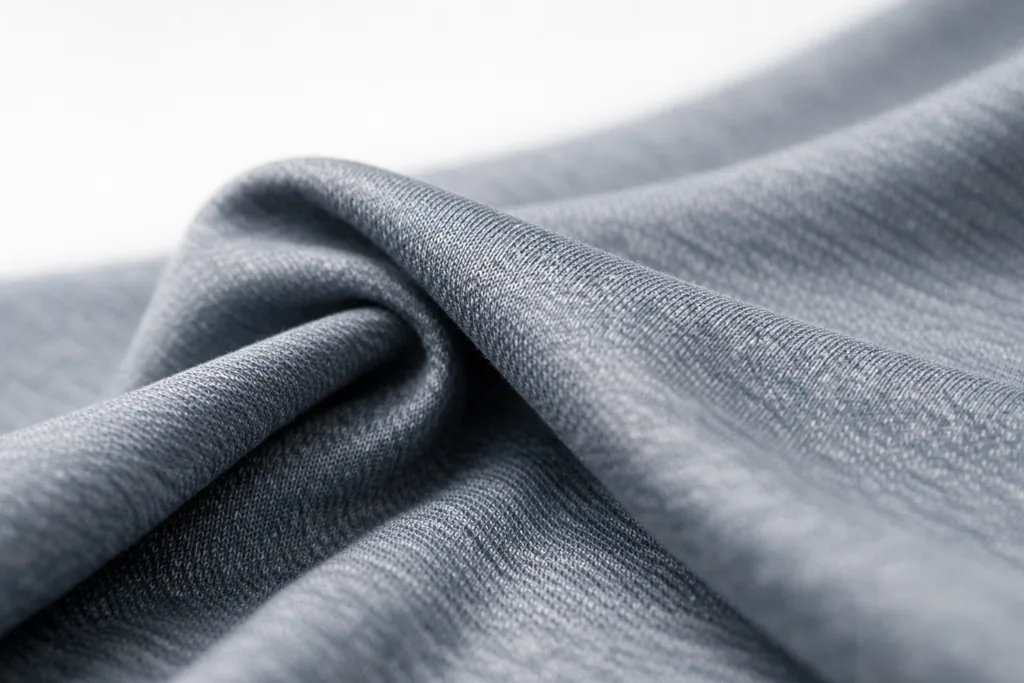
Sorona’s reputation for a smooth, plush touch is matched by a distinctive spring-back stretch. Unlike traditional polyester, Sorona tends to avoid that “synthetic swish” feel, and resists becoming shiny over time. In t-shirt blends, there’s often a more breathable, less clammy sensation during wear—even after intensive washing and drying. For hoodies and sweatshirts, Sorona delivers drape with shape retention, so garments resist bagginess and remain sharp—an advantage echoed by Ninghow’s production teams during QC cycles for premium private label lines.
Is Sorona Fabric Sustainable?
Sorona addresses both upstream and downstream sustainability challenges. Upstream, the production process uses over 30% less energy and produces up to 60% fewer greenhouse gas emissions than comparable oil-based synthetics. The bio-PDO building block comes from annually renewable resources, meaning Sorona fiber does not rely solely on finite petroleum stock. Downstream, enhanced durability and washability reduce the need for frequent replacement—a key contributor to garment circularity goals. For buyers serious about eco-labels, Sorona can be certified under OEKO-TEX Standard 100 or GRS when blended with recycled content. Learn more on the specifics of sustainability certifications and their differences in The Ultimate Guide to OEKO-TEX vs GRS vs GOTS.
Sorona Fabric in Bulk/Apparel Manufacturing
For buyers and sourcing managers, choosing Sorona can streamline production. The fiber is highly process-stable, minimizing surprises during dyeing or finishing. Sorona’s resilience pays off by cutting rework due to faulty stretch, patchy dye, or pilling—headaches that often disrupt production flows. In fact, when Ninghow runs short pilot batches for pattern approvals, Sorona blends regularly outperform traditional polyesters in shrinkage, seam retention, and ease of final pressing. This reliability makes Sorona a smart go-to for brands scaling custom lines or private label programs.
Certifications and Compliance: What Should Buyers Look For?
Getting Sorona fabrics right for retail hinges on proper documentation. Buyers should expect GRS (Global Recycled Standard) compliance when requesting blends with post-consumer synthetics, and OEKO-TEX Standard 100 as the basic safety certification. Traceability is often requested by responsible apparel brands. Always confirm certificate authenticity: request up-to-date, batch-level documents, not just supplier declarations. For more on validating sustainability claims, see How Brands Verify Sustainability Claims.
Common Sorona Blends: How They Influence Performance
Sorona is rarely used alone. The following blends are popular:
- Sorona + Polyester: Boosts stretch, durability, and soft feel for everyday activewear, uniforms, and jackets.
- Sorona + Cotton: Keeps the breathability and comfort of cotton with enhanced resilience and lower shrinkage.
- Sorona + Recycled Polyester: Doubles down on sustainability, delivering a luxurious handfeel with credible eco-impact reductions.
- Sorona + Nylon: For technical outerwear or swimwear demanding high durability and rapid dry times.
Design Pros & Cons: What Brands Should Know
Pros:
- Smooth integration into existing machinery
- Consistent dye uptake—more uniform colors across batches
- Superior shape retention—less risk of saggy knees/elbows
- Softer than regular polyesters, helps children’s wear and premium basics
Cons:
- Material cost is higher than regular poly
- Not 100% plant-based—some non-renewable content remains
- Delicate finishing (e.g., heat transfer prints) may require test runs
Sorona Fabric in Sizing and Fit: What to Watch For
Sorona’s enhanced stretch is generally easy to control during garment construction, but buyers should check finished measurements after heat exposure. Like elastane, Sorona will ‘recover’—but excessive tension or aggressive drying can temporarily affect fit. Smart manufacturers, such as Ninghow, always run post-wash/press fit samples before a bulk run, ensuring specs don’t drift and minimizing shrinkage-related returns.
Care, Washing, and Durability
Sorona fabrics score well on low maintenance and lived-in durability. Machine wash cold or warm is standard, tumble drying on low heat preserves stretch. Unlike classics like lyocell, Sorona resists pilling and keeps its smooth hand. Mild detergents are preferred, and direct ironing is rarely needed if garments are hung promptly after wash.
Environmental Impact in Production and Afterlife
Sorona reduces reliance on fossil fuels at the resin stage, and most spinning sites use closed-loop or low-impact processes. However, full garment biodegradability is not achieved, as Sorona is only partially bio-based and not compostable. Recycling potential improves when blended with recycled polyester—so responsible end-of-life strategies matter. Brands should clearly communicate fiber content for recycling infrastructure (see “Garment Labeling Requirements”).
How Sorona Fabric Supports Circularity and Future Trends
As circularity becomes mainstream, Sorona’s repeatable performance and traceable content supply chain give it an edge over conventional synthetics. Being able to verify the renewable component (corn glucose origin) builds brand credibility, while consistent mechanical properties support recycling after garment life ends. Look for future innovations—such as fully biobased Sorona iterations or new cross-blends—that could further reduce overall industry impact.
Sorona Fabric Explained: Summary & Industry Takeaways
Sorona fabric delivers a blend of sustainability, high comfort, and production predictability that’s hard for other synthetics to match. Eco-credibility starts at the molecular level and follows through to garment life. Brands that adopt Sorona—and follow best practices in sampling, labeling, and compliance—enjoy fewer surprises during production, as well as strong appeal for the end user seeking comfort and responsible choices.
Frequently Asked Questions
What makes Sorona fabric different from regular polyester?
Sorona is partially plant-based (37% bio-content) and offers superior stretch, softness, and eco-friendliness compared to oil-based polyester.
Is Sorona fabric suitable for activewear and sports apparel?
Yes—its moisture management, stretch, and durability make it ideal for leggings, t-shirts, jackets, and performance uniforms.
How does Sorona hold up in repeated washing?
Sorona fabrics resist pilling, retain stretch, and maintain shape—even after many wash cycles—leading to longer-lasting garments.
Can Sorona fabric be recycled at garment end-of-life?
When blended with recycled polyester, Sorona improves recycling potential, but full biodegradability is not possible due to mixed polymer content.
Does Sorona require any special garment care?
Standard machine washing and low-heat tumble drying are sufficient. Sorona resists wrinkles and does not need fussy care.
How can buyers verify real Sorona fabric and certifications?
Request OEKO-TEX and GRS certificates, check batch-level traceability, and confirm claims with reputable suppliers/manufacturers.
Related Reading
- What Are Recycled Fabrics? Uncovered Challenges and Real Benefits
- How Cut and Sew Manufacturing Powers Apparel Innovation
- Launching Smart: Low MOQ Explained for New Clothing Brands
- Cotton, Slub, or Jersey? A Manufacturer’s Guide for T-Shirt Material Selection
- A Buyer’s Guide to Sustainable Fabrics: Beyond the Basics