







Introduction to Seasonal Drop Planning with Buffers & Split Shipments
In the fast-paced world of fashion, on-time product launches can make or break a season. That’s why understanding Seasonal Drop Planning with Buffers & Split Shipments is crucial for apparel brands that want to avoid missed sales windows and manage production uncertainties. This guide dives into the core principles, real production lessons, and actionable methods to keep your drops smooth, even when surprises happen.
Why Seasonal Apparel Planning Matters for Brands
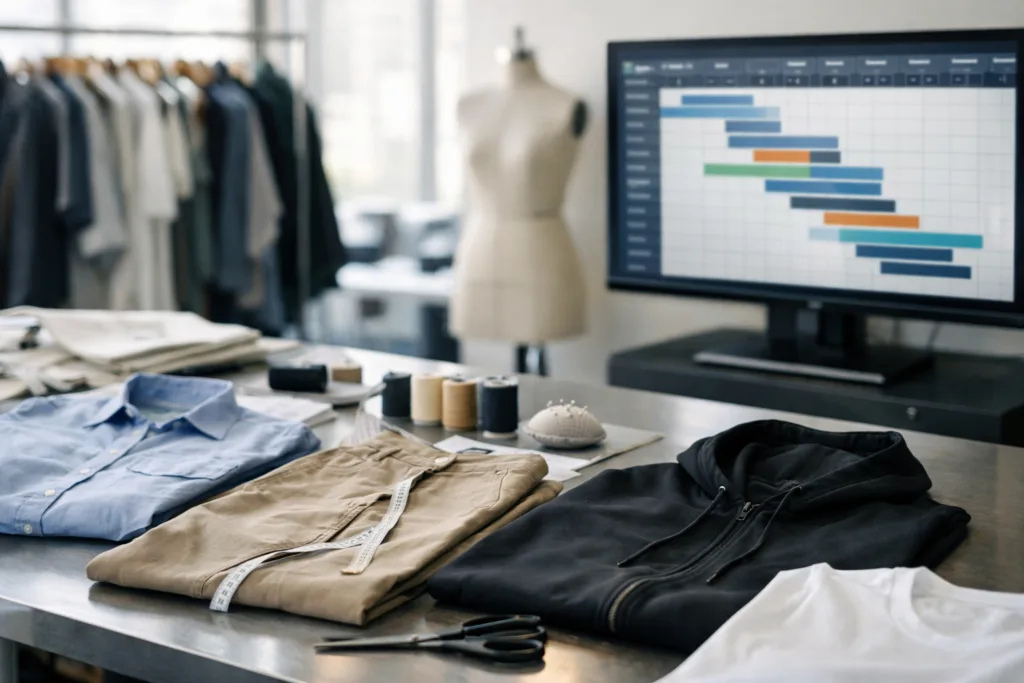
Seasonal apparel planning ensures each collection launches at the right time—catching trends, meeting retail schedules, and keeping your customers excited. Missing a ‘drop’ window means lost revenue, unsold inventory, and weaker brand impact.
What Is Buffer Setting in Seasonal Drop Planning?
A buffer is extra time or quantity built into your schedule or order, protecting you from unforeseen delays or defects. For most brands, the challenge is setting buffers effectively—giving enough room for error but not overcompensating, which can waste resources. At Ninghow, adding 7–10 days buffer for fabric delivery or pattern approval often prevents last-minute schedule crunches down the line.
The Main Risks in Seasonal Launch Schedules
Apparel launches can be derailed by late fabric arrivals, color mismatches, pattern/fitting errors, quality defects, or shipping slowdowns. Brands must account for these pitfalls during seasonal apparel planning, or risk delayed launches and lost sales opportunities.
Step-By-Step: How to Set Buffers for Seasonal Drops
- Analyze your past delays – Understand where hiccups happen most (e.g., fabric sourcing, approvals, production line bottlenecks).
- Build time buffers – Add extra days to vulnerable stages (lab dip approval, sample making, bulk fabric production, packing, etc.).
- Plan order volumes with quantity buffers – Consider 2–3% extra units for critical items to manage quality rejections or last-minute changes.
- Review with your manufacturer – Discuss realistic buffer timeframes with your supplier. Each factory and season is different.
How Split Shipments Support On-Time Drops
Split shipments (分批出货) mean releasing your finished goods in batches, rather than all at once. When you coordinate your split shipping schedule during seasonal apparel planning, you can get your bestsellers to market first—even if the full order isn’t ready. This keeps retailers happy and cashflow moving.
Common Pitfalls When Planning Seasonal Drops
- Assuming perfect production—without realistic buffer times
- Delaying material or trim orders until after sample approval
- Lack of communication with the factory about shipping dates and split shipment needs
- Delaying bulk approvals, risking late sign-offs
To minimize these issues, review why clothing factories miss deadlines for shop-floor insights and preventative strategies.
Buffer Setting Example: Matching Drop Dates with Production Realities
If your Spring/Summer drop needs to hit stores by March 15, reverse-plan each stage with buffers included. For instance, bulk fabric in by January 1 (adds 2 weeks for testing or re-dye), final PP sample approval by January 20 (adds 7 days for revisions), and production buffer to absorb sewing/finishing hiccups. Schedule split shipment of bestsellers for February 28—in case slower SKUs finish later without derailing your entire launch.
Calculating the Optimal Buffer: A Simple Table
| Stage | Standard Days | Suggested Buffer (Days) | Total (Days) |
|---|---|---|---|
| Fabric Sourcing | 18 | 5 | 23 |
| Sampling | 10 | 3 | 13 |
| Bulk Production | 20 | 7 | 27 |
| Packing & QC | 7 | 2 | 9 |
Split Shipments: Timing and Tactics
Deciding when to split shipments depends on your merch calendar and SKU priorities. Typical split shipment tactics include:
- Shipping ‘key’ styles (bestsellers or core sizes) first
- Prioritizing climate-sensitive inventory (e.g., outerwear before weather turns warm)
- Aligning first batch with PR events or retail launches
Communication Strategies for Effective Buffer Use
Open, ongoing dialogue with your factory is critical. Share your calendar early and update them during every approval step. Outdated timelines are the main reason buffer time is wasted. For sharper SOPs, check out this Supplier Communication SOP guide with real-world templates.
How to Avoid Missing Seasonal Launch Windows
Seasonal apparel planning must sync marketing, buying, and manufacturing timelines. Cross-functional calendars and buffer tracking tools can spot potential delays well before they’re critical. Monitoring actual vs. planned drop progress each week is more effective than last-minute checks.
Material and Trim Risk: How Buffers Prevent Delays
Missing zippers, wrong buttons, or late-shipped trims are common causes for overall launch lags. Proactive buffer allocation for trims—by ordering early and in surplus—safeguards your critical path. More on this can be found in this practical fabric & trim sourcing guide.
When to Use Buffer for Quantity (Not Just Time)
If your PP (Pre-Production) samples or first bulk deliveries show >2% quality issues, up your quantity buffer for future drops. For crucial drops, 3% extra manufactured units ensure you don’t miss minimum launch allocations after QC rejects or air shipment split-offs.
How Lead Time Buffers Improve Supply Chain Resilience
Small, intentional schedule buffers make your entire pipeline more resilient. You can absorb upstream issues—like material delays or unplanned reworks—without passing stress downstream to logistics or retail. Ninghow’s experience shows, consistent lead time buffers decrease last-minute airfreight and unhappy retailer emails.
Case Study: Avoiding Missed Drops with Smart Buffering
One brand planned a Winter launch for outerwear, but down filling arrived late from the supplier. By pre-building a 10-day buffer and splitting shipment of lighter jackets, they met 85% of their drop window in-store. Had the shipment not been split, the entire line would’ve missed critical shelf time before Black Friday.

How to Manage Buffer and Split Shipment Costs
Buffers—whether time or quantity—aren’t ‘lost’ resources. They are insurance against lost sales. Split shipments may cost more in logistics but pay back by capturing early-season sales and PR moments. Always weigh buffer investment against launch season impact.
Sample Approval and Critical Path Management
Getting fast, accurate sample approval is essential for keeping buffers and split shipments effective. An efficient approval chain helps avoid shrinking your buffer by accident. Streamline sample approvals for better seasonal planning—see sample strategies in this workflow guide.
Live Tracking Tools for Drop Planning
Many brands use digital dashboards to visualize seasonal drop status, buffer utilization, and split shipment scheduling. Choose tools that allow live updates from the factory floor, logistics, and merch teams. This prevents ‘blind spots’ where delays hide until it’s too late.
Quality Control (QC) and Its Role in Buffer Setting
Strict QC at every stage reduces the chance you’ll burn through your buffer due to late-stage rework or replacements. Build in time for AQL or inline QC to spot and resolve defects early—before they threaten on-time shipment. For a robust QC checklist, study this QC field template.
Packaging, Logistics, and Split Shipment Coordination
Packed goods should be physically separated according to split shipment schedules (not just on paper). Label batches clearly, and communicate with your forwarder about partial loads, so urgent goods ship first. Sync with freight deadlines to avoid over-allocating buffer at the last mile.
The Role of Data Analytics in Seasonal Apparel Planning
By collecting real data on historical drop execution, buffer utilization, and delivery accuracy, brands can fine-tune their planning. Seasonal apparel planning improves with every drop, using analytics to better set future buffers and split shipment thresholds.
Final Steps Before Launch: Checklist for Buffer and Split Shipment Readiness
- Confirm all buffer intervals were maintained or adjusted with new info
- Sign off on split shipment sequencing (style, color, region)
- Reconfirm with your manufacturer, logistics, and retail teams
Seasonal Drop Planning with Buffers & Split Shipments
Getting this planning right blends art and science. Choose buffer times based on your critical path, plan split shipments where they’ll have the most retail impact, and keep every team informed with real-time status. Seasonal apparel planning with buffers and split shipments helps brands capture every possible sales window, even in unpredictable production environments.
Conclusion
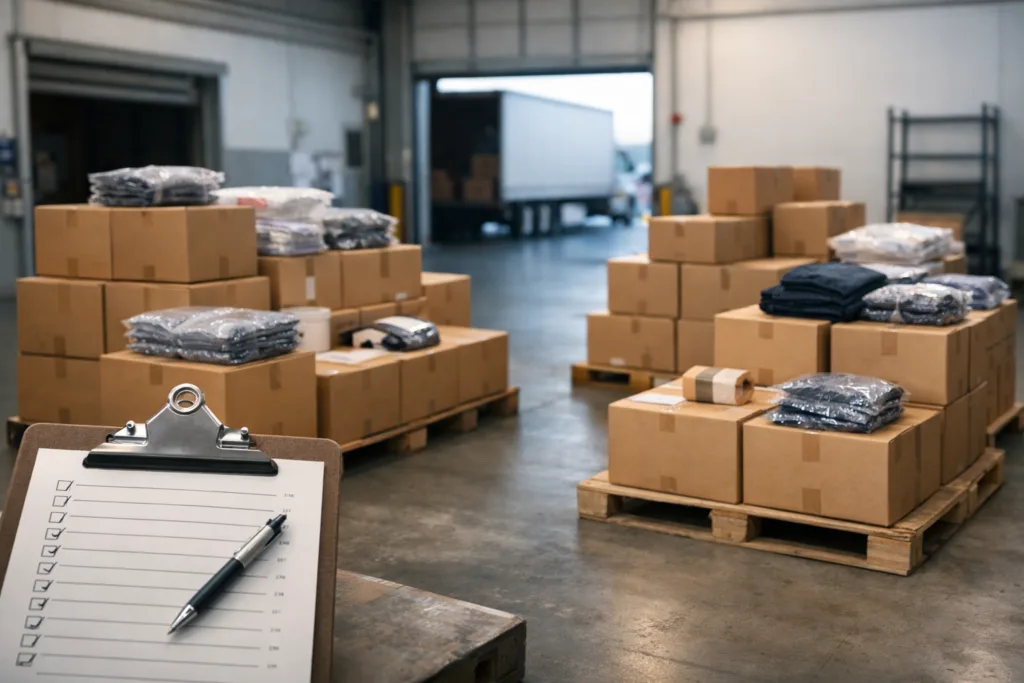
Seasonal Drop Planning with Buffers & Split Shipments is not just about handling delays; it’s about proactive, flexible brand management. By implementing strategic buffers, mastering split shipments, and ensuring transparent workflows, brands prevent missed launches and maximize every retail moment. A well-prepared team, open supplier communication, and disciplined critical path tracking are the backbone of every successful seasonal drop—year after year.
Frequently Asked Questions
What is the main advantage of split shipments in apparel production?
Split shipments allow priority goods to reach retailers sooner, increasing sales opportunities while slower SKUs finish production without derailing the entire launch.
How much buffer time should I add to each stage?
It depends on your past experiences, but adding 10–20% to standard timelines for high-risk stages usually absorbs most common production hiccups.
Can buffer stock reduce fabric and trim shortages?
Yes. Ordering 2–4% more fabric and trims than strictly required helps cover for defects, last-minute style swaps, or QC failures.
How do you decide which items ship first in a split shipment?
Ship bestselling colors, key sizes, climate-sensitive items, or SKUs required for marketing first. Decide based on potential revenue and retail deadlines.
What if my drops are delayed despite buffers?
Immediately inform your retail/PR partners, adjust new window targets, and review what caused the shortfall for process improvements in the next season.
Do buffer times increase overall costs?
Not necessarily. Buffers act as insurance—preventing major revenue losses from missed launches, late-season clearance, or expensive airfreight caused by crisis fixes.
Related Reading
- The Playbook to Cut Down Costly Apparel Returns in Production
- What Really Drives Garment Production Delays (and How to Fix Them)
- Mastering Your Private Label Clothing: The End-to-End Brand Checklist
- Pro Strategies for Final Production Sample Approvals
- How to Get Reliable Lab Dip Color Control in 7 Steps