





Introduction: Why Accurate Clothing Manufacturing Quotes Matter
Securing a reliable clothing manufacturing quote isn’t just a matter of price—it’s a cornerstone for fashion brands and buyers to plan budgets, avoid costly surprises, and establish trust with factories. Yet, too often, misunderstandings and incomplete info lead to misquotes, unexpected additional charges, and delayed deliveries. Let’s reveal what information a factory truly needs to provide an accurate, comparable quote—and how you (the brand) can set yourself up for success.
Clothing Manufacturing Quote: The Core Building Blocks
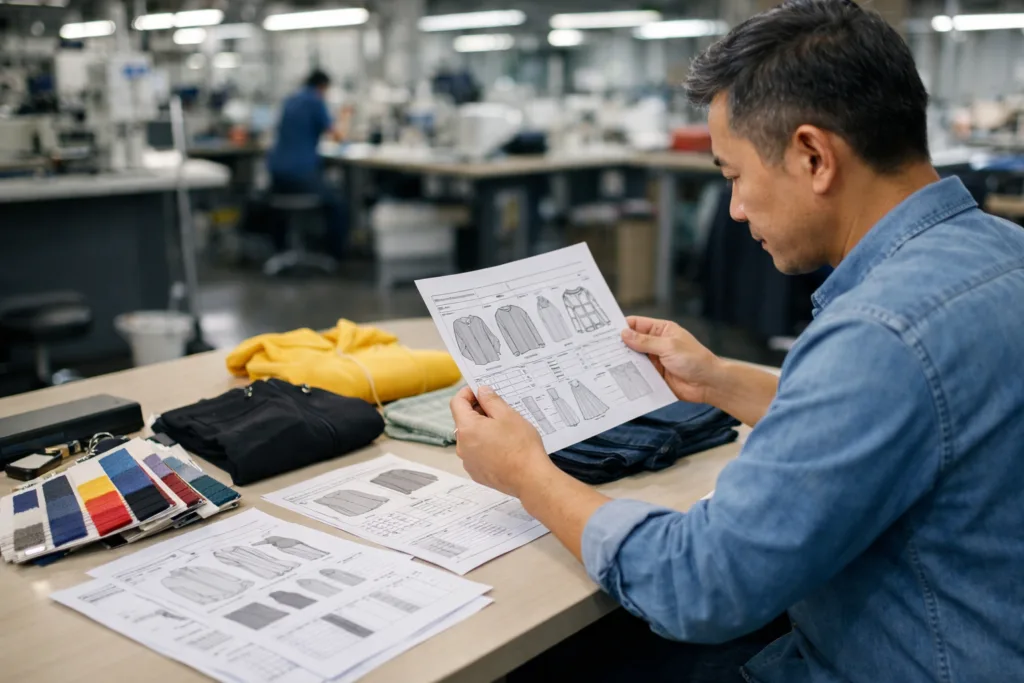
An accurate clothing manufacturing quote depends on both sides understanding what’s included and what isn’t. Factories base prices on specific, quantifiable details—miss even one, and your quote can miss the mark by a mile. Think of it like a blueprint: the more precise, the better. For those starting, using an apparel RFQ template can help create a comprehensive request for quotation.
The Essentials: What Every Factory Absolutely Needs for a Quote
Style Details and Construction Breakdown
First, the factory requires a clear description of the apparel item: T-shirt, polo, hoodie, jacket, or other. Beyond that, the style details (necklines, pockets, hem, cuffs, closures) and construction type (e.g. flatlock seams, double-needle stitching) must be specified. Many issues stem from brands sending reference photos only—these can be interpreted in various ways. That’s why a detailed tech pack with diagrams, measurements, and notes is essential for both sides.
Fabrics and Trims
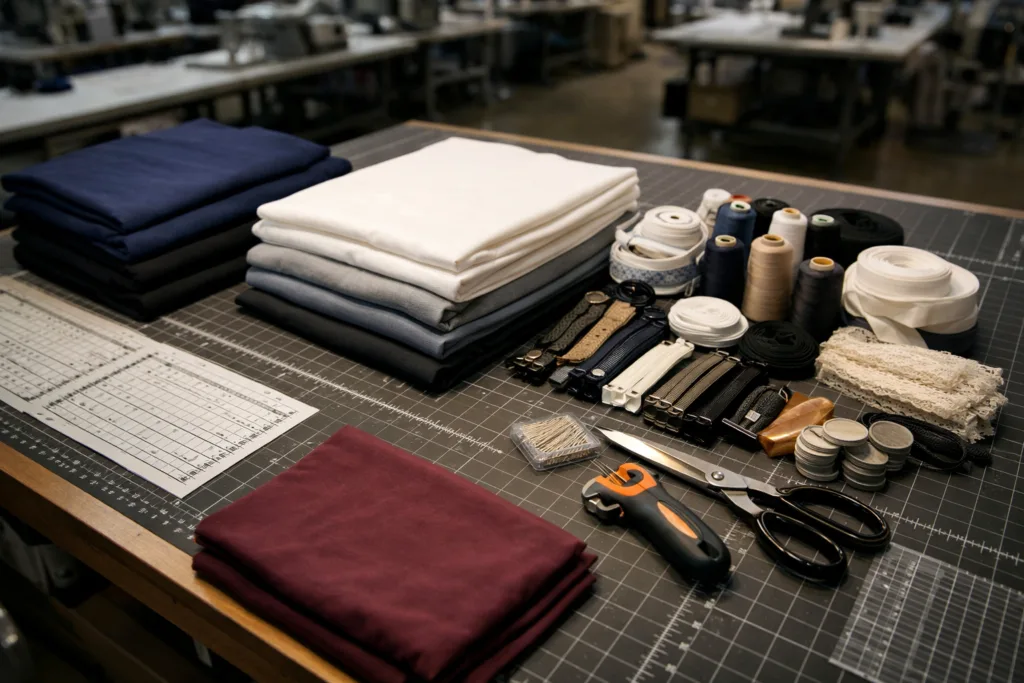
Fabric makes up the largest cost chunk. Specify the fabric type (e.g., 100% cotton, poly-cotton blend, fleece), GSM (weight), color, and finish. Trims—things like zippers, drawcords, labels, and buttons—must also be listed. Variations in fabric quality, colorfastness, or even handfeel can create cost swings. Experienced manufacturers like Ninghow compare fabric sample cards and conduct handfeel checks to avoid surprises later. For more on handfeel and performance, discover secrets to matching fabric and trim performance.
Measurements and Size Breakdown
Supplying a size chart (specs for chest, length, sleeve, etc.) and intended grade rules for all sizes ensures there are no fit surprises. The size ratio per order (e.g., S/M/L split) also influences material consumption and thus the quote.
Quantity and MOQ Awareness
Be clear: Is the quantity per style, per color, or total? Factories have MOQs (minimum order quantities) for each SKU or colorway. A change in quantity affects per-piece pricing due to fixed costs being spread differently. For more insights on MOQ and smart negotiation, explore the MOQ negotiation guide.
Decoration & Branding Instructions
Details of screen printing, embroidery, DTG print, appliqué, patches, or other effects are essential. Attach vector artwork and specify size, location, thread count or color for embroidery, and type of print. A vague “add logo” can swing costs widely based on method.
Going Deeper: The Details That Protect Your Budget
Packing and Labeling Requirements
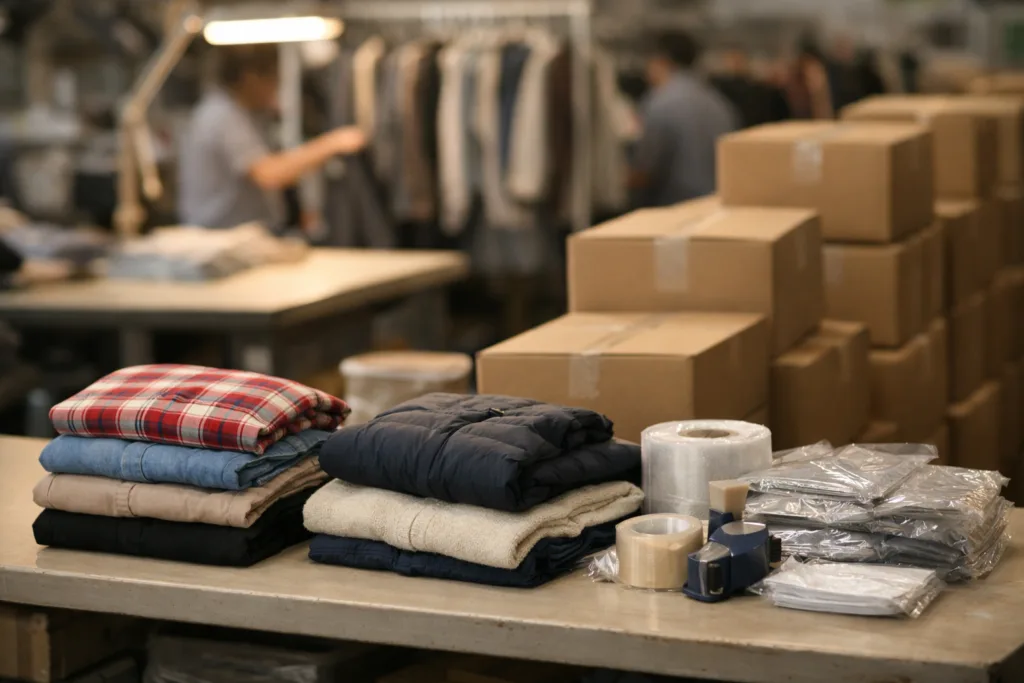
Do you require hangtags, polybags, barcodes, folded/packed in a certain way? These affect both material cost and labor time. Failure to specify may lead to ‘default’ options that don’t match your brand’s presentation standards.
Sample Needs and Approval Steps
Indicate if you need proto samples, pre-production samples, or top samples before mass production. State who pays the sample cost, and if it will be credited back against production orders.
Testing, Compliance, and Special Instructions
Certain markets require third-party tests (for colorfastness, shrinkage, restricted substances). If you need certificates or lab tests included, this must be clear upfront.
Why Do Quotes Vary? Breaking Down the Differences
Are You Comparing Apples to Apples?
If your tech packs, sample requests, or decoration details are incomplete—or if factories make assumptions—comparing quotes from different sources is like comparing apples to oranges. To prevent shock later, always clarify these factors in writing.
Hidden Costs: The Common Surprises
The most overlooked price factors include special wash treatments, oversized packaging, individual bagging, customized buttons/labels, extra QC steps, or duties/taxes not included in the quote. Ask for a breakdown that highlights if quotes are “FOB” (Free on Board), “EXW” (Ex-Works), or “DDP” (Delivered Duty Paid) so you can compare what’s truly covered.
Document Flow: From Quote to Sample to PO
Typical Clothing Quote Process Flow
- Brand creates an RFQ with tech pack and details
- Factory reviews, seeks clarifications
- Quote is provided, specifying assumptions and exclusions
- Brand asks questions or requests cost reduction options
- If approved, factory produces samples
- Sample review leads to tweaks and final PO with confirmed price
Controlling Revisions and Requote Risks
After sampling, minor changes in design, print, or fabric choice may trigger a requote. Get written signoff at each step and keep email/chat records for accountability. As we noted in our guide to avoiding costly garment pattern and fit revisions, even small changes in measurement charts can drive up costs if not precleared.
Tools for Consistency: Tech Packs, Templates, and Checklists
The Power of a Professional Tech Pack
A full tech pack acts as the single source of truth for construction, fit, branding, and finishes—locking down details so factories can quote precisely. Check out the tech pack template factories follow for a bulletproof starting point.
RFQ Templates and Supplier Communication SOPs
Standardized RFQs and supplier communication protocols help reduce misunderstandings, speed up quoting, and make costs crystal clear. With all parties referencing the same template, there’s less risk of assumptions.
Pitfalls to Avoid: Lessons from the Sewing Floor
Incomplete Information
Tempted to rush a quote with “just some pics and a rough idea”? It may save time upfront but always costs more—either through delays or unexpected fees. List every detail, even if basic (e.g., is the pocket functional or decorative?).
Unrealistic Timelines and Quantities
A quote is only as good as the information provided. Over-optimism around timing or quantity often leads to disappointment. Experienced factories, such as Ninghow, recommend brands be realistic about batch size and speed to ensure a smooth process. In practice, smaller runs may cost more per piece but allow for fit tests and QC tweaks before volume.
Real-World Insights: What Experienced Factories See Most Often
Frequent Quote Misses
- Artwork provided only as a JPEG—vector or .AI files are needed for clean results
- No size spec sheet, just a reference tee
- Fabric type listed as “something like this” without a swatch or code
- Packing assumed to be “factory standard” (which can mean bulk pack, not retail-ready)
- Custom label or hangtag specs missing until PO stage
Pre-Quoting Tips from Factory Pros
- Clarify sampling process and charges upfront
- Ask if quoted price includes labeling, folding, packaging, special trims
- Request a table showing unit price by order size (e.g., 300/500/1000 units)
- Specify if freight terms are included
- Provide deadlines for decision-making (quotes may expire as costs fluctuate)
What a Factory Needs to Quote Accurately
To summarize, an accurate, comparable clothing manufacturing quote depends on:
- Detailed style/construction notes and reference images (ideally, a tech pack)
- Exact fabric/trim specs or swatches
- Size chart with breakdown per SKU
- Total and per-color/size quantities with MOQ clarity
- Decoration/branding artwork and method specifics
- Packing/labeling instructions and compliance/testing needs
Only with this level of detail can factories like Ninghow provide a solid number upfront—preventing surprise costs, endless emails, and time wasted. A clear quote also helps you plan go-to-market strategies with confidence. Take the extra time to get it right, and your production will run smoother from start to finish.
Conclusion
Getting a precise clothing manufacturing quote is all about communication and detail. By supplying clear specs, realistic quantities, and well-prepared artwork, brands ensure factories aren’t guessing, which means fewer errors, lower risks, and stronger partnerships. The more you treat the quoting process as a checklist, the more predictable your production timeline and cost structure become. Modern fashion success isn’t just about design—it’s about controlling the process from quote to delivery.
Frequently Asked Questions
What basic information should I send for a clothing manufacturing quote?
You should send style details, a tech pack or accurate drawings, fabric and trim specs, size breakdown, order quantity, decoration artwork, and packing instructions for a precise quote.
Why do clothing quotes from different factories vary so much?
Quotes vary due to differences in assumed materials, construction methods, included features (like packaging or labeling), and order quantity breaks. Always clarify what’s included for true apples-to-apples comparison.
How do I avoid hidden costs when getting a clothing manufacturing quote?
List testing needs, packing requirements, and decoration methods upfront; ask if the quote includes all trims, packaging, freight terms, and quality controls before issuing a purchase order.
Do I need a tech pack for every quote?
While not always required, a tech pack is the industry standard for ensuring consistent, accurate quoting and fewer misunderstandings between brand and factory.
How does order quantity affect the unit price in a quote?
Larger order quantities let factories distribute setup and fixed costs, lowering the per-piece price. Small runs may cost more per unit due to minimums and labor inefficiency.
Can I request a quote revision if the design changes?
Absolutely. Any significant change in fabric, trims, or construction warrants a requote to ensure pricing remains fair and accurate for both parties.