
Introduction: Why Finding the Right Clothing Manufacturer Matters
If you’re launching a new clothing line, scaling up with private label, or switching suppliers, understanding how to find a clothing manufacturer turns ambition into action. This guide walks you through every step—deciding between Chinese and overseas factories, setting expectations, avoiding mistakes, and managing the details that transform ideas into finished garments. Whether you need custom T-shirts or complex swimwear, the right manufacturer shapes your brand’s quality, reputation, and profitability.
Understanding the Types of Clothing Manufacturers
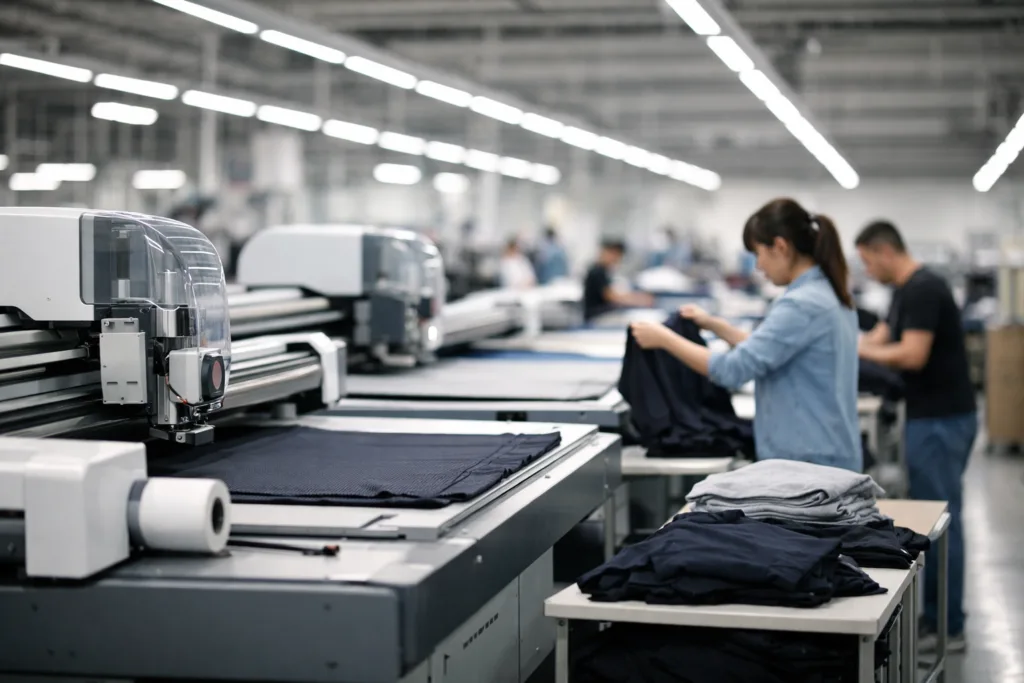
Clothing manufacturers typically fall into three categories: OEM (Original Equipment Manufacturer), ODM (Original Design Manufacturer), and CMT (Cut, Make, Trim). OEM builds to your specification; ODM offers ready-to-customize designs; CMT specializes purely in assembly. Each model impacts cost, design freedom, and production control. Choosing correctly sets the tone for your sourcing journey.
China vs Overseas: Key Differences in Clothing Manufacturing
Choosing between Chinese and overseas manufacturers involves trade-offs. China offers scale, efficiency, and deep supply chains, suiting both startups and established brands. Overseas factories (Bangladesh, Turkey, Vietnam, Portugal) might offer niche expertise, higher labor standards, or easier communication. Assess your priorities: price, customization, quality, or lead time. For instance, China excels in complex bulk production, while Portugal is known for premium knits. Private label clothing checklist resources help clarify your requirements for each market.
Deciding Between OEM, ODM, and CMT for Your Brand
OEM is ideal if you have your own designs and precise fit specs. ODM suits buyers wanting fast launches with minimal design work. CMT is cost-effective when you supply all materials and need pure assembly. Weigh flexibility versus control—OEM often means longer timelines but more distinction, while ODM is quick but limits creative freedom.
Where to Research and Find Clothing Manufacturers
Online B2B platforms, trade shows, referrals from fellow brands, and industry directories are your starting points. Alibaba, Global Sources, and TradeKey cover global options. For Chinese factories, Canton Fair and regional exhibitions reveal up-to-date capabilities. Join forums like Apparel Search; consult niche directories (swimwear, denim, sportswear). Verification is critical—read reviews, ask for sample portfolios, and check certifications.
Evaluating Communication: Language, Responsiveness, and Transparency
Clear and consistent communication is essential, especially when working across borders. Prioritize factories that respond quickly, explain production timelines, and offer transparent pricing. Native English speakers are rare in China, but many factories employ bilingual sales teams. Overseas companies may provide more direct contact with apparel engineers. Never underestimate how weak communication leads to sampling errors and delays.
Checking Factory Capabilities: Machinery, QC, and Scale
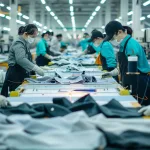
Inspect machinery lists, sample lead times, and quality control systems. Factories should detail their equipment (e.g., four-needle flatlock, digital printing, embroidery), core competencies, and size range expertise. Leading manufacturers—including those like Ninghow—prioritize fit accuracy, consistent stitching, and robust QC at each checkpoint. If requesting bulk T-shirts, confirm access to automatic cutting and blending machines.Unlocking garment factory capabilities can prevent unexpected production limitations.
Approach for Sampling and Prototyping
Sampling is the bridge between idea and bulk production. Request sample runs, checking fit, stitching, and trims against your specifications. The process varies: some Chinese OEM factories offer flexible prototyping, but charge setup fees. Overseas factories may require higher upfront payments. Review prior samples for defects and consistency.
MOQ (Minimum Order Quantity): Understanding and Negotiating
MOQ varies widely. Chinese factories often set minimums (100-500 pcs/style), but flexible partners exist for smaller brands. Overseas suppliers sometimes accept lower orders, but at a premium. Negotiation is easier with clear tech packs and when you’re open to fabric substitutions. MOQ, sampling, lead time FAQ can demystify minimums and help you plan launches realistically.
Lead Time: What Impacts Production Speed?
Lead time depends on fabric availability, customizations, production line schedules, and sample approval. Chinese factories typically deliver within 30–60 days for standard items, but seasonal peaks cause delays. Overseas factories may face longer transit times but sometimes have faster in-factory turnaround due to streamlined operations. To reduce risk, ask for weekly production updates or negotiate buffer periods.
Quality Control: Setting Standards and Preventing Issues
Define your acceptable tolerance for color, stitching, size, and trims. Request pre-production and bulk QC reports. Insist on lab dips for color consistency and seam strength tests for durability. Ninghow’s shop-floor teams perform audits at each stage—pattern, fabric, assembly, and packing—to catch errors early. Buyers should agree on signed quality documents to prevent disputes later. Factories with OEKO-TEX, GOTS, or social compliance certifications often signal higher discipline.
Sampling Timeline: Getting Samples Faster Without Sacrificing Quality
Delays in sampling spark frustration. To speed up, send detailed tech packs, confirmed artwork, and size specifications. Some manufacturers (like Ninghow) streamline sample workflows by using digital patterns and pre-approved trims, reducing risk of costly revisions. Build a timeline with checkpoints—fabric sourcing, pattern making, prototype review, and PPS (pre-production sample) sign-off.
Garment Fit and Pattern Accuracy: Avoiding Costly Mistakes
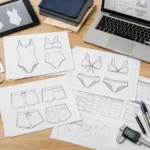
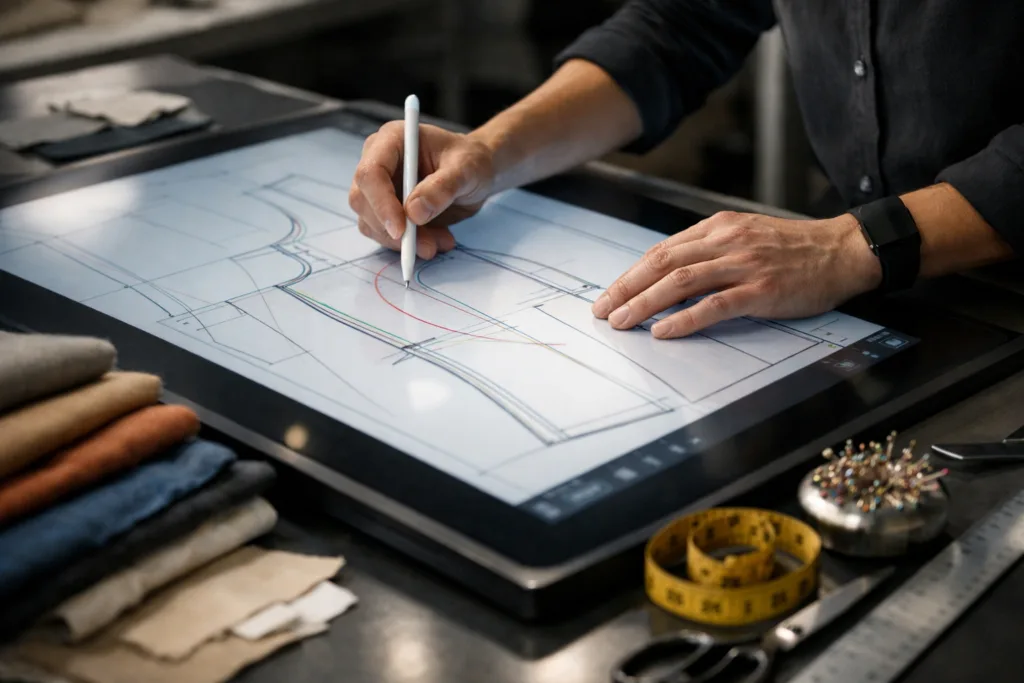
Fit is non-negotiable. Precise patterns ensure garments match your brand’s signature look. Use detailed measurement charts and tolerance tables for communication. Factories with advanced pattern software (such as Gerber or Lectra) achieve consistent results. Always confirm grading rules for each size range. Sample approvals must pass multiple fit tests before moving to bulk—review workflow tips on sample approval workflows for smoother launches.
Fabric Selection: Sourcing for Performance, Comfort, and Brand Story
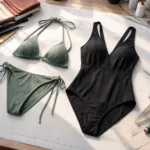
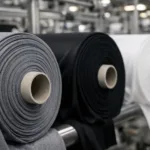
Fabric impacts appeal, durability, and pricing. Chinese supply chains offer vast material options—cotton, poly, modal, recycled, performance blends. Overseas suppliers might specialize in niche fabrics (e.g. Italian merino or Turkish organic cotton). Ask for swatch books and test reports. For swimwear, demand chlorine resistance and good stretch (learn more in Choosing swimwear fabric). Always check fabric certifications: OEKO-TEX, GRS, GOTS, REACH compliance.
Trim and Labeling: Getting the Details Right
Small trims (buttons, zippers, elastic) and labels (care, size, branding) carry big brand impact. Confirm material sourcing, attachment method, and labeling compliance for target markets. Factories should support custom trims and precise placement. Always request samples for approval before bulk production.
Packaging: Compliance, Branding, and Shipping Requirements
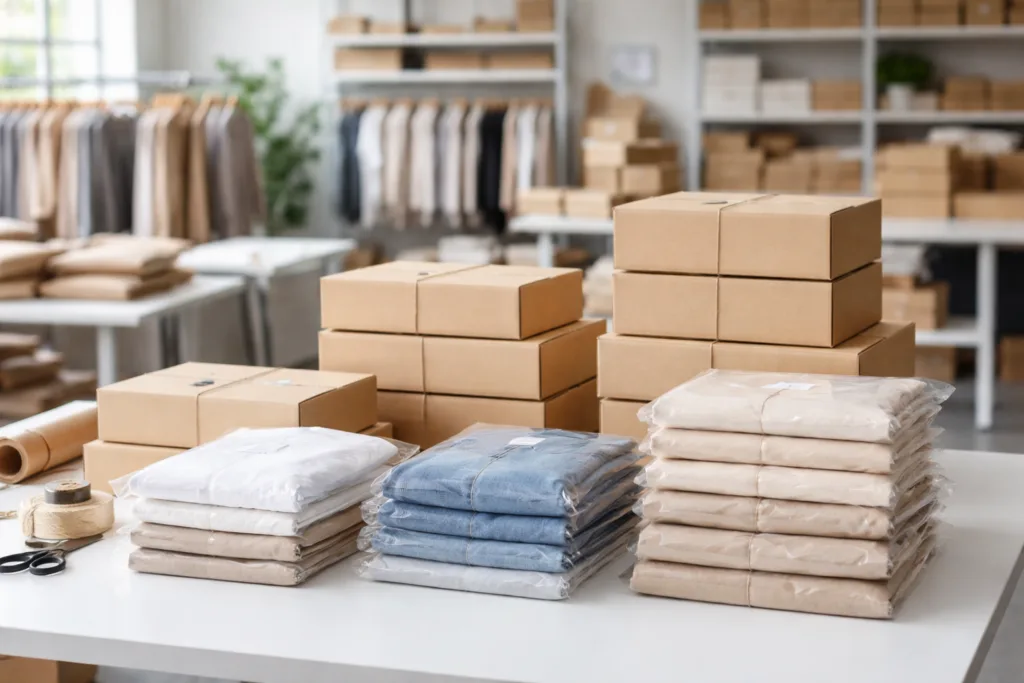
Thoughtful packaging prevents damage and impresses buyers. Decide between generic PE bags or custom boxes with branding. Aim for packaging that meets destination country standards—fiber content, care labels, and import compliance. Factories like Ninghow proactively share packing plans to avoid customs delays and minimize returns.
Shipping Options: Air, Sea, or Express?
Transit choices shape cost and delivery time. Air freight is fastest, but most expensive. Sea freight is economical for bulk orders, but slower. Express courier suits sample runs. Negotiate Incoterms (EXW, FOB, DDP) for clear cost and risk division. Accurate customs documentation and packing lists are vital for smooth transit.
Social Compliance and Sustainability: Required Certifications
Modern buyers demand sustainable practices and ethical audits. Request factory certifications—BSCI, Sedex, OEKO-TEX, GOTS, GRS. Chinese factories increasingly invest in compliance, but always validate audit reports. Overseas suppliers may offer stronger labor protections but require close scrutiny. Transparency protects your brand and supports responsible sourcing.
Requesting Quotes: What to Send and Expect
Accurate quotes require detailed tech packs, fabric specs, target quantities, packaging needs, shipping destination, and deadlines. Factories usually reply within a week. Clarify payment terms (T/T, L/C, PayPal), sampling costs, and trial order possibilities. Review factory quoting checklists to avoid missed details.
Trial Orders: Testing Before Committing
Start with pilot runs—smaller batches help you assess fit, fabric, QC and delivery reliability. Negotiate conditions: sample approval, timeline, and post-trial bulk pricing. Afterward, review learnings and adjust specifications for full production. This stage prevents major loss if issues arise.
Managing Production: Weekly Updates and Clear Communication
Monitor production with status updates and photos. Agree on escalation procedures for delays or defects. Choose factories with established reporting routines to avoid surprises at shipping. Transparent updates foster trust and keep you informed from sampling to bulk delivery.
Cost vs Quality: Balancing Budgets and Standards
Pushing for the cheapest option can risk fit, stitching, and color accuracy. Weigh price against details—labor conditions, machinery, certifications, and QC. Chinese factories tend to offer lower costs, but careful vetting is vital. Overseas suppliers may charge more, but provide tighter quality control. Use realistic quotes to set budgets while avoiding risky shortcuts.
Common Mistakes in Finding a Clothing Manufacturer
Rushing through sample approval, ignoring communication gaps, and underestimating shipping complexities are major pitfalls. Skipping lab dips and QC checklists often leads to costly rework. Prioritize slow, steady vetting over quick-fix solutions. Learn from industry veterans—always request trial orders, verify compliance, and clarify every detail before signing contracts.
How to Find a Clothing Manufacturer
Begin by outlining your product needs—quantity, fabric, trims, fit, and required certifications. Search verified B2B platforms, attend trade shows, and ask for referrals. Evaluate factories through sample runs, communication audits, and machinery checks. Request detailed quotes and quality documents. Trial orders, clear timelines, and dedicated QC routines provide security. Most importantly, stay detailed, patient, and vigilant—your brand depends on it.
Conclusion: Turning Sourcing into Brand Success
Finding a clothing manufacturer—whether in China or overseas—means balancing expertise, cost, transparency, and reliability. Start with clear specifications, test samples, negotiate flexible terms, and demand quality at every step. Build strong communication routines and validate certifications for ethical sourcing. The right approach delivers consistent garments, smoother launches, and long-term supply chain trust. As your apparel brand grows, these sourcing decisions lay the foundation for quality and reputation.
Frequently Asked Questions
What is the best way to verify a clothing manufacturer?
Request samples, factory certificates, and customer references. Visit factories or use verified third-party audits for higher security.
How do I negotiate Minimum Order Quantity (MOQ) with factories?
Share clear tech packs and flexible fabric preferences. Negotiate based on long-term potential and confirm with written agreements.
What certifications should I look for in a clothing manufacturer?
Seek OEKO-TEX, GOTS, GRS, BSCI, or Sedex depending on your product needs and customer demands regarding ethics and sustainability.
How can I ensure garment fit and pattern accuracy?
Send detailed size charts and tolerance tables. Approve multiple samples and confirm factory grading procedures before bulk production.
What’s the typical lead time for clothing production?
Lead times vary from 30–60 days for standard items. Factors include fabric sourcing, customization, and factory workload.
Is a trial order necessary before bulk production?
Yes, trial orders test fit, QC, and delivery reliability. This minimizes risk and helps you refine specifications for larger runs.
Related Reading
- 21 Steps to Launch Your Swimwear Brand with Smart Manufacturing
- How to Get Consistent Clothing Manufacturing Quotes in 13 Steps
- The Complete Guide to Apparel Labeling: Fiber Content and Care Rules
- Costly Garment Pattern and Fit Mistakes—And How to Avoid Them
- Mastering Bulk Teamwear Orders: Size Range and Delivery Playbook
