

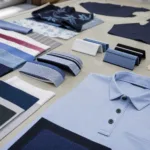
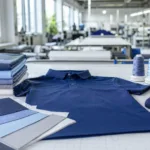
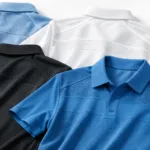



Apparel manufacturing decisions become much easier when a buyer defines the garment category, intended wearer, customization level, and order scenario before requesting a quotation. This guide uses the polo shirt as a practical example because its fabric, collar construction, fit, and decoration choices reveal the same planning disciplines that apply across custom apparel production.
For brands building performance, golf, team, or corporate ranges, polo shirt manufacturing options for performance-focused collections can provide a useful starting point for comparing fabric direction, collar style, logo methods, private label details, sampling needs, and bulk-order readiness. The most productive manufacturer conversation begins with a clear product brief rather than a request for a price alone.
Start Apparel Manufacturing With a Decision-Ready Product Brief
The first requirement is not a factory shortlist; it is a brief that tells the manufacturer what must be made, for whom, and under what commercial constraints. In apparel manufacturing, vague requests such as “a premium polo” can produce very different outcomes because premium may refer to fiber content, hand feel, construction, branding, or retail positioning.
For a polo program, define whether the garment is intended for golf, hospitality uniforms, schoolwear, everyday retail, club merchandise, or corporate events. Movement, climate, laundering frequency, price target, and logo visibility should then shape the specification.
- Target customer, market, and expected wear conditions
- Garment silhouette, fit reference, and size range
- Fabric composition, knit structure, weight, and desired hand feel
- Colorways, color-matching requirements, and contrast details
- Logo artwork, placement, and decoration method
- Labels, hangtags, folding, bags, and carton requirements
- Target quantity by color and size, delivery window, and target cost
Key takeaway: A well-defined brief prevents false cost comparisons because every supplier is pricing the same fabric, construction, trims, and finishing standard.
Choose Fabric by Wear Scenario, Not by a Generic Quality Claim

Fabric is the largest driver of polo performance, appearance, and repeat-order consistency. Piqué cotton can offer a familiar textured hand and breathable casual feel, while polyester or polyester-elastane constructions can improve moisture management, recovery, and color durability for active use. A blended yarn may balance natural touch with practical wash performance.
GSM is useful, but it does not tell the full story. A 180 GSM fabric can feel structured or light depending on fiber, yarn count, knit density, finishing, and whether the garment includes a substantial collar. Buyers should evaluate swatches and a finished sample, not rely on weight alone.
| Fabric direction | Typical use | Buyer benefits | Planning watchpoint |
|---|---|---|---|
| Cotton piqué | Casual, uniform, lifestyle | Natural hand feel and classic texture | Check shrinkage, color fastness, and collar recovery |
| Polyester piqué | Sports, events, teamwear | Quick drying and durable color | Confirm hand feel and decoration compatibility |
| Polyester-elastane | Golf and active polos | Stretch and better movement | Specify recovery expectations and heat-sensitive processes |
| Cotton-poly blend | Workwear and broad retail | Balanced comfort and practicality | Approve the exact blend and finishing sample |
For projects requiring movement and a refined course-ready appearance, custom golf polo shirt development should address stretch direction, sleeve mobility, placket stability, and the effect of embroidery or transfers on lightweight fabric. These details affect how the garment feels after a full day of wear.
Specify the collar and placket as engineered components
A polo collar is not merely a visual trim. Its rib construction, yarn quality, fusing choice, stitch density, and wash performance determine whether it stays crisp or rolls and waves over time. Matching body fabric in the collar can create a softer look, while rib collars often provide stronger recovery and a more traditional polo profile.
State the number of buttons, button material, placket length, neck tape, side vents, and hem finish in the tech pack. If contrast tipping is required, approve the yarn colors before bulk production because small color differences are more visible at the collar edge than on a large body panel.
Build Fit Consistency Into the Pattern Before Scaling Bulk Production
Fit cannot be corrected reliably by changing a measurement chart after cutting has started. The pattern, grading rules, fabric behavior, and sewing allowance must work together. A relaxed retail polo, a tailored golf polo, and a straight-cut uniform polo may share similar chest measurements but differ substantially at shoulder slope, sleeve opening, body length, and hem shape.
At Ninghow, we recommend buyers provide a fit sample or clearly marked reference images alongside a measurement specification. The factory pattern team can then identify which visual features are intentional and which dimensions need measurable tolerances. This reduces the common problem of approving one size but receiving inconsistent proportions across the full size run.
- Confirm the base size used for development.
- List point-of-measure locations and allowable tolerances.
- Specify whether shrinkage is included in final garment measurements.
- Review grading at chest, body length, shoulder, sleeve, and collar opening.
- Ask for a size-set review when the size range or fit risk is significant.
A manufacturer should also flag fabric-specific behavior. Stretch piqué may need different pattern ease from rigid cotton piqué, and a garment with side vents needs consistent seam alignment to prevent twisting after wash.
Match Logo Application to Fabric, Artwork, and Order Plan
The right decoration method is the one that achieves the intended appearance without creating unnecessary cost, production risk, or wearer discomfort. Embroidery is durable and dimensional, but dense stitching can pucker lightweight knits or feel heavy over the chest. Screen printing works well for bold artwork and larger areas, while heat transfer can support detailed multicolor logos and smaller production runs when the correct film and press settings are used.
| Method | Best suited to | Strength | Check before approval |
|---|---|---|---|
| Embroidery | Small chest logos and uniforms | Textured, long-lasting identity | Stitch count, backing, puckering, placement |
| Screen printing | Bold graphics and higher volumes | Efficient for simple artwork | Ink hand feel, color, registration, cure quality |
| Heat transfer | Fine detail and variable graphics | Clean edges and color flexibility | Peel strength, stretch, heat resistance |
| Sublimation | Polyester performance garments | All-over color without added hand feel | Fabric composition and artwork panel alignment |
Decoration should be planned before the sample is finalized, not added afterward. Logo placement may shift around a pocket, placket, seam, or stripe; artwork scale can look different on small and large sizes; and decoration can alter lead time when it needs separate digitizing, screens, or transfer production.
Buyers exploring a more textured body should compare knitted polo fabric options before choosing decoration. The knit structure can influence embroidery backing, print smoothness, drape, and the level of detail that remains clear in the final logo.
Plan MOQ and Lead Time Around Real Material Constraints
Low MOQ is most realistic when suitable stock fabric, standard colors, and readily available trims can be used. A fully custom yarn-dyed collar, newly developed fabric color, custom buttons, or specialized packaging may each introduce a separate supplier minimum. The garment quantity is only one part of the MOQ discussion.
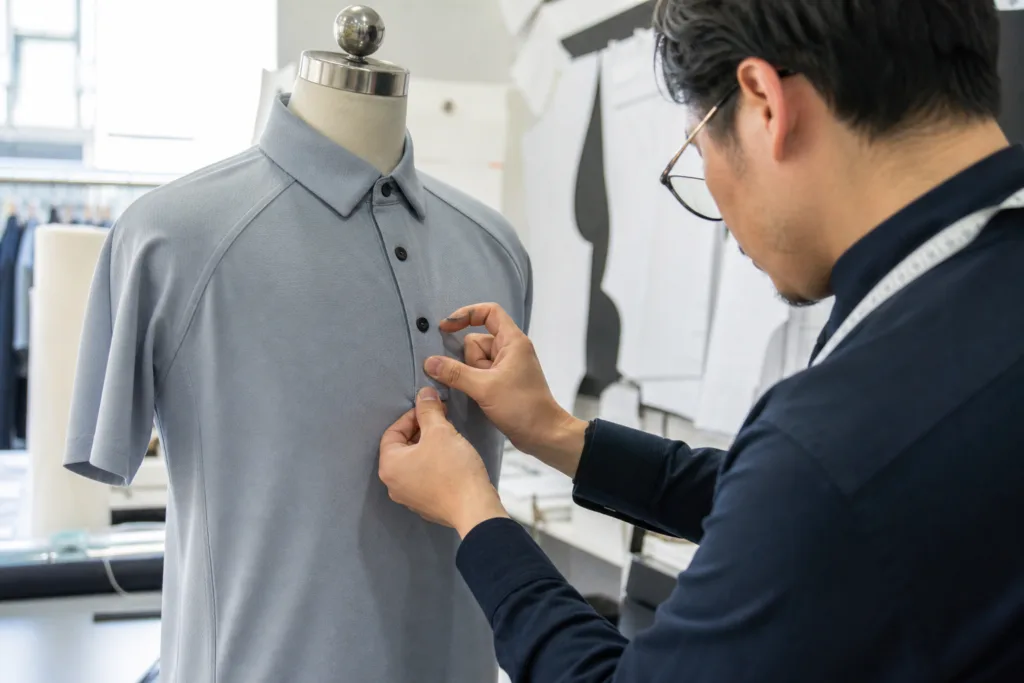
Ask for a production plan that distinguishes sampling, material booking, bulk cutting, decoration, sewing, finishing, inspection, and packing. This gives purchasing teams a better view of what can run in parallel and what must wait for approval. It also helps avoid treating an estimated delivery date as fixed before fabrics and artwork are confirmed.
- Use available fabric when speed and smaller quantities matter most.
- Consolidate colorways when custom dyeing is necessary.
- Freeze artwork and placement before bulk decoration begins.
- Allow time for lab dips, strike-offs, and pre-production approval where required.
- Confirm whether packaging components have their own minimums and lead times.
From our manufacturing perspective, the most reliable cost-performance balance comes from choosing the few custom elements that customers will notice most, then keeping lower-impact elements standardized. That might mean investing in a better collar and fabric finish while using an established button option and standard folded packaging.
Use Sampling to Resolve Risk Before You Commit to Bulk
A sample is a decision tool, not simply a preview. It should confirm fabric hand feel, fit, construction, color direction, logo quality, and labeling details under realistic conditions. For a performance polo, wear and wash evaluation can reveal collar distortion, print cracking, seam torque, or inadequate stretch that is not obvious during a quick fitting.
Use an apparel sampling process for fabric and fit approval to separate development questions from bulk-production instructions. First samples may validate shape and construction; later pre-production samples should represent the approved materials, branding, and workmanship standard as closely as possible.
What to approve in a pre-production sample
- Approved fabric composition, color, GSM direction, and hand feel
- Measurements against the final specification and tolerance policy
- Collar shape, placket construction, button security, and side vents
- Logo position, artwork color, decoration adhesion, or embroidery quality
- Main label, size label, care information, hangtag, and packaging sequence
- Workmanship standard for seams, loose threads, stains, and finishing
Document changes in one controlled approval file. Verbal changes, marked photos without version control, and multiple artwork files are frequent causes of avoidable production errors.
Set Quality Control Checkpoints That Protect Bulk Consistency
Quality control works best as a sequence of checks rather than one final inspection. Incoming fabric inspection can identify shade variation, defects, or width concerns before cutting. During sewing, operators and line supervisors can check critical measurements, collar symmetry, placket alignment, and stitch quality. Final inspection then verifies the finished garment and packing standard against the approved sample.
For color-sensitive collections, assess shade continuity across fabric rolls and between body fabric, rib, thread, and printed components. For polos, inspect collar points, button spacing, sleeve opening balance, side vent reinforcement, and logo alignment. These are small features that strongly influence perceived quality.
| Checkpoint | What to verify | Risk reduced |
|---|---|---|
| Material receipt | Color, defects, width, trims, logo materials | Cutting with unsuitable components |
| Pre-production | Approved sample, measurements, artwork, packing | Instruction mismatch |
| In-line sewing | Seams, collar, placket, measurements | Repeated workmanship faults |
| Final inspection | Appearance, decoration, size, cleanliness, packing | Nonconforming shipment |
Key takeaway: Bulk consistency is created by approved specifications and checkpoints before shipment, not by hoping a final inspection will correct process-level problems.
Common Planning Mistakes That Delay Apparel Manufacturing
The most expensive delays usually begin with missing decisions. A buyer may request a quote before identifying the fabric, approve a logo without confirming its decoration method, or add custom packaging after the production schedule has been set. Each change can be manageable, but it needs to be visible early enough to protect the delivery plan.
- Comparing quotes with different fabric compositions or weights.
- Approving a photo instead of a physical fabric and decoration sample.
- Using a reference garment without supplying measurements or fit intent.
- Assuming every color and trim can be produced at the same low MOQ.
- Leaving label content, barcode needs, or carton marks until final production.
- Failing to nominate one person to consolidate approvals and revisions.
When a project needs an experienced manufacturing partner to connect these details, Ninghow can support fabric selection, pattern refinement, private label components, sampling, and bulk planning as one coordinated production workflow. The useful first step is to provide the product brief, quantity plan, target delivery date, and reference materials that make those choices actionable.
Conclusion: Turn a Broad Request Into a Manufacturable Polo Program

Effective apparel manufacturing starts with decisions that a factory can execute consistently: use scenario, fabric construction, fit, branding method, quantities, and quality standard. For polos, the collar, piqué structure, logo method, and grading rules deserve the same attention as the body fabric because each affects customer experience and repeatability.
Buyers do not need every answer before speaking with a manufacturer, but they should identify which decisions are fixed and which require development support. A structured brief, approved sample, and realistic material plan create a stronger foundation for custom polo production and for wider apparel manufacturing programs.
Frequently Asked Questions
What information should I send before requesting an apparel manufacturing quote?
Send the garment type, quantity by color and size, target market, fabric preference, reference images, logo files, labels, packaging needs, target delivery date, and any measurement chart or tech pack you have. If some details are undecided, identify them clearly so the manufacturer can quote options rather than making unapproved assumptions.
What GSM is suitable for a custom polo shirt?
A suitable GSM depends on fiber, knit construction, climate, and intended use, but many polo programs begin by comparing midweight piqué options that balance coverage, breathability, and structure. Always assess a finished sample because yarn, density, finishing, and collar construction influence hand feel as much as the GSM figure.
Can a low MOQ work for private label polo shirts?
Low MOQ can work when the project uses available fabric, standard colors, and accessible trims, while fully custom fabric, collar yarns, buttons, or packaging may require higher component minimums. Confirm MOQ separately for the garment, fabric, decoration, labels, and packaging before finalizing a launch quantity.
Why is a pre-production sample important?
A pre-production sample is important because it records the approved version of fabric, fit, construction, logo application, labels, and packaging before bulk work starts. It gives both buyer and manufacturer a single physical reference for inspection and helps prevent late changes from creating inconsistent bulk garments.
Which logo method is best for performance polos?
Heat transfer, embroidery, screen printing, and sublimation can all suit performance polos, but the best method depends on fabric stretch, artwork detail, placement, and desired hand feel. Test the chosen method on the actual fabric to confirm adhesion, flexibility, appearance, and comfort after washing.
How can buyers reduce bulk quality risks?
Buyers can reduce bulk quality risks by approving a controlled specification and pre-production sample, setting measurable tolerances, confirming artwork and packaging early, and agreeing on inspection checkpoints. Clear change control is equally important because unrecorded revisions to fabric, sizing, or trims often create avoidable errors.